Rainbow Agro Sciences Limited has launched a new weed control technology aimed at helping farmers improve crop productivity amid rising production costs and climate-related pressures.
The technology was unveiled on Tuesday during a press conference in Nairobi, with company officials saying it targets one of the most persistent challenges in farming — weeds that compete with crops for nutrients, water and sunlight.
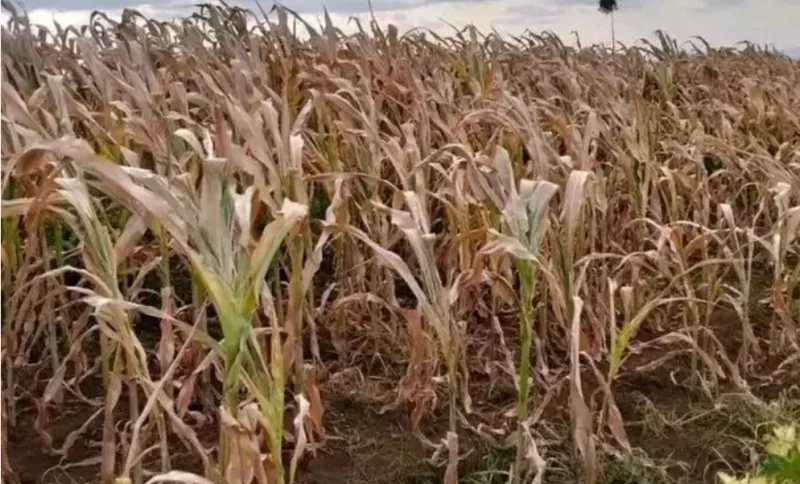
The firm said uncontrolled weed growth continues to contribute to significant yield losses, particularly among smallholder farmers, according to industry estimates.
“Weed control remains a major concern for farmers across the country. What we are introducing is a practical solution that improves efficiency while helping farmers protect their yields,” said a senior official from the company.
The firm said the technology was developed following extensive research and field testing to make it suitable for both small-scale and commercial farmers, with emphasis placed on ease of use, safety and environmental considerations.
By reducing weed pressure, the solution is expected to improve crop performance, though the company noted that results would vary depending on farming practices and local conditions.
Agricultural stakeholders present at the launch highlighted the importance of innovation in strengthening food security, particularly at a time when farmers are grappling with rising input costs and erratic weather patterns.
“Innovation is critical if farmers are to remain productive and resilient in the face of these challenges,” one stakeholder said.
The firm said it plans to roll out the technology nationwide, with a possible expansion to regional markets in the future.
According to the Food and Agriculture Organization (FAO) of the United Nations, a growing global population will require higher food production, a goal that can only be achieved by increasing crop yields while adopting sustainable farming practices.
The UN agency notes that this means producing more food through the efficient and responsible use of land and water resources, while minimising losses and environmental harm.
FAO has previously pointed out that reducing crop losses caused by pests is critical, particularly through Integrated Pest Management (IPM) approaches that combine resistant crop varieties, judicious use of pesticides, biological controls and improved farming practices.
Among these pests, weeds are considered a major biological constraint to food production.
“Their competition with crops reduces agricultural output in both quantity and quality, and increases external costs by spreading across farm boundaries,” FAO notes.
The agency adds that weeds significantly limit farmers’ productivity in many developing countries, where the labour required for hand-weeding a single hectare of land is often beyond the capacity of smallholder farming households.