When Naomi* held her newborn for the first time, she imagined lullabies, first smiles and the slow unfolding of motherhood.
What Naomi (not her real name) did not expect was a diagnosis that would upend those early days — one that would send her from quiet moments of bonding into hospital corridors filled with unfamiliar medical terms and urgent decisions.
Barely a month after birth, Naomi’s baby was diagnosed with primary congenital glaucoma, a rare but dangerous eye condition that causes abnormally high pressure in the eyes and can cause blindness if untreated.
Glaucoma is a buildup of pressure within the eye that can damage the optic nerve, so early diagnosis, often surgery, eye drops and follow-up are essential
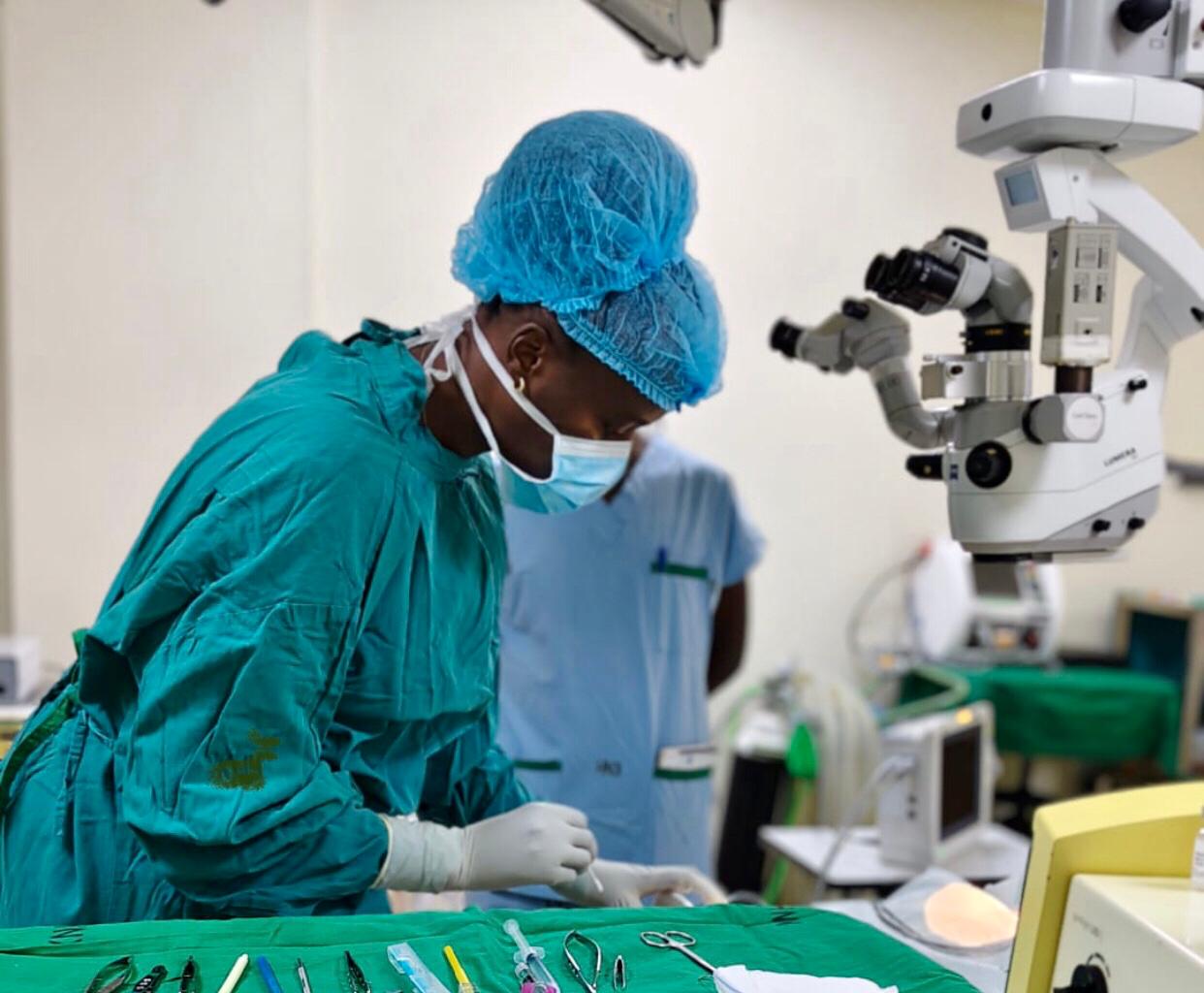
Doctors explained that surgery was the only way to stabilise the pressure and protect the optic nerve from permanent damage.
“I rushed my child to hospital because theeyes were constantly teary and looked cloudy,” Naomi recalls. “I never imagined that it would end in surgery.”
The thought of an operating theatre was terrifying.
Like many parents, Naomi hesitated, asking for time to process the diagnosis and weigh her options. But the warning was clear: delaying treatment could mean irreversible blindness.
“For me, my child’s ability to see came first,” she says. She consented to the procedure, choosing hope over fear.
For Juliana Mbithe, the journey unfolded more slowly, marked by uncertainty and missed warning signs.
Her firstborn was diagnosed with primary congenital glaucoma at the age of one, but the symptoms had begun much earlier.
Just three days after birth, she noticed discharge from her son’s eyes. Prescribed eye drops cleared it temporarily, and life moved on. Months later, the discharge returned — this time accompanied by excessive tearing. Still, the seriousness of the condition did not immediately register.
It took an observant stranger to raise the alarm.
“A good samaritan pointed out that my child’s left eye looked bigger than the other — teary and pale,” Mbithe recalls. Alarmed, she sought specialist care.
The diagnosis was devastating. An eye specialist confirmed that the left eye was severely affected and required urgent surgery.
“I was shocked. I knew nothing about glaucoma,” she says. “It took time before I could agree, but delaying the surgery came with serious risks.”
The first operation was performed on the left eye when her son was one-year-old. Six months later, surgeons operated on the right eye.
Eight years on, Mbithe’s life has been shaped by hospital visits, medication schedules and constant vigilance. Now a mother of four she continues to attend regular clinic appointments to monitor her son’s eye pressure and ensure it remains within safe limits.
Glaucoma specialist Dr Rebecca Nandasaba said genetics is the primary risk factor for primary congenital glaucoma. The condition may be detected at birth or within the first few months of life.
“Children may present with excessive tearing, sensitivity to light, cloudy eyes, or eyes that appear larger than normal,” Dr Nandasaba explains.
She stresses that surgery is only the beginning of treatment. Follow-up care, she says, is critical.
“The normal eye pressure range is between 10 and 21 millimetres of mercury (mmHg),” the specialist says. “When pressure rises beyond this, it damages the optic nerve and can cause blindness.”
Most patients require lifelong use of eye drops to keep the pressure under control.
For Mbithe, access to treatment remains a constant challenge. She buys eye drops that last four months for Sh2,500, reducing frequent transport expenses to a hospital far from her home.
As the years pass, new challenges emerge. Children with congenital glaucoma are more likely to develop short-sightedness.
“My eight-year-old son now wears glasses to help him read,” Mbithe says.
Dr Nandasaba says the cost of medication places a heavy burden on many families. The Social Health Authority (SHA), however, covers glaucoma treatment, including surgery and parents are urged to register for the insurance scheme.
She also cites a critical shortage of glaucoma specialists in the country, although improved referral systems have helped ensure affected children reach appropriate facilities in time.
Parents are advised to have their children’s eyes examined at least once or twice a year. This is especially important because other forms of childhood glaucoma — such as juvenile open-angle glaucoma, common in children older than three years — may present with no visible symptoms.
Dr Nandasaba says some childhood eye conditions, including cataracts, can increase eye pressure after surgery, leading to secondary glaucoma if not closely monitored.
“Regular follow-up can prevent this,” she says.
While glaucoma is often associated with older adults, experts warn that children are not immune.
Monica Bitok, head of the Ophthalmology Department at the Ministry of Health, says Kenya lacks comprehensive data on the prevalence of primary congenital glaucoma due to its rarity. However, she cautions that its impact can be profound.
“It can severely affect a child’s vision, learning and overall quality of life,” she says. “Early detection and treatment are critical in giving affected children a chance to thrive.”
Globally, glaucoma is the second leading cause of blindness. In Kenya, it ranks second after cataracts and remains the leading cause of irreversible blindness.
An estimated 3.5 per cent of the population lives with glaucoma, accounting for 17 per cent of all blindness cases nationwide.