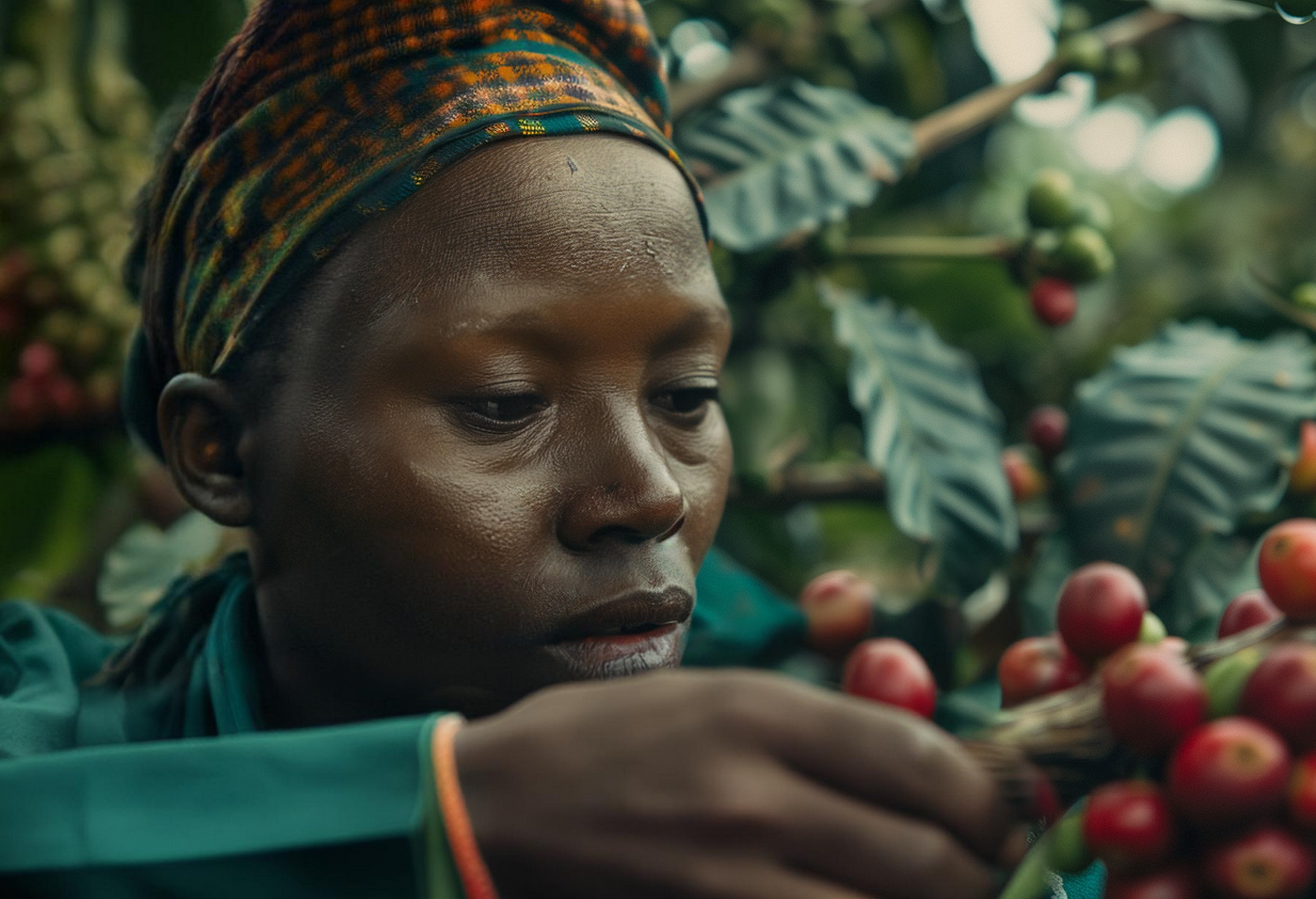
Kenya’s coffee culture is picking up fast and beans that once were almost exclusively an export crop increasingly are being consumed at home. The shift is visible in the booming cafe scene, changing consumer tastes and renewed government efforts to revive production.
According to the Agriculture and Food Authority, local consumption has risen sharply, with the number of coffee houses increasing from just 14 in 2022 to more than 800 today.
Felix Mutwiri, director of the Coffee Directorate at AFA, said the trend reflects Kenya’s evolving urban lifestyle and a growing specialty coffee culture that has taken root in Nairobi and other cities and major towns.
He said that for years, domestic consumption remained stagnant at about three per cent of the crop as most Kenyan coffee was exported. Today, however, around 2,000 tonnes of coffee are consumed locally, signalling what he called “a cultural shift in how Kenyans relate to coffee.”
“Right now, we have almost over 800 coffeehouses. That shows consumption is increasing,” Mutwiri said, adding that the growth is helping cushion farmers by diversifying markets beyond international buyers.
Kenya produces an average of 50,000 tonnes of coffee annually, but the government has set a target of 150,000 tonnes over the next few years. In the early 1990s, production peaked at 129,000 tonnes, before years of sector decline caused by aging coffee trees, limited farm earnings, and market inefficiencies.
Mutwiri said global consumption trends also justify renewed investment. He said international demand for coffee continues to grow and global consumption is estimated at more than 170 million 60-kg bags annually.
He added that coffee quality is diminishing in many producer countries due to climate stresses, and said Kenya can fill part of that premium market gap due to its reputation for high-quality Arabica.
“We want to assure Kenyans and farmers that the government is committed to make sure there’s market for their coffee,” he said.
Mutwiri said the recent extension of African Growth and Opportunity Act by the United States offers expanded opportunities, especially for value-added roasted coffee, which captures far higher premiums than green beans.
He said China, Malaysia, Morocco, Algeria and Egypt are among the emerging markets with an appetite for specialty coffee.
James Wanjohi, director of State Corporations at the Ministry of Agriculture, said the coffee subsector remains central to Kenya’s agricultural economy, supporting about 800,000 smallholder farmers and the livelihoods of more than six million people.
Despite its high global reputation, Kenya’s production today remains far below potential.
“In the’90s, annual production was 129,000 metric tonnes. Today this has declined to 40,000 to 50,000 metric tonnes,” Wanjohi said. “This reality underpins the government’s strong focus on increasing production and productivity.”
Some current interventions include rehabilitation and replanting of aging trees, climate-smart farming practices, improved access to quality inputs, stronger extension services and use of digital tools for farmer training.
Wanjohi also cited the need to bring youth into coffee farming and value addition.
“Our objective is to raise yields per tree and ensure farming remains profitable and attractive, especially to the youth,” he said.
The director said Kenya must move beyond exporting green coffee, arguing there’s more value in roasting, packaging, brewing, branding and domestic retail.
The profile of Kenyan specialty coffee is being raised by competitions such as Taste of the Harvest, led by AFA and private partners. They also connect farmers directly to buyers willing to pay premium prices.
Calistus Efukho, director of Food Crops at AFA, said this year’s national competition received 100 entries, with 57 coffees making it to the finals, competing across naturals, washed and experimental categories.
The top coffees will proceed to the African regional competition in Addis Ababa, where winning lots will be auctioned online at premium prices.
“This initiative will go a long way in supporting farmers as Kenyan coffee will be highlyvisible in the international market,” Efukho said.
Wanjohi said the government is also responding to new global requirements for sustainability and traceability, including the European Union’s deforestation regulations and US traceability standards.
Digital traceability systems, he said, are being strengthened to keep Kenyan coffee competitive and compliant.
Meanwhile, reforms under the Coffee Regulations 2019 are aimed at improving governance, marketing transparency and farmer earnings. The state has also rolled out subsidised fertiliser for coffee, lowering production costs and increasing quality.
Wanjohi said the government hopes that rising domestic consumption, new export markets and stronger value addition will both revive production and rebuild confidence among farmers, many of whom abandoned coffee due to poor returns.
“There is a lot of current support from the government because there’s investment in infrastructure, pulping stations and inputs. Improved quality translates to premium prices,” Mutwiri of the Coffee Directorate said.