For context — because I once needed this explained, too — anime refers to animated films and TV series that originate from Japan, while manga are Japanese comic books or graphic novels, often serving as the source material for anime adaptations. They are entire storytelling industries, not genres, with audiences ranging from children to adults. At the time, though, none of that mattered to me. I remember rolling my eyes and thinking, surely this is just another phase we’ll laugh about later, like skinny jeans or ringtone rap.
That was my mindset for a long time. Growing up in Kenya, my idea of ‘serious’ storytelling came from novels we studied for KCSE, Nigerian films after news segments on TV, and later, gritty Western TV shows everyone pretended to understand. Manga and anime felt childish, exaggerated and frankly, unnecessary. Why read comics when you could read Ngũgĩ wa Thiong’o? Why watch animated people cry dramatically when real life already had enough drama? Manga and anime felt like an escape hatch, not a mirror.
Unbeknownst to me, a huge fan base of Gen Zs was building a whole city through that hatch.
Part of my dismissal came from not understanding the intricacies of anime and manga. Manga, for instance, isn’t just “any comic book”. It has a very distinct style: typically black and white, densely detailed with intricate line work, and — most disorienting for first-timers — written from back to front, read right to left. Tom Jalio, a young-at-heart journalist, 38, recently told me about his woes when trying to buy manga as a gift for his Gen Z friend. He kept checking for alternatives, convinced something was wrong. Eventually, he Googled and discovered that no, the books were not misprinted. That was the format. “My confusion was humbling,” he admitted. I laughed, mostly because I recognised myself in that story, when I was also green in the world of anime and manga.
INTELLECTUAL APPEAL
My skepticism didn’t last long once I started paying attention. The first crack in my certainty came at a family dinner when Alex — my 16-year-old cousin, hoodie permanently attached — started passionately explaining Attack on Titan between bites of pilau. He wasn’t talking about fight scenes. He was talking about government propaganda, cycles of violence and inherited guilt.
At one point, he said, “It’s not about giants. It’s about how fear makes people cruel.” I put my fork down. That was better media analysis than I heard in most college seminars.
Even more intriguing is that the Gen Z fan base in anime and manga seems to have a shared language. For instance, during a heated debate in a morning meeting while I was in a volunteer programme, Zara Hassan, my 23-year-old deskie, compared the office politics to Naruto clan rivalries — annoyingly accurate, as it turned out. I finally caved and watched Death Note one weekend, mostly so I could stop nodding politely when people referenced it. Instead, I found myself binge-watching, arguing out loud with the TV about morality and power like it was a debate opponent.
It dawned on me: Gen Z’s devotion to manga and anime isn’t about escapism. It’s about emotional honesty in a world that feels increasingly artificial.
Manga and anime don’t pretend to be subtle. Feelings are loud. Tears fall like rainstorms. Characters announce their fears and flaws without irony. That directness hits a generation raised on curated feeds and brand-safe emotions. When everything else feels filtered, anime feels blunt.
As Julius Opiyo, a 28-year-old anime fanatic, told me over coffee, “In anime, no one pretends they’re chill when they’re falling apart.” That epiphany stuck with me.
There’s also the fact, though mocked by outsiders, that these stories take young people seriously. In manga, teenagers aren’t just side characters waiting to grow up. They’re revolutionaries, warriors, leaders and moral decision-makers.
Contrast that with how young people are often treated in real life: dismissed as lazy, fragile or chronically online. Manga hands them agency when the world withholds it.
SENSUAL OVERKILL
In the same breath, however, critics argue that anime is too violent, too sexualised, too unrealistic. Those critiques are not baseless. I’ve cringed through scenes that felt gratuitous or exhausting. And some Gen Zs share that discomfort.
Lucy Mwende, a 21-year-old student I spoke with, shrugged and said, “I love anime, but sometimes it’s a mess. You’ve got to wade through nonsense to find the good stuff.” Fair point. The medium isn’t flawless. But neither is prestige television, which somehow gets a free pass for similar excesses because it wears darker lighting and Western accents.
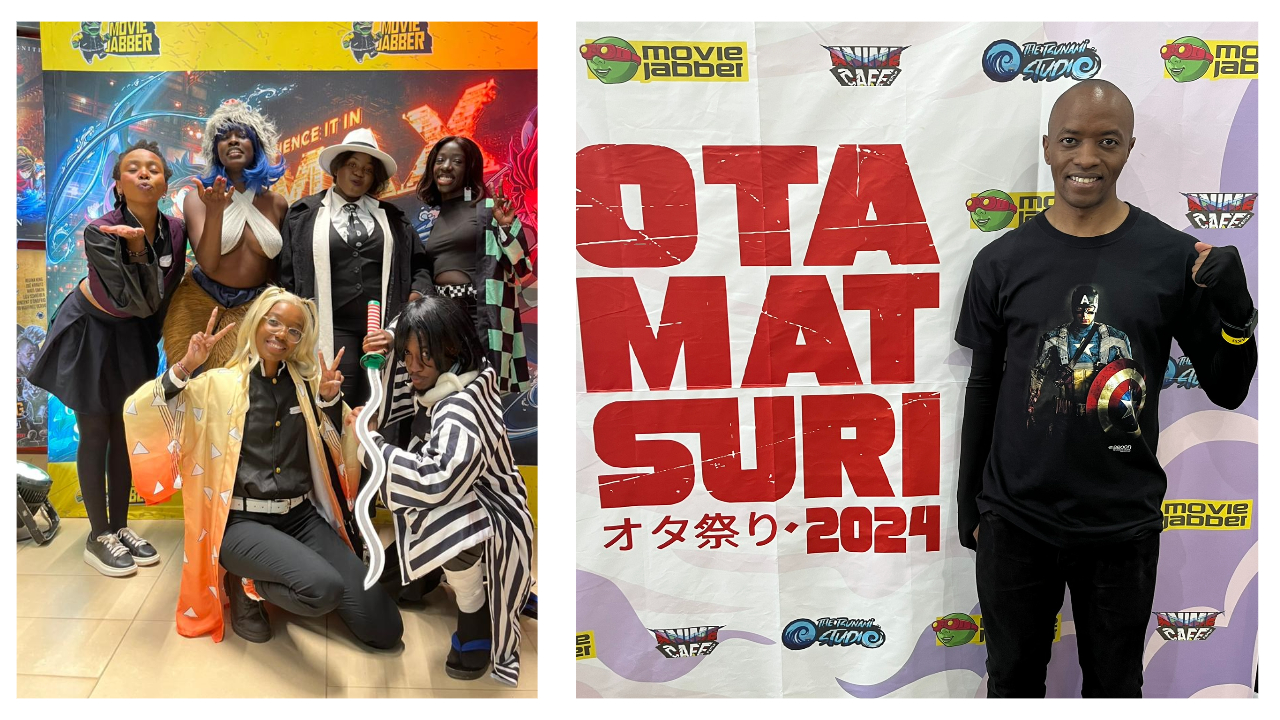
What shifted my thinking most was realising how global manga and anime are. A significant number of Gen Zs grew up online, borderless by default. Manga from Japan doesn’t feel foreign to them, it feels normal. Anime conventions look like the United Nations with better outfits.
This universality matters. In a time of rising nationalism and cultural fear, young people are learning emotional literacy across cultures without making a big deal about it.
I didn’t convert overnight. I still roll my eyes at some tropes. But I can’t deny what I’ve seen: Manga and anime are doing cultural work that many Western institutions have failed to do for Gen Zs. They’re offering stories that are emotionally transparent, morally complex and unapologetically intense.
So when I hear anime and manga debates now, I don’t dismiss them. I see them as part of a broader cultural shift. Gen Zs found in anime a language for emotions and questions that Kenyan society doesn’t always know how to hold. And once I stopped laughing at that, I realised the joke might have been on me all along.