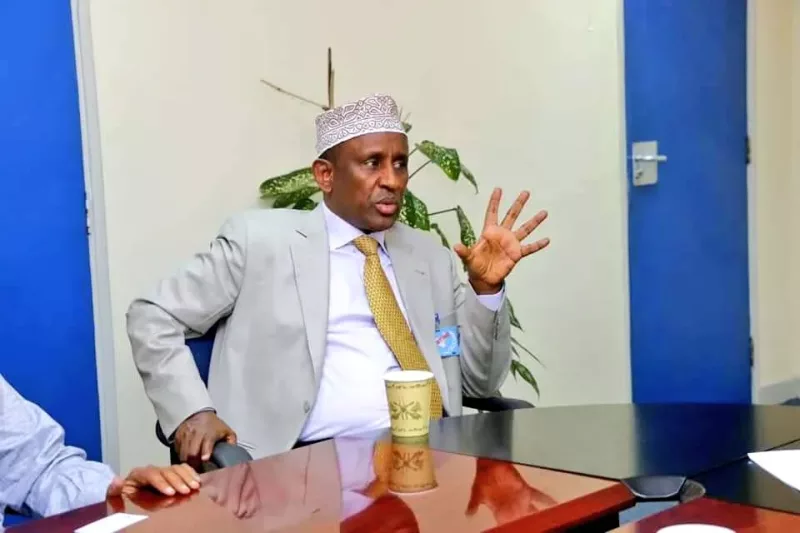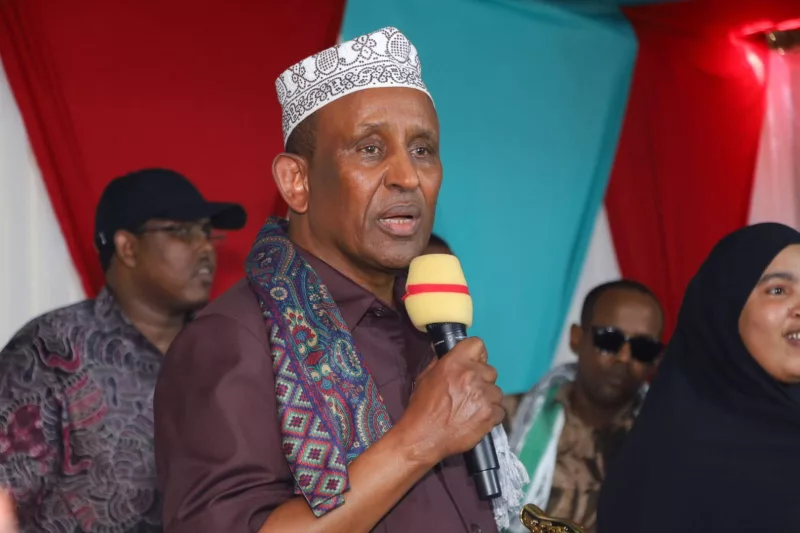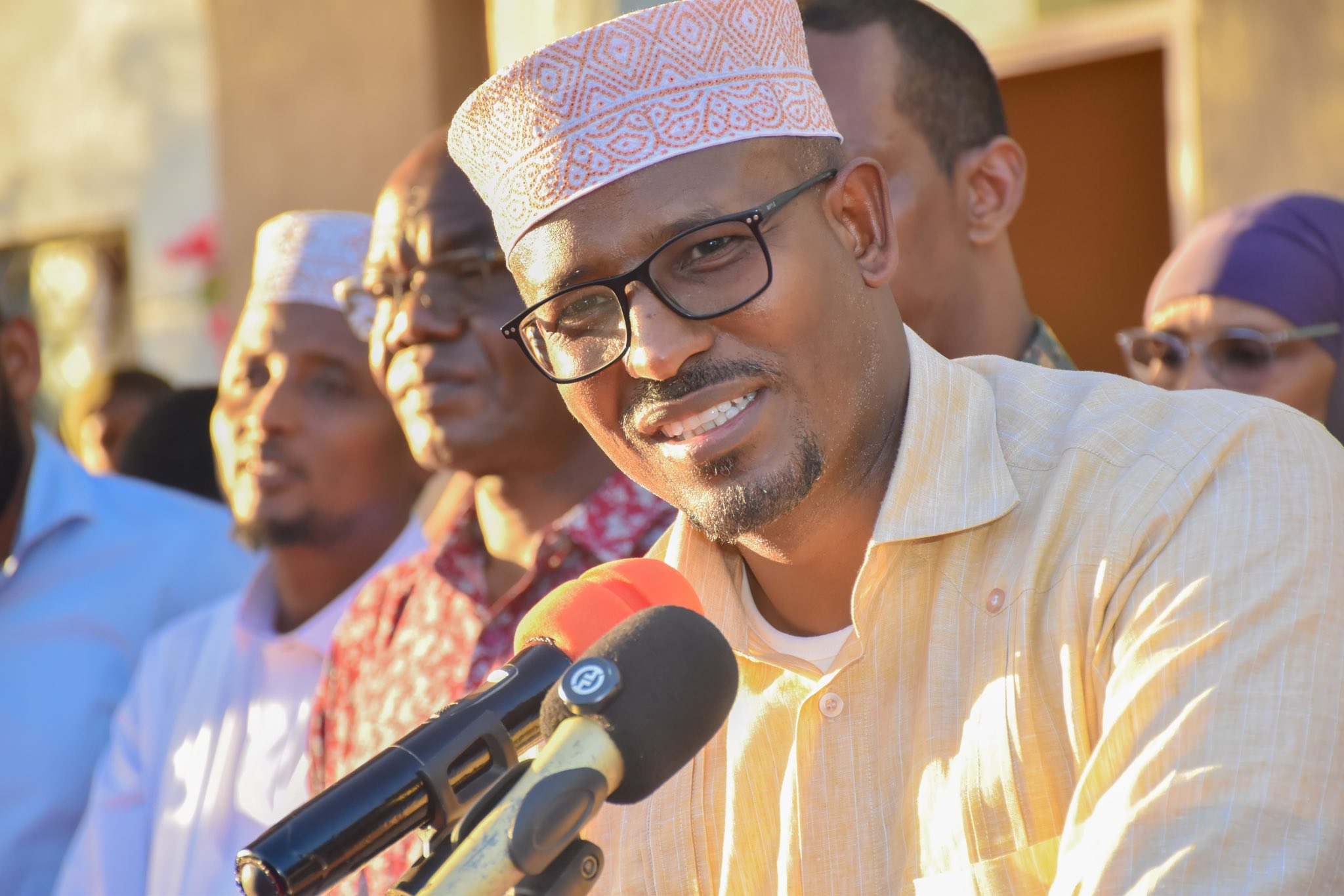
Wajir Governor Ahmed Abdullahi on Thursday dismissed former
deputy president Ragathi Gachagua’s remarks as detached from historical
realities and the everyday challenges faced by residents of North Eastern
region.
Two weeks ago, during a press briefing, the Democracy for
Citizens Party leader argued that more than a decade after the introduction of
devolution, continued calls for preferential treatment—particularly in the
placement of students in national schools—were no longer defensible.
On Wednesday, Gachagua again took to his social media
account where he said the North Eastern region’s underdevelopment was a result
of failed leadership and a lack of accountability.
“The region has been ravaged by underdevelopment, drought,
suffering and entrenched poverty. This tragedy cannot be explained by lack of
resources. Since devolution began in 2013, the counties of Mandera, Garissa,
Wajir, Marsabit and Isiolo have received over one trillion shillings in
taxpayer money, through national transfers of the equitable share, NG-CDF,
equalisation fund and disbursements from the Kenya Roads Board,” Gachagua said
in his post.
“This is not a failure of the people. It is a failure of
leadership and accountability. Their leaders have treated public office as a
private investment vehicle. They spend most of their time in Nairobi, building
apartments in every corner of the city, instead of translating public resources
into water, roads, schools and health facilities for their people back at
home,” he added.
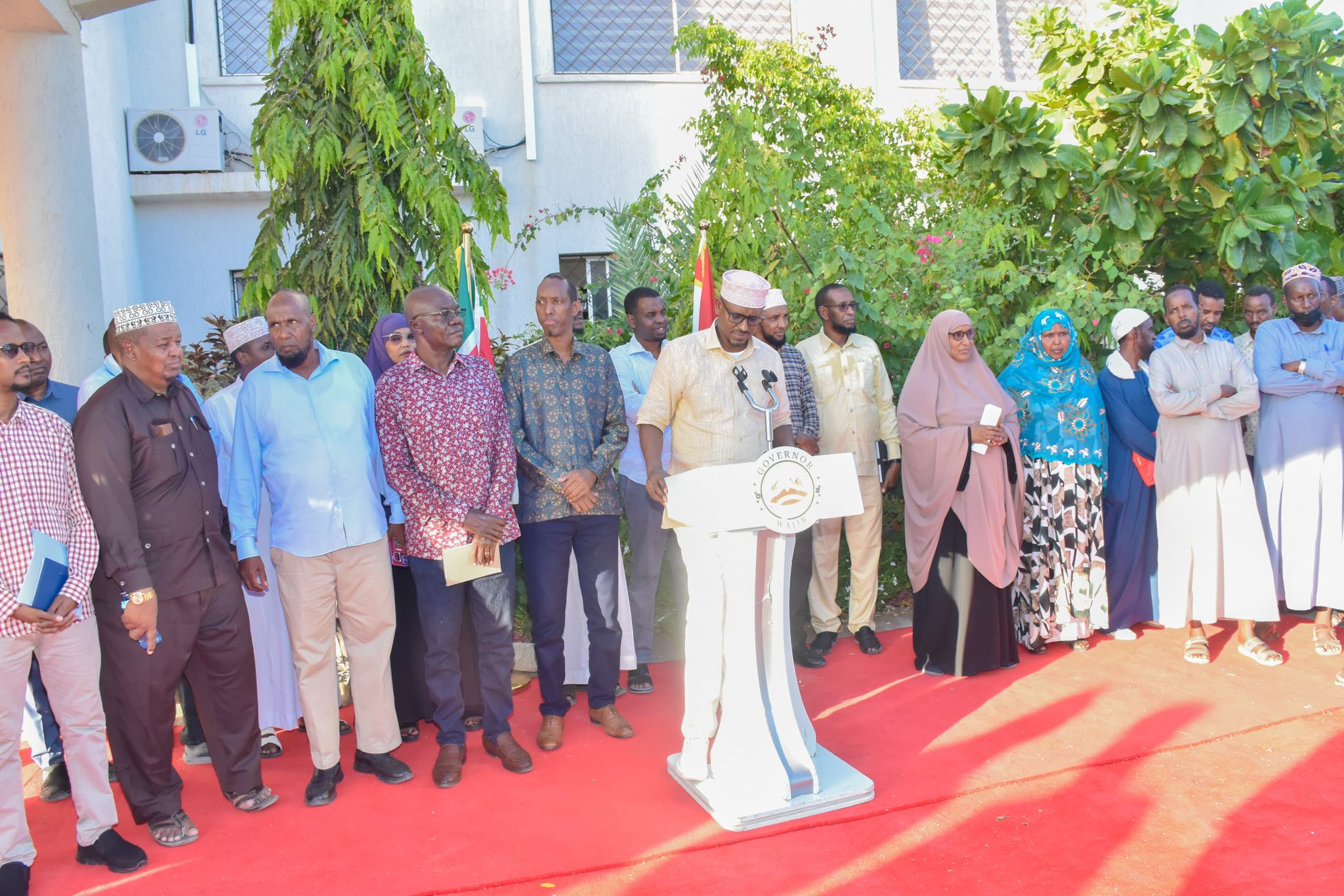
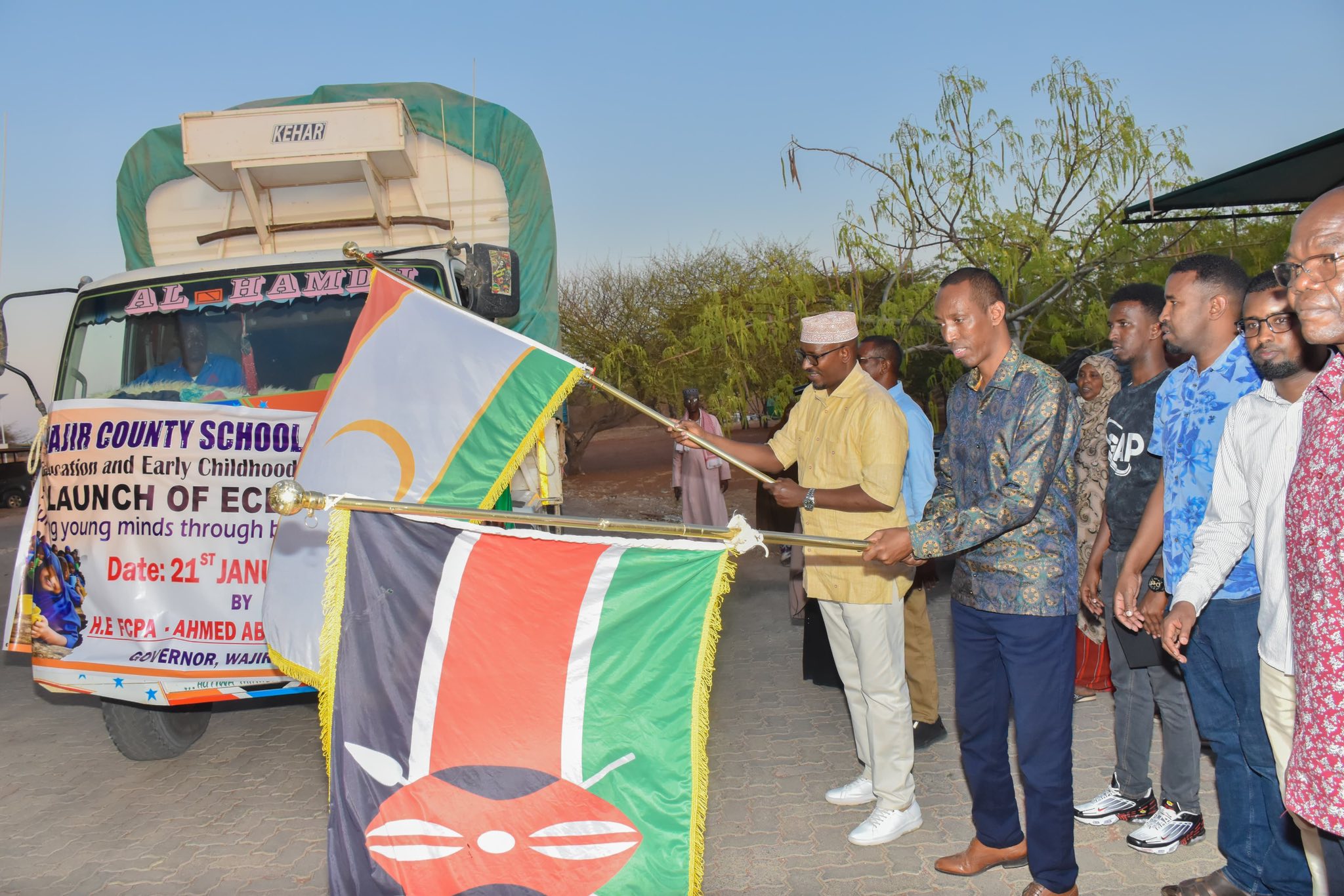
Speaking during the launch of the ECDE School Meals
Programme and Sanitary Kits Initiative, Abdullahi — who also chairs the Council
of Governors — rejected the notion that underdevelopment in northern Kenya
stems from ineffective leadership. He described the criticism as unfair and
disconnected from conditions on the ground.
“Calling us all manner of names and saying our territory is
underdeveloped as a result of our inability to manage. If you are fired as a
government officer selling relief maize, you don’t have the moral authority to
lecture me about corruption,” Abdullahi said.
The governor argued that drawing comparisons between Wajir
and smaller, more accessible counties ignores critical context. He maintained
that the region’s development gap cannot be explained solely by Constituency
Development Fund spending or equitable share allocations.
“The truth is that we have achieved more with devolved funds than the average county in Kenya,” he said.
Abdullahi pointed to tangible projects financed through
devolved resources, including major infrastructure developments. “How many
counties in Kenya have built over 50 kilometres of standard tarmac roads using
equitable share? How many have established medical training colleges?” he
posed.
However, he conceded that progress remains gradual, noting
that Wajir started from an extremely low development baseline and continues to
grapple with unique challenges such as vast land size and harsh climatic
conditions. He noted that Wajir South constituency alone spans 22,000 square
kilometres—an area he said is 81 times larger than Kiharu constituency—while
Wajir county is roughly equivalent in size to more than 20 counties combined.
A significant portion of the county’s budget, Abdullahi said,
is directed toward emergency responses rather than long-term development
initiatives.
“We are spending resources to supplement relief food from
the national government, including buying food for residents during Ramadan. We
are also trucking water to people deep in the reserves to help them survive
prolonged drought,” he said.
The governor further dismissed Gachagua’s remarks as
politically driven, linking them to the region’s political alignment.
“The bitterness stems from the fact that, as a region, we
have made a deliberate choice to support the current government. Northern Kenya
leaders remain firmly behind President William Ruto’s re-election bid in 2027.
And we have no apologies to make. Just the same way he has decided to say one
term, us we have decided to say two term,”Abdullahi said.
While some residents, professionals and intellectuals have publicly expressed agreement with aspects of Gachagua’s critique, elected leaders from the region have continued to mount a strong and united defence.