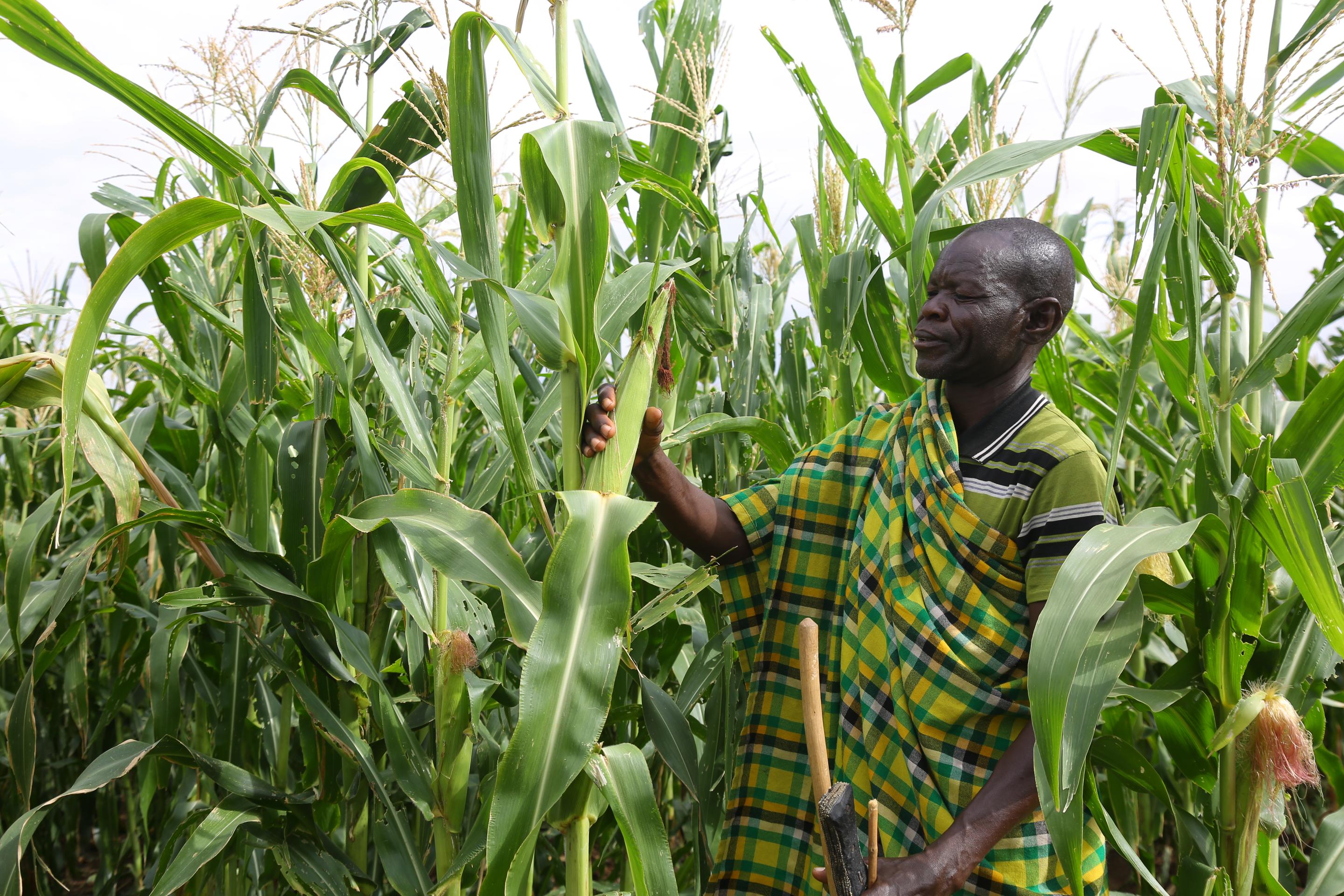
Joseph Natapar, a farmer in Katilu Irrigation Scheme inspecting his maize./HANDOUT.
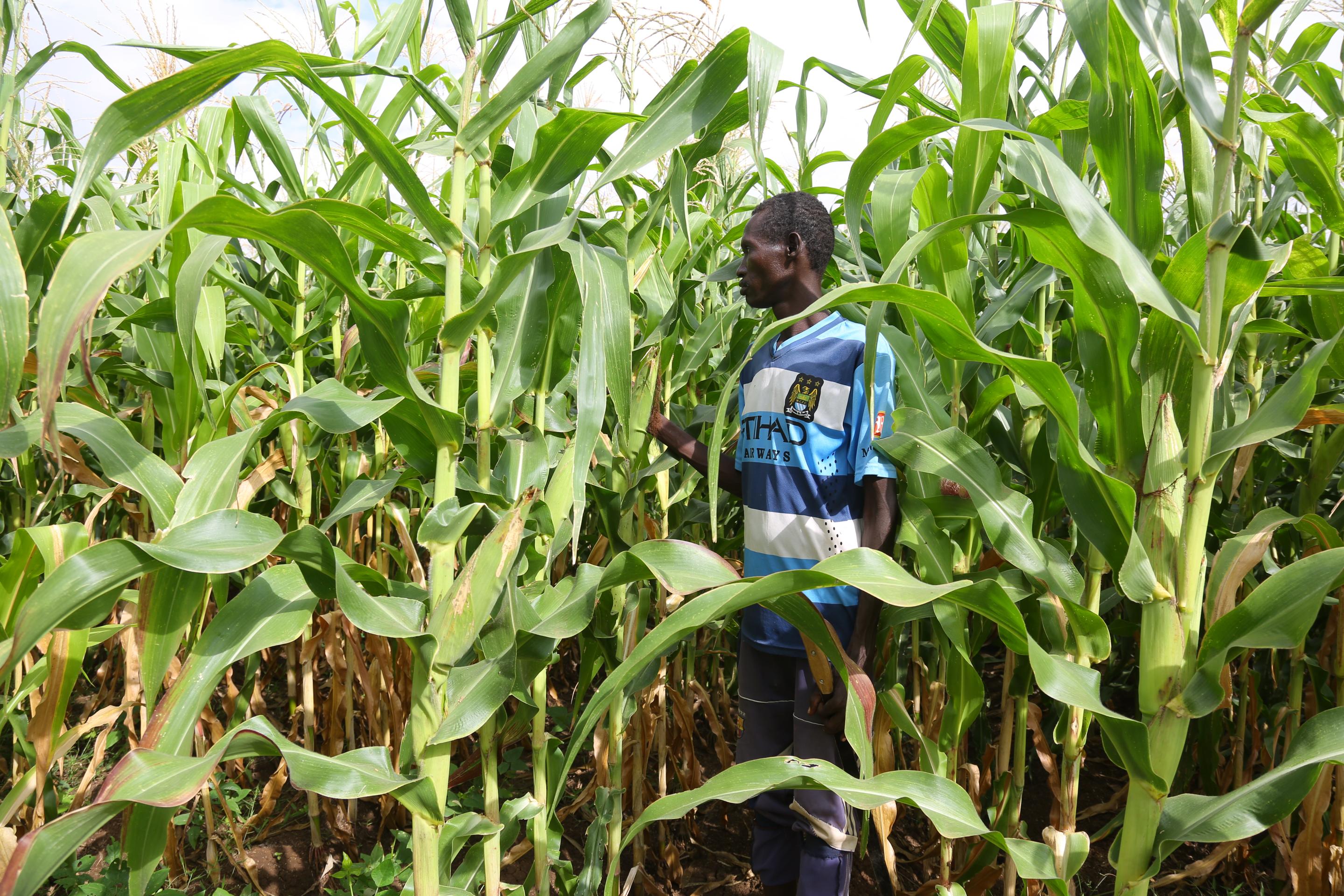 Johnstone Nyurle, a farmer in Katilu Irrigation Scheme
inspecting his maize./HANDOUT
Johnstone Nyurle, a farmer in Katilu Irrigation Scheme
inspecting his maize./HANDOUT As climate change worsens across Arid and Semi-Arid Lands, pushing millions into food insecurity, some pastoralists are gradually turning to farming.
The pastoralists in Turkana and Garissa counties are now growing food for their families and fodder for their animals.
Once heavily reliant on livestock, these communities are increasingly embracing irrigation agriculture as a coping mechanism against recurring droughts and a pathway to more stable livelihoods.
They are adopting irrigation agriculture as a critical coping strategy against the growing impacts of climate change.
For decades, pastoralism has been the backbone of livelihoods in Kenya’s northern regions.
But frequent droughts, now more severe and unpredictable due to climate change, have repeatedly wiped out livestock, leaving families vulnerable and dependent on relief aid.
Recent reports by the Kenya Red Cross Society indicate that millions of Kenyans in arid and semi-arid lands continue to face acute food insecurity due to consecutive failed rainy seasons.
Similarly, the National Drought Management Authority has warned that drought cycles in Kenya have shortened from once every 10 years to nearly every two to three years, stretching communities’ ability to recover.
In response, irrigation schemes supported by the government through the National Irrigation Authority are helping communities transition from livestock dependence to crop production.
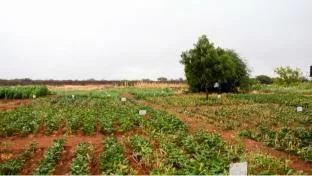
At the Katilu Irrigation Scheme in Turkana county, the transformation is already visible.
Located along River Turkwel, the scheme benefits from a relatively reliable water source, allowing year-round farming in an otherwise harsh, arid environment.
Joseph Natapar, a farmer at Katilu, says irrigation farming has brought stability to his life.
“As a pastoralist, I lived constantly watching my back, always fighting over livestock. Farming has provided more peace and stability,” he says.
Like many others in the region, Natapar previously relied on livestock and often lost animals during drought. Today, his two-acre farm provides a steady income that supports his children’s education.
According to scheme manager Philip Juma, Katilu has evolved beyond subsistence farming into a structured agricultural hub.
Through partnerships with institutions such as the National Cereals and Produce Board and Kenya Seed Company, farmers engage in contract farming, gaining access to inputs, credit and guaranteed markets.
The scheme has also ventured into certified seed production, with pilot maize yields ranging between 18 and 35 bags per acre.
Other crops include green grams (up to nine bags per acre), sorghum (about eight bags), tomatoes (over 4,000kg per acre) and watermelons exceeding 5,000kg per acre.
Beyond production, Katilu has a 3.5-acre model farm used for research and training farmers on modern agricultural practices.
Crops now range from traditional cereals to fruits and vegetables such as bananas, mangoes, pawpaws, kales and butternut.
“Initially, we only grew sorghum and maize. Now we grow fruits and vegetables we once thought were wild plants,” says farmer Michael Silale.
The shift has also reduced dependency on food aid while creating jobs in transport, trade and agro-processing.
In Garissa county, similar shifts are taking shape as pastoralists embrace irrigation agriculture to cope with the harsh realities of climate change.
The Bulla Adeey/Cadey Irrigation Scheme, launched in August 2025, spans 1,500 acres and supports at least 500 smallholder farmers in its first phase.
Powered by solar energy, the scheme draws water from River Tana, enabling farmers to grow high-value crops such as bananas, tomatoes, onions and melons throughout the year.
For many, irrigation farming is proving to be a reliable alternative to livestock keeping, which has become increasingly risky due to recurring droughts.
Hassan Ali, a farmer from Bulla Cadey, says the shift has transformed how communities think about survival.
“Before, everything depended on rain and pasture. When drought came, we lost almost everything. With irrigation, I can harvest even when there is no rain. It has given us another option,” he says.
In Kamuthe, farmers have also embraced fodder production as a way to cushion their livestock during dry seasons.
Sadia Mohamud, a mother of six, says the transition has significantly reduced her vulnerability to drought.
“For the last four years, I have not lost any animal to drought. Fodder farming has protected my livestock and improved my income,” she said.
Similarly, Fatuma Abdullahi, a smallholder farmer in the area, says irrigation farming has brought more consistent income to her household.
“Selling vegetables like tomatoes and onions gives me money almost every week. This is different from livestock, where you only earn when you sell an animal,” she said.
However, farmers say more support is needed to fully realise the benefits of irrigation. Challenges such as limited canals, inadequate extension services and lack of technical knowledge still hinder productivity.
“We still need more training and better water management systems so we can increase production,” says one farmer.
Experts say irrigation agriculture is emerging as a key climate adaptation strategy in Kenya’s drylands.
According to NDMA and humanitarian agencies, over four million Kenyans have in recent years required food assistance due to drought, with the hardest-hit areas in the north and north-eastern regions.
The Kenya Red Cross notes that climate shocks, including droughts and occasional floods, are becoming more frequent, eroding traditional coping mechanisms such as pastoralism.