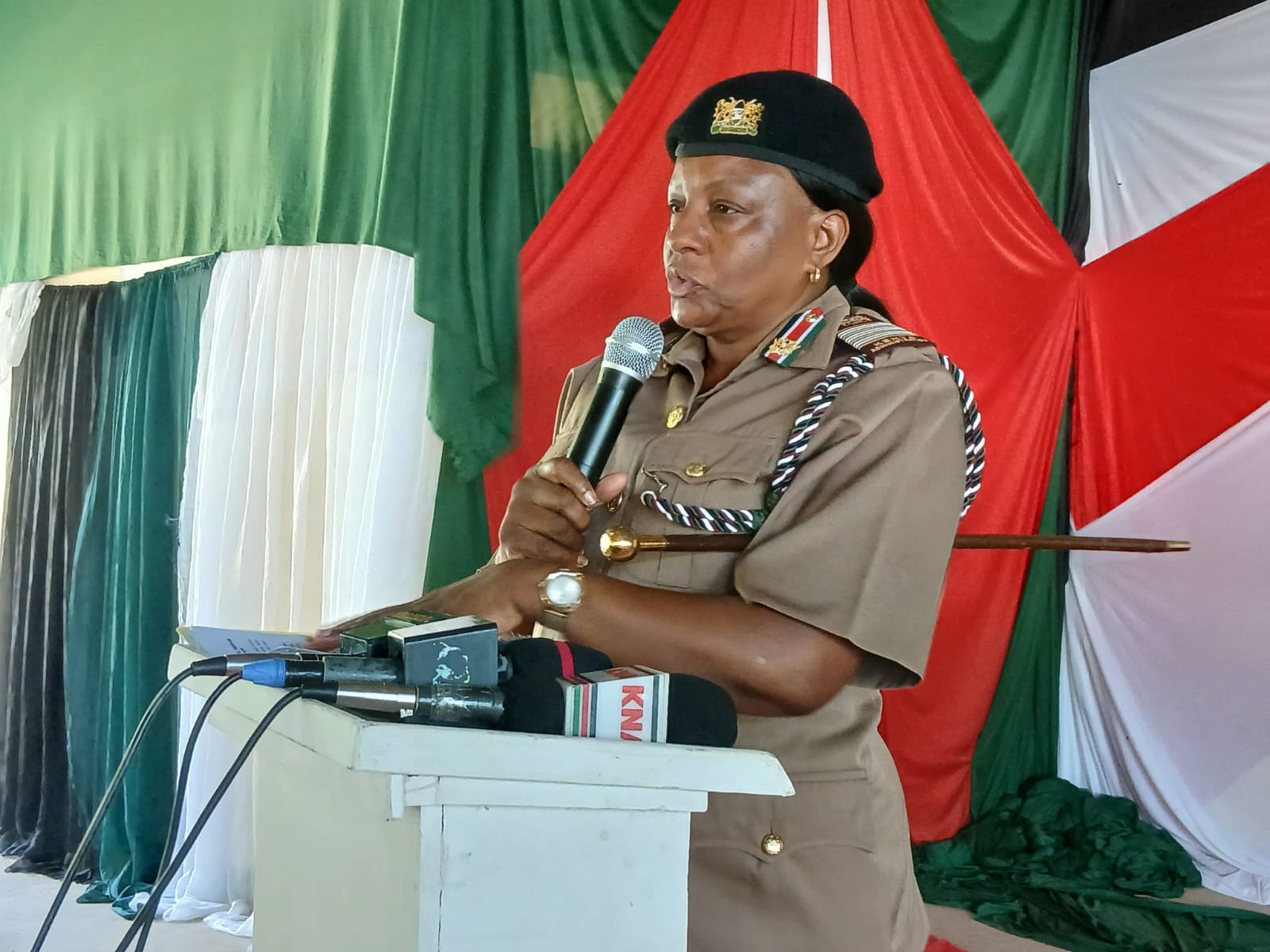
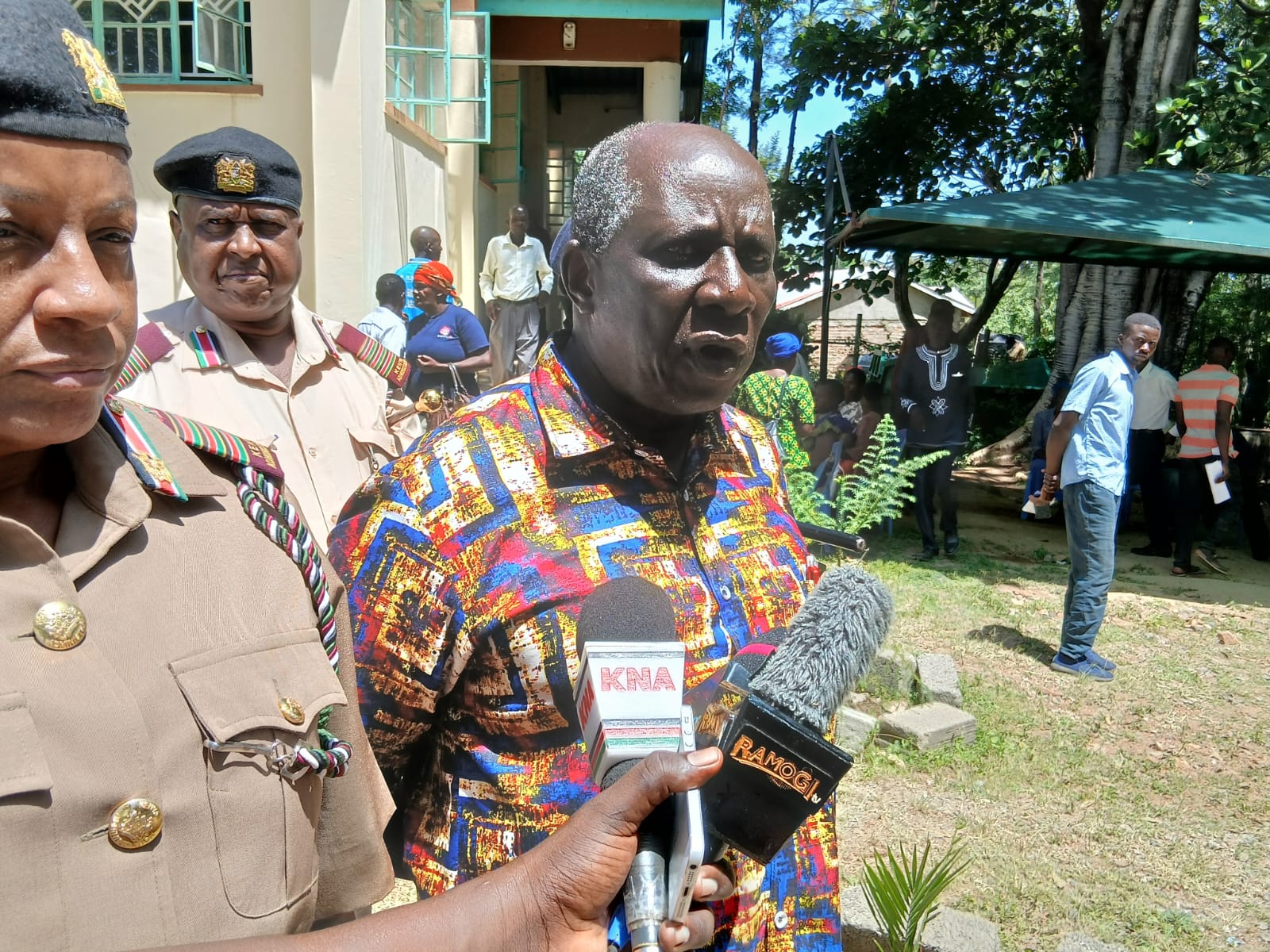
The government has raised concern over persistently high cases of child defilement in the Nyanza region, warning that sexual violence against minors is fuelling teenage pregnancies, school dropouts and new HIV infections.
Nyanza Regional Commissioner Flora Mworoa said the region continues to record alarming figures, with an average of about 70 defilement cases reported every month across the six counties.
In some months, the number rises to nearly 100 cases, pointing to what she described as a deepening child protection crisis.
Mworoa was speaking in Kisumu during the inaugural Seme Sub-county Multi-Stakeholder Conference on Sexual and Gender-Based Violence (SGBV).
The meeting brought together national and county officials, security agencies, the Judiciary and community leaders to discuss coordinated responses to the vice.
She linked the high incidence of defilement directly to rising teenage pregnancies, which she said pose a serious threat to the health, education and future of affected girls.
During last year’s Kenya Certificate of Secondary Education (KCSE) exam, Mworoa revealed that 254 girls sat the test while pregnant or shortly after giving birth, with some candidates taking their papers from hospital wards.
“These pregnancies are not accidental. They are a direct consequence of defilement,” she said, adding that in many cases the perpetrators are people well known to the victims, including parents, relatives and close family associates.
Mworoa noted that defilement, rape, drug abuse and other forms of gender-based violence are closely linked, with most perpetrators being adult men.
She warned that many assaults occur without protection, exposing victims to HIV and other sexually transmitted infections.
Other crimes such as sodomy, she added, often go unreported due to stigma, further worsening the situation.
She called for collective responsibility, saying the government alone cannot end the crisis.
“This is not about apportioning blame. It is about all of us taking responsibility and implementing practical solutions,” Mworoa said.
Seme MP James Nyikal criticised the persistence of so-called kangaroo courts, where families negotiate with perpetrators to settle defilement cases out of court.
He warned that such arrangements are illegal and morally unacceptable.
“A criminal offence cannot be negotiated. Any agreement reached after rape or defilement is itself a crime,” Nyikal said, citing provisions of the Sexual Offences Act and the Children Act.
He said families and community members who conceal such abuses are enabling repeat offences.
“If you knew it happened and did nothing, then you too committed a crime,” the lawmaker said.
Nyikal also urged the Children’s Department to commission scientific research to generate reliable data to inform targeted interventions.
“We need to understand who is committing these crimes, their ages and the drivers. Without data, our response remains guesswork,” he said.
Nyanza Regional Director of Children Services Beatrice Obutu said children in Seme subcounty face heightened vulnerability due to their large numbers.
According to the 2019 census, Seme has a population of 121,663, with about 63,000 children, almost evenly split between boys and girls.
“When more than half of your population is made up of children, protection cannot be optional,” Obutu said, urging communities to examine cultural practices and adult behaviour that expose minors to harm.
She warned that failure to act perpetuates cycles of violence that harm society as a whole.
Kisumu CEC for Gender Beatrice Odongo attributed rising SGBV cases to poverty, limited access to information and education, indiscipline, and risky behaviour among young people.
She urged parents to take the lead in enforcing behaviour change, noting that higher figures in Seme could reflect improved reporting rather than uniquely high prevalence.
“This does not mean other parts of Kisumu are safe. It may simply mean cases are not being reported,” Odongo said.
Nyanza Regional Police Commander Evelyn Nyamohanga described kangaroo courts as the weakest link in the justice chain, saying prosecutions often collapse when victims or witnesses withdraw.
“Justice is a process. When witnesses pull out, survivors are denied justice,” Nyamohanga said, calling for stronger cooperation between communities and law enforcement agencies.
Seme Deputy County Commissioner Elizabeth Owendi cited a recent case involving a school-going girl who was taken from home by a man intending to move her to Nairobi.
She questioned whether such incidents stem from ignorance of the law, harmful cultural norms or deliberate disregard for children’s rights.
“Village elders know what happens in their communities. They must be part of the solution,” Owendi said.
The conference, themed “From Coordination to Action: Strengthening Local Systems Against SGBV in Seme Sub-county,” aimed to develop concrete interventions to curb defilement, teenage pregnancies and other forms of sexual and gender-based violence in the sub-county.
End…