
In the heart of Kenya’s digital landscape, a silent revolution is rewriting the rules of community support. The age-old tradition of Harambee—a Swahili term meaning pulling together—is no longer confined to physical meetings under trees or in village halls.
Instead, it has moved to the high-speed, high-emotion world of TikTok.
Driven largely by Gen Z, this modernised version of philanthropy is bypassing traditional NGOs and formal charities, favouring direct, peer-to-peer action that delivers results in hours rather than months.
The Rise of the "Live" Harambee
The transition from traditional fundraising to TikTok began in earnest during the 2024 "Reject Finance Bill" protests, where Gen Z showcased their ability to raise millions for medical bills and funeral expenses via mobile money in record time.

This momentum has now shifted toward individual humanitarian cases.
ALSO READ: "The Power of a Tear": How Kenyans Saved Harriet Akinyi’s Nakuru Restaurant from Collapse
Unlike traditional NGOs, which often require lengthy verification processes and administrative overheads, TikTok offers radical transparency.
Viewers see the beneficiary’s face, hear their raw voice, and witness their immediate surroundings in real-time. This creates an emotional bond that formal organisations often struggle to replicate.
From Despair to Success: Case Studies
The impact of this digital unity is best seen through the lives it has touched over the last two years:
Harriet Akinyi (January 2026)
The owner of Tule Kienyeji in Nakuru. After recording a video admitting she was suicidal after investing a lot of money in her restaurant business with no customers coming through, she went from an empty restaurant to a fully booked venue with queues outside the door in less than 24 hours.
Kenyans travelled from different parts of the country to her restaurant in a show of support for her business that was on the verge of collapsing.
"I was just recording to put as evidence so that if I may have died, people will see the reason why. I didn't plan it... It just happened out of a moment of desperation, and God helped,” Akinyi revealed during a Mpasho interview.
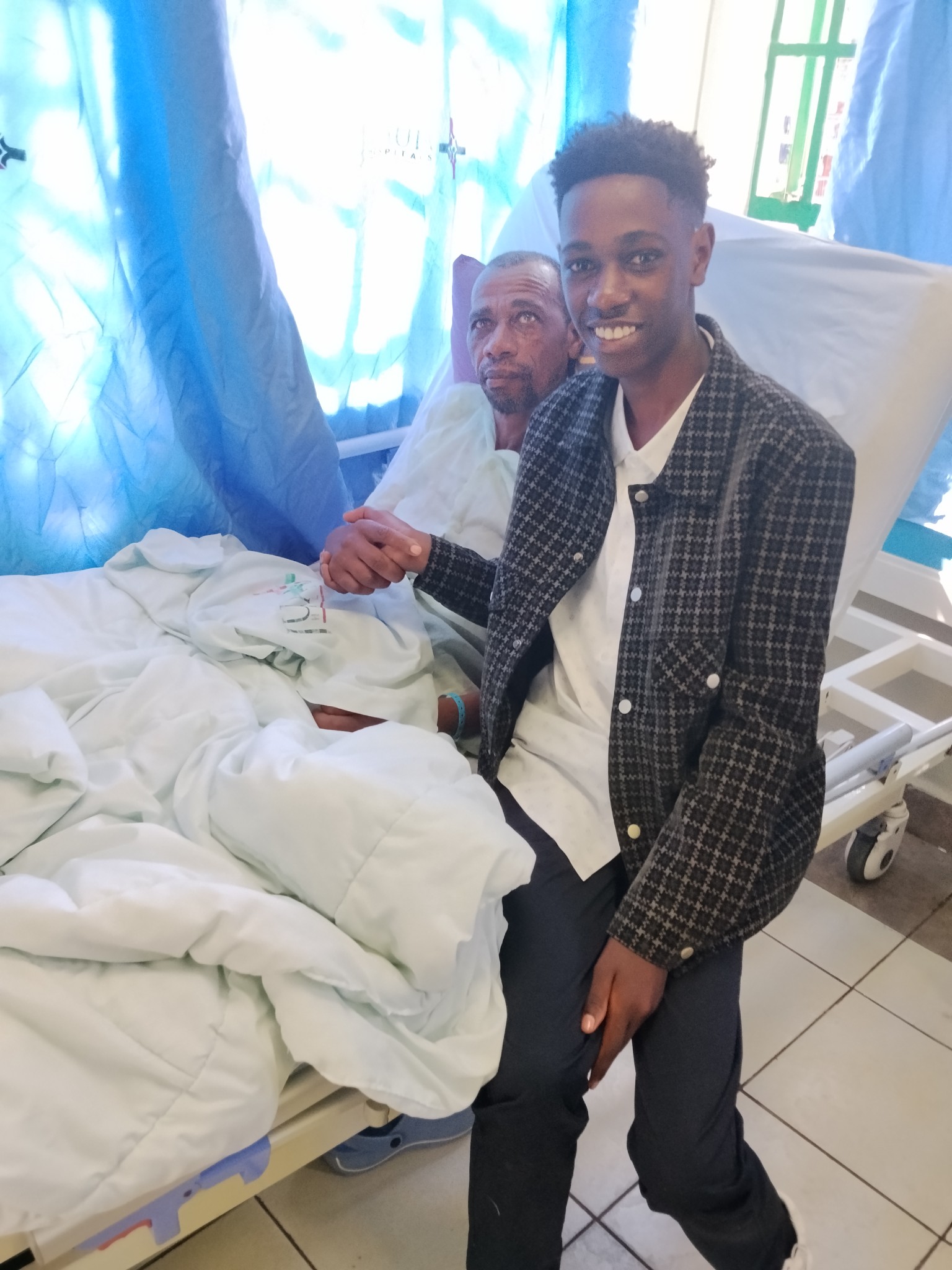
Kaluma Boy (2025)
A young man whose humble living conditions with his ailing father captured the hearts of TikTokers.
Kenyan TikTokers gathered on Sunday, 28 September 2025, at Kaluma Boy's home in Othaya, Nyeri, to help fundraise for the ailing dad. The content creator had shared publicly how he has single-handedly struggled to settle his father's treatment after suffering a stroke in August 2024.
Mama Gift from Embu (2025)
A struggling mother whose plight was highlighted by content creators. On Sunday, October 26, 2025, TikTokers converged at the Njukiri Showground in Embu for a massive fundraiser, turning a social media appeal into a large-scale, real-world act of solidarity for her son's medical needs.
Prince Benja (2025)
On 30th November 2025, the trend continued with a charity event for content creator Prince Benja in Ukambani.
READ ALSO: Prince Benja: The Latest Beneficiary of TikTok’s New Power for Life-Changing Impact
Prince Benja had been documenting the struggles of taking care of his ailing mother, who suffers from a debilitating eye condition.
The TikTok community swiftly mobilised to provide financial and medical assistance for his mother.

Why TikTok Beats Traditional NGOs
For the Kenyan Gen Z, the preference for TikTok over traditional charities comes down to speed and trust. In a climate where many are sceptical of administrative costs and "red tape" in large organisations, TikTok offers a direct line to the person in need.
The "Live" feature allows donors to see exactly where their money is going.In Harriet Akinyi's case, supporters did not just send money via M-Pesa; they physically showed up at her eatery in Nakuru.