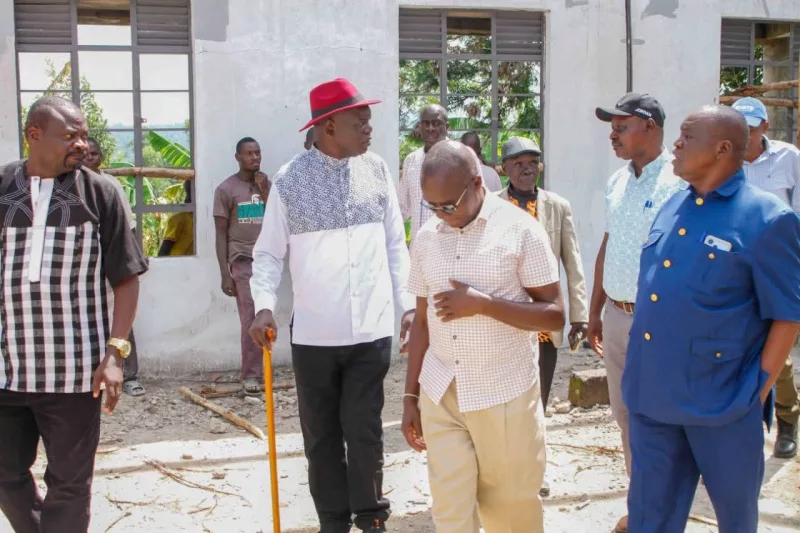
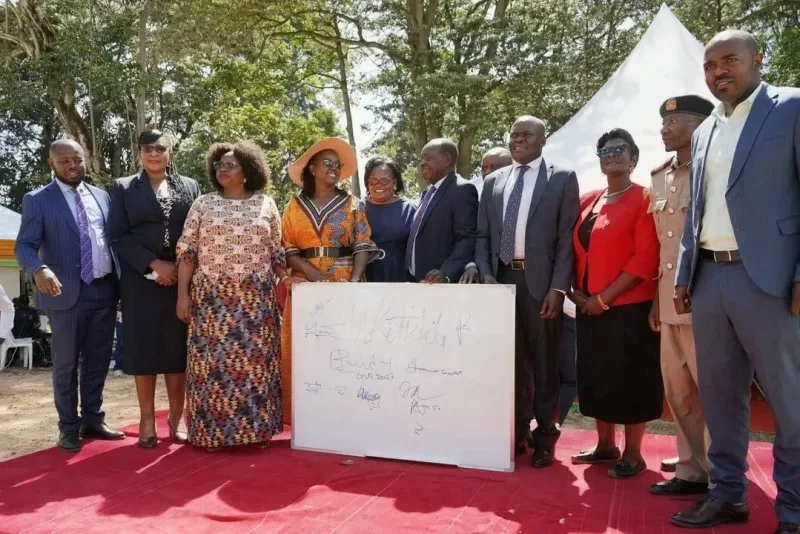
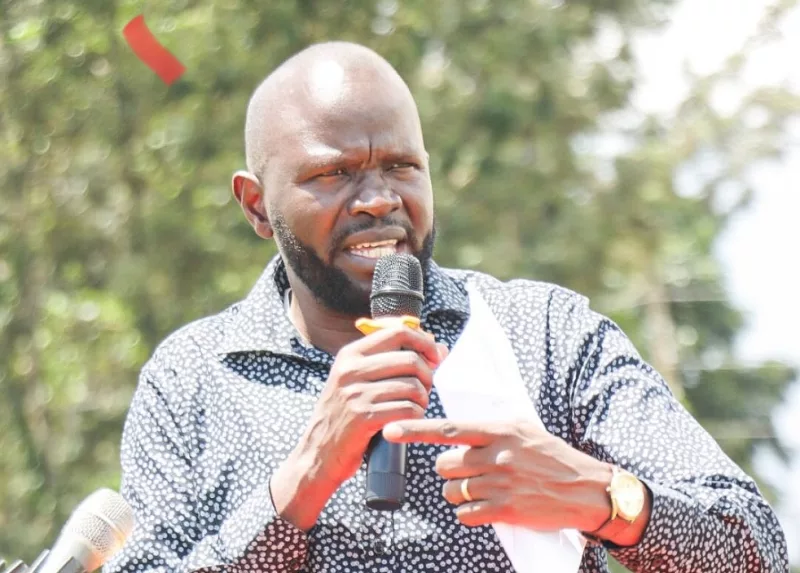
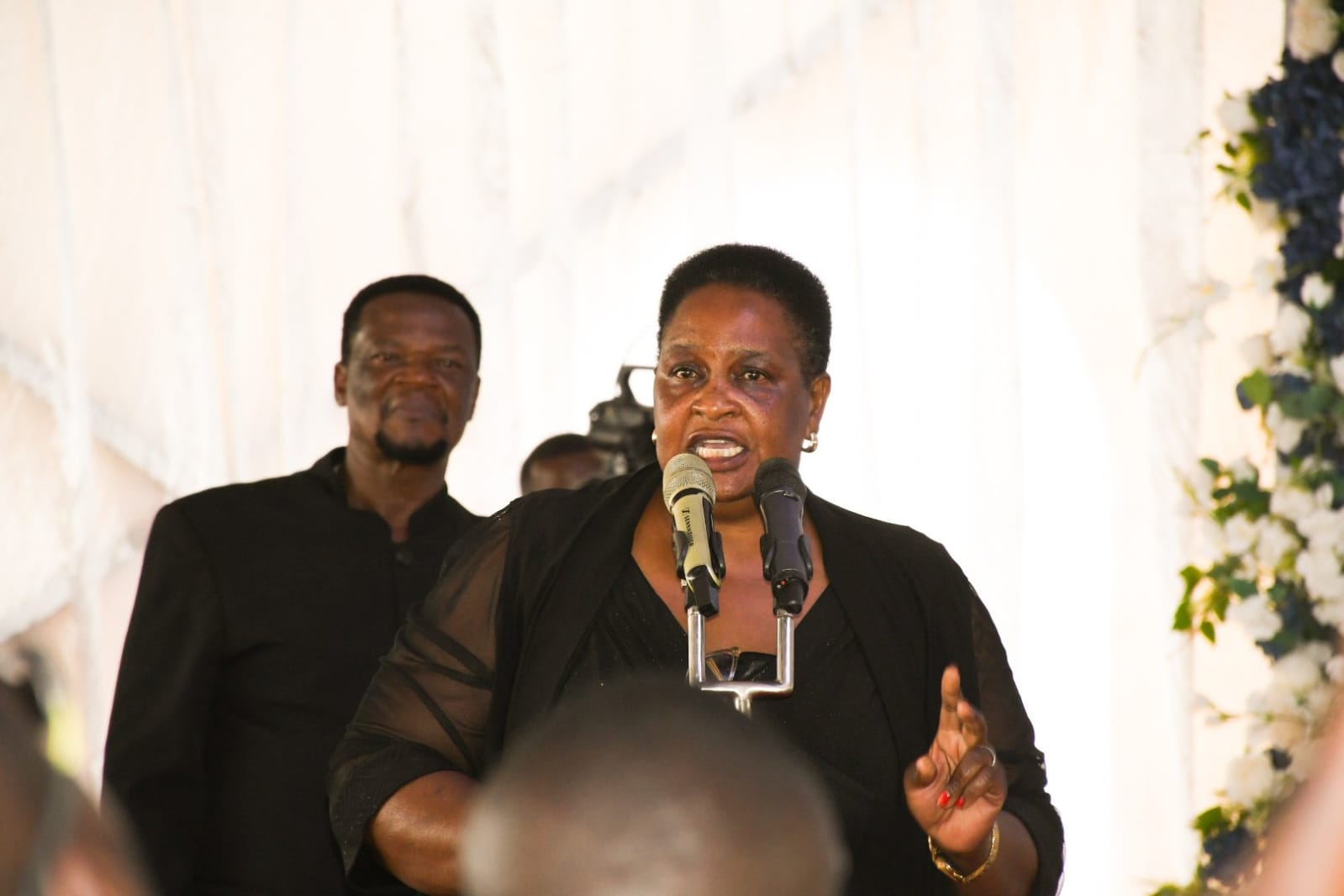
 Nominated Senator Consolata Wakwabubi at a past event/HANDOUT
Nominated Senator Consolata Wakwabubi has renewed calls for unity among Western Kenya leaders, arguing that cohesion is critical if the region is to benefit from the current broad-based government framework.
Speaking in the context of ongoing national realignments, Wakwabubi a member of the Standing Committee on National Cohesion, Equal Opportunity and Regional Integration, and the Select Committee on Delegated Legislation noted that Western Kenya has often suffered from fragmented leadership.
He said the situation has diluted Western Kenya’s bargaining power at the national level despite the region’s sizeable population and economic potential.
According to the Senator, unity among Luhya leaders across political parties and county boundaries isn't a new conversation but one that has been consistently raised by several leaders over the years.
She observed that while the region has produced influential national leaders, the absence of a common negotiating position has at times limited the impact of their engagement with the national government.
Wakwabubi pointed to regions such as Nyanza as examples of how coordinated political engagement can translate into stronger national influence.
In recent years, Nyanza leaders have demonstrated an ability to rally around shared regional interests while constructively engaging with the broad-based government, enabling the region to advance key development priorities despite internal political diversity.
She has argued that Western Kenya could adopt a similar model one that prioritises unity of purpose over partisan competition.
Such an approach, she said, would enhance the region’s ability to lobby for critical investments in infrastructure, agriculture, education, healthcare, and industrial development.
“Unity does not mean the loss of political identity,” the UDA Senator emphasized.
“It means agreeing on what matters most to our people and speaking with one voice when it comes to development.”
The Senator further noted that a united Western bloc would be better positioned to engage President William Ruto on long term development planning, ensuring that the region is not sidelined in policy formulation and resource allocation from the National Treasury
The idea of Luhya unity has long occupied a powerful but elusive place in Kenya’s political and social imagination. As one of the country’s largest communities, the Luhya are often spoken of as a natural political force, yet in practice this potential has rarely crystallised into sustained collective action.
Politically, the elusive nature of Luhya unity becomes most visible during election cycles. Repeated calls for a single Luhya political kingpin or a unified voting bloc tend to surface, only to dissolve under the weight of competing ambitions, regional loyalties, and shifting alliances.
Leaders emerging from the community frequently gain strong sub-tribal or regional followings but struggle to translate that support into a broader Luhya consensus.