Wajir Governor Ahmed Abdullahi has directed county
departments and partners to intensify drought mitigation measures to cushion
affected communities and strengthen resilience as the prolonged dry spell
persists.
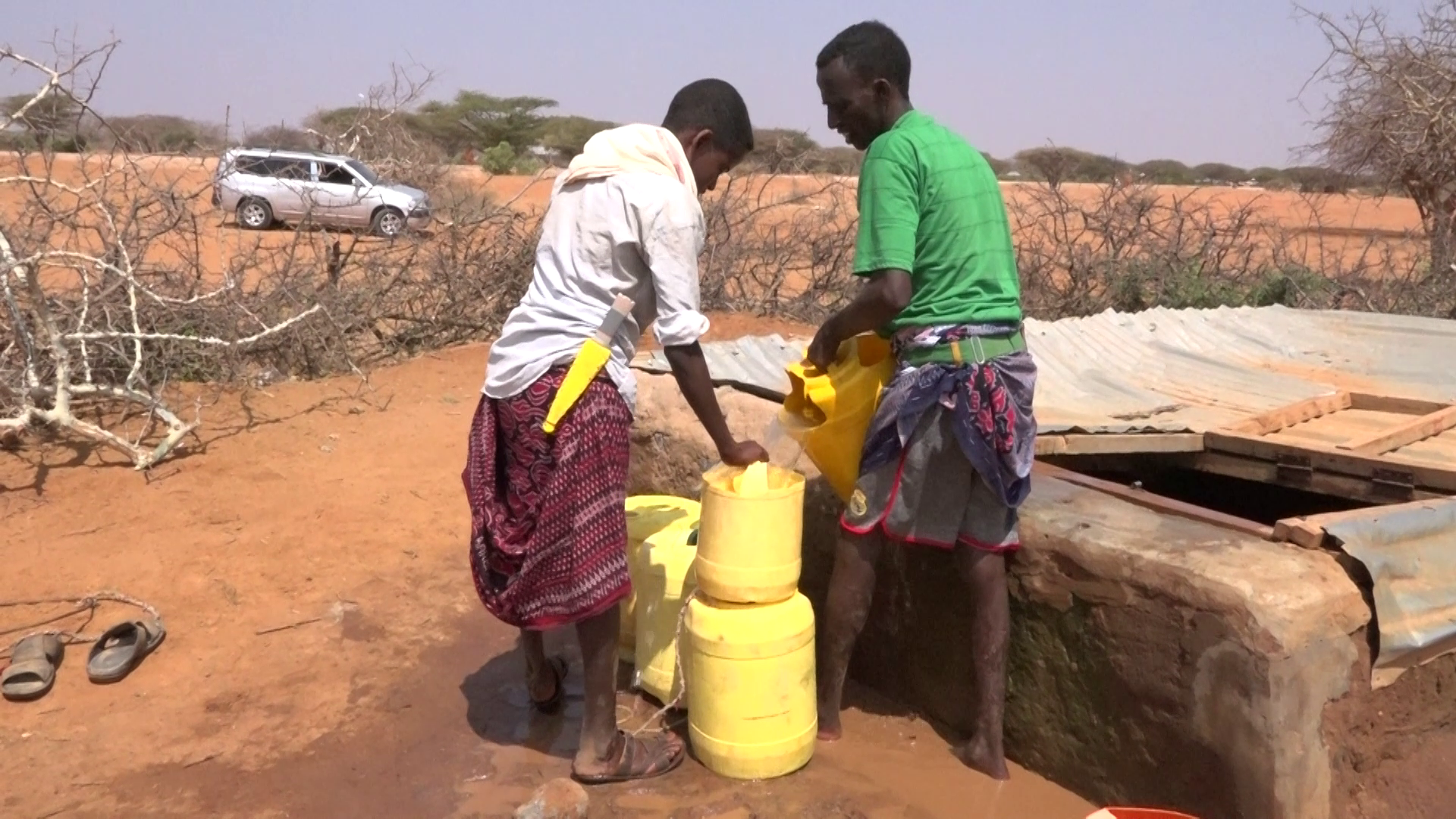
Key interventions include expanded water trucking to all
affected areas for both domestic and livestock use, with county-operated water
bowsers deployed across the county. The governor also called for a coordinated
and harmonised approach among all stakeholders involved in drought response
efforts.
Speaking on Monday while chairing a cabinet meeting attended by county executives,Abdullahi stressed that close coordination between the county and national governments, development partners, humanitarian agencies, community organisations and other stakeholders is critical to ensuring efficient use of resources.
He said improved coordination would help prevent duplication of interventions and ensure assistance reaches affected households in a timely and equitable manner.
During the meeting, the county executives reviewed the prevailing drought situation, assessing its impact on livelihoods, food security and access to water. Members were also briefed on mitigation measures currently being implemented to address the deteriorating conditions.
Governor Abdullahi, who also serves as Chairperson of the Council of Governors, received updates on ongoing interventions, including water provision, livestock support programmes and coordination with partners to assist vulnerable households.
He reaffirmed his administration’s commitment to effective service delivery, noting that the county government remains focused on responding decisively to the challenges posed by the drought.
“The county government will continue to prioritise timely and effective interventions to protect our people and their livelihoods, while strengthening long-term resilience against recurrent droughts,” Abdullahi said.
The executives also presented comprehensive updates on departmental performance and the status of ongoing programmes and projects across the county.
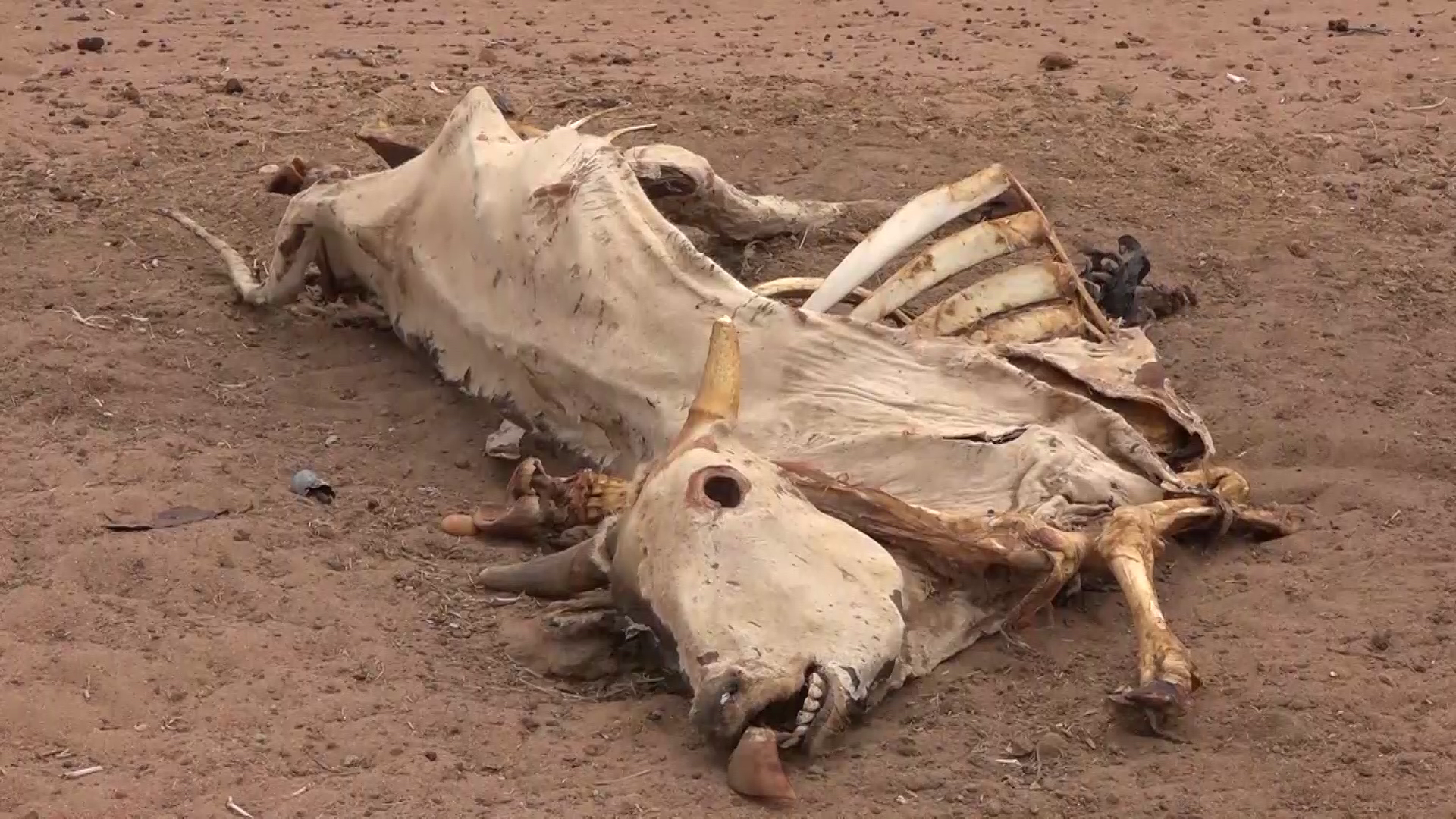
According to the National Drought Management Authority, Wajir is currently classified under the alarm drought phase, with conditions continuing to worsen following three consecutive failed rainy seasons: the October–December 2024 short rains, the failure of the March–May 2025 long rains and the October–December 2025 short rains.
As a result, livestock are trekking longer distances in search of water and pasture, leading to poor body condition and declining milk production. This has weakened household purchasing power and undermined food and nutrition security.
The most affected groups include children under five, pregnant and lactating women, older persons and persons with disabilities. The drought has also triggered increased livestock migration within Wajir and from neighbouring counties, raising concerns over growing pressure on scarce resources and the risk of conflict.
Last month, MPs from arid and semi-arid landscounties urged the government to declare the drought a national disaster, citing escalating distress among pastoralist communities.
Led by Eldas MP Adan Keynan, chair of the Northern Kenya Parliamentary Group, the legislators said a disaster declaration would unlock emergency funding, streamline humanitarian response and enable international partners to scale up interventions.