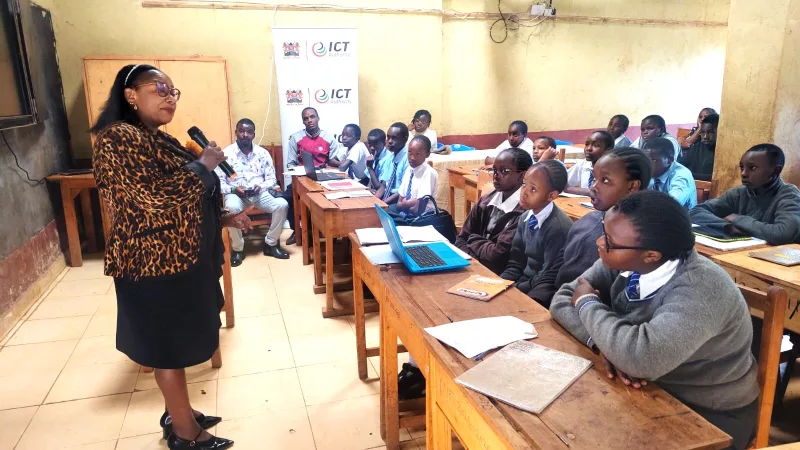
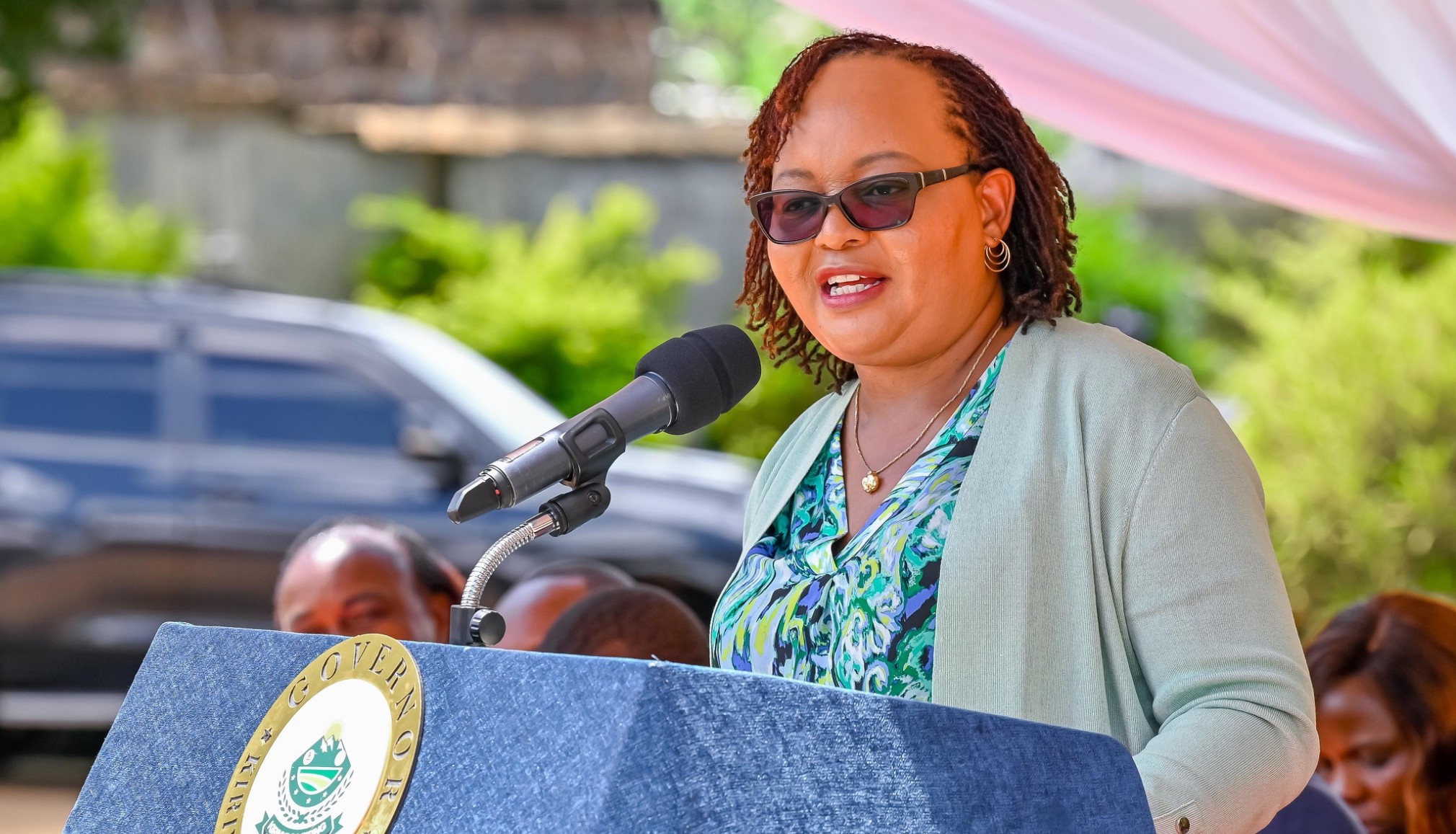
 Gichugu MP Gichimu Githinji at Githage Primary during the commissioning of newly constructed classrooms on January 20, 2026/ ALICE WAITHERA
Gichugu MP Gichimu Githinji has defended the management of the National Government Constituencies Development Fund, saying it continues to play a critical role in improving education and driving grassroots development.
Speaking after commissioning new classrooms at Githage Primary School in Kabare ward, Kirinyaga county, Githinji urged lawmakers to avoid attacking one another over the utilisation of the fund, noting that constituencies face different development challenges shaped by local conditions and historical infrastructure gaps.
“Every area has its own priorities. Development should be judged by how well projects respond to community needs, not by comparisons with other constituencies,” he said.
His remarks come amid a growing national debate over the management and future of the NG-CDF, which supports projects such as school infrastructure, bursaries for needy students and community security facilities.
Formerly known as the CDF, the kitty was renamed following amendments to the NG-CDF Act after a series of court rulings raised concerns over the role of MPs in directly overseeing development functions.
Critics argue the fund blurs the separation of powers between the executive and legislature, while supporters maintain it remains one of the most effective tools for reaching vulnerable communities at the constituency level.
Public attention has recently focused on Kiharu constituency in Murang’a county, where MP Ndindi Nyoro has been praised for rolling out visible education projects funded through the NG-CDF, including the Kiharu Masomo Bora programme aimed at improving learning outcomes.
The programme has seen the construction and renovation of classrooms in public primary schools, equipping of science laboratories, provision of desks and learning materials, and support for academic clinics and performance benchmarking.
The Kiharu NG-CDF has also subsidised education for day secondary school students, reducing fees to Sh500 to improve access and reduce dropout rates.
These developments have sparked comparisons with other constituencies, with Suba East MP Junet Mohamed among leaders questioning how some MPs achieve such progress.
However, Githinji dismissed claims of skewed funding, insisting that development should be assessed based on impact rather than appearance or scale.
He cited projects in Gichugu where NG-CDF resources have been used to rehabilitate schools, improve learning environments and support community initiatives aimed at raising education standards.
“The fund has played a key role in building classrooms, improving security infrastructure and ensuring students from vulnerable backgrounds stay in school through bursaries,” he said, defending the continued existence of the fund against calls for its abolition.
Teachers and parents in Gichugu have welcomed the projects. Githage Primary School head teacher Anastacia Kiragu said the school previously struggled with leaking roofs and damaged floors, affecting student safety and performance.
“With the new classrooms and renovations, our pupils now have a safer and more conducive environment for learning,” she said.
As the national conversation continues, lawmakers across the divide have called for reforms to strengthen transparency and accountability in the management of the fund, while preserving what supporters describe as its positive impact on education and community development.