

Read Also
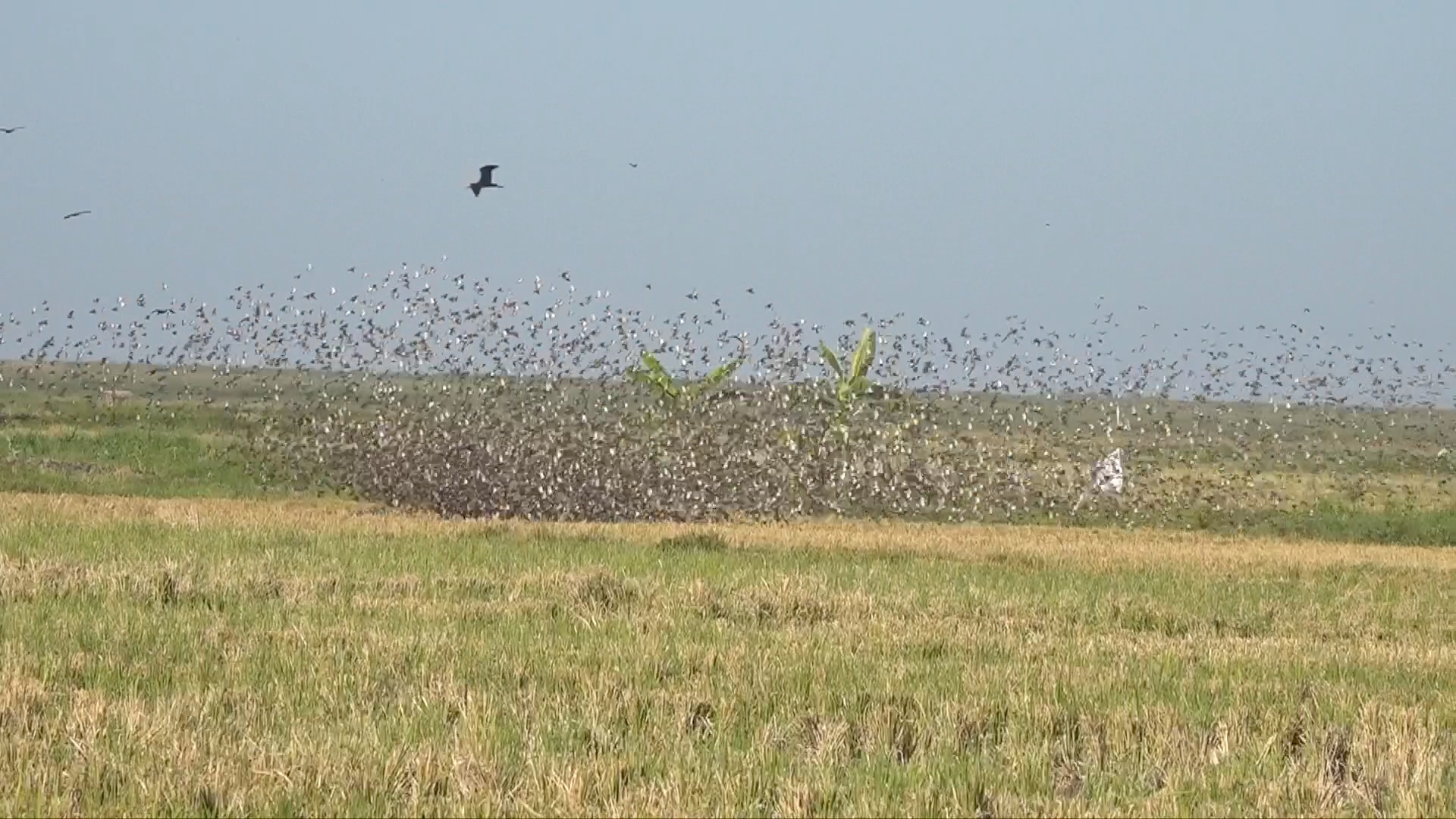
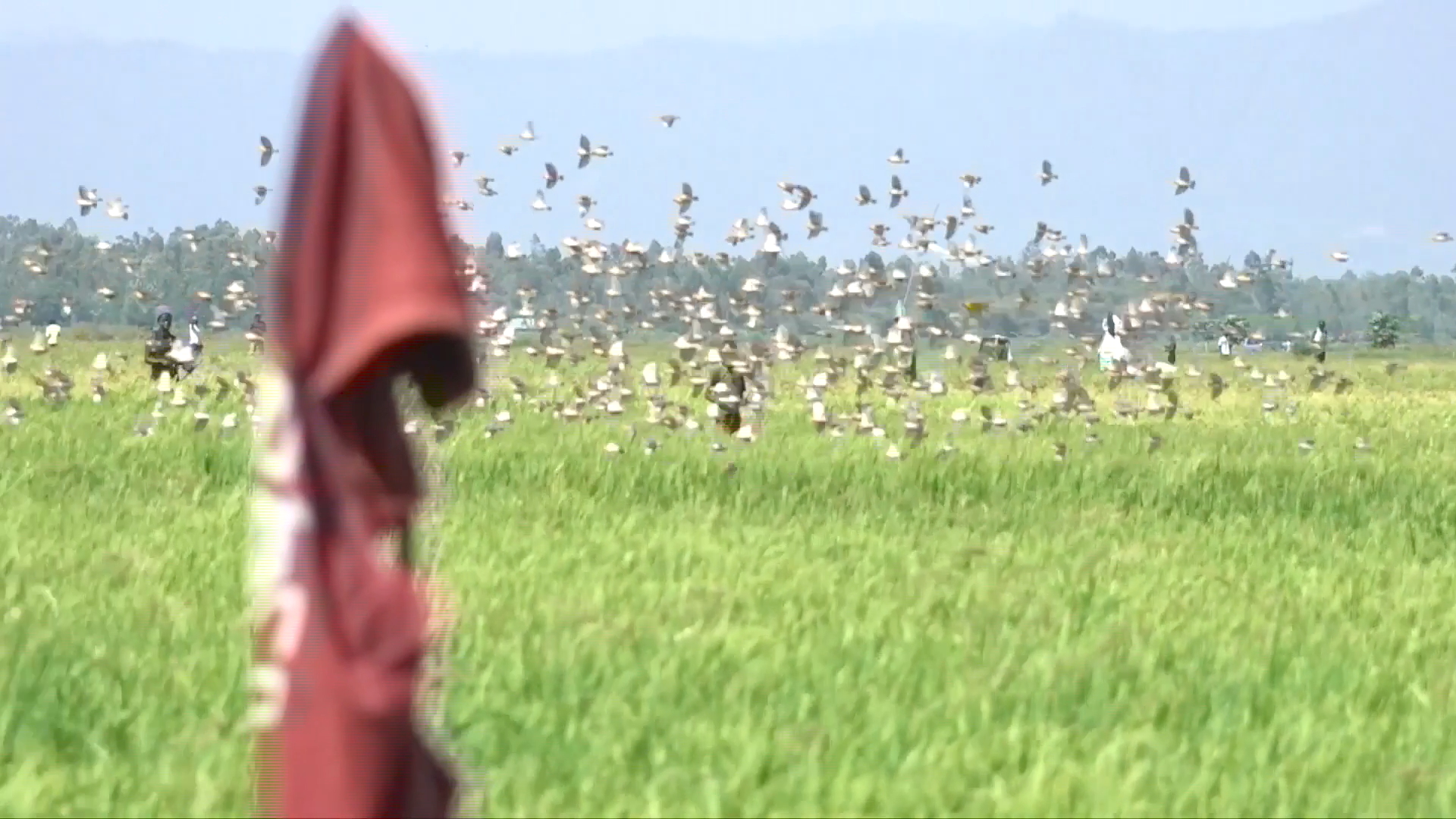
Kisumu county has launched an emergency operation to contain an invasion of an estimated five million quelea birds that have descended on rice-growing schemes, threatening at least 800 acres of crop and raising fears over food security.
The birds have established major night roosts in dense reeds and papyrus vegetation within the West Kano Irrigation Scheme in Nyando, with two confirmed sites in Obange and Ambo areas.
County surveillance reports show the roosts are hosting millions of birds feeding aggressively on rice at panicle initiation and early harvesting stages.
Agriculture executive Kenneth Onyango said the county moved swiftly after receiving an alert last week, engaging the State Department for Agriculture and the Directorate of Plant Protection and Food Safety, which has deployed crop protection officers to the affected areas.
“We met the team this morning and briefed them precisely on what is happening. They are already on the ground assessing the extent of damage and recommending immediate remedies,” Onyango said.
According to the county, about 800 acres of rice are under immediate threat, with farmers already reporting heavy losses.
Onyango said this is the second invasion in three years, noting that drones were used during the previous outbreak to spray and disperse the birds.
“The danger posed by these birds is enormous. Their numbers are high. We have mapped the exact coordinates of the roosts and plan to spray them within the next one to two days using drones as part of an integrated control strategy,” he said.
The state department team arrived with approved pesticides ready for spraying.
Onyango said scaring alone is labour-intensive and largely ineffective at this scale, while targeted spraying has proven more effective.
“We are working closely with the national government. We are hopeful that within the next two days the situation will be brought under control so farmers can reap from the labour they have invested,” he added.
Hesbon Agina, a crop protection officer from the Directorate of Plant Protection and Food Safety, said the team is assessing whether spraying will be conducted using motor vehicles fitted with pumps or through aerial methods, depending on bird concentration and movement.
He said additional technology-based scaring and other approved measures may also be deployed.
Kisumu County Crop Protection Officer Thomas Oganda said West Kano is the most affected, with multiple blocks already reporting damage.
In South West Kano alone, 37 blocks covering about 3,500 acres have been affected.
Other schemes, including Ahero in Muhoroni subcounty, have also reported bird activity, while birds have migrated from areas such as Chiga in Kisumu East.
Despite the planned intervention, farmers say losses are already mounting.
At West Kano, growers report that at least 94 acres have been destroyed in the past week as massive swarms descend on the fields daily, wiping out crops nearing harvest.
Each morning, farmers abandon other duties to clap, shout and throw stones in a desperate bid to save their fields, but with little success.
“In a few minutes they clear an entire section. You chase them from one farm and they move to the next. When you return, they are back again,” said Samwel Owino, a farmer.
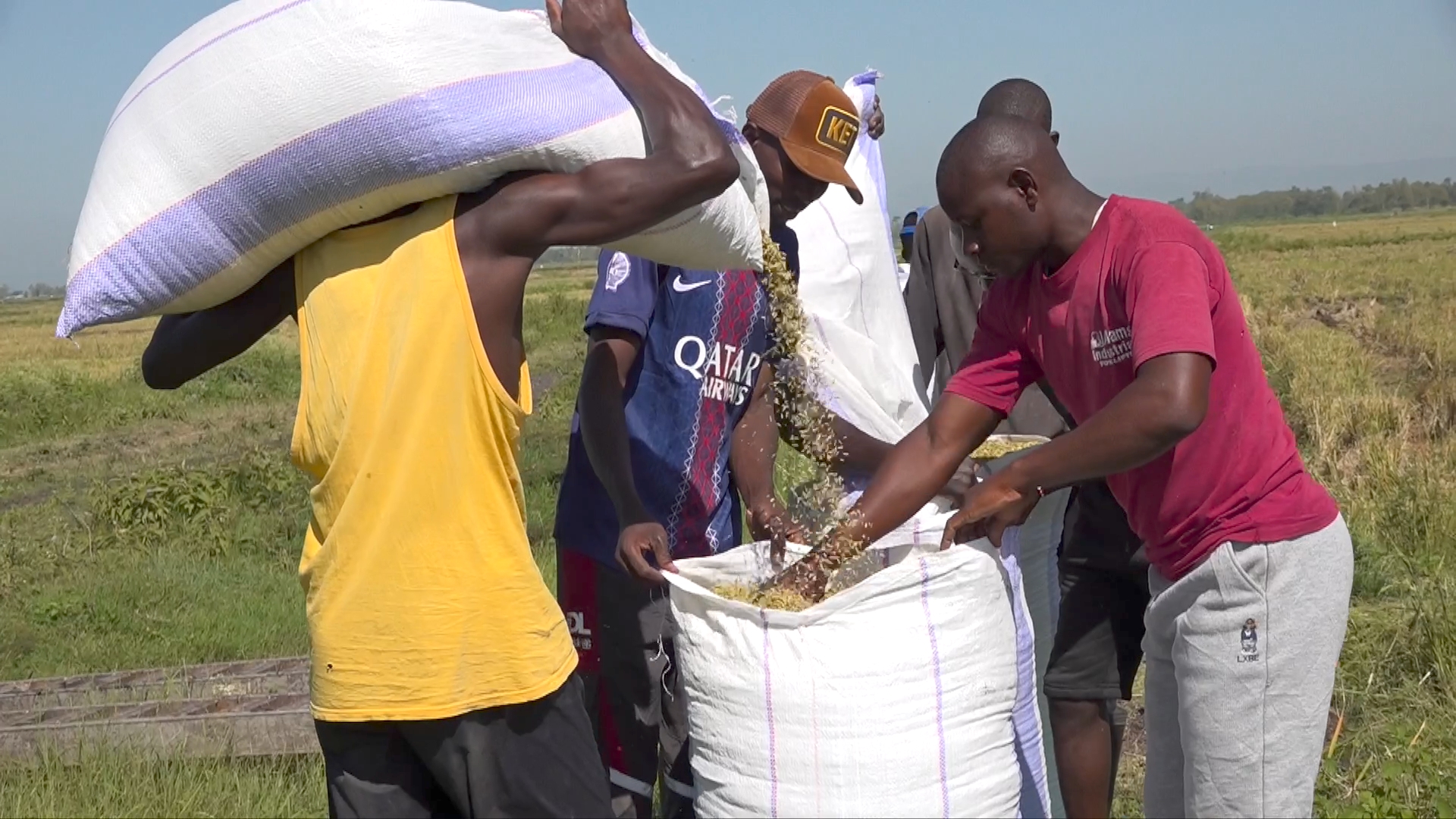
The destruction has intensified over the last 10 days, forcing some farmers to harvest prematurely to avoid further losses, a move that significantly reduces yields and income.
“I was expecting about Sh200,000 per hectare, but that will not happen anymore. The birds have destroyed almost everything,” said Odindo, who estimates his losses at about Sh60,000.
Cosmas Anyango said he has lost produce worth about Sh200,000, while Emanuel Randa, a farmer in Block H, said this year’s invasion is the worst he has experienced in six years of rice farming.
“Normally I would harvest about 100 sacks from my two hectares, but now I am getting only 35,” Randa said.
Kenya produces an average of about 230,000 tonnes of rice annually against a national demand of more than one million tonnes, making the country heavily dependent on imports.
Farmers warn that recurring bird invasions threaten to undermine government efforts to boost local rice production through irrigation schemes such as West Kano.