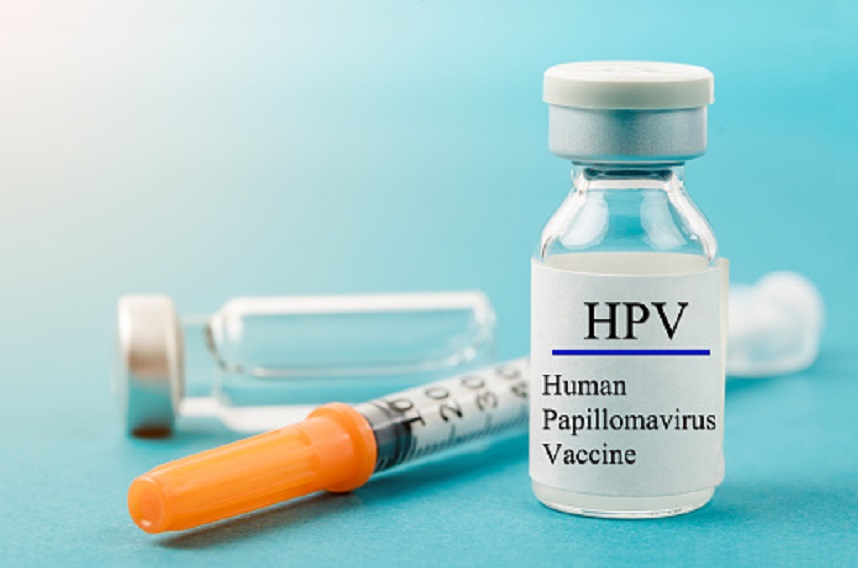
 Human Papillomavirus Vaccine / photo Procare hospital
Cervical cancer continues to pose a serious threat to women in Kenya, claiming thousands of lives every year, straining families and the health system.
According to the Global Cancer Observatory (GLOBOCAN), approximately 5,845 Kenyan women are diagnosed with cervical cancer annually, while about 3,600 die from it, highlighting the urgent need for intensified prevention and treatment efforts.
The World Health Organization (WHO) reports that cervical cancer in Kenya is the leading cause of cancer‑related deaths among women and the second most common cancer overall after breast cancer.
Cervical cancer is a malignant growth that develops in the cervix and is primarily caused by persistent infection with high-risk types of human papillomavirus (HPV), a common sexually transmitted virus.
According to WHO, these persistent infections lead to abnormal cellular changes in the cervix. If left untreated, such changes can progress slowly over 15 to 20 years from precancerous lesions into invasive cancer.
Ms. Benda Kithaka, a health advocate, revealed that in Kenya early vaccination is done to young girls before they become sexually active.
“WHO recommends that young girls should be vaccinated by the age of 9-15 against the human papillomavirus, but in Kenya we normally vaccinate girls around the age of 10 before they get sexually active,” she said.
Most women acquire HPV soon after becoming sexually active, but in the majority, the immune system clears the virus naturally. When the infection persists, however, precancerous changes can develop into cancer over many years.
For women with weakened immune systems, such as those living with untreated HIV, progression can occur more quickly, sometimes within five to ten years.
HPV itself is a group of more than 200 related viruses transmitted primarily through sexual contact or close skin-to-skin contact. While most infections cause no symptoms and are naturally cleared within one to two years, some high-risk types persist and trigger precancerous changes in the cervix.
Persistent infection with these high-risk HPV types is the principal cause of cervical cancer. Certain low-risk HPV types may cause genital warts, which appear as small, sometimes itchy or painful bumps on the genital or anal area.
Ms. Kithaka explained that cervical cancer is often silent in its early stages, making early detection critical.
“As the disease progresses, women may experience abnormal vaginal bleeding such as bleeding after sexual intercourse, between periods, or after menopause unusual vaginal discharge that may be bloody or foul-smelling, and pelvic pain or pain during intercourse,” she said.
The National Cancer Institute of Kenya urges women to do regular screening, such as HPV testing or Pap smears to allow detection of precancerous lesions so they can be treated before developing into cancer
Other measures that reduce risk include practicing safe sex, limiting the number of sexual partners, quitting smoking, and maintaining a healthy immune system.
When detected early, cervical cancer is highly treatable. Ms. Kithaka notes that treatment options include surgery, radiation therapy, chemotherapy, or a combination of these approaches, depending on the stage of the disease and the patient’s health. Even cancers diagnosed at more advanced stages can be managed effectively with appropriate care, including palliative support.
WHO warns that since HPV infection itself cannot be cured, treatment tends to focus on managing virus-related conditions and allowing the immune system to clear the infection naturally.
January being World Cervical Cancer awareness month, parents and guardians are urged to take their daughters aged 9–15 years for HPV vaccination in accordance with WHO’s 90-70-90 strategic plan providing a clear roadmap of 90% of girls fully vaccinated against HPV, 70% of women screened for cervical cancer in their lifetime and 90% of women diagnosed with cervical cancer treated offering hope that fewer women will succumb to cervical cancer in the coming days.




![Africa CDC Director General Dr Jean Kaseya at a past event. [Photo: Arthur Mbuguah, WHM]](https://cdn.radioafrica.digital/image/2026/10/8ced213c-affb-4dff-97ca-1b6bac1f958e.webp)