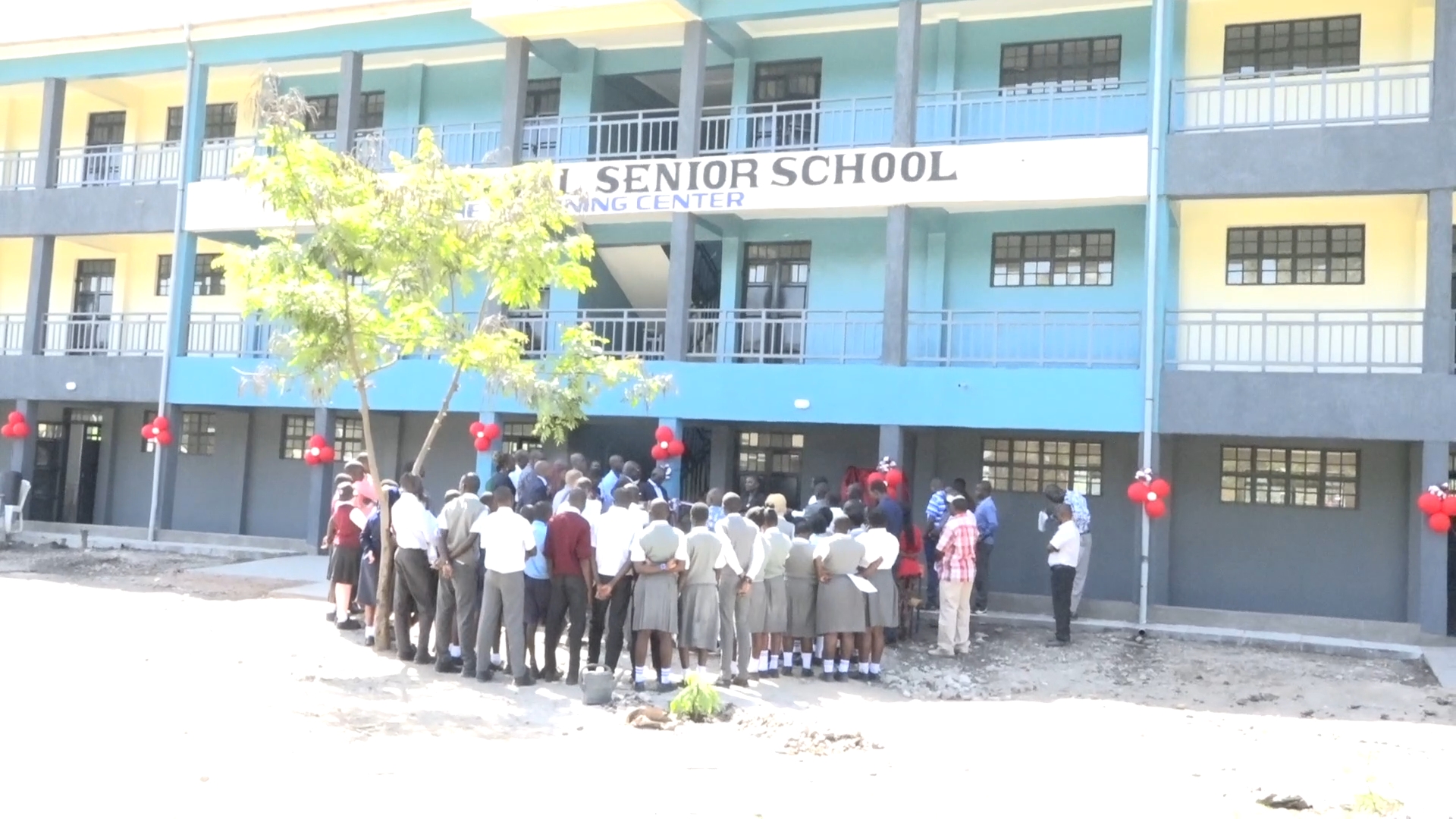
 Kibos Special Secondary School commissions 12-classroom complex worth Sh40 million /Faith Matete
 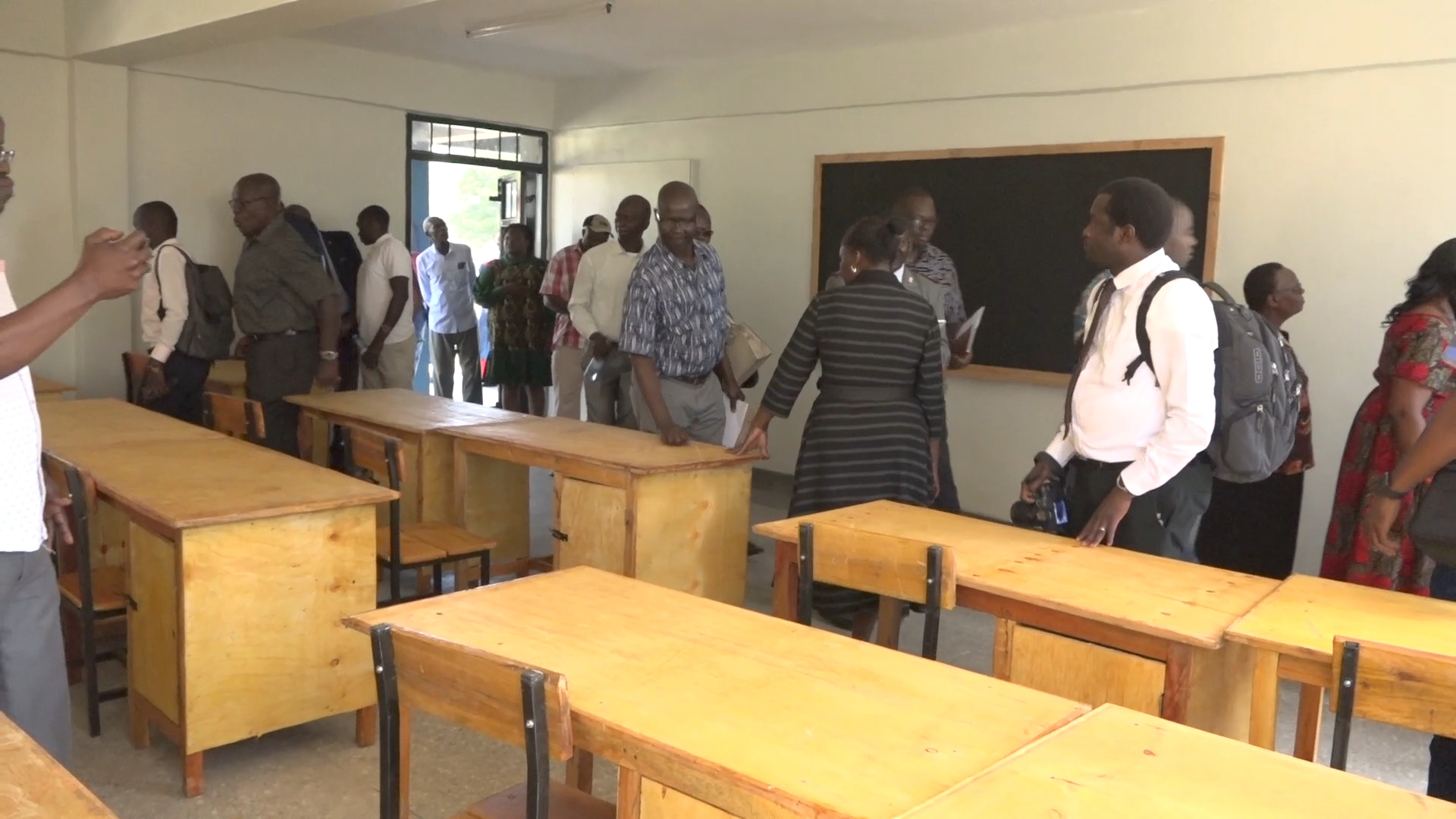 Kibos Special Secondary School receives Sh40 million classroom block /Faith Matete
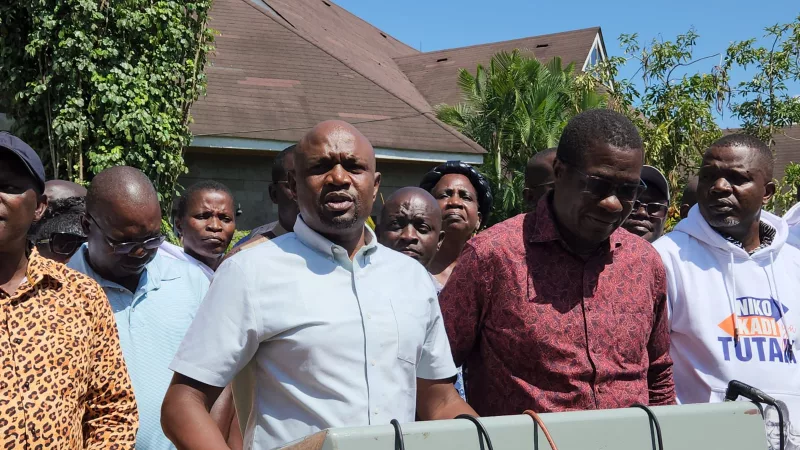
 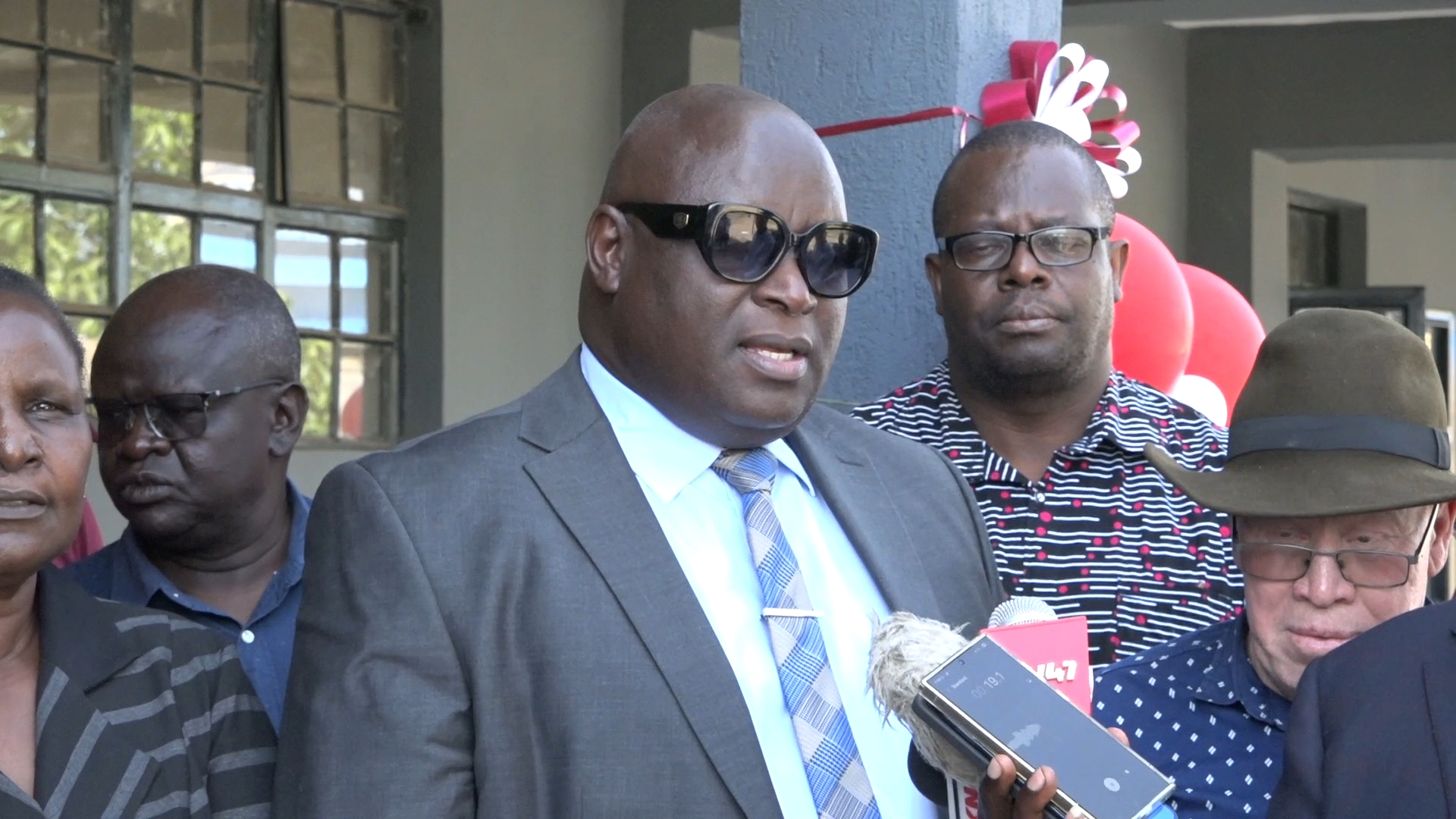 Director of Special Needs Education at the Ministry of Education Frederick Haga /Faith Matete
 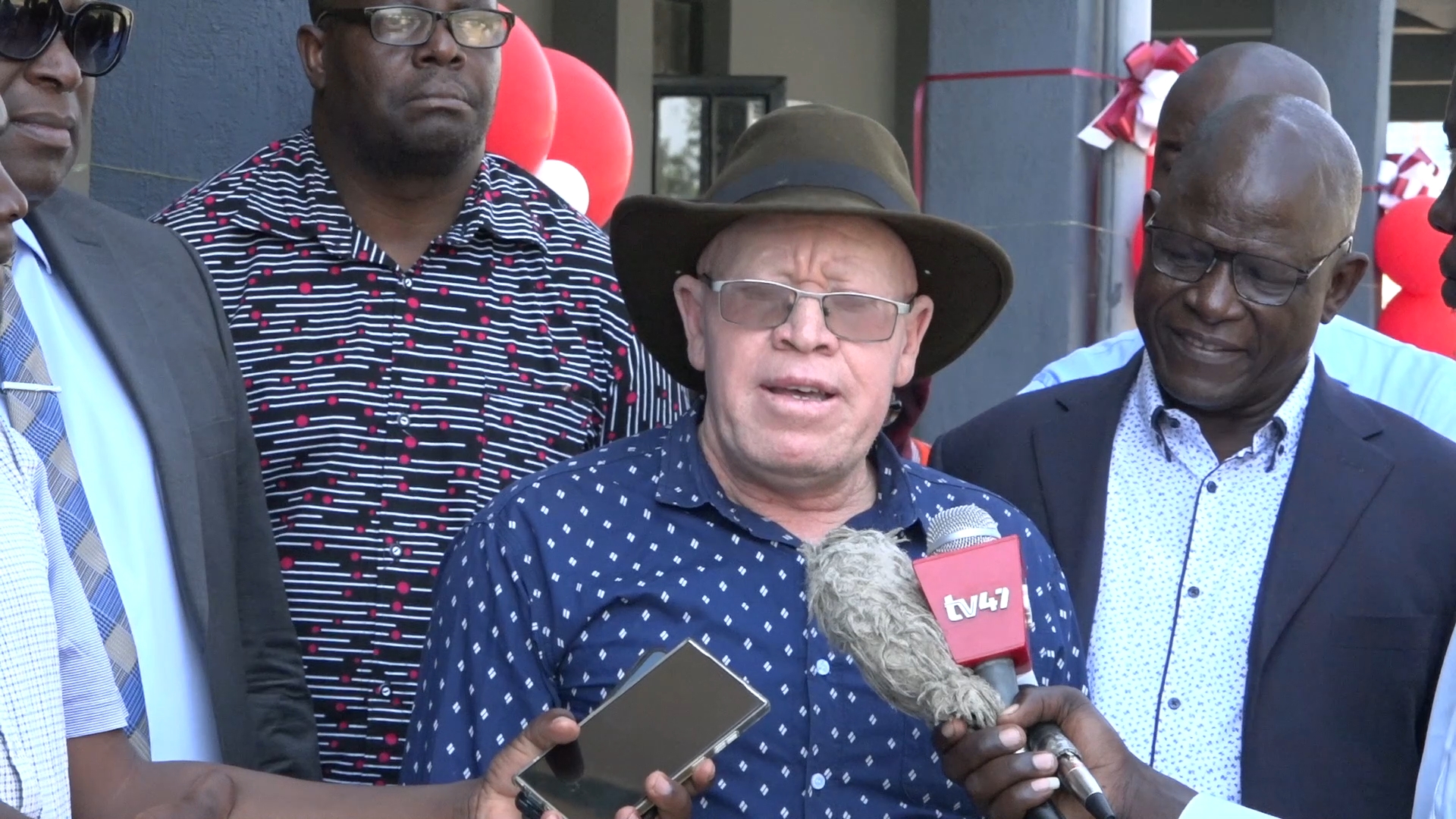 School principal Joshua Ombaya /Faith Matete
 Kibos Special Secondary School in Kisumu county has commissioned a Sh40 million 12-classroom complex, a major boost to learning infrastructure for students with visual impairment amid persistent gaps in special needs education.
Director of Special Needs Education at the Ministry of Education, Frederick Haga, said the project was financed by the Church of Jesus Christ of Latter-day Saints in collaboration with other partners, aligning with government efforts to enhance access, equity and infrastructure in special needs institutions.
He said the investment extends beyond the construction of the classrooms, explaining that equipping them with specialised desks and seats for learners with visual impairment significantly increases the overall cost.
“This block alone is valued at more than Sh40 million. When you factor in the specialised furniture, you begin to appreciate the scale of investment that has gone into this facility,” Haga said.
He said the new classrooms demonstrate the ministry’s commitment to ensuring learners with disabilities access education in safe, inclusive and well-designed environments.
“The standard of this block is very high. It offers comfort to learners and, most importantly, has been designed with accessibility in mind for all students who will use it,” Haga said.
School principal Joshua Ombaya said the facility is expected to further improve academic outcomes for learners with visual impairment, whose performance at the institution has shown consistent progress.
“Our learners with visual impairment have continued to post impressive results and this motivated the development of a facility that meets their specific learning needs,” he said.
Ombaya said the school operates an integrated learning system, admitting a small number of learners without visual impairment alongside those who are blind or have low vision to promote inclusion and social interaction.
“We do not segregate learners with visual impairment. Integration helps them interact early and prepares them to participate confidently in the wider society after completing school,” he said.
Ombaya said the school is seeking partnerships to expand its boarding facilities, noting an incomplete dormitory is planned for upgrading into a two-storey building.
He said student enrolment is expected to grow to about 800 within the next two years, comprising learners who are blind, those with low vision and a small number without visual impairment.