Recent developments in United States foreign policy should give Kenya and other African countries pause.
Washington’s immigration and health strategies increasingly reflect an ‘America First’ approach that prioritises US domestic politics over mutually respectful partnership.
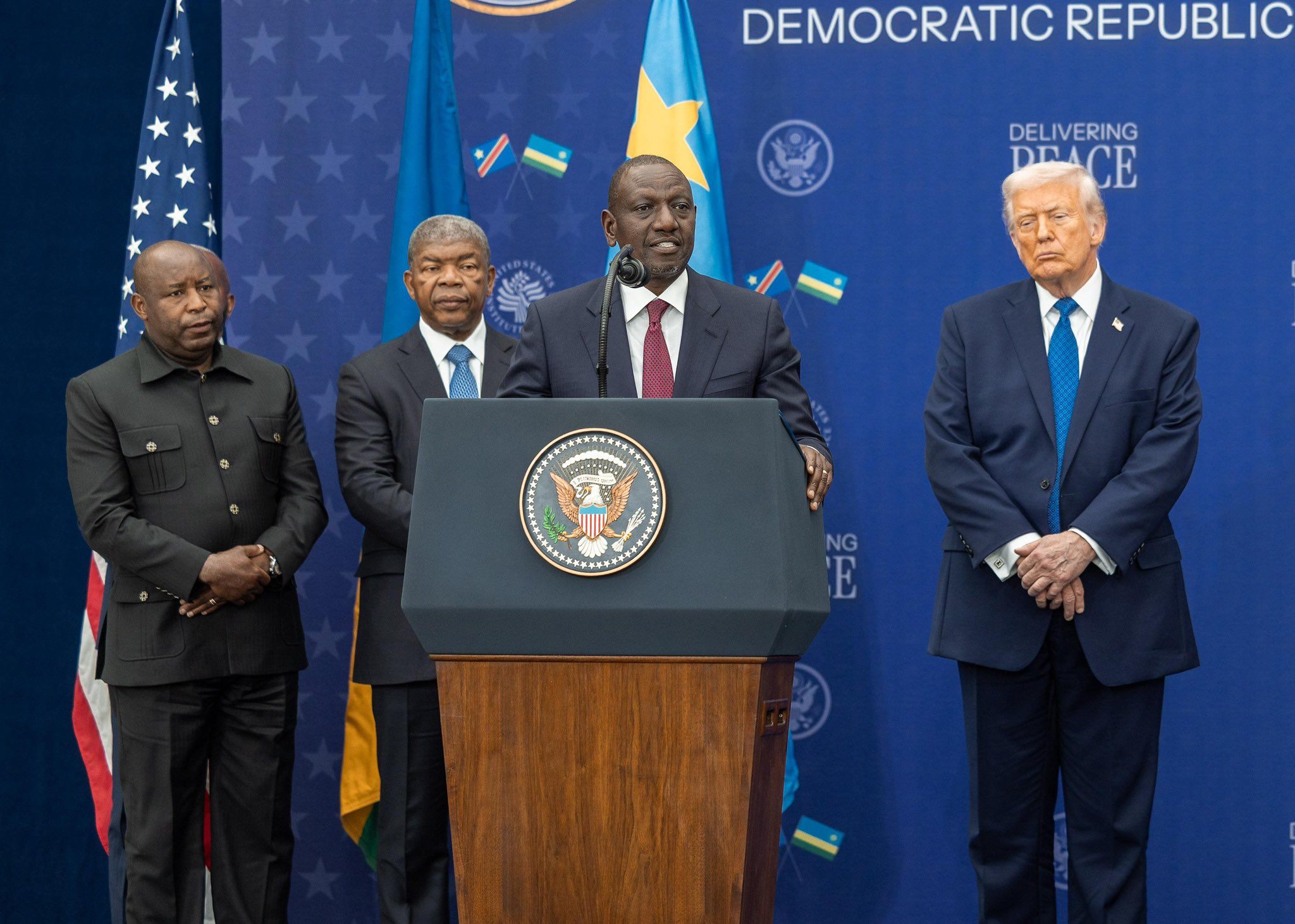
On Wednesday, the US State Department announced an indefinite pause on immigrant visa processing for citizens of 75 countries, citing security and public-charge concerns. Kenya and Burundi were notably spared, but many of Kenya’s neighbours, including Nigeria, Tanzania, and Somalia, face visa suspensions or restrictions.
This broad travel policy, affecting countries across Africa, the Middle East and beyond, signals a shift away from global cooperation toward an imperialist worldview. Visa restrictions, shorter visa validity and costly bond requirements for travellers from African nations not only inconvenience ordinary people but also strain diplomatic goodwill.
At the same time, Washington is rolling out a new ‘America First’ global health strategy gives US actors extensive access to Kenyan health data and systems, and favour American companies in ways that may not align with Kenya’s wider public health priorities.
Beyond these, US military action in Venezuela, involving air strikes and the capture of political leaders, has drawn criticism from governments and civil society worldwide for breaching international norms.
South Africa explicitly condemned US intervention in Venezuela as an embodiment of ‘American imperialism’ and called for respect for sovereignty and international law.
Strong nations exercising power are inevitable. But the world cannot stand by when policies burden the most vulnerable or undermine mutual respect between nations.
The US, as a global actor, must reflect on how its policies affect others and work toward genuine cooperation.
“It is by no means an irrational fancy that, in a future existence, we shall look upon what we think our present existence, as a dream.”
Edgar Allan Poe
The American writer, poet, editor, and literary critic who is best known for his poetry and short stories was born on January 19, 1809