The Committee on the Implementation of the Ten Point Agenda and NADCO report has escalated its activities as the clock ticks to the decisive first anniversary.
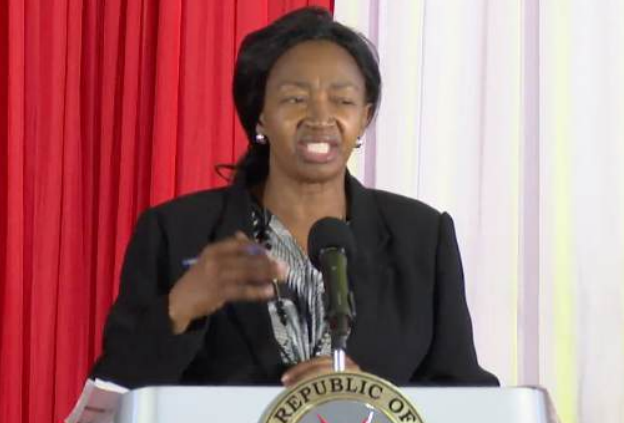
The team chaired by former nominated senator Agnes Zani was formed on March 26 last year to take stock of the implementation status of the agreements reached by late Prime Minister Raila Odinga and President William Ruto.
Other members of the five-member committee include Fatuma Ibrahim, Kevin Kiarie, Gabriel Oguda and Javas Bigambo serving as members.
The report is expected to affect the ongoing talks between ODM and UDA especially whether the opposition party will back Ruto’s re-election bid.
The Orange Party has in the past insisted on the full implementation of the 10-point Memorandum of Understanding (MoU) as a condition for the re-election support.
March 26 will mark one year since the Zani-led team was constituted to track the implementation between process between Ruto’s UDA and Raila’s ODM.
On Thursday, ODM’s coordinating council of county chairs warned against the party entering any political deal without full implementation of the 10-point agenda.
“In honour of our departed party leader, we call for the full and proper implementation of the 10-point agenda and that no further agreements or arrangements be entered before the said agenda is fully implemented,” the council warned.
“We call for the respect of the last wishes of our late party leader Rt Hon Raila Odinga who publicly directed on September 22, 2025 that ODM remains a distinct political party with the aim of fielding all candidates including a presidential candidate for the 2027 General Election.”
They demanded that the party secretary general Edwin Sifuna gives a status implementation report.
“We call on the relevant party organs and more specifically the secretary general of the party to provide a Status Report on the implementation of the 10-Point Agenda before the expiry date of 26/03/2026,” the chairs added.
As the anniversary approaches, the team has intensified consultations with government agencies and key institutions while finalising its report.
In the last one week, the team has been to at least three government agencies as it assesses the implementation status of the MoU.
Some of the agencies it has met include Kenya National Human Rights Commission, the National Treasury, head of Public Service Felix Koskei.
The engagements are aimed at ensuring the final document reflects both the political commitments and the practical realities within government.
At the human rights commission, the Zani team tabled a memorandum outlining key issues falling within the commission’s mandate, for consideration, input and formal submission to the committee.
The commission submitted its institutional views on the NADCO Report and 10-Point Agenda drawing from its mandate on the promotion, protection and monitoring of human rights, investigation of violations, review of legal and policy safeguards, monitoring of places of detention, rights of peaceful protests and oversight of State compliance with national and international human rights obligations.
At the Treasury, the committee deliberated on the cost of living and related issues, entrenching funds into constitutional institutions and devolving and the transfer of funds allocated to devolved functions under article 186 of the constitution.
“Others issues raised in the memorandum to the National Treasury include increasing equitable share and budgetary allocation to counties and ensuring timely and predicable disbursement of funds to devolved units as well as the control and management of public expenditure in both national and county governments,” the committee said in a statement.
“Mbadi said his team of experts will work on the issues raised by the committee and prepare a detailed report by end of this month.”
The report is expected to be a defining moment in the evolving relationship between UDA and ODM.