As one of Kenya’s newest cities, Eldoret has been a major beneficiary of donor grants, thanks to its role as the North Rift’s economic hub and a key gateway to the East African Community.
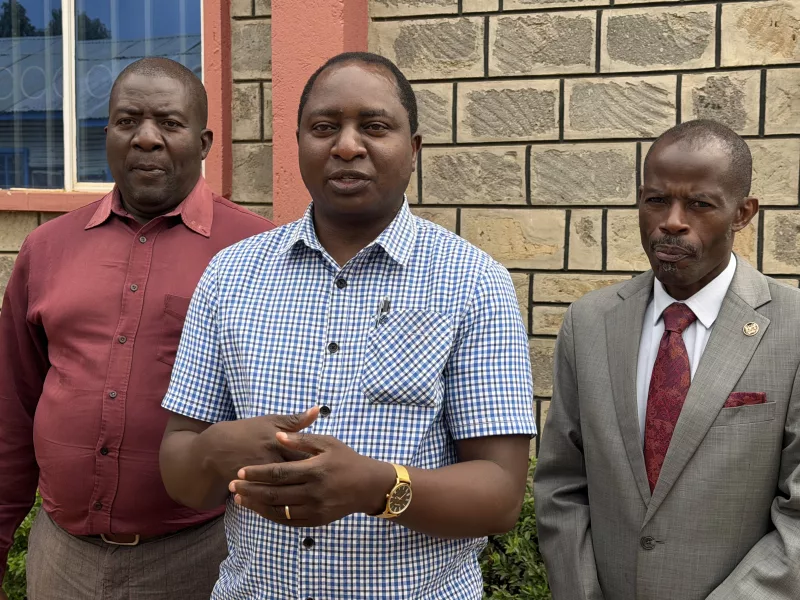
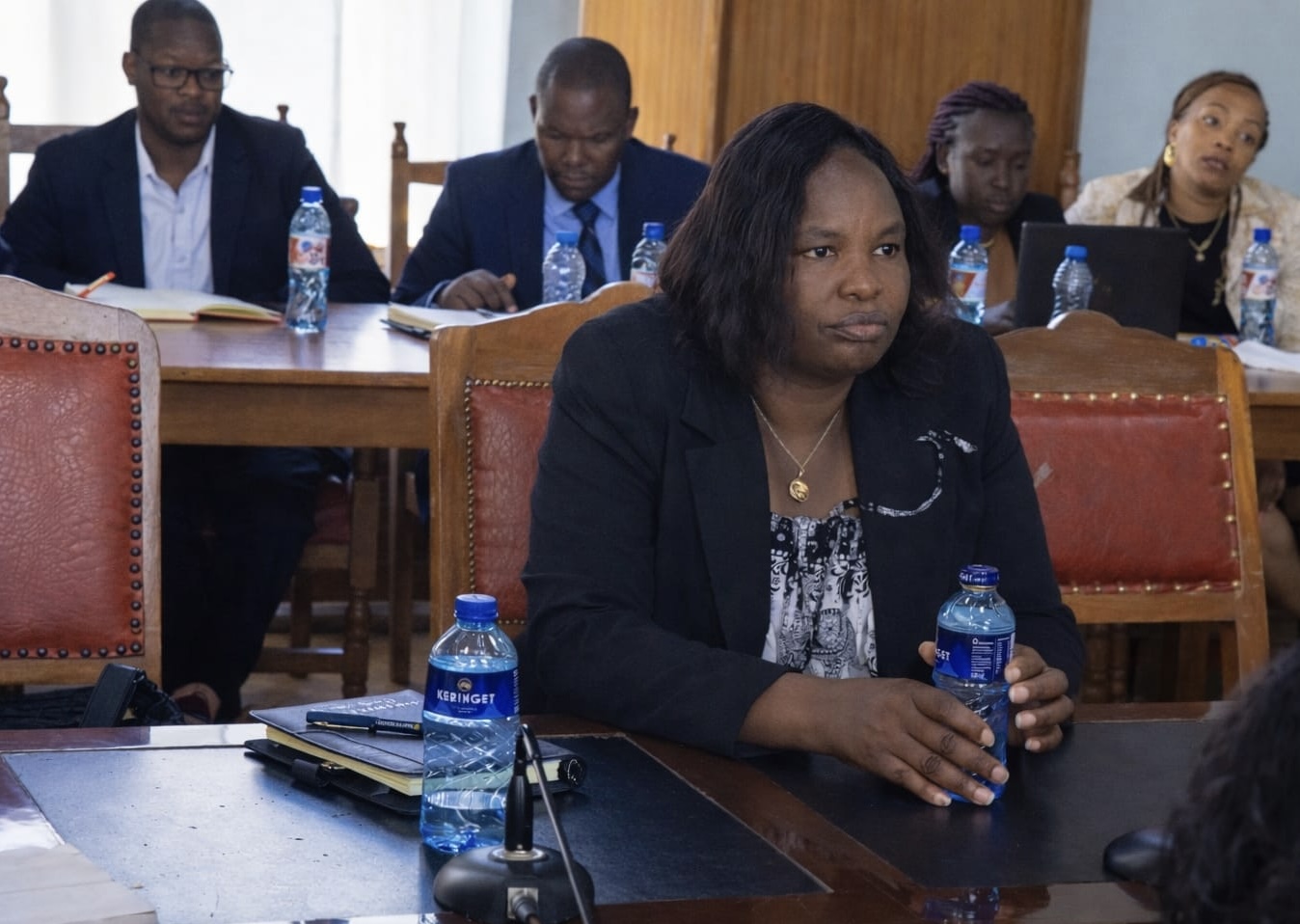
Speaking during a consultative meeting of the KUSP II National Project Coordination team in Eldoret, city manager Elseba Busienei reaffirmed the administration’s commitment to high-quality project implementation.
“It is always our agenda and commitment to ensure that projects are implemented to the best standards for the benefit of the people of Eldoret and Kenya as a whole,” she said.
Busienei added that the city is engaging in consultative meetings ahead of the next funding phase, remaining committed to timely reporting and full compliance to secure maximum support.
County secretary Philip Meli emphasised the importance of sound financial management and close supervision of projects, while deputy speaker Sarah Malel said the legislature is working closely with the executive to improve residents’ lives.
Nicodemus Mbwika from the Council of Governors, who facilitated the report on project implementation, urged the city management to collaborate with residents and key stakeholders to ensure project success.
The meeting was attended by county executive for lands and urban development Edward Sawe, finance executive Micah Rogony, chief officer for urban development Mary Kerich, county attorney Sylvester Metto, directors, as well as city and county staff.
The World Bank has previously supported several projects in Eldoret under the Kenya Informal Settlements Improvement Project, focusing on improving access to basic services and tenure security in informal settlements.
Completed projects include roads and upgrades in seven settlements—Segero, Mwanzo, KK, Kasarani, Shauri, Kipkaren, and Maili Nne—improvement of drainage systems, creation of green spaces, construction of ablution blocks, and installation of high-mast lighting to enhance safety and security.
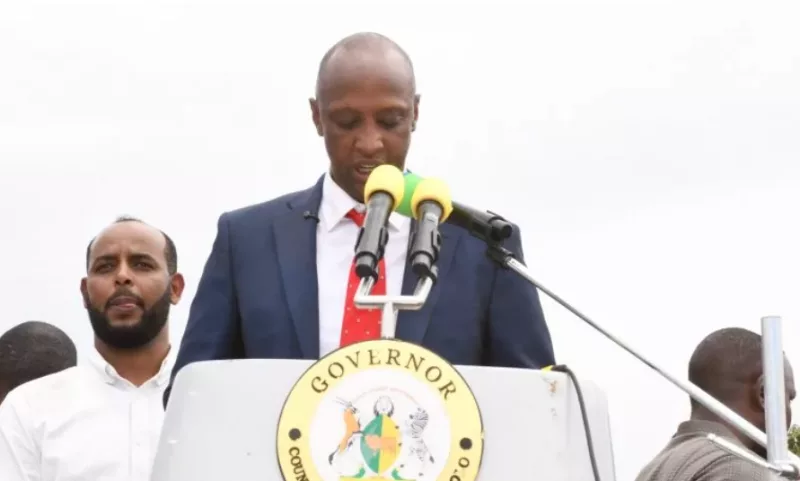
Governor Jonathan Bii said the infrastructure projects have helped modernise targeted settlements and transform the city.
“The new projects will cover additional settlement areas within the city. We are grateful to the World Bank and other development partners who are helping us implement these life-changing initiatives,” he said.