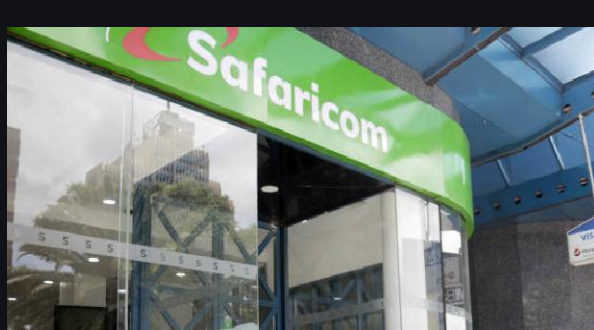
The Kenya Bankers Association has thrown its weight behind the government's plan to offload 15 per cent of its stake at Safaricom saying the move will ease taxation and borrowing.
Appearing before the joint committee gathering partners’ views on the sale of shares, the bankers body said the country remains a high risk of external and overall debt distress.
“We have no objections to the proposal of partial divestiture of Safaricom PLC by the government. We support this form of alternative funding to alleviate pressure on tax revenue mobilisation and ease public debt accumulation which has reached concerning levels,” the association said.
“The banking sector has been at the forefront in advocating for reduction of taxes, especially on personal taxes and levies to enhance disposable incomes and spur credit growth which will in turn stimulate consumption and aggregate demand, production and economic growth.”
The bankers made the presentation before the joint sitting of the Finance and National Planning and Public Debt and Privatisation committees of the National Assembly.
The committee jointly chaired by Kuria Kimani (Finance) and Balambala MP Shurie Abdi, has started a partners’ engagement with regards to partial divestiture of the government’s shareholding in Safaricom PLC.
The government is intending to offload up to 15 per cent of its 35 per cent controlling shares at the telco.
Already, the government has identified a South Africa-based company, Vodacom, as the strategic partner.
The transaction is expected to raise Sh204.33 billion, representing a premium of about 19 per cent over the listed share price, based on a market price of around Sh28.5.
The bankers said taxation and borrowing may not be relevant in the current economic, situation insisting that the government must come up with innovative ways like the proposed sale of shares.
“Currently the government primarily funds its budget through domestic tax revenues collected by the Kenya Revenue Authority (KRA). In addition, the government has been financing fiscal budget deficit through domestic borrowing [Treasury bonds, T-bills] and external borrowing [loans from bilateral partners, multilateral institutions, and international capital markets],” the association argued.
“Whereas this model may have been optimal in the past, public expenditure demands have accelerated faster than public revenue growth resulting in unsustainable tax revenue mobilisation and public debt accumulation.”
Vodacom will mobilise and access more capital for deployment in financial innovation and technological development that will in turn support expansion and growth of Safaricom.
INSTANT ANALYSIS
Kenya Bankers Association (KBA) is the financial sector’s leading advocacy group and the umbrella body of the institutions licenced and regulated by the Central Bank of Kenya (CBK) with a current membership of 46 financial institutions. KBA continues to reinforce a reputable and professional banking sector in a bid to best support Kenyans, who entrust their ambitions and hard-earned resources with its member banks.