A joint parliamentary committee on energy is touring four counties in North Rift to collect public views on the planned transportation of crude oil from Lokichar to Lamu port under the Lapsset Corridor.
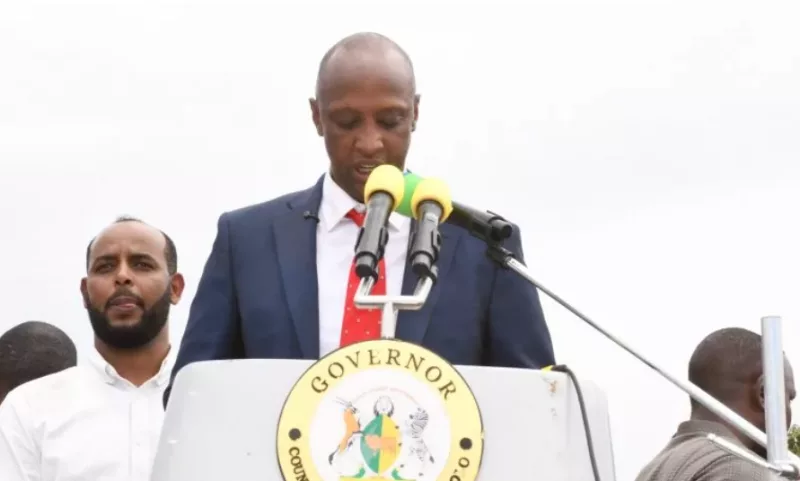
The Joint Committee of the National Assembly Departmental Committee on Energy and the Senate Standing Committee on Energy held a public engagement forum in Eldoret, where they met Uasin Gishu county officials led by Deputy Governor Evans Kapkea, who was representing Governor Jonathan Bii.
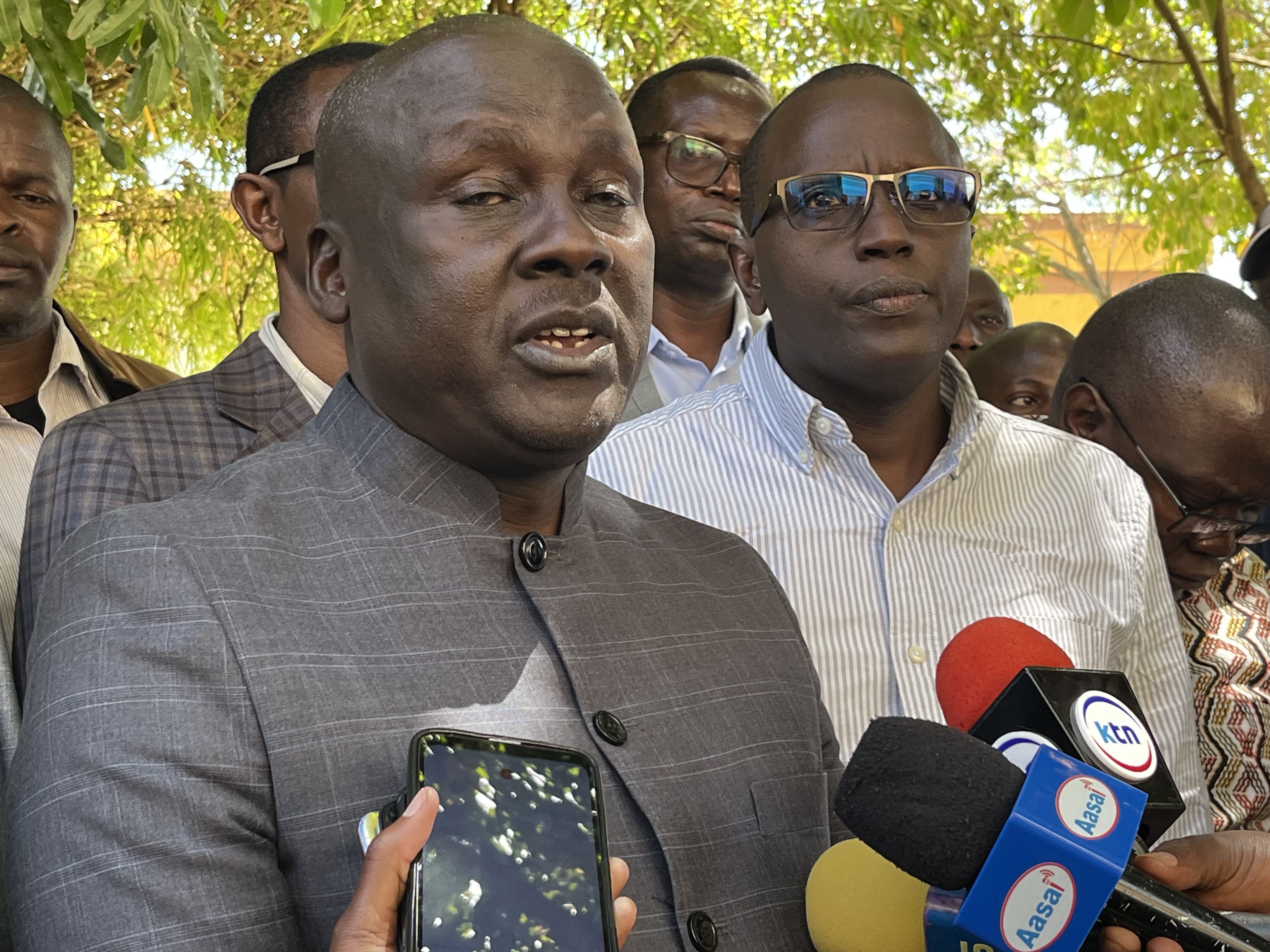
The exercise was led by Elgeyo Marakwet Senator William Kisang, who said residents and county officials had raised critical concerns, particularly over environmental pollution arising from the transportation of crude oil by road.
“The first phase of transportation is expected to begin by the end of this year, and it will have both positive and negative impacts on the region,” he said.
Kisang said residents expressed fears over possible oil spills during the transportation of crude oil from the Lokichar fields in Turkana South to Lamu port for export.
“Most residents are concerned that oil spills could contaminate ecosystems with hydrocarbons harmful to humans, wildlife and vegetation along the transport corridor,” the legislator said, adding that strict safeguards must be put in place.
According to the committee, the initial phase will see about 200 trucks ferrying crude oil daily, with a second phase expected to start in 2032 involving up to 500 trucks per day.
“While the project will bring economic benefits, the risks—especially environmental pollution and road damage—must be adequately addressed by the government,” Kisang said, assuring residents their concerns would be presented to the relevant authorities.
The government targets to commence large-scale transportation of oil from Lokichar to Lamu before the end of this year, ahead of the construction of the Lokichar–Lamu crude oil pipeline.
Under the Early Oil Pilot Scheme (EOPS), Kenya previously transported crude oil by road and plans to scale up volumes for export. Kenya’s oil reserves are estimated at about 750 million barrels, with the Turkana oilfields projected to have a lifespan of about 25 years.
Senator Beatrice Ogolla said the government was working closely with Nema and other agencies to mitigate risks associated with oil transportation.
“The involvement of Parliament and other stakeholders is critical given the magnitude of this project. Public views must be heard, especially on environmental pollution due to potential oil spills,” she said.
The planned trucking route under the South Lokichar Field Development Plan will cut across West Pokot, Trans Nzoia and Uasin Gishu counties.
The senators said they would visit the affected counties this week to gather more views from residents.
County leaders also raised concerns over extensive damage to roads along the transport corridor and petitioned the government to increase storage capacity at the Kenya Pipeline Company (KPC) Eldoret depot and fast-track the construction of the proposed Lokichar–Lamu railway line.
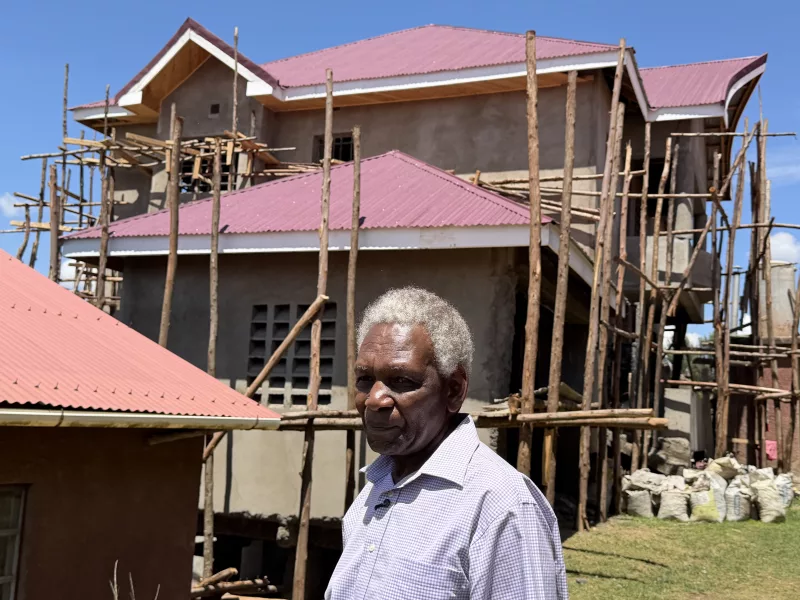
“The use of the railway would be safer and faster than road transport,” Eldoret resident Joseph Barno said.
Residents further proposed the construction of an oil refinery in Eldoret to reduce operational costs and limit road damage caused by heavy trucks.
“The establishment of an oil refinery, expansion of storage capacity at the KPC Eldoret depot, and development of a railway link to the Lokichar oilfields would position Kenya among global oil-exporting nations,” Eldoret resident Samuel Too said.