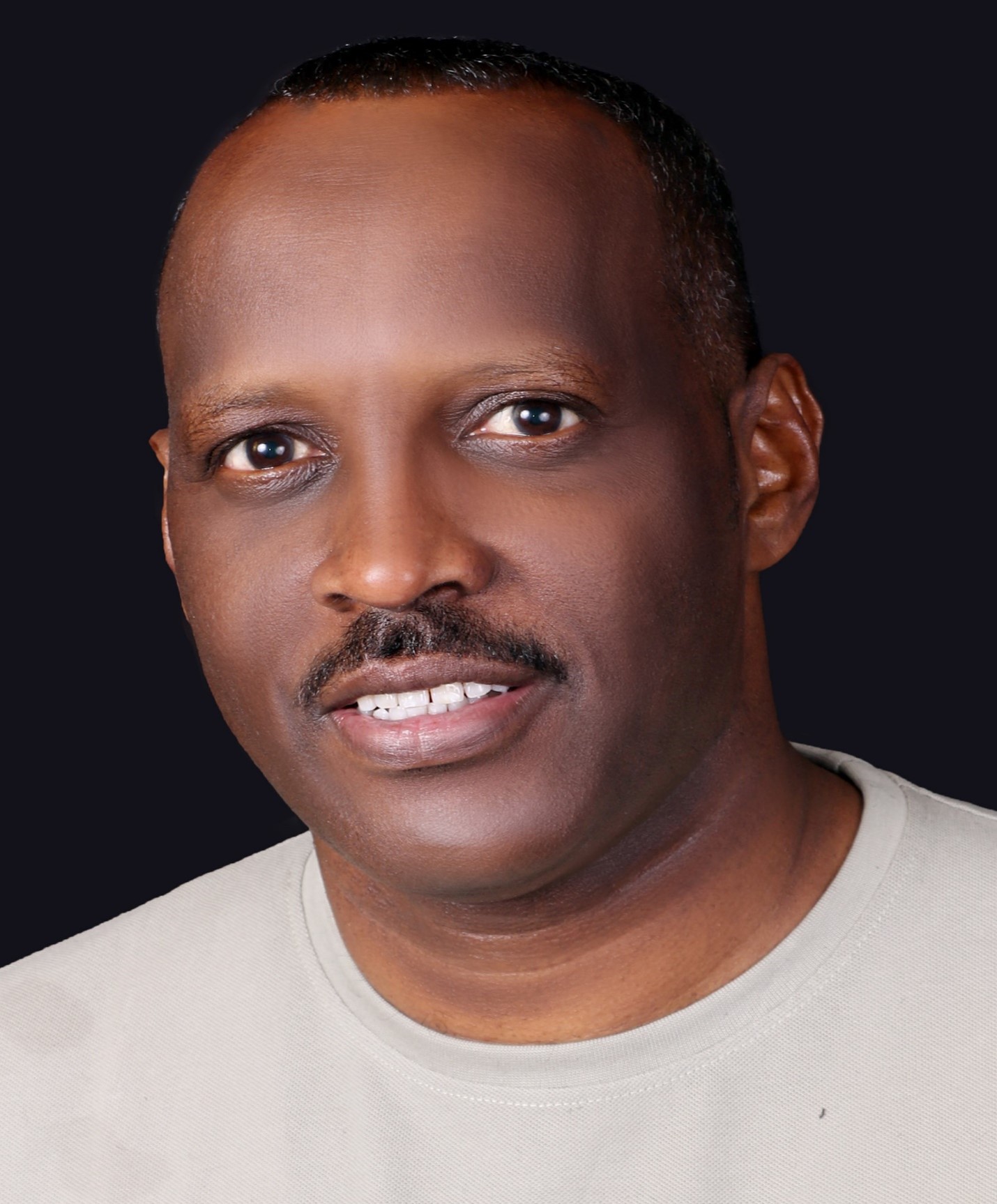
 Hon.Salah Maalim Alio-CECM Lands, Physical planning, Housing and Urban Development-County Government of Mandera/HANDOUT
The recent remarks by former Deputy President Rigathi Gachagua on the admission of Grade 10 students to national schools—particularly his emphasis on the perceived exclusion of the Mt Kenya region—have reignited a sensitive national debate on education equity and regional balance.
While such concerns deserve sober discussion, the framing and tone adopted risk deepening regional antagonism rather than advancing constructive solutions. Once again, the Northeastern region finds itself drawn into a national conversation more characterised by political symbolism than policy substance.
Any serious analysis of Kenya’s education landscape must begin with historical context. The majority of national schools in Central Kenya were established along the East Africa Railyway line long before and independence, largely through collaboration with colonial administrators, missionary activity, and strong local community mobilisation.
These institutions were built in an era when Northern Kenya was deliberately refered to as “ Closed Districts” marginalised under colonial and post-independence governance frameworks that restricted movement, investment and access to social services. The disparities we see today are therefore not accidental; they are the product of long-standing structural exclusion.
It was against this background that the clamour for a new constitutional dispensation finally yielded results with the promulgation of the new constitution in 2010.
Devolution was re-introduced in 2013 rightly hailed as a transformative moment for historically marginalised regions. Since then, Northern Kenya counties have received hundreds of billions of shillings through equitable share allocations, in addition to CDF resources and donor-funded programmes. These investments were intended to close historical gaps in education, health and infrastructure.
However, more than a decade into devolution, great progress and outcomes on the ground is felt especially in Mandera County. Though the functions of National and County Government are distinct and compliment each other as in Schedule Four of the Constitution.
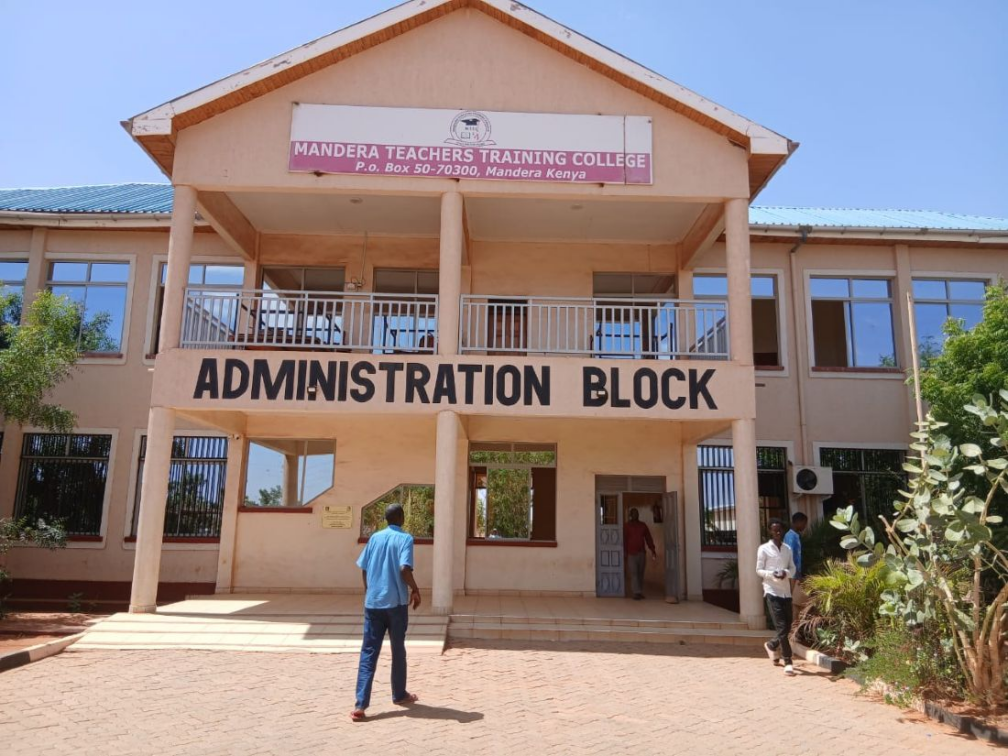 Mandera Teachers Training College constructed by
County Government of Mandera with over 2000 Primary School Teachers
Training-This would bridge the Gap in the teachers shortage in Mandera County
and other Neighbouring Counties in Northern Kenya.(File Picture)
Mandera Teachers Training College constructed by
County Government of Mandera with over 2000 Primary School Teachers
Training-This would bridge the Gap in the teachers shortage in Mandera County
and other Neighbouring Counties in Northern Kenya.(File Picture)
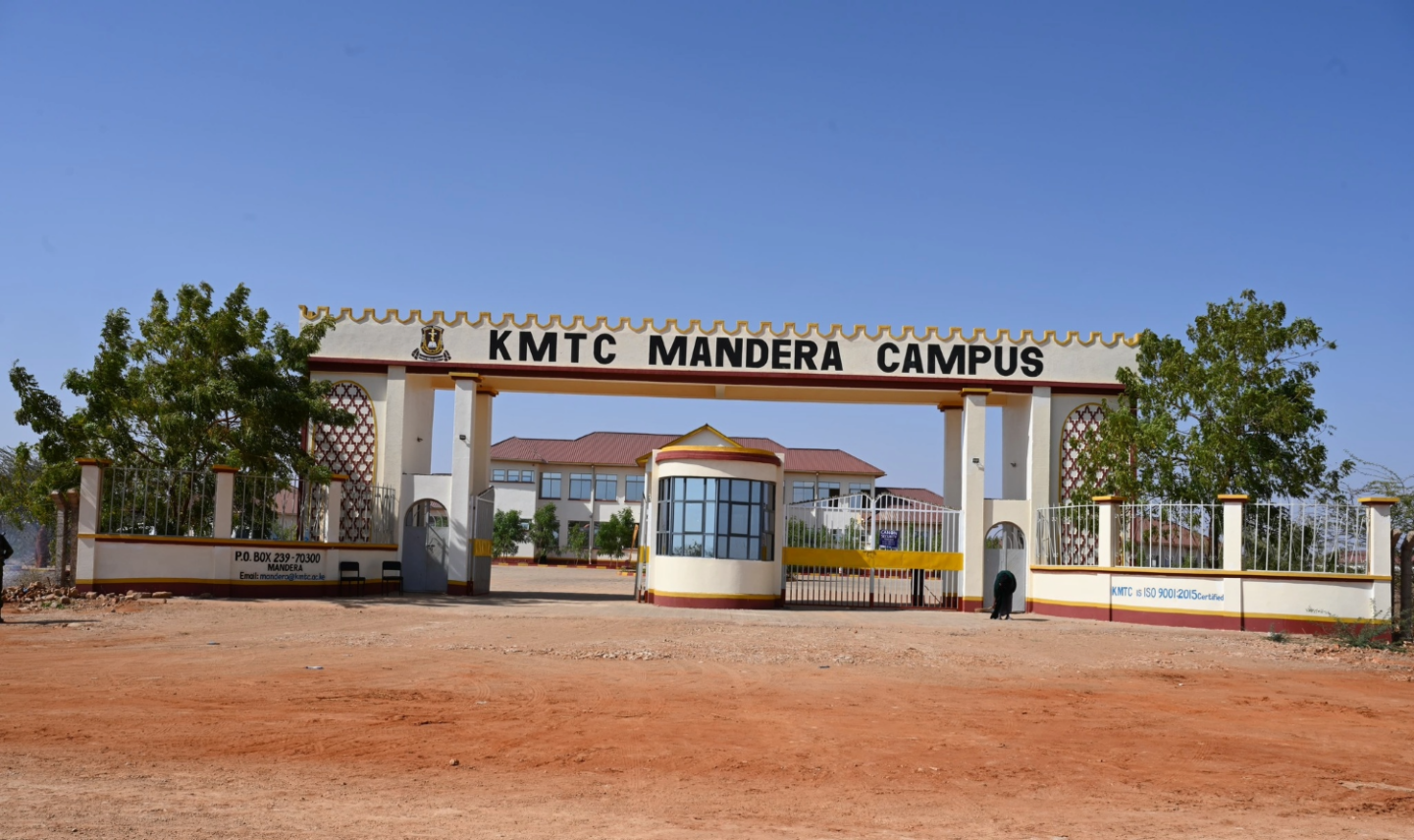 KMTC Campus at the Green County Headquaters in
Mandera Township a project fully funded
by the County Government of Mandera (File Picture).
KMTC Campus at the Green County Headquaters in
Mandera Township a project fully funded
by the County Government of Mandera (File Picture).
Kudos to Governor Mohamed Adan Khalif for the commitment and focus in service delivery while providing bursary and scholarship to all students in the three institution enabling graduates to prepare for the labour markets locally, nationally, regionally and internationally.
At this juncture, it is no longer sufficient to attribute these failures solely to historical marginalisation. A candid assessment points to serious governance deficits at the local level.
Weak leadership, corruption, politicisation of development priorities, mushrooming of villages and settlements, the persistence of negative ethnicity and clan-based patronage systems have undermined the promise of devolution. In some cases, communities themselves have inadvertently sustained this cycle by tolerating poor leadership and subordinating accountability to ethnic or clan loyalties.
This reality does not absolve national leaders of responsibility as Education is largely a national Government function. Education policy must be grounded in equity, merit and deliberate affirmative investment in under-served regions.
Nor does it justify rhetoric that appears to pit regions against each other for political gain. National cohesion cannot be built by amplifying grievances without addressing governance failures across all regions.
Equally, leaders from marginalised areas must resist the temptation to weaponise historical injustice as a perpetual defence against present-day accountability. Devolution was not designed to replace centralised marginalisation with decentralised mismanagement. Its success depends on ethical leadership, good Governance, institutional capacity and active citizen oversight.
Kenya’s education system should be a platform for social integration and shared national identity. Admission to national schools must therefore reflect both fairness and intentional capacity-building where gaps exist. This requires investment, policy coherence and leadership that prioritises long-term national interest over short-term political mobilisation.
Ultimately, the challenge facing Kenya is not merely one of resource allocation, but of leadership quality and civic responsibility. Honest national dialogue—grounded in evidence, history and accountability—is the only path toward addressing inequality without breeding hate and resentment.
The Kenya child from Fikow in Mandera or Kikuyu in Kiambu whose futures depend on these institutions deserves more than political theatre; they deserve results.
Disclaimer: The views expressed in this article are solely personal.