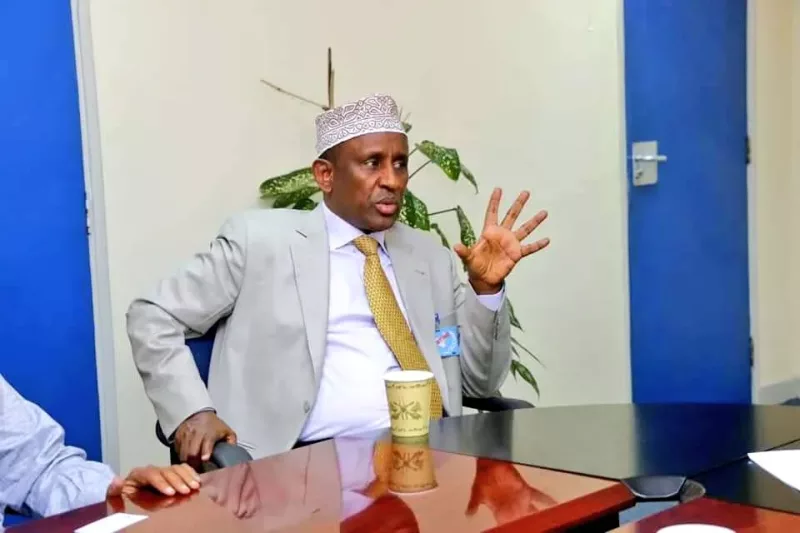
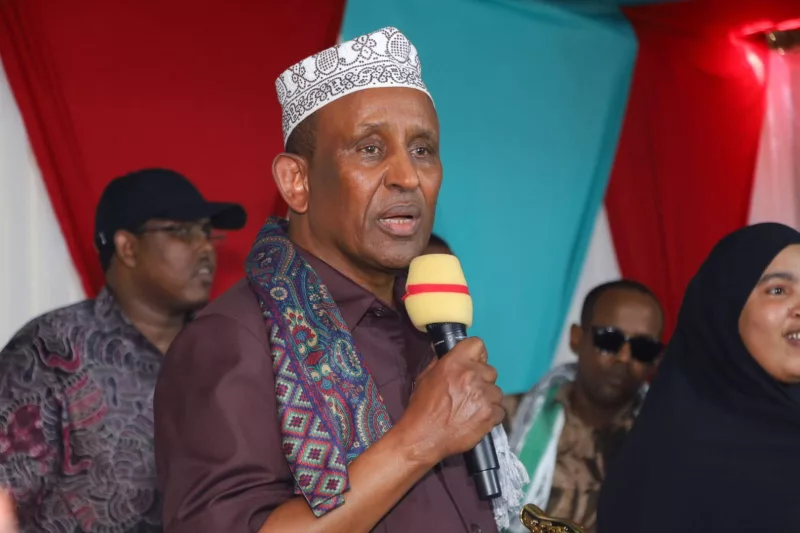
 Former Mandera Senator Billow Kerrow /KNA
Former Mandera Senator Billow Kerrow has strongly defended leaders from the Northeasternfollowing attacks by former Deputy President Rigathi Gachagua, while also criticising lawyer Ahmednasir Abdullahi.
Last week at a press conference, Gachagua hit out at leaders from the region, telling them to “ stop lecturing us about affirmative action.
The Democracy for Citizens Party leader said that 13 years after devolution began, the argument that some counties should continue receiving preferential treatment in the placement of students to national schools is no longer justified.
“Devolution has been in place since 2013, and leaders from those regions have not developed institutions at the same pace, yet they want their children to benefit from facilities established by other counties.”
Lawyer Ahmednasir, in a tweet, publicly supported Gachagua’s criticism of Northerneasternleaders, accusing them of misappropriating public funds, failing to account for billions allocated since the start of devolution in 2013and neglecting to establish high-quality institutions.
While acknowledging that the former DP’s statements may carry political undertones, Ahmednasir insisted that the former DP was truthful in his assessment.
However, yesterday, in a post on social media, Kerrow dismissed the lawyer’s position as misguided, arguing that it reflects a poor understanding of how development has unfolded in the region since devolution.
According to Kerrow, the claim that northern Kenya has received nearly Sh1 trillion in devolved funds is exaggerated. He said that the combined allocations to the five northern counties amount to roughly half of that figure.
The former senator saidthe Constituency Development Fund has been instrumental in expanding access to education.
He explained that hundreds of schools have been constructed using CDF resources, many of which did not exist before the fund was introduced. He added that education falls under the national government’s mandate, although county governments continue to support learning institutions through bursaries and other interventions.
Addressing concerns over healthcare, Kerrow defended county governments, pointing out that numerous hospitals have been built across Northern Kenya.
He argued that the main challenges facing these facilities stem from poor management and shortages of essential medicines—problems that are not unique to the region.
Kerrow further highlighted northern Kenya’s dependence on devolved funds, observing that the national government controls about 85 percent of the country’s budget.
He said this imbalance explains the region’s continued lack of major infrastructure such as paved roads, electricity connectivity, reliable water systems, national schools and referral hospitals.
He also dismissed corruption allegations directed at leaders from northern Kenya, stating that corruption is a widespread issue across the entire public sector and not limited to one region.