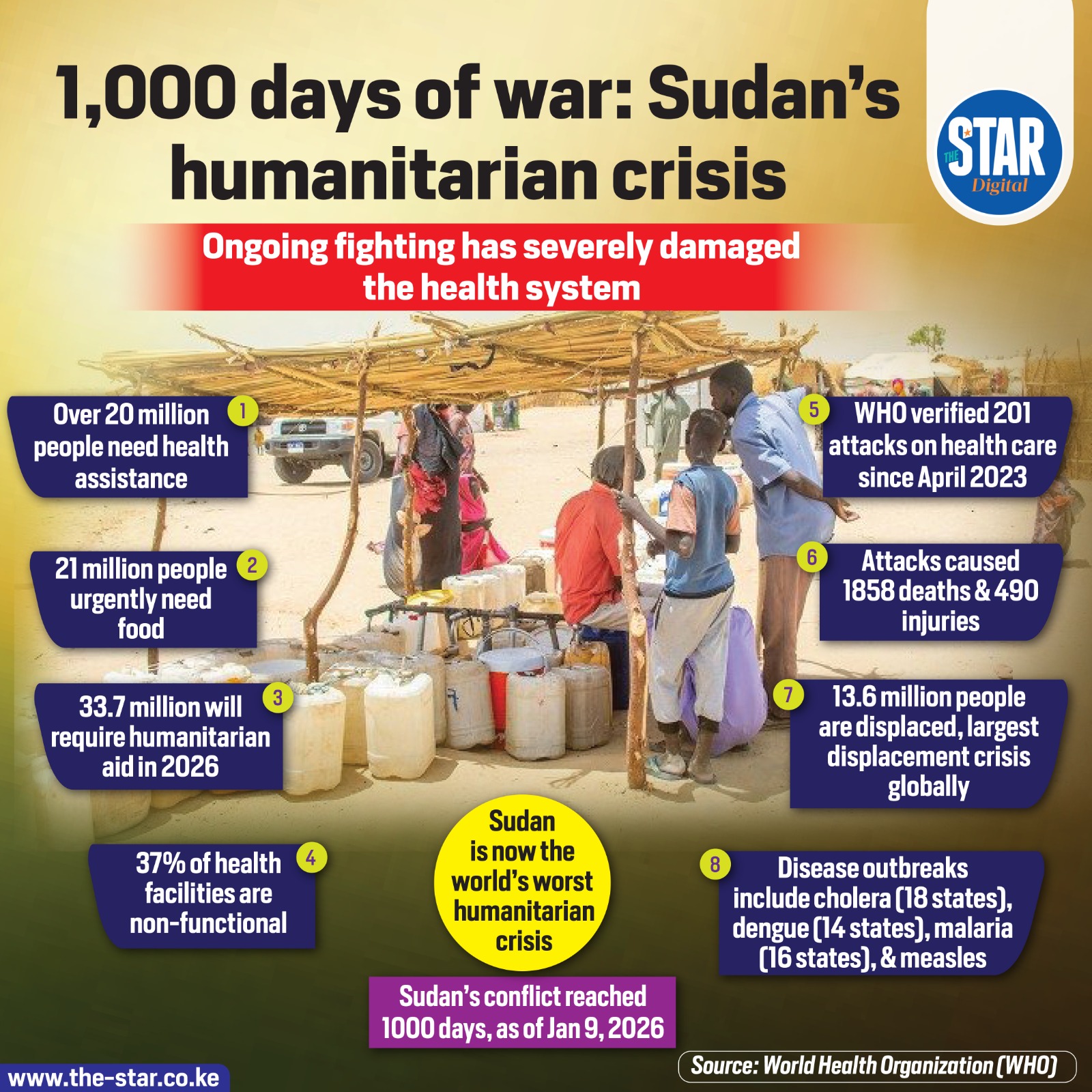
On January 9, 2026, the conflict in Sudan reached a grim milestone of 1,000 days, cementing its status as the world’s most severe humanitarian crisis.
The sheer scale of the devastation is difficult to comprehend, with 33.7 million people projected to require humanitarian assistance throughout 2026. This represents a massive portion of the population facing a breakdown of basic survival systems.
The healthcare system has been a primary casualty of the ongoing fighting. Since April 2023, the World Health Organization (WHO) has verified 201 targeted attacks on healthcare infrastructure, resulting in 1,858 deaths and nearly 500 injuries.
These strikes have left 37% of health facilities non-functional, creating a void where over 20 million people now lack essential medical support. This collapse has paved the way for rampant disease; cholera has spread across 18 states, while malaria, dengue, and measles continue to surge in at least 14 states each.
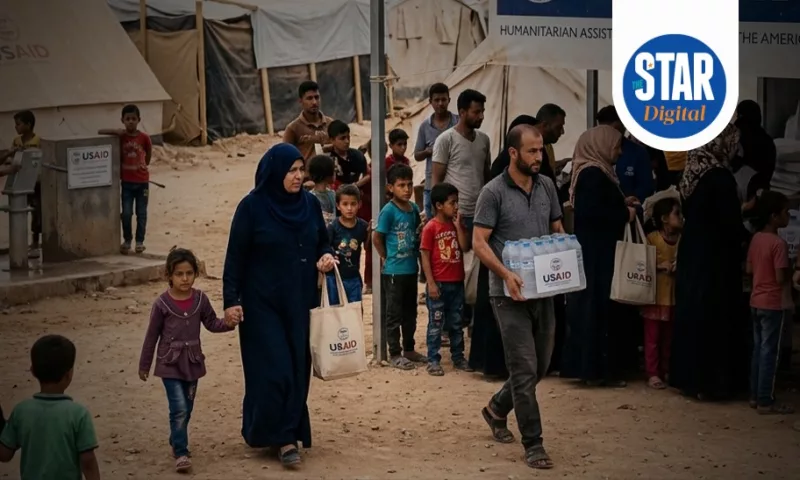
Beyond the medical crisis, the nation faces an unprecedented hunger and displacement catastrophe. 21 million people are in urgent need of food, as agricultural cycles and supply chains remain shattered.
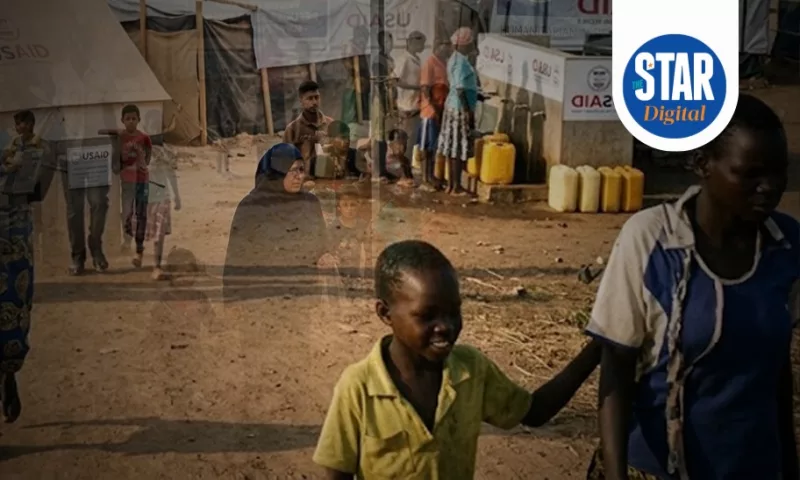
Domestically and across borders, 13.6 million people have been forced from their homes, making it the largest displacement crisis on the planet.
The convergence of famine-like conditions, a crippled medical sector, and mass movement has created a cycle of suffering that continues to deepen with every passing day of the conflict.