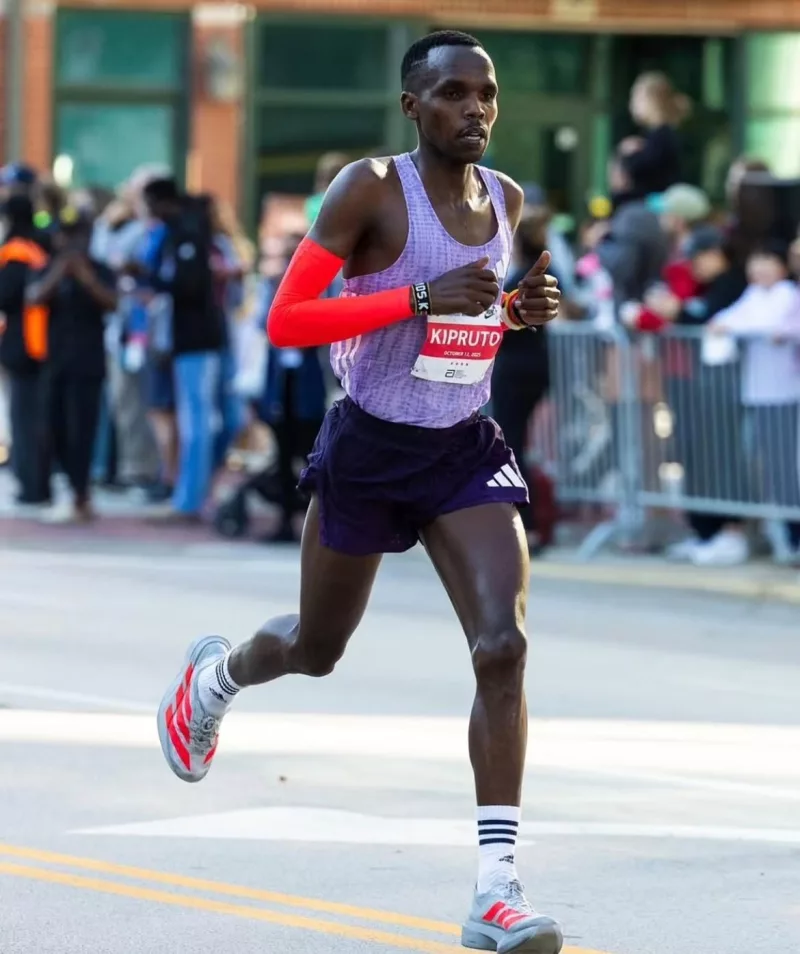
Legendary Kenyan distance runner and 1997 5,000m world champion Daniel Komen has called for an urgent sit-down between veteran stars and the current crop of male athletes to arrest the current global slide.
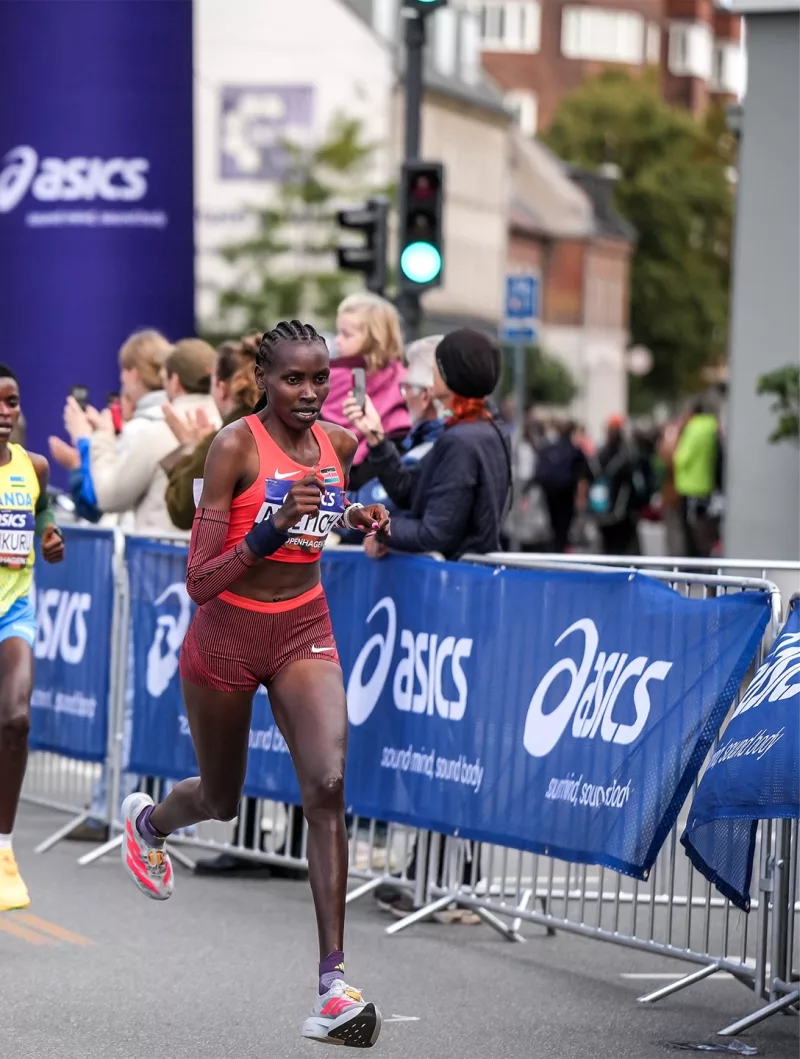
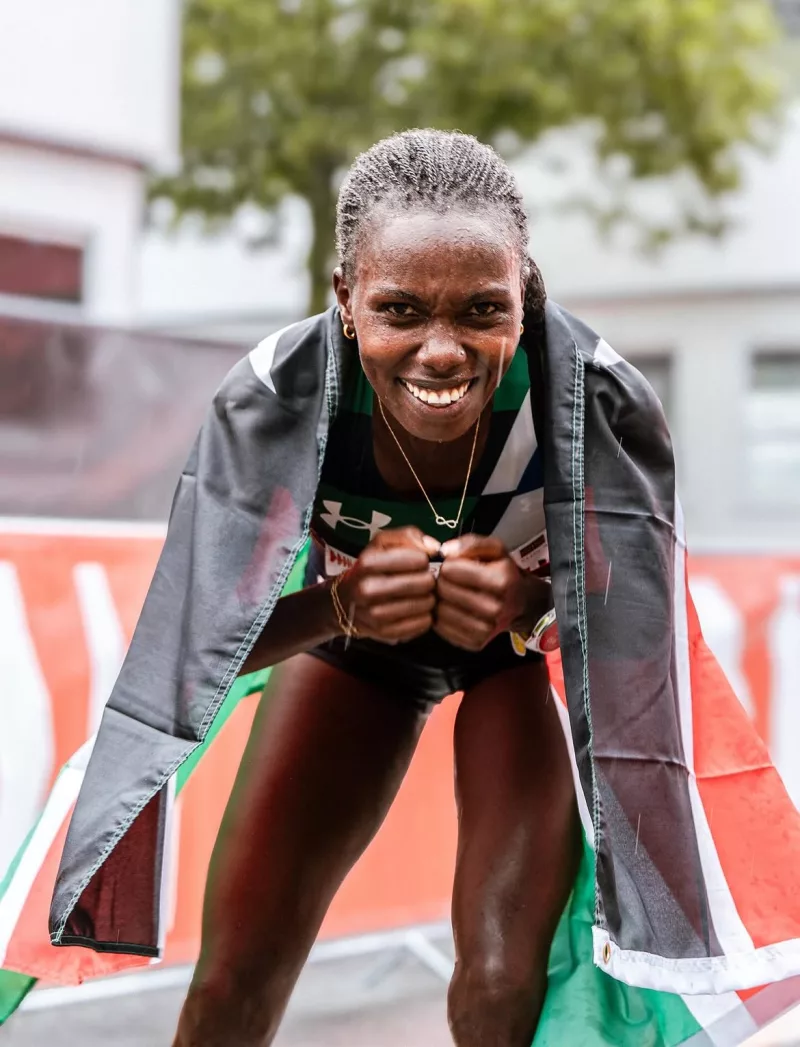
Since the 2024 Paris Olympic Games, a clear pattern has emerged on the global stage, with Kenyan women consistently outshining their male counterparts in major championships, rewriting the country’s competitive narrative.
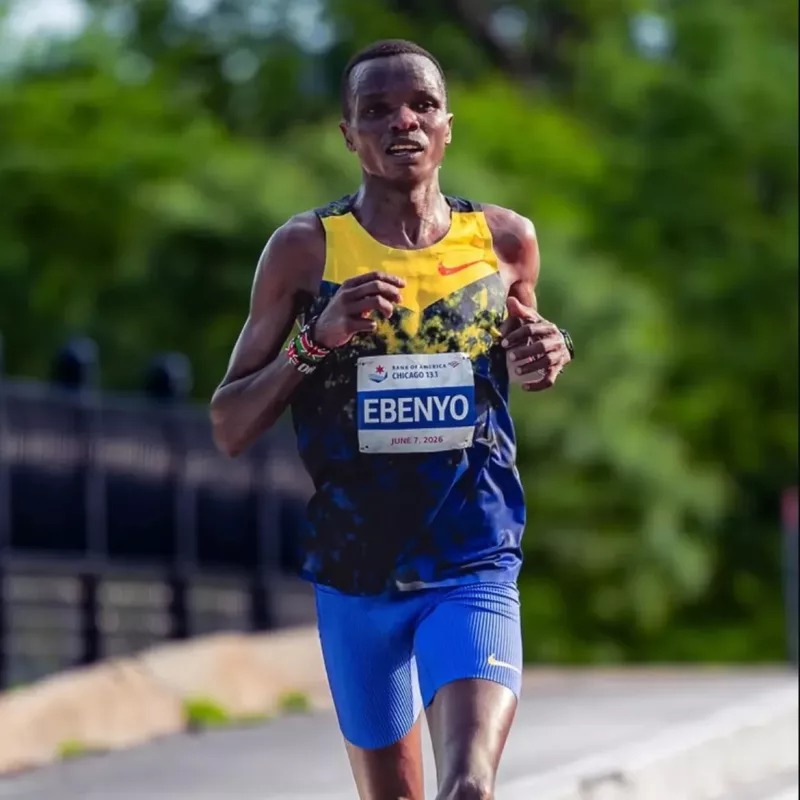
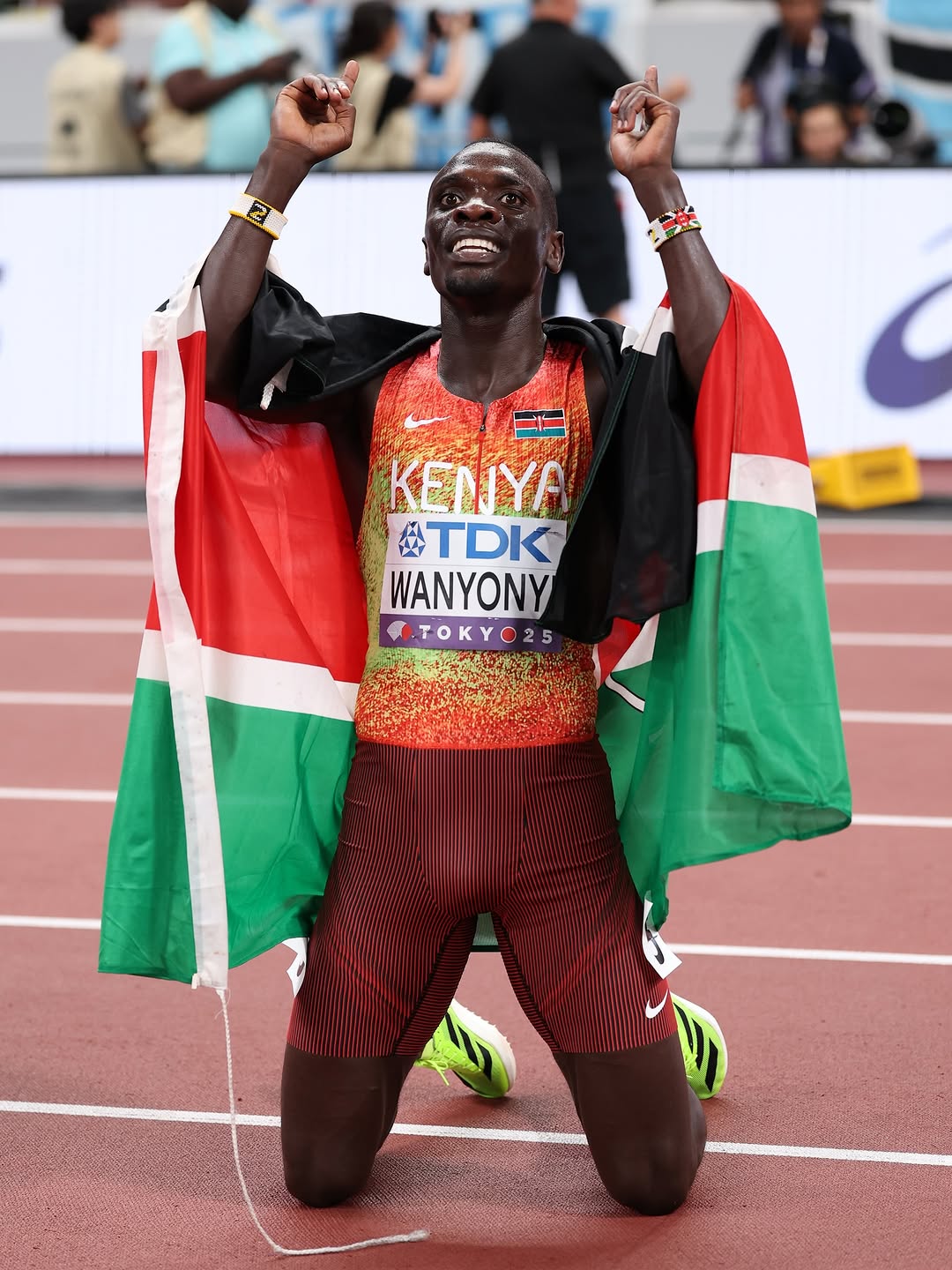
In Paris, Kenya struck gold four times, all courtesy of the women, with Beatrice Chebet delivering a double in the 5,000m and 10,000m, while Faith Kipyegon underlined her middle-distance supremacy with victory in the 1,500m. Emmanuel Wanyonyi, who powered to victory in the 800m, stood out as the lone male gold medallist, a statistic that would soon become a recurring theme.
Read Also
That trend spilt into the 2025 World Championships in Tokyo, where Kenyan women tightened their grip on the distance events, sweeping gold from the 800m all the way to the marathon, accounting for six of the seven gold medals. Once again, Wanyonyi flew the flag for the men, emerging as the only male athlete to reach the top step of the podium.
Against this backdrop, Komen has called for a deep and honest introspection into the factors behind the men’s decline, insisting that the answers lie partly in reconnecting generations. “In the time we were running, our male athletes were doing very well,” Komen said. “We need to sit down as veterans and assist the current athletes.”
“At the moment, all the awards are being won by women. We need to see what is happening to the male athletes and rectify it,” he told the Star. Komen's words carry the weight of history, having gone on a record-breaking spree that redefined distance running during his prime. “There was a time I held five world records. Later, I remained with three records that stood for a very long while.”
His rise began in 1994 when he obliterated the junior 5,000m world record, clocking 12:56.15. Between 1996 and 1998, Komen went on a rampage, shattering four senior world records in just three seasons. In 1996, he torched the 3,000m outdoor record with a time of 7:20.67 and a year later, he became the first man to dip under eight minutes for the two-mile, clocking 7:58.61.
That same year, he dismantled the 5,000m outdoor record, clocking 12:39.74, before adding the 3,000m indoor record in 1998 with 7:24.90.
Remarkably, Komen held the 3,000m world record for nearly 28 years, while his two-mile mark stood for close to 26 years. Komen believes a shift in training philosophy has contributed to the current struggles.
He argues that many male athletes are bypassing the traditional cross-country foundation in favour of early specialisation in road races.
“Instead of concentrating on cross country to sharpen their form for the track, you find an athlete switching directly to the marathon,” he said. “That is why we are having problems with middle-distance athletes now.”
He also stressed the importance of identifying and nurturing talent early, insisting that long-term development is the key to rebuilding Kenya’s male dominance. “We need to nurture athletes while they are still very young,” Komen said. “We need to get our male athletes into good programmes so they can grow and develop their talents properly.”
Komen further pointed to changes in school athletics programmes, which he believes have diluted the traditional pathway that once produced world-beaters with metronomic consistency. “The athletics programmes in schools have changed a lot,” he observed. “In our time, schools did cross country separately, but now things are mixed.”
He urged learning institutions and the Ministry of Education to revisit the old model that prioritised endurance-building early in the year.
“They need to go back to the system where term one focuses on cross country and term two on track and field,” Komen said.
“When you do cross country in term one, you get a proper build-up so that by term two you are ready for track and field.”
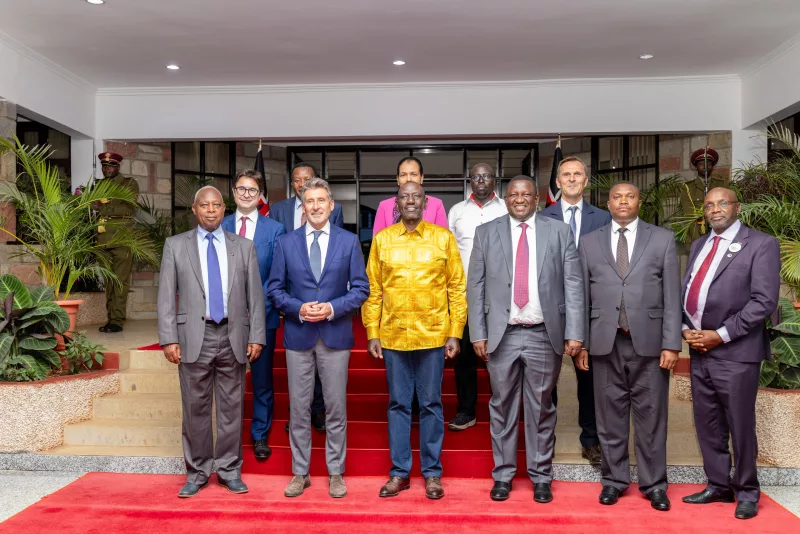
“The Ministry of Education needs to sit down with athletics stakeholders so we can share this information and align our programmes,” he added.
Beyond local structures, Komen also warned that global competition has intensified, with European and American athletes making significant strides in middle- and long-distance events. “Europeans and Americans are now training in Kenya and other high-altitude regions,” he noted. “At the same time, technology has advanced.”
“As Africans, we are still lagging in terms of technology. These are key issues we need to focus on if we want to remain competitive,” he said.
Further, nutrition has become another decisive factor in modern athletics, one that was often overlooked in his era.
“A long time ago, we were running without thinking too much about food,” Komen admitted. “Now diet has become a big factor in achieving good results.”