Africa's urbanisation is unfolding at a speed unparalleled anywhere in the world. By 2050, the number of people living in African cities will double, after taking in more than 1.3 billion urban residents.
This demographic shift demands of the continent to choose between continuing to repeat patterns of unmanaged sprawl, traffic congestion, strained infrastructure and environmental degradation, or embrace a different model that is grounded in deliberate planning and long-term sustainability.
We must always remember that the cities Africa builds today will determine the continent’s economic, social and environmental trajectory for the next century. And what is urgently needed are engineered ecosystems; master-planned urban environments designed from the outset to be resilient, efficient and liveable, rather than retrofitted when problems emerge.
Africa’s emerging urban vision is unfolding at a time when global conversations on sustainable development are intensifying. And the solutions being pioneered here are directly relevant to the high-stakes agendas dominating global forums.
At the recent G20 Summit, for instance, world leaders highlighted the central role of cities in achieving climate resilience, digital inclusion and equitable economic growth. Similarly, at COP 30, global attention turned more sharply to how fast-growing regions, especially across the Global South, can develop cities that are climate-ready and economically dynamic.
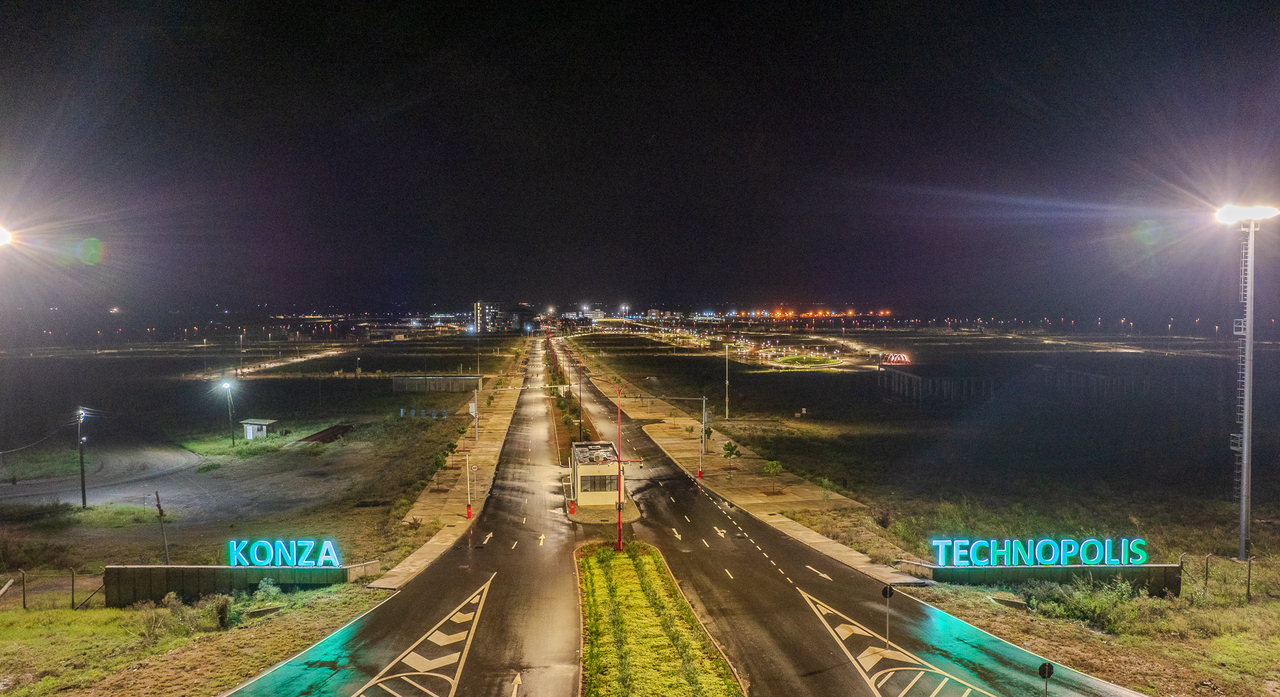
Here in Kenya, Konza Technopolis offers a tangible, implemented answer to these global challenges. This is where climate policy is translating into concrete investment with active delivery of real-world models for green transition in a planned urban environment.
This approach proves that Africa is ready to host and drive global partnerships that demand immediate, measurable impact on infrastructure development and climate resilience.
It is in developments such as Konza Technopolis where Kenya can illustrate how cities can be designed with sustainability embedded into their core infrastructure. Konza is Africa’s flagship smart city, demonstrating how master-planned, technology-driven urban ecosystems can work in practice.
Our approach is not centered on architectural spectacle but on integrated planning, combining residential, commercial, industrial and technology hubs within a compact, mixed-use layout. This design directly supports the Live, Work and Play model, minimising dependence on private vehicles, easing congestion and dramatically enhancing the quality of life.
At the heart of this model is resource efficiency that mandates Green Buildings and support them with large-scale renewable energy solutions. Furthermore, we prioritise closed-loop infrastructure that includes water management with advanced systems for recycling to ensure minimal usage of freshwater resources and maximise efficiency. There is also the solid waste management agenda that establishes sophisticated protocols that treat waste as a resource through sorting, recovery and conversion initiatives.
Equally important is the commitment to green public spaces. Well-planned cities incorporate extensive public parks, tree-lined corridors and conservation areas that function as natural buffers against pollution and heat. At Konza, we are actively prioritising preserving local flora and fauna, ensuring that ecological balance is maintained.
In terms of mobility, we tackle congestion by strategically provisioning infrastructure to ease movement by road, air and rail, complemented by a significant commitment to e-mobility solutions that decarbonise transit.
Besides, sustainability is also economic, demanding that Konza as a designated Science Park drives innovation. The city, therefore, co-locates universities, research institutions and private sector firms to shorten the path from research to market. This integrated approach enables tech startups, research labs and innovation districts to flourish, turning ideas into scalable, market-ready solutions.
In essence, Konza acts as a catalyst for Kenya’s smart economy, creating high-value jobs, attracting global investment and strengthening human capital through linkages with universities and incubators. The ambition is to create the potential for regional economic integration, serve as a hub for East Africa and a model for cross-border innovation corridors.
Ultimately, a truly sustainable city respects its roots, embracing technology while staying committed to recognising and preserving the area’s cultural heritage, ensuring the city's identity is authentic and resilient.
Engineered ecosystems are not architectural projects alone but are long-term economic and social strategies that pursue higher goals. Their real value is to demonstrate that when policy, planning and innovation come together, African cities can become global models of resilience and sustainability. Quietly but steadily, the world is watching how Africa will build its cities of tomorrow. The most important choices must be made today.
Okwiri is the CEO of Konza Technopolis