 Rose
Hulse
Rose
HulseCommunities in Kenya’s marginalised Laikipia North subcounty are beginning to see football as a potential pathway out of long-standing exclusion.
This follows the successful hosting of the second annual Kalanchoe Football Tournament at Chumvi Primary School grounds in Laikipia.
The tournament brought together teams mainly from the Maasai and Turkana communities in an area better known for cattle rustling and insecurity than organised sport.
Kalanchoe Football Club emerged champions for the second consecutive time, defeating Eagles Football Club to take home Sh70,000, a trophy and jerseys. Eagles received Sh50,000 and jerseys.
The inaugural tournament was held on December 27, 2024, marking the beginning of what organisers hope will grow into a long-term football development initiative in the region.
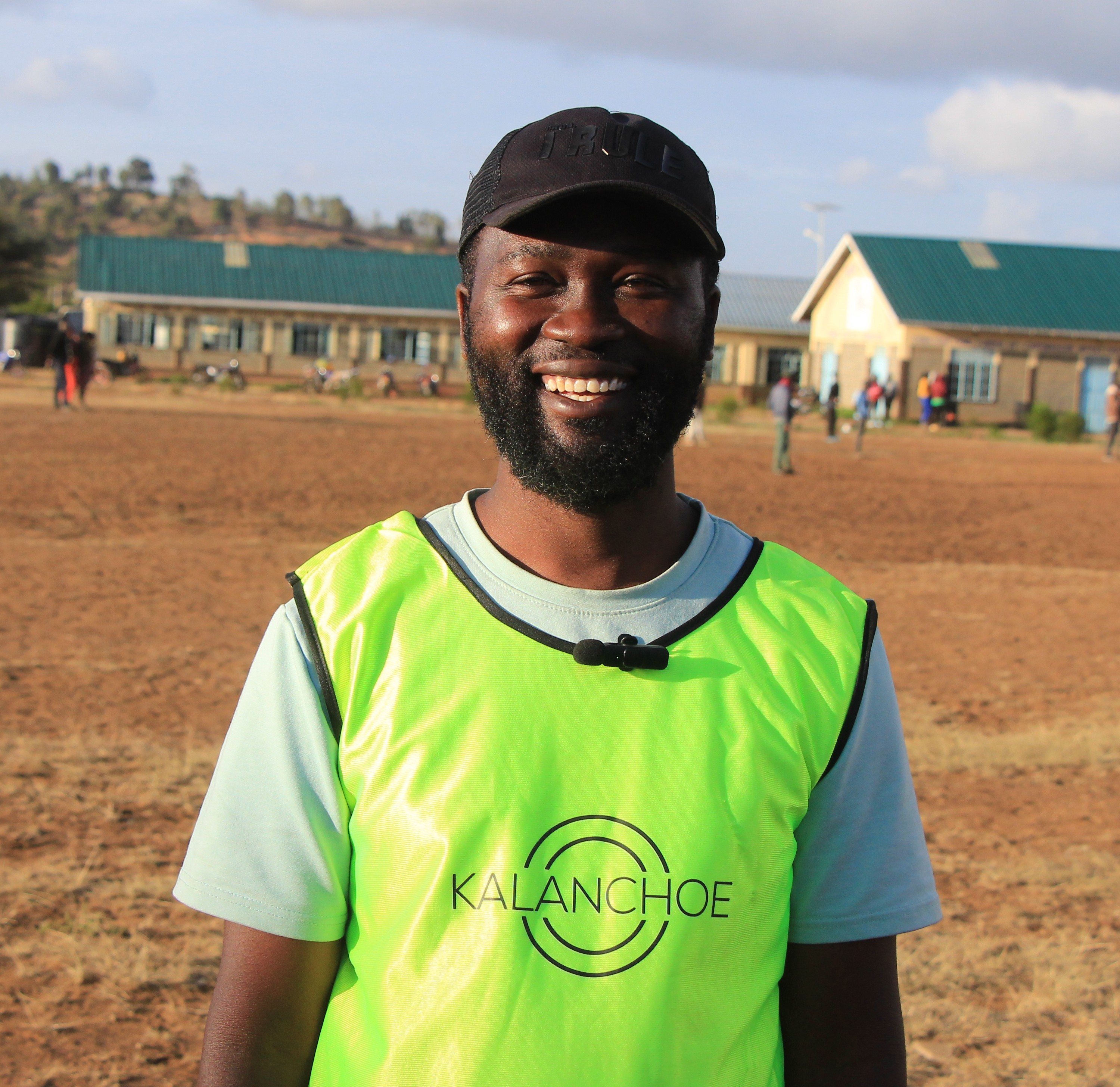
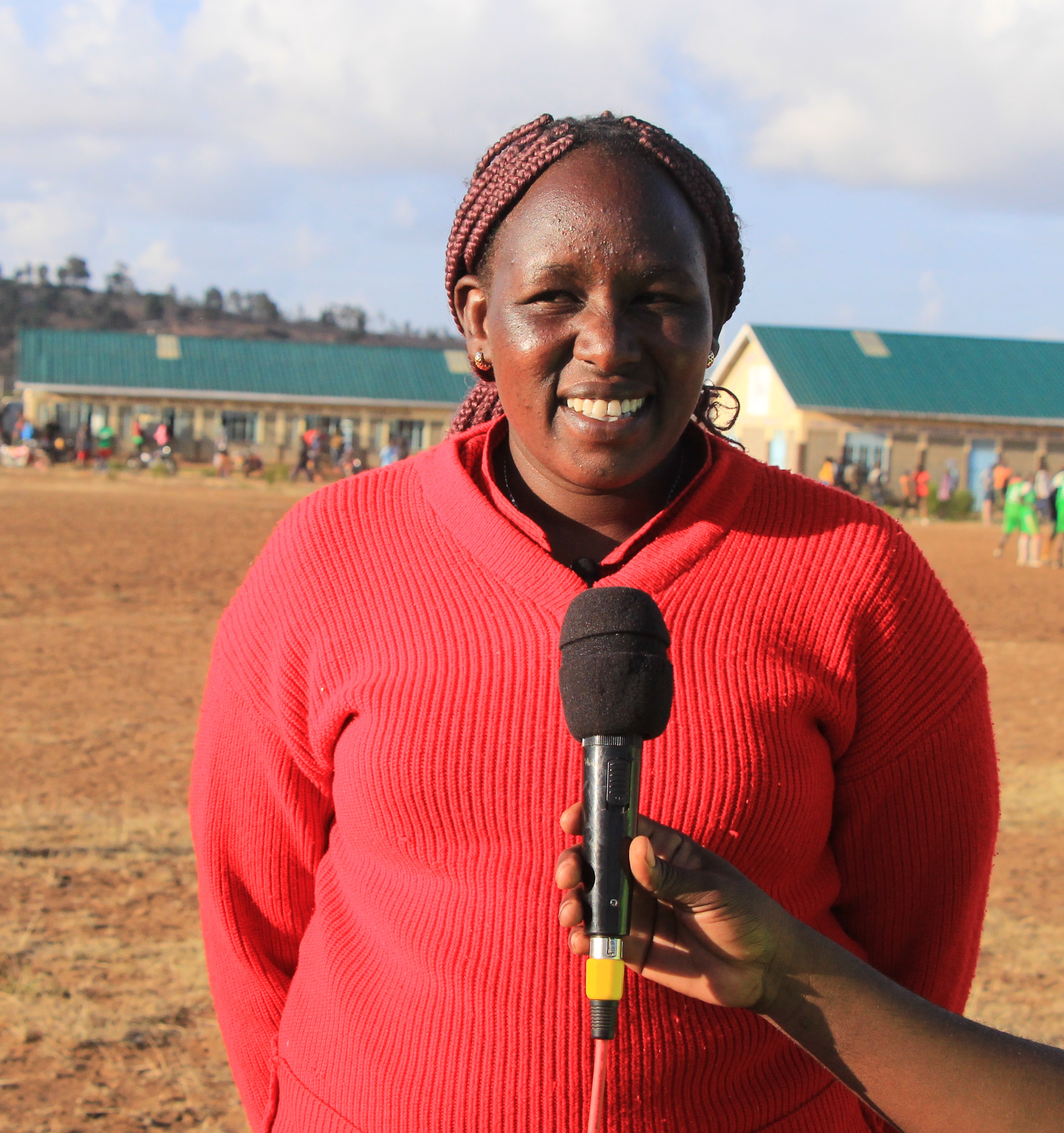
The competition was founded by George Hulse and his wife Rose, a retired UK-based couple who initiated the tournament as a peace-building and youth development project. According to George, the aim goes beyond community cohesion.
“When young people share physical ability and mental fortitude, they can succeed against all odds,” he said, adding their long-term aspiration is to see players from Laikipia North progress into professional football.
Assistant chief Martin Wangai said the initiative is yielding results, confirming that two local players have been identified for possible national team consideration—an unprecedented development for the area.
“For many years, no player from this region has featured even at regional level. This tournament is helping reduce idleness, drug abuse and crime, while opening doors that were previously closed,” the administrator said.
Despite the optimism, challenges remain. Football in Laikipia North is constrained by poor infrastructure, lack of professional coaching, limited scouting networks and persistent poverty.
Matches are currently played on a dusty pitch at Chumvi Primary School, with organisers acknowledging the need for better facilities and regular training programmes.
Community member Teresia Kiperus said local talent has historically gone unnoticed due to the region’s remoteness.
“The ability has always been here, but there has never been a system to support or expose it,” she said.
Organisers say future plans include establishing a structured grassroots league with age categories, linking promising players to established football academies and partnering with the Ministry of Sports, which has advocated for using sports to promote peace and development in the North Rift.
Local leaders also cautioned against political interference, which they say has undermined sustainable sports development in other parts of the country through short-term, publicity-driven tournaments.
As security improves and inter-community cooperation strengthens, residents say stability will be critical to sustaining the initiative and nurturing talent over time.
While the prospect of producing a Premier League star remains distant, organisers and community leaders agree that even placing a player in Kenya’s top-tier league would mark a historic breakthrough.
For a region long defined by marginalisation, the growing football movement in Laikipia North is being seen as a sign that local talent no longer needs invention—but recognition and opportunity.