For years, the Kaptagat Forest stood as a fading symbol of neglect, its once-thriving ecosystem slowly giving way to degradation as surrounding communities struggled to survive.
Today, however, a quiet but powerful transformation is unfolding across the slopes of the water tower, one that is restoring not only the forest but also dignity, hope and livelihoods for families in Uasin Gishu and Elgeyo Marakwet counties.
At the heart of this change is the Kaptagat Forest Integrated Conservation Programme, an initiative that has grown into a lifeline for communities living around the forest.
What sets the programme apart is its simple but profound understanding: conservation cannot succeed if people are left hungry and jobless.
Under the patronage of National Treasury PS Chris Kiptoo, the programme has redefined environmental protection by placing human welfare at its core.
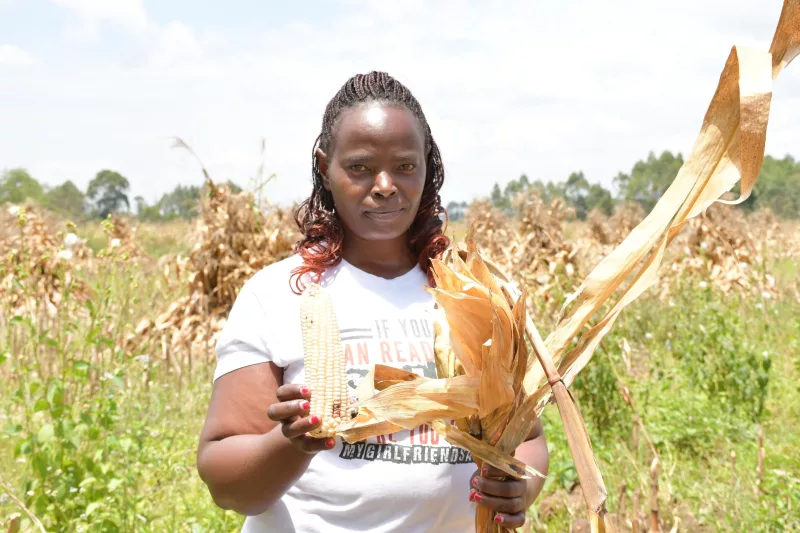
Across the villages bordering the forest, the impact is visible and deeply personal. Families that once depended on the forest for firewood and grazing now earn a steady income from horticulture, high-value crops and improved dairy farming.
Clean energy has replaced smoky kitchens, water now flows closer to homes and young people who once roamed the forest in search of survival are discovering opportunity right at their doorsteps.
Nine years since its inception, the programme has helped reclaim more than 3,000 hectares (7,413 acres) of degraded forest land. But beyond the numbers are stories of families whose lives have taken a decisive turn for the better.
Modern farming, linked directly to conservation, has become a pathway out of poverty for hundreds of households.
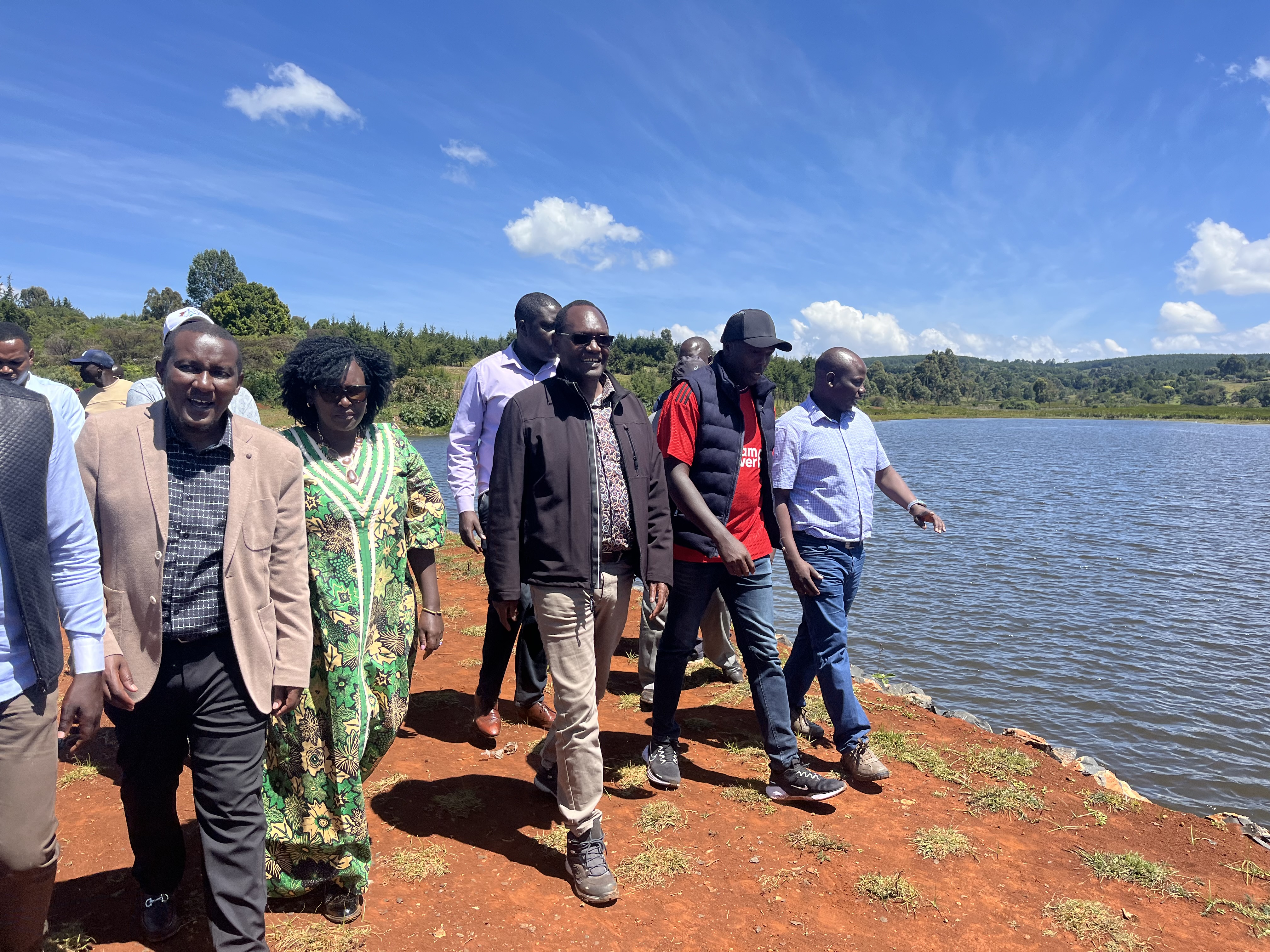
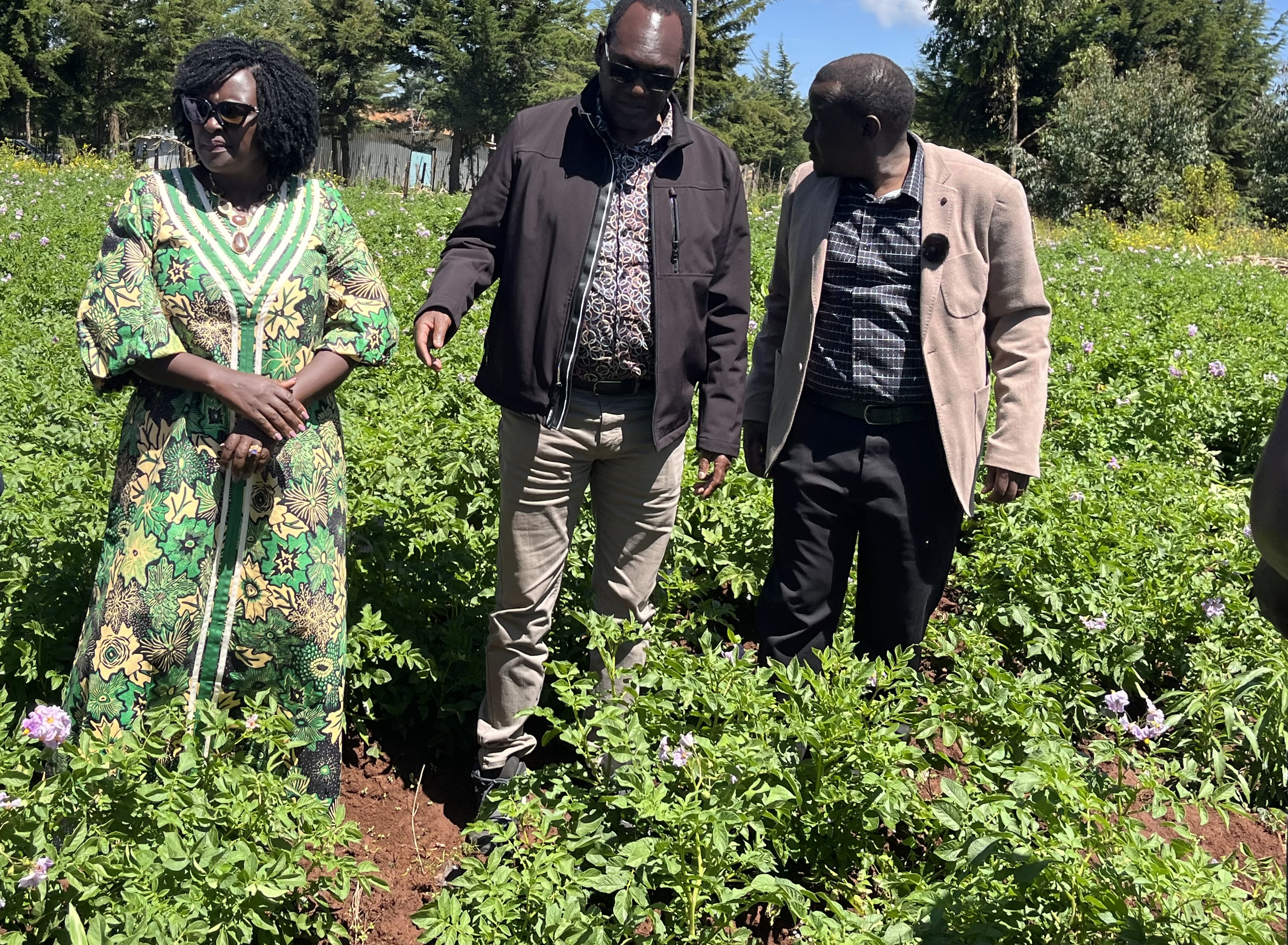
During a recent visit to the area, PS Kiptoo, together with Irrigation PS Ephantus Kimotho, met farmers whose lives reflect this transformation.
They walked through farms where potatoes, avocados, coffee and vegetables now grow in an area despair once took root, listening as residents shared how access to water, training and markets has reshaped their daily realities.
One of those voices belongs to Edwin Koech, a young man who once herded animals deep inside the forest.
With limited options and no reliable income, the forest had been his refuge and his workplace.
Today, Koech’s life tells a different story. After embracing the programme, he turned one acre into a thriving potato farm. Supported by irrigation, he harvests three times a year.
“I now make more than Sh600,000 from potatoes,” he says with quiet pride.
The water that sustains his crops comes from the rehabilitated Sabor Dam, a project that supplies water to more than 8,000 residents.
To PS Kiptoo, Koech’s journey captures the essence of the programme’s vision.
He points to the young farmer as proof that meaningful employment does not always lie in offices or urban centres, but can be created at home through modern, well-supported agriculture.
It is a shift that has reduced pressure on the forest while restoring purpose among the youth.
The ripple effects extend to livestock farming as well.
As communities adopt zero-grazing systems with fewer but more productive cows, dairy farming has become profitable and environmentally friendly.
The same households are now using biogas generated from animal waste, sparing trees that would otherwise be cut down for firewood. What was once a cycle of destruction has gradually turned into one of renewal
For Moses Keittany of Boldet Farm, the change has been life-altering.
His decision to embrace avocado farming alongside horticulture and dairy production has brought stability and contentment to his family.
“I no longer feel the pull to go to Eldoret town,” he says.
“Working on this farm is fulfilling and pays better than what I used to earn.”
His hope is that the Sabor water project will be expanded to reach more households, allowing others to experience the same transformation while safeguarding the forest.
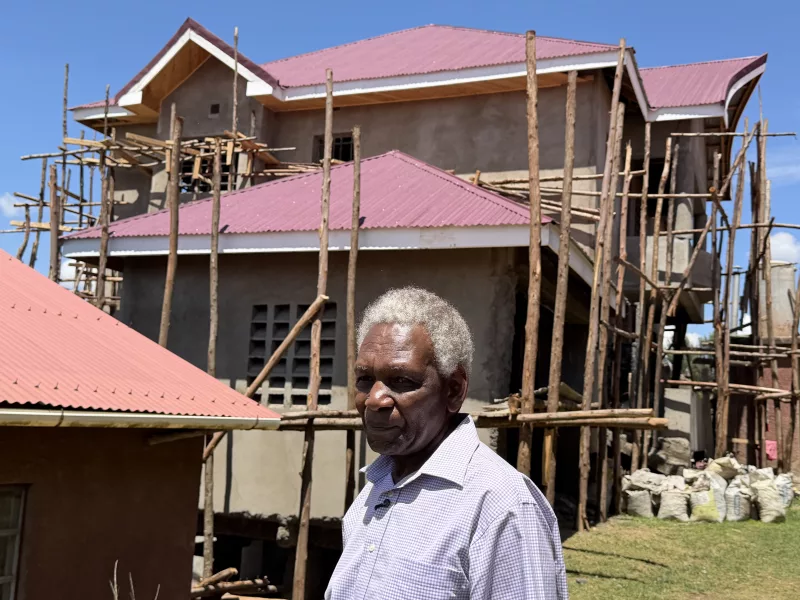
Elijah Rotich, a retired civil servant, speaks with a mix of regret and gratitude.
After spending years in Eldoret town, he returned to his rural home and ventured into coffee farming. Within five years, his investment began paying off handsomely.
“I regret the years I wasted in town,” he admits.
“Coffee has changed my life. I am paid in dollars, depending on the quality.”
Though demanding, coffee farming has opened doors to dairy and horticulture ventures, turning his farm into a reliable source of income and pride.
These individual stories are anchored in a broader, well-thought-out framework.
The programme rests on four pillars that speak directly to everyday realities.
Pesa Mfukoni focuses on putting money in people’s pockets through conservation-linked livelihoods.
Kawi Safi promotes clean energy, freeing families from reliance on firewood.
Mazingira Safi strengthens climate action through forest restoration and carbon projects, while Maji Safi ensures access to water for homes and farms.
Together, they form a model that recognises that people protect what sustains them.
As the programme approaches its 10th year, its footprint continues to expand. More than three million tree seedlings have been planted by communities and partners, breathing life back into areas that once stood bare.
Indigenous tree species dominate the reclamation efforts, ensuring ecological balance while strengthening the forest’s long-term resilience.
For elders like Daniel Rono, the change has brought peace of mind. He recalls years of watching the forest shrink, fearing that future generations would inherit nothing but memories.
“Today, I see hope,” he says, gesturing towards the young trees taking root.
“At least now, this forest will be here for our children and grandchildren.”
Beyond tree-planting, the distribution of more than one million high-value avocado seedlings has given farmers a viable alternative to traditional cereal farming, long associated with low returns in the region.
Biogas installations in homesteads have further reduced dependence on wood fuel, reinforcing the delicate balance between livelihoods and conservation.
The initiative also aligns with the national goal of growing 15 billion trees across 11 million hectares (about 27 million acres) to achieve 30 per cent tree cover by 2032.
Yet on the ground in Kaptagat, the programme’s success is measured less by policy targets and more by changed lives.
Through sustained sensitisation and community engagement led by PS Kiptoo, residents have gradually taken ownership of the conservation agenda.
Plans are now underway to fence off the forest to protect the gains made, while encouraging residents to join Community Forest Associations.
Through these groups, members access user rights, training, seedlings and clean energy solutions, reinforcing a sense of shared responsibility.
In less than a decade, Kaptagat Forest has risen from the brink of collapse to become a living example of how conservation can work when people are placed at the centre.
Kiptoo remains optimistic, convinced that the partnership between the community and the forest is now unbreakable.
For the families whose lives have been transformed, the future no longer feels uncertain—it feels rooted, sustainable and full of promise.
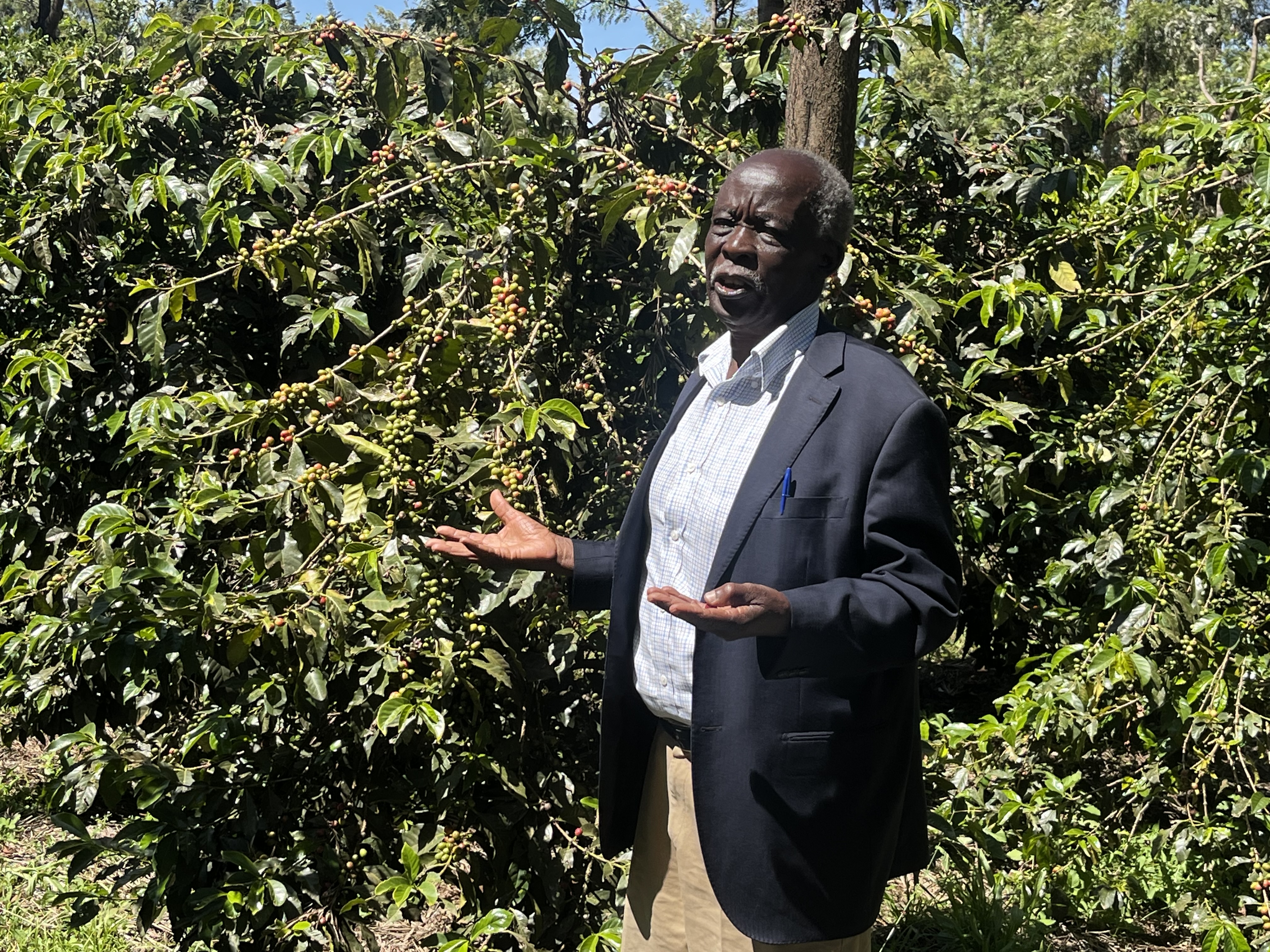 Coffee farmer Elijah Rotich at his farm in Elgeyo Marakwet county
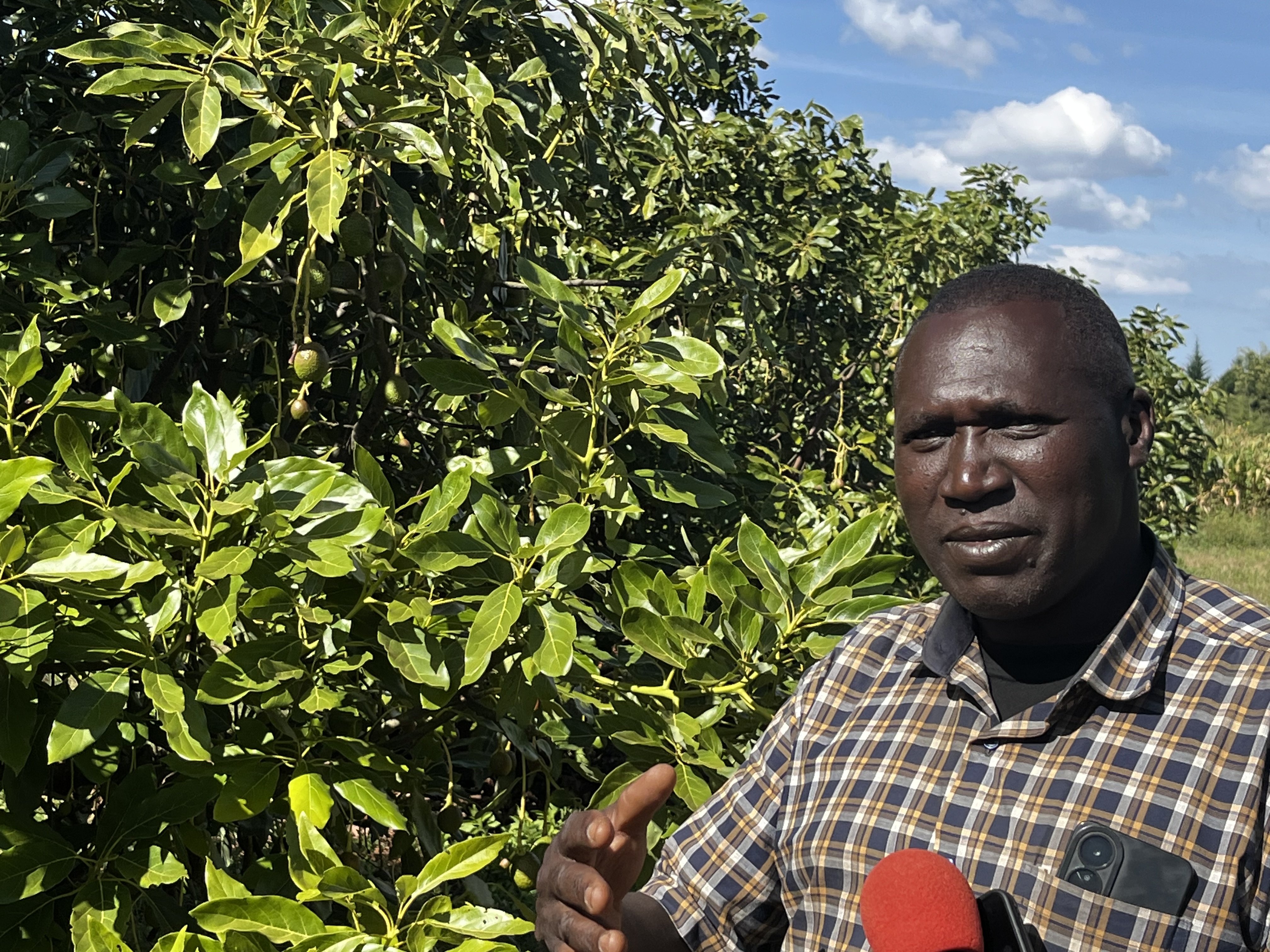 Moses Keittany on Boldet farm where he grows avocado and other high-value crops