West Pokot Governor Simon Kachapin is seeking support from development partners in the health sector to tackle the spread of diseases, particularly HIV-Aids, amid dwindling donor funding.
The move reflects growing healthcare challenges in West Pokot county, where economic activities such as mining and industrial growth have increased population movement and heightened the risk of new infections.
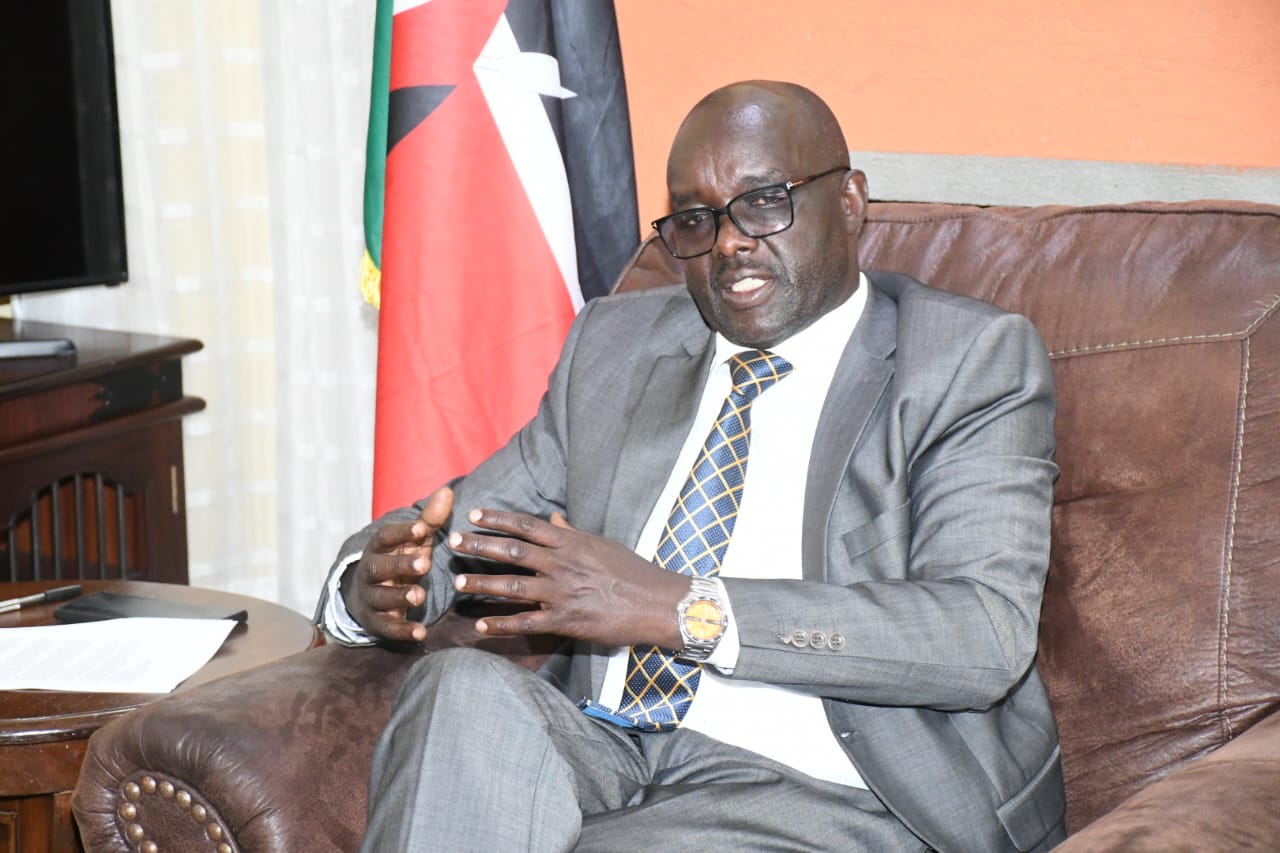
In a consultative meeting with a delegation from Ampath Kenya, led by chief of party Prof Silvester Kimaiyo, Kachapin explored areas of continued collaboration to strengthen county health programmes.
Discussions focused on key priorities, including family planning, maternal and child health, malnutrition, early pregnancies, stunting and mortality rates.
The county health team highlighted existing service delivery gaps and stressed the continued importance of development partner engagement.
Kimaiyo said funding decisions are data-driven, calling for a comprehensive survey to establish accurate HIV prevalence figures in the county. Kachapin says more than 4,000 people live with HIV-Aids in West Pokot
He said there is need for counties to build internal capacity as donor support gradually declines, assuring continued technical assistance from Ampath.
The consultative meeting included health and sanitation executive Clare Parklea, among other officials.
Last month, the county signed a new Memorandum of Understanding with Community Nursing Services (CNS) and Rotary Doctors Sweden to enhance community health services, particularly in rural areas with limited access to established hospitals.
The partnership will implement the Mother and Child Health on Wheels programme, deploying 40 monthly mobile outreach clinics to deliver maternal, newborn and child health services to underserved communities.
Beyond clinical services, the collaboration will also reinforce water, sanitation and hygiene initiatives, dental outreach, advocacy against harmful practices such as FGM and community empowerment programmes.
“This partnership highlights the county’s commitment to expanding equitable health access and ensuring essential services reach every household, especially those in hard-to-reach areas,” Parklea said.
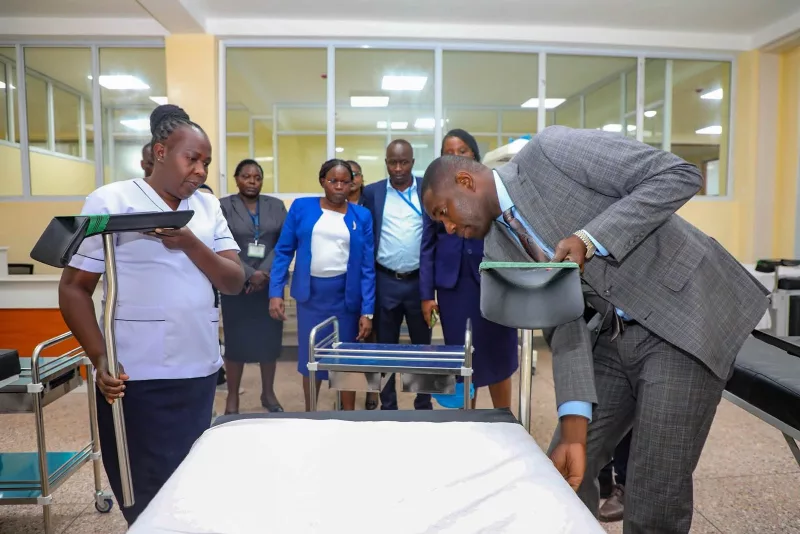
In a major stride to strengthen healthcare delivery, the county recently recruited 346 additional health workers, including nurses and other critical cadres, prioritising remote and underserved areas.
The new recruits have been deployed across the county’s 20 wards.
Kachapin met with the staff, stressing the pivotal role they will play in transforming healthcare at the grassroots level.