What began as a simple idea among community environmental groups has grown into a city-backed model of turning waste into wealth, transforming how residents of Kisumu manage and perceive garbage.
At the heart of this transformation is the Mamboleo Material Recovery Facility, operated by the Miya Ywech Consortium, a community-based organisation championing recycling and sustainable waste handling.
The facility has become a key collection and sorting centre for plastics, glass, organic waste and clothing, creating income opportunities while reducing pollution.
Peter Odero, one of the team leads at the facility, said the initiative started with a shared desire to clean the city and protect public health.
“We started with a simple idea to clean our city and make our environment better,” he said.
The idea gained momentum after receiving support from Kisumu City management, which provided land at Mamboleo, and development partners such as Purpose, who supported the construction of the facility.
“The city manager, Abala Wanga, believed in our vision and gave us space to make it possible. Our goal was to bring the business aspect into waste management,” Odero said.
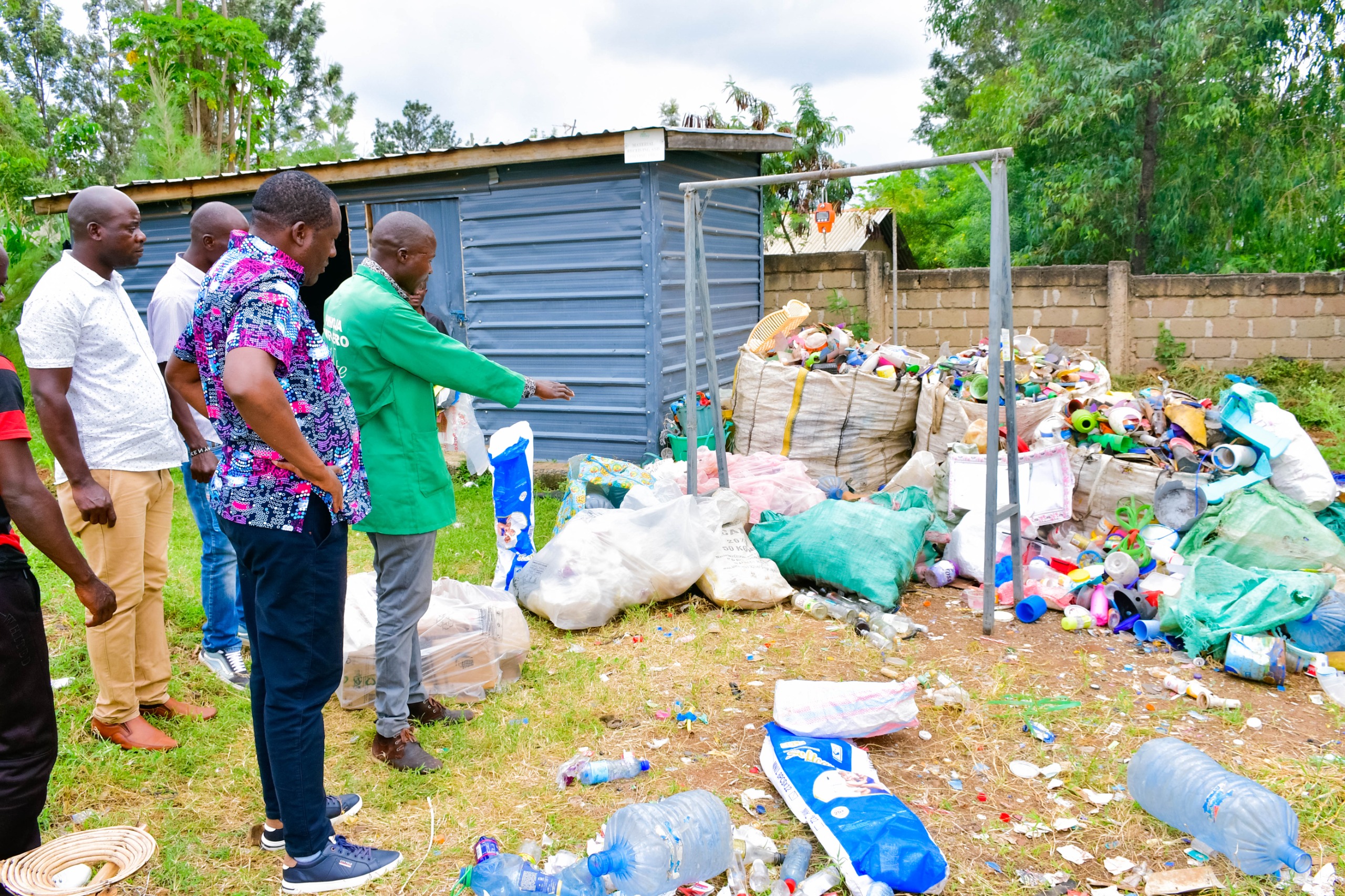
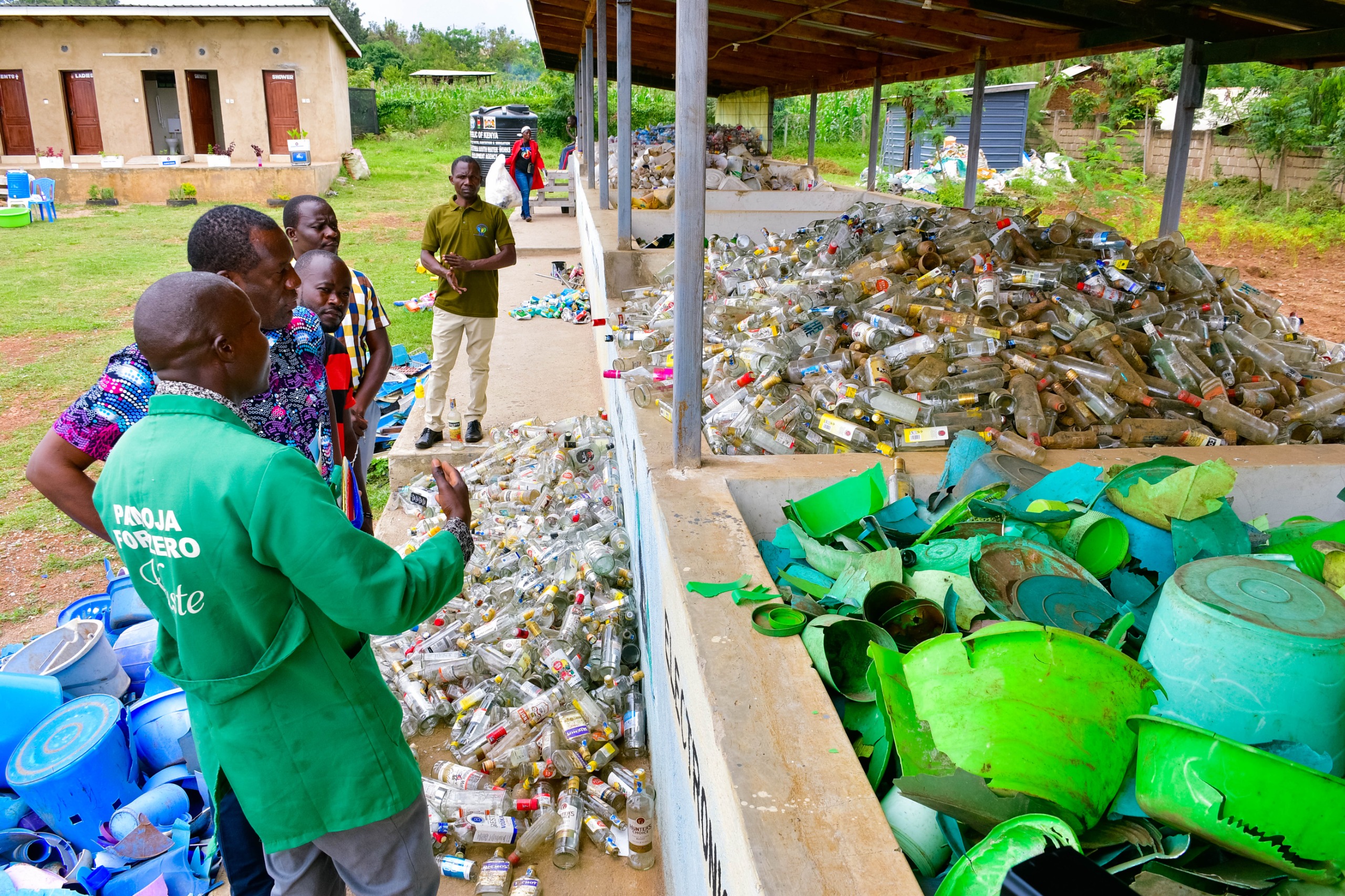
At the centre, waste is carefully sorted into different categories to ease recycling and improve value.
Community members and private waste collectors bring in the materials, which the facility buys before processing and selling to recyclers.
“We no longer call it waste, we call it resources. Different materials attract different prices depending on quality. Plastics, for example, range between Sh10 and Sh30 per kilo,” Odero said.
The initiative has created livelihoods for dozens of residents who now earn an income by collecting and selling recyclable materials instead of dumping them in undesignated areas.
Samson Onditi, vice chairperson of the Miya Ywech Community Organisation, said the project has significantly reduced the volume of waste that would otherwise end up in dumpsites or clog waterways.
“Through this partnership with the city, we’ve diverted a huge volume of waste from the environment,” he said.
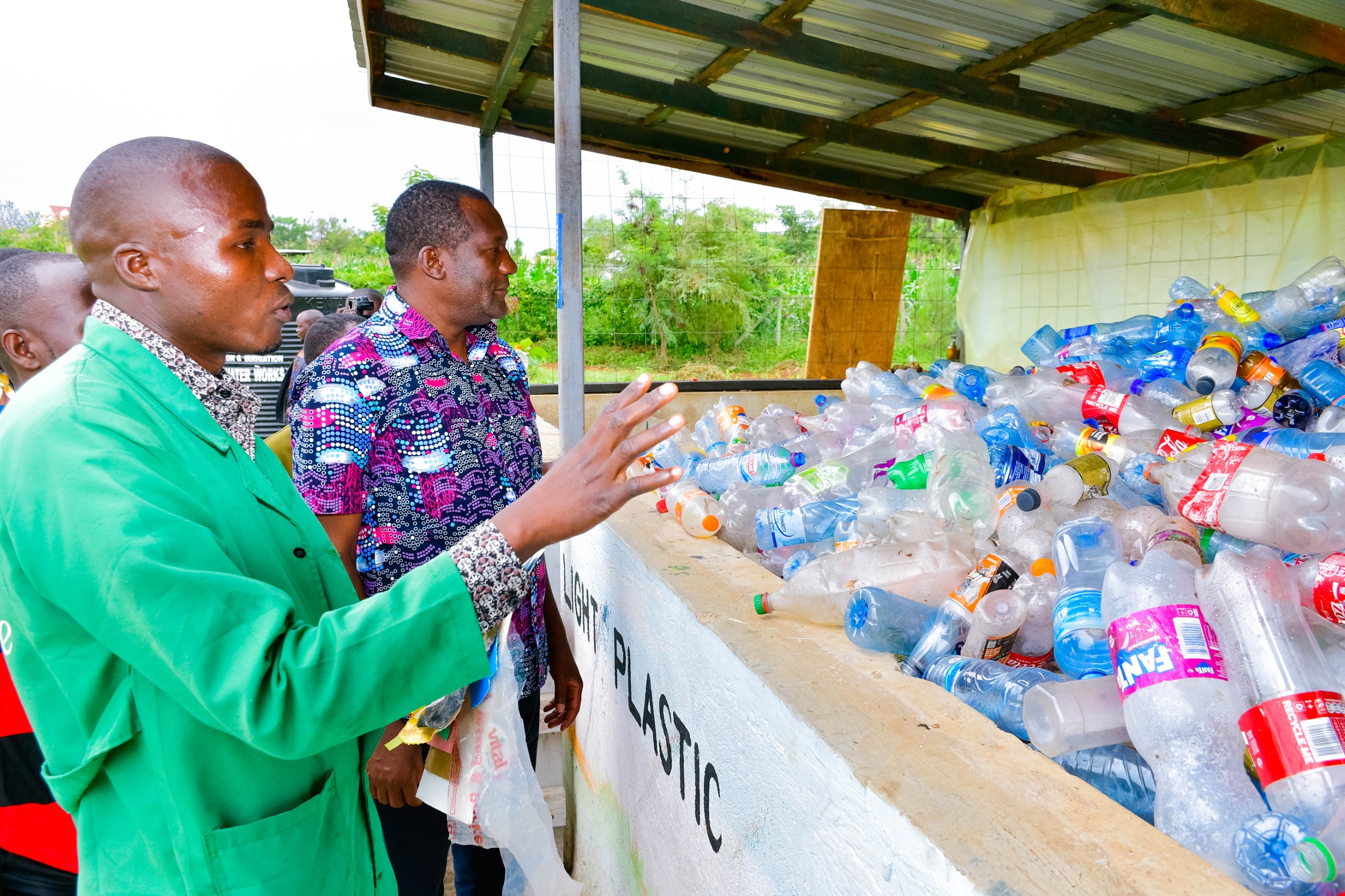
“Light plastics alone account for about 2,000 tonnes every month.”
He added that glass waste collected from hotels and pubs is crushed and exported to markets in Uganda, where demand for recycled materials remains high.
“The Ugandan market requires about 10,000 tonnes of recycled PET plastic every month, a target we are still working towards,” he said.
Onditi urged residents to store recyclable waste instead of throwing it away, noting that even those without transport can benefit.
“We don’t call it waste, we call it wealth. When you bring it here, we pay you for it. And if you have a large volume and no transport, just call us and we will pick it ourselves.”
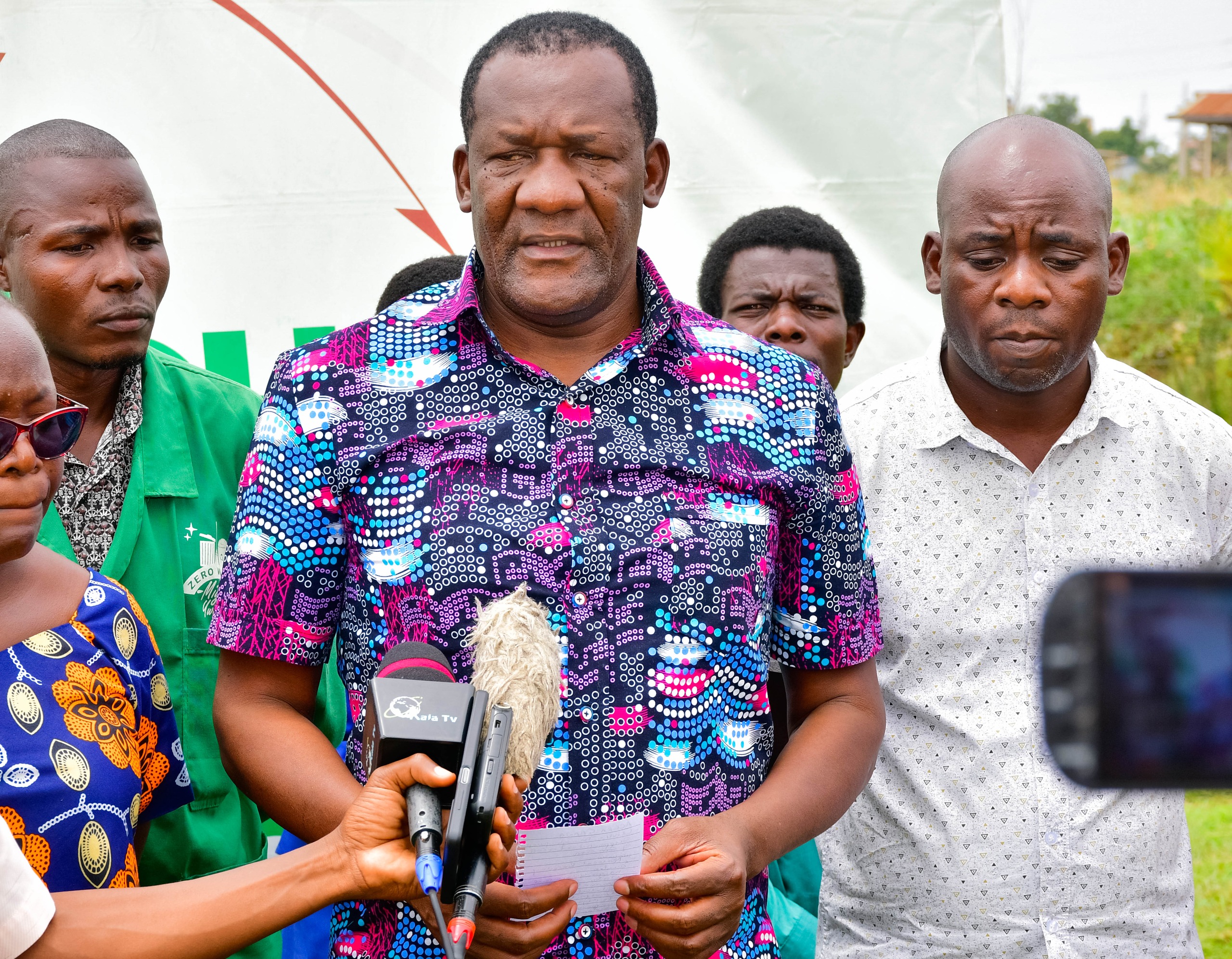
Wanga said community-led partnerships are central to the city’s vision for sustainable urban development.
“This is about responsibility. Kisumu is growing fast, and with that growth comes challenges in waste management," the city manager said.
"Every citizen has a role to play. Proper dumping and recycling are essential if we are to build a healthy and modern city.”
He said the city is prioritising collaborations with community organisations and private waste collectors to strengthen collection, sorting and recycling systems.
“A clean city is not just about beauty; it is about dignity, health and sustainability. We must all work together to make it happen,” Wanga said.
He said the organisation model could be replicated in other parts of Kisumu as authorities push to make the lakeside city a benchmark for sustainable waste management in Kenya and beyond.
“This is an important part of Kisumu’s transformation," Wanga said.
"We want to show that responsible waste management can improve lives, protect the environment and grow the local economy.”