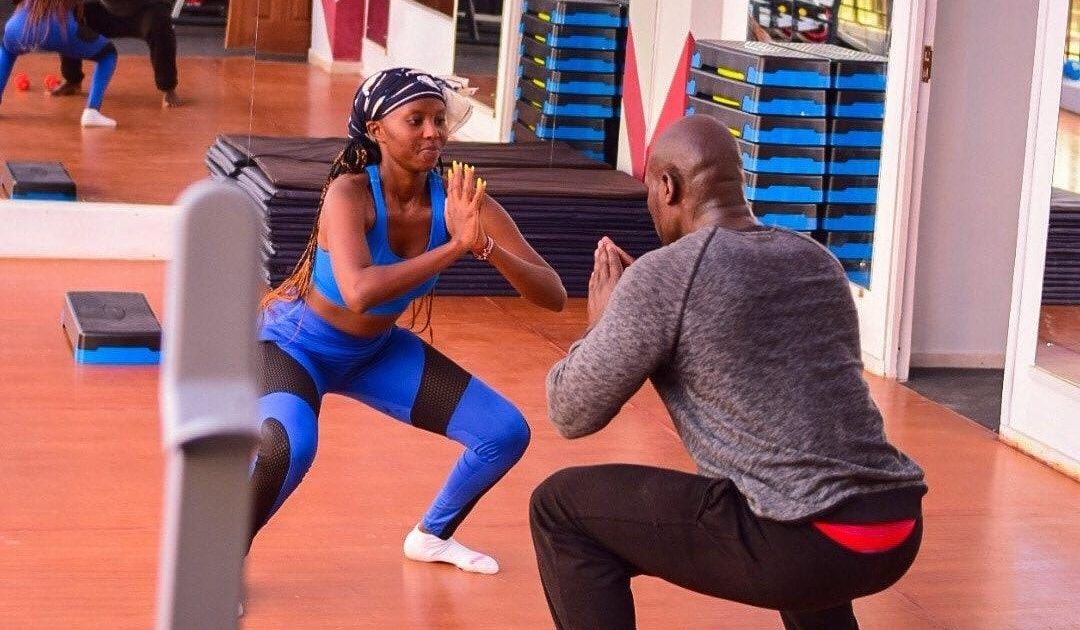
As Kenya enters the second half of the 2020s, a quiet but powerful shift has taken place.
Across cities and towns, from estates in Nairobi to residential neighbourhoods in Kiambu and even in gated communities such as Tatu City, ordinary Kenyans are rethinking health, movement and community wellbeing.
2025 has emerged as a landmark year for fitness; not just for elite athletes or gym-goers, but for everyday people embracing exercise, healthy living and wellness as part of daily life.
From free outdoor gyms and city-wide “step challenges”, to virtual workouts, community running clubs and renewed urgency around lifestyle diseases, Kenya’s health journey in 2025 reflects both global trends and local realities.
What follows is a look at how fitness found new ground in Kenya; the spaces, the motivations, the technologies and the stories of people who are trying to stay healthier.
A rising wave: Why fitness became a priority
The push toward fitness in 2025 did not happen by chance. Experts and health advocates have repeatedly emphasised the growing burden of non-communicable diseases (NCDs), from hypertension and diabetes to heart disease, linked to sedentary lifestyles and poor diets.
In June, the Ministry of Health called for a nationwide shift towards more active lifestyles as a key strategy to combat the rising threat of NCDs.
Speaking during the launch of a policy brief on Promoting Physical Activity in Kenya dubbed ‘Kenya on the Move,’ MOH Head of Health Promotion and Education Management Gladys Mugambi emphasised the urgent need to guide Kenyans on the importance of physical activity.
“We are here to give direction to Kenyans to help them adopt physical activities so that their bodies can be healthy,” she said.
“It is well known that people who do not exercise are at a higher risk of developing non-communicable diseases (NCDs) such as diabetes and high blood pressure.”
In Kenya, as urbanisation accelerates, many people find themselves spending long hours in traffic or office cubicles.
The result: less movement, more stress and growing health concerns.
Against this backdrop, 2025 has seen renewed push by institutions, health-rights groups and communities to re-embed movement into daily life.
In May 2025, the public health group KELIN Kenya, together with the MoH and civil-society partners, handed over a “Physical Activity Policy Brief” to the government, calling for a rights-based, whole-of-society approach to physical activity.
The brief emphasises four strategic pillars: active society, active environment, active people and active systems.
Framed under Article 42 and 43 of the Constitution, the brief reaffirms that safe environments for walking, cycling, and active living are not just policy goals, they are constitutional entitlements.
Participants called on county governments to invest in non-motorised transport infrastructure and prioritize public safety, equity, and wellness in urban planning.
Put simply, the message is shifting: staying active is not a hobby or privilege, it is a right, a public-health need and a societal investment.
From gyms to green spaces: Where Kenyans worked out
Outdoor gyms rise: Free, accessible and community-friendly
One of the most visible indicators of Kenya’s fitness wave has been the proliferation of outdoor gyms.
Tatu City, Uhuru and Central Parks, offer free public outdoor gyms.
Outdoor gyms, also known as open-air gyms or fitness parks, are public fitness spaces featuring durable, weather-resistant equipment designed for physical workouts in natural settings.
They are typically installed in parks, community areas and urban spaces, and are often free to use, making fitness more accessible to everyone.
They offer a variety of equipment for full-body workouts, including strength, cardio and flexibility training, using a mix of body weight exercises and specific machines.
Outdoor gyms often become social hubs where people of all ages and fitness levels can exercise together, fostering a sense of community and providing mutual motivation.
The natural environment offers a refreshing alternative to a climate-controlled indoor space, which can help combat the monotony of a typical gym routine and keep motivation high.
Sylvia Kariuki, who is among those who from time to time would opt for open air workout, said it was not just about her physical fitness but mental wellbeing as well.
“I am proud to say I attended all Classic Fits and on the first round, I realized that besides having aching muscles, which is in a weird way feels good knowing it is the pain before the reward, I was calm,” she said.
“So I chased that feeling. And now, I work out not just for my body but for my mind. There is something about stretching in open-air with nature clapping for you.”
Parks, trails, run clubs: Rediscovering public spaces
Cities such as Nairobi, Mombasa, Kisumu and others have also seen growing use of public spaces for exercise. Urban parks, forested areas, walking trails and informal running groups have multiplied.
As one commentator puts it: fitness is no longer about bodybuilding or gym culture, “it’s about movement, community and wellness.”
Weekend boot camps, group yoga and mobility sessions, dance-fitness classes, and informal weekend runs are becoming common sights in neighbourhoods.
Jason Omondi joined an estate gym late 2024 after a doctor’s order. At first, he did not like it. He had work, family and a high lifestyle to keep up with, and gym was stealing into that time.
But overtime, he grew to love it. “Mostly because we have these bootcamps and hiking trips. Who would have known I’ll not only work to improve my health but also make new friends?”
These collective workouts serve as much for social connection and mental well-being as for physical health.
Home gyms, compact gear and flexible workouts
Not everyone has time or access to gyms or public spaces especially in dense urban areas or during early morning hours.
As a result, more Kenyans have turned to home workouts using compact, multi-functional gym gear suited for small apartments.
Adjustable dumbbells, resistance bands, foldable treadmills and other space-efficient equipment are increasingly popular.
Virtual fitness, via apps, YouTube, social media live sessions or remote coaching, has also gained traction, making exercise more flexible, self-paced and accessible.
Tech meets sweat: Digital tools driving the fitness wave
One of the most striking developments in 2025 is how digital tools bridged the gap between ambition and action.
Step-tracking apps and social challenges
Apps like Step Up, a step-tracking and challenge app, became a phenomenon this year.
Through social media hashtags like #StepUpChallenge and #10kStepsADay, many Kenyans turned simple walking into a daily habit and a friendly competition.
The app makes fitness feel less like a chore and more like a social game, a shift especially appealing to younger generations.
“I have 6,000 steps today. Yesterday I have 5,890. I’m doing it more than you. You need to walk you know,” this is a conversation that happened between me and my friends more time than I could count.
For many, Step Up replaced expensive gym subscriptions or strict diet plans.
Walking, even instead of a boda boda ride or short car trip, became a healthy, free, and accessible option that fit daily routines.
Wearables, online coaching and home workouts
The rise of affordable smartphones and internet access saw a surge in use of fitness apps, wearable trackers and online coaching platforms.
Kenyans are using these tools to monitor steps, track workouts and follow guided exercise routines from home.
Virtual trainers, video workouts, home-based yoga sessions, and livestreamed group classes have become a lifeline for busy professionals, people working remotely, and those living far from urban gym centres.
People’s stories: Fitness as lifestyle, not fad
Behind the numbers and trends are individuals, as seen, ordinary Kenyans whose lives changed shape around movement, discipline and community.
“I need to get my Steps in” has become a common phrase among Kenyans; walking, dancing, jogging, lifting weights is not just for bodybuilders or athletes. It’s for all of us.
Fitness coach and community-trainer Shiverenje Simani, founder of a Nairobi-based wellness group, told a local podcast that run clubs and weekend group fitness have helped demystify exercise.
“What we see now is people wanting fitness not just for looks, but for overall health, stress relief and mental well-being,” he said to Kenyan Poet.
For many young professionals, juggling work, family, commuting, early morning runs, Step Up challenges, or home workouts have become a way to reclaim time and invest in long-term health rather than short-term trends.
Institutions, activists and policy: Pushing for a healthier nation
The momentum in 2025 was not only personal, it was structural. Health advocates, civil-society groups and policymakers joined the push.
The handover of the “Physical Activity Policy Brief” to the Ministry of Health marked a significant moment, signalling that physical activity was being recognised as more than lifestyle, but as a public health and human rights issue.
Organizations like AREPS (African Register of Exercise Professionals) held public fitness events in Nairobi.
In one such event at the national convention centre, over 100 people, from children to older adults, participated in aerobics, dance-fitness, Zumba, taebo and more.
AREPS chairperson Wilson Onyango underlined their motivation to ensure sports trainers are equipped with the necessary training techniques in sports, together with educating the community on the importance of exercising and being fit.
"We realized there's a gap in knowledge of keeping fit, and we took the opportunity to educate trainers in sports and other areas on that important aspect. We started CPR and first aid two years ago, and we aimed to ensure proper first aid treatment in case of injuries in sports,” Onyango told Citizen Digital.
These events and policies show a commitment to making fitness inclusive, accessible and embedded in daily life, not just a pursuit for the affluent or privileged.
Challenges, pressures and the road ahead
Even with gains, the fitness wave faces headwinds. Urban congestion, long work hours, limited public infrastructure in some areas, and outdated cultural attitudes remain obstacles.
As one 2025 article warned, failure to stay active remains a major risk factor for non-communicable diseases worldwide, and Kenya is not immune.
For many, diet remains a challenge, balancing healthy eating with affordability and time.
Home-based workouts can help, but sustained lifestyle change requires discipline, motivation and societal support.
There is also the question of sustainability: will this 2025 momentum carry into future years, or will it fade as novelty wears off? Experts suggest that embedding fitness into public policy, community design (parks, outdoor gyms), workplace wellness and social culture will be crucial for long-term impact.