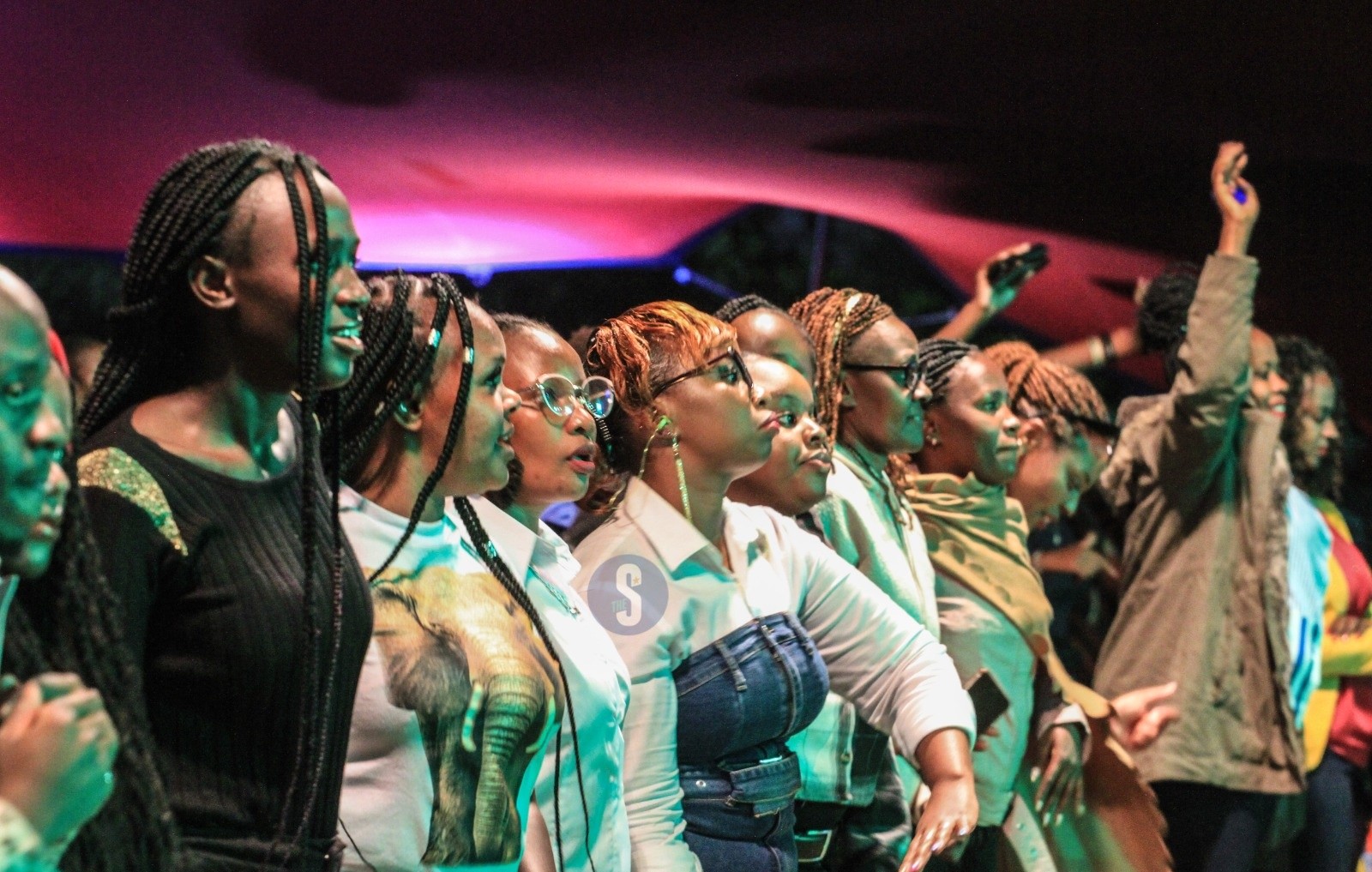
 Kenyans attending the Churchill Crossover show at KICC usher in 2025 at the stroke of midnight. /FILE
As the clock counted down the final seconds to midnight on New Year’s Eve, Kenyans gathered in town squares, beaches and church grounds and waited with bated breath to usher in 2025 in style.
The first photographs showed fireworks blooming over the sky in cities like Nairobi and Mombasa, faces lit by colour and anticipation.
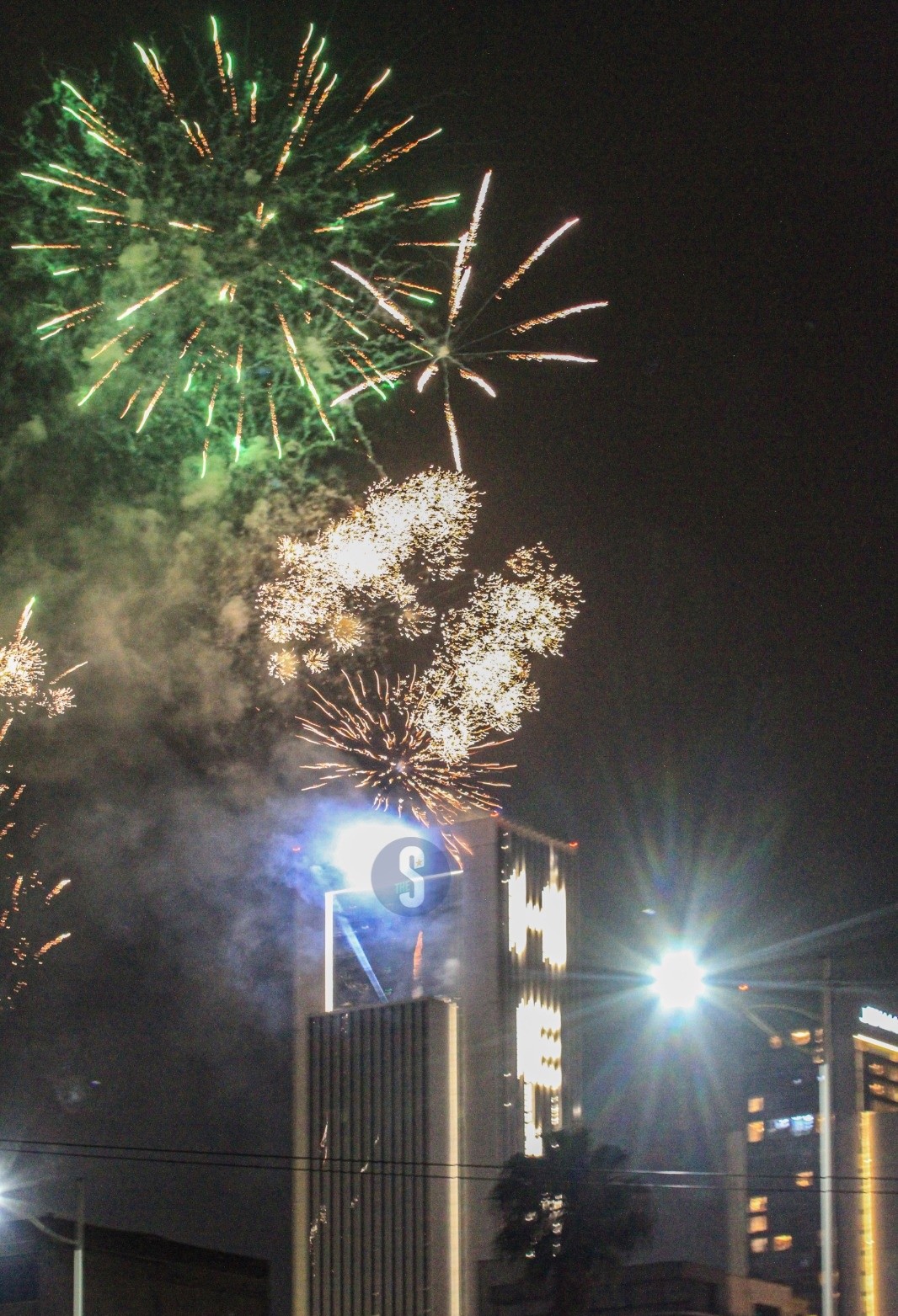 Fireworks display at the Nairobi Global Trade Centre on January 1, 2025. /FILE
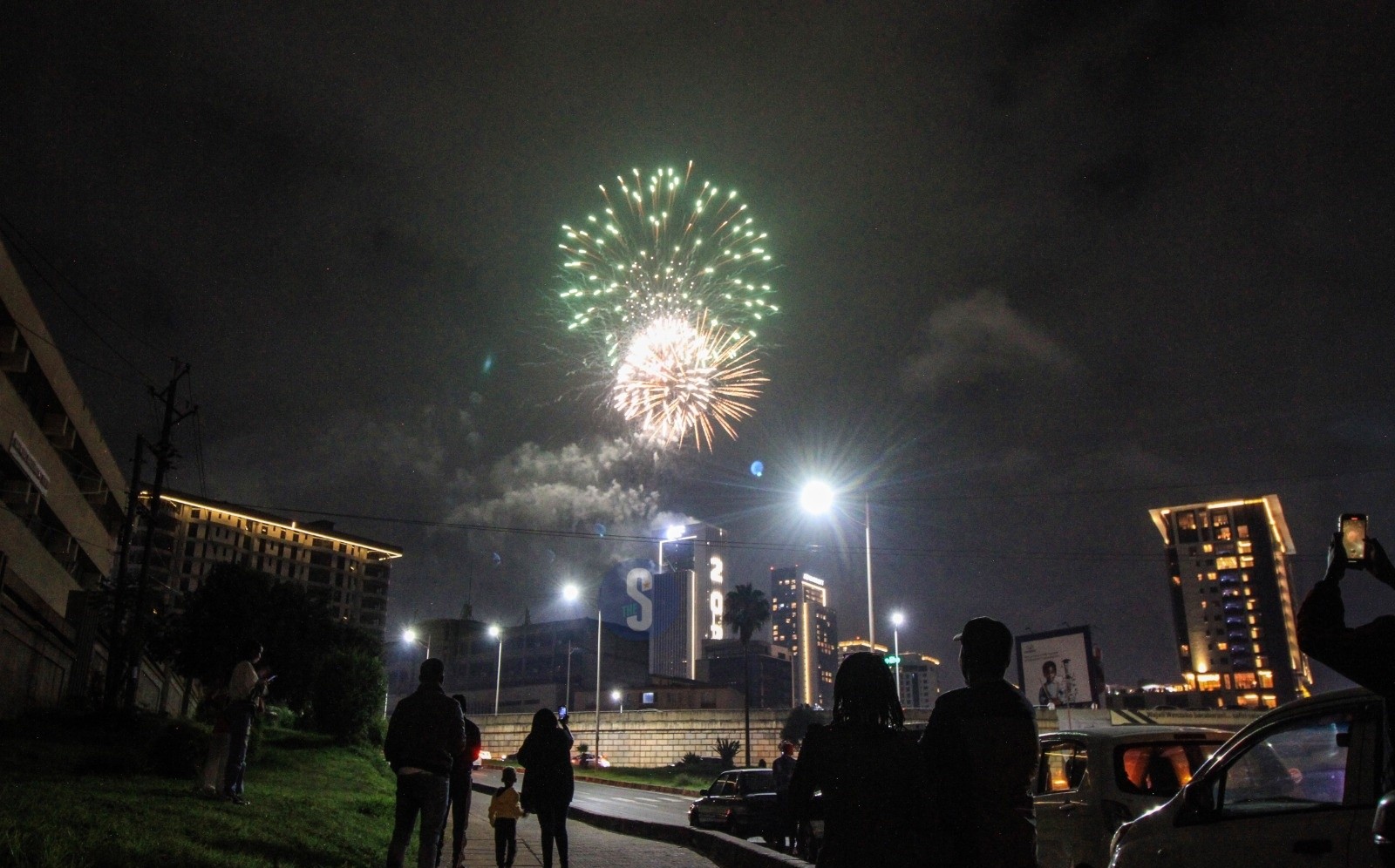 Motorists gather along Wangari Maathai Road to witness fireworks at the dawn of 2025. /FILE
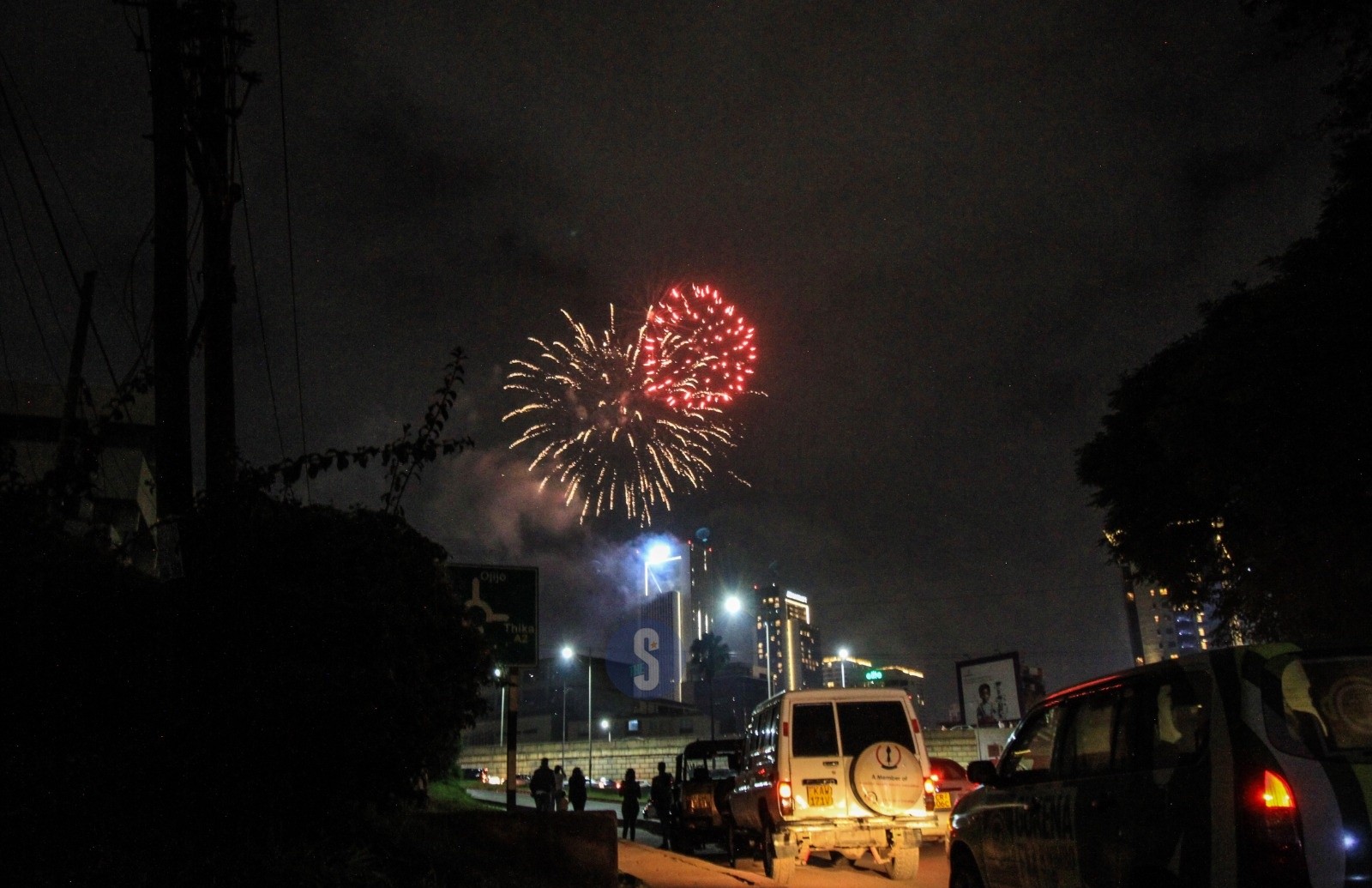 Motorists gather along Wangari Maathai Road to witness fireworks at the dawn of 2025. /FILE
These opening frames were a prelude to more fascinating images captured throughout the year, from intimate moments to scenes that shook the public.
The images collected here trace a calendar of emotions — celebration, grief, protest, pomp, and calamity — each frame a small argument about what Kenyans were up to in 2025.
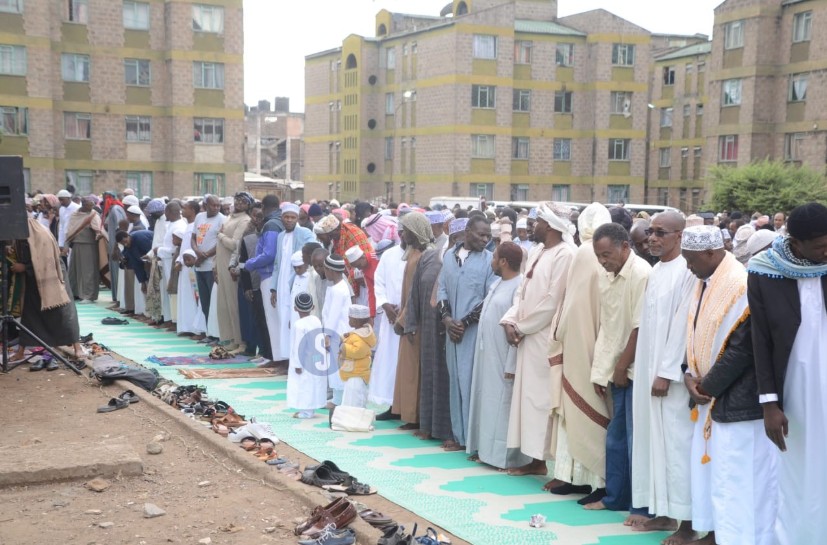 Muslim faithfuls gather for prayers at San Siro grounds in Majengo, Pumwani, to mark Eid ul-Adha on June 6. /FILE
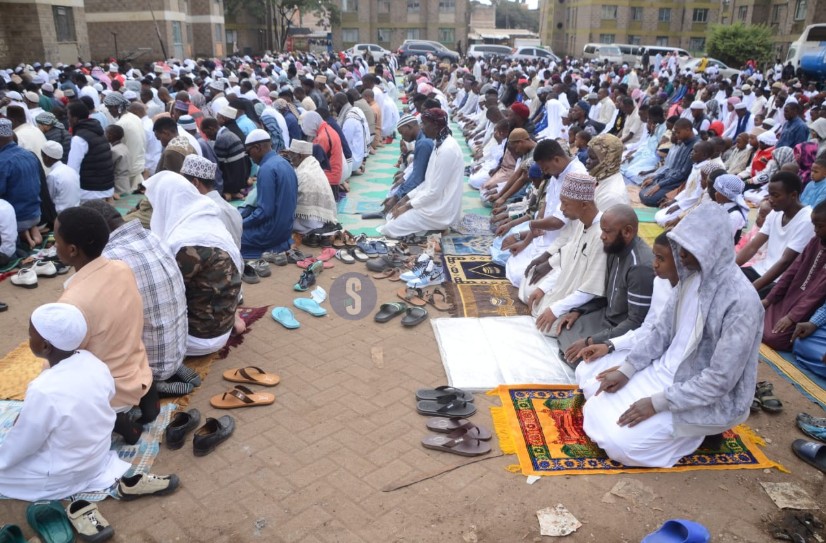 Muslim faithfuls gather for prayers at San Siro grounds in Majengo, Pumwani to mark Eid ul-Adha on June 6. /FILE
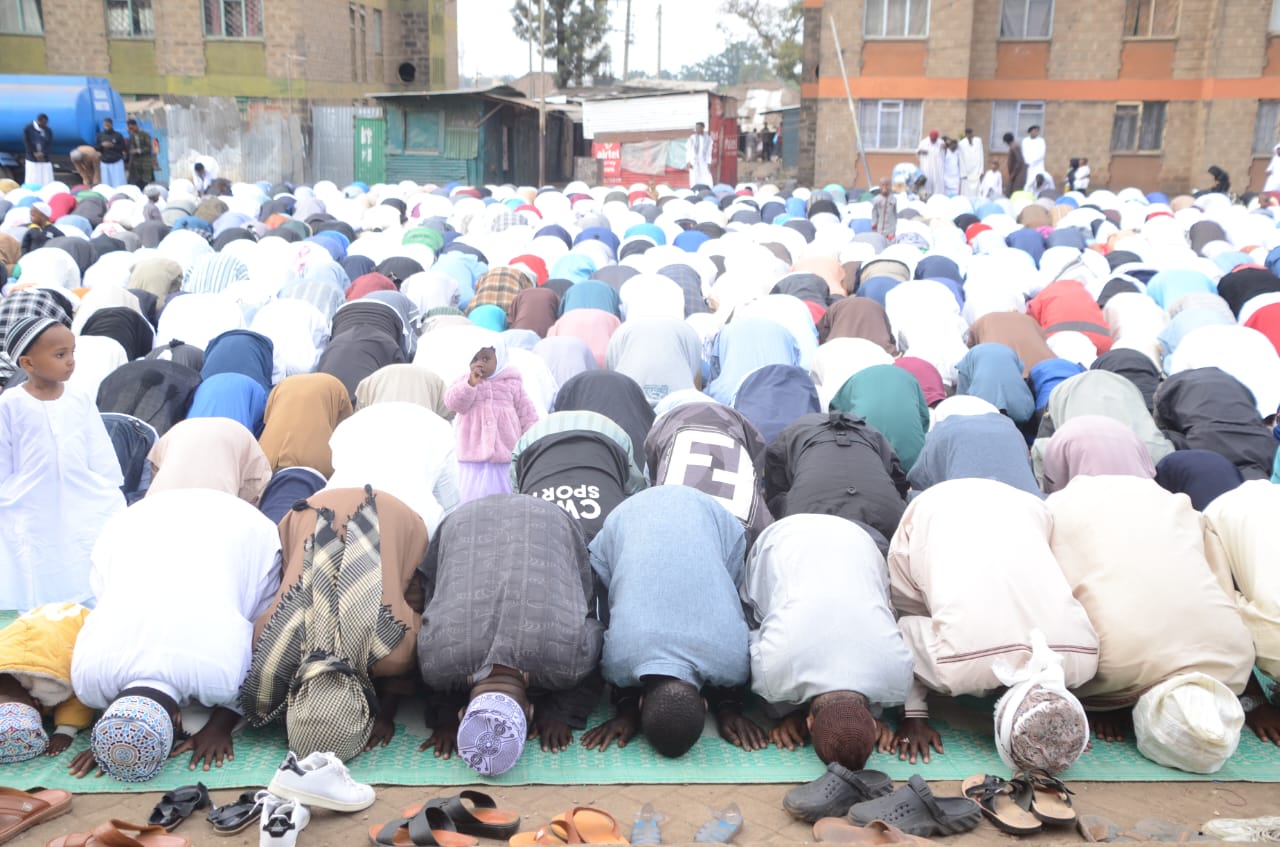 Muslim faithfuls gather for prayers at San Siro grounds in Majengo, Pumwani to mark Eid ul-Adha on June 6. /FILE
State visits supplied some of the year’s most composed tableaux: motorcades, leaders posing on State House steps and ceremonial handshakes and guards of honour.
Notable visits included the state visit by King Willem-Alexander and Queen Máxima of the Netherlands, as well as a number of bilateral visits by presidential and prime ministerial delegations, which brought a diplomatic pageant to Nairobi’s avenues.
These were moments of deliberate choreography — official smiles that stopped time for a photograph yet spoke to deeper negotiations and trade deals humming behind closed doors.
POLITICS
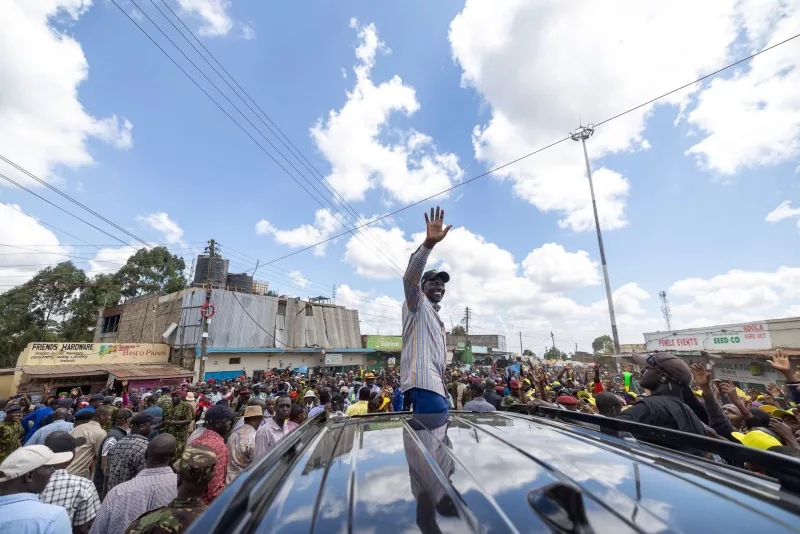
Politics, as ever, supplied spectacle and tension. Rallies filled stadia and roundabouts; banners and slogans rendered politics in colour and motion.
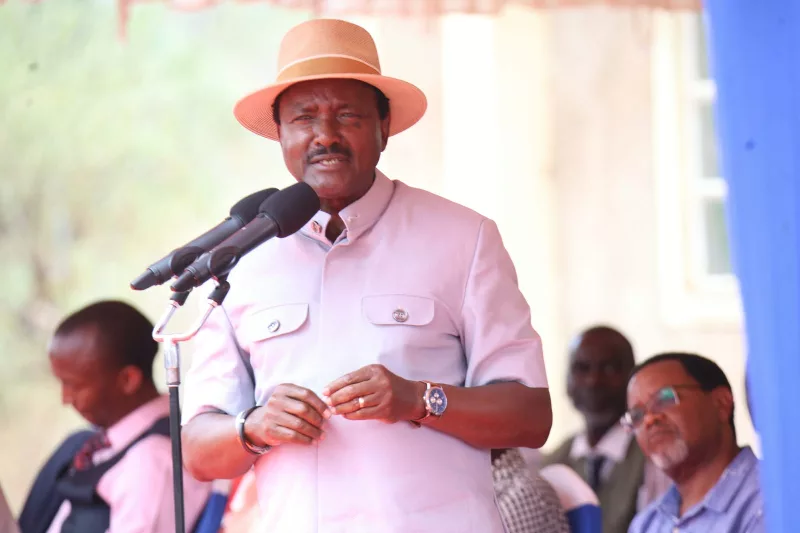
Close shots of speakers at podiums, wide shots of sea-like crowds, and detail shots of hands raised in oath all show the choreography of persuasion.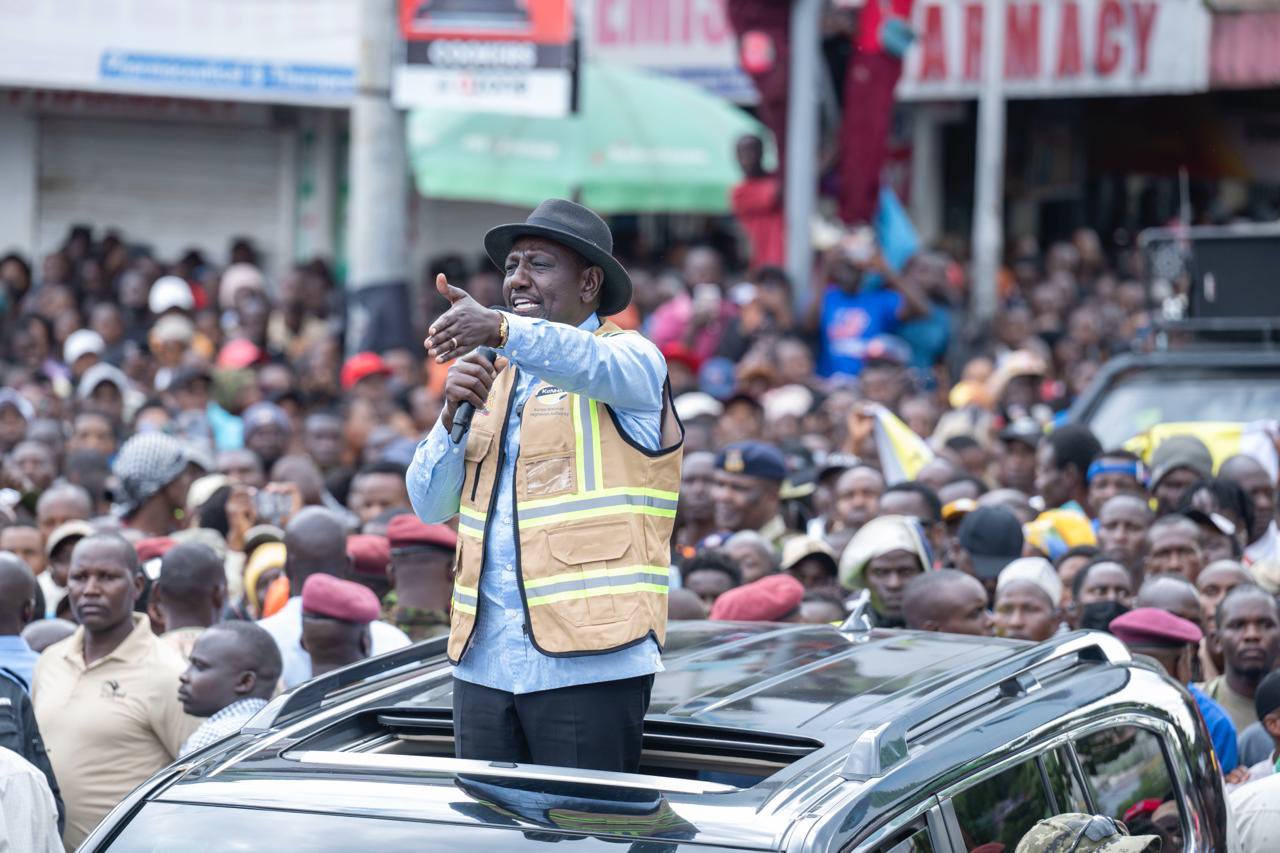 President William Ruto addresses residents of Mau Summit during the launch of the Gilgil-Mau Summit road, November 28. /PCS
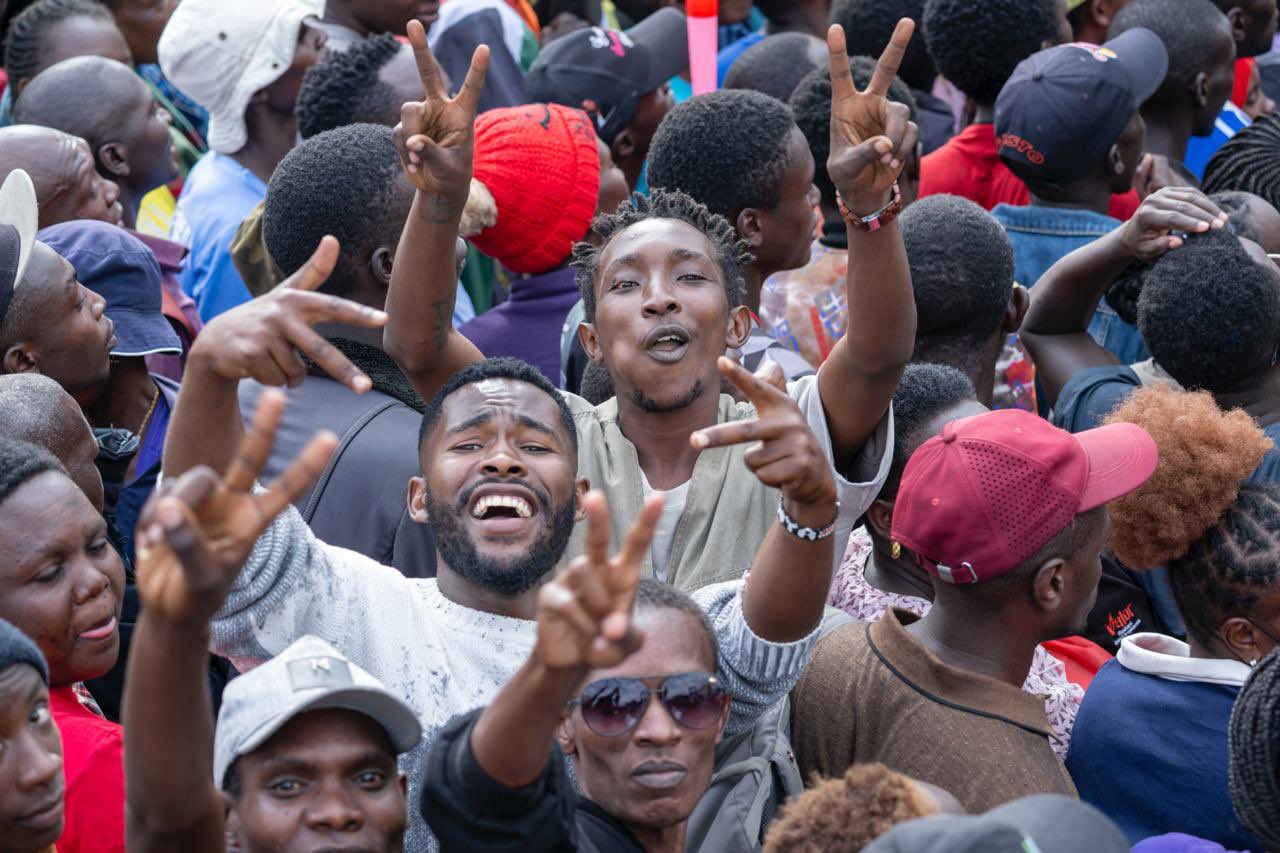 Residents of Mau Summit flash the 'tutam' finger salute during the launch of the Gilgil-Mau Summit road, November 28. /PCS
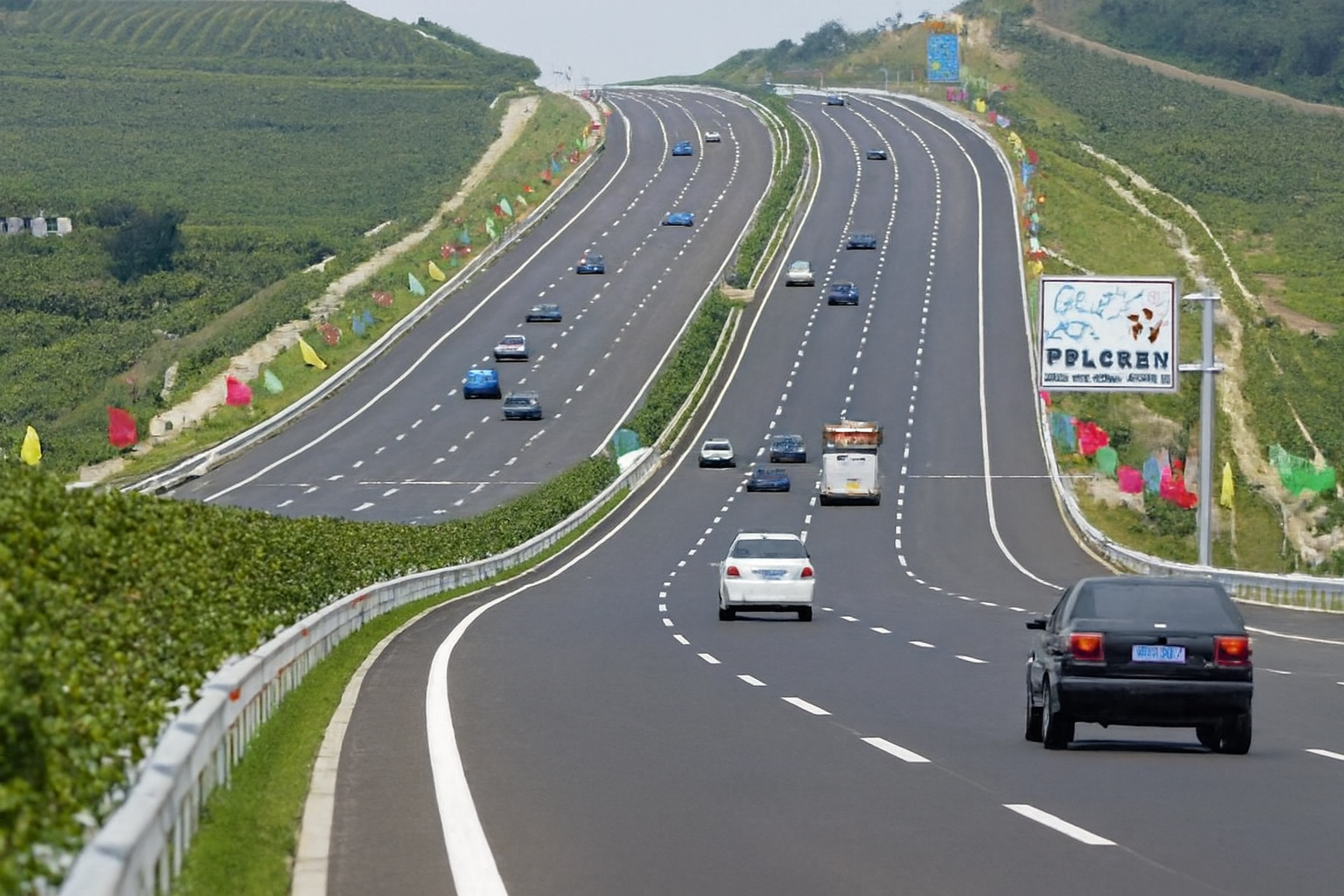 Artist's impression of the proposed Nairobi-Nakuru-Mau Summit Road.
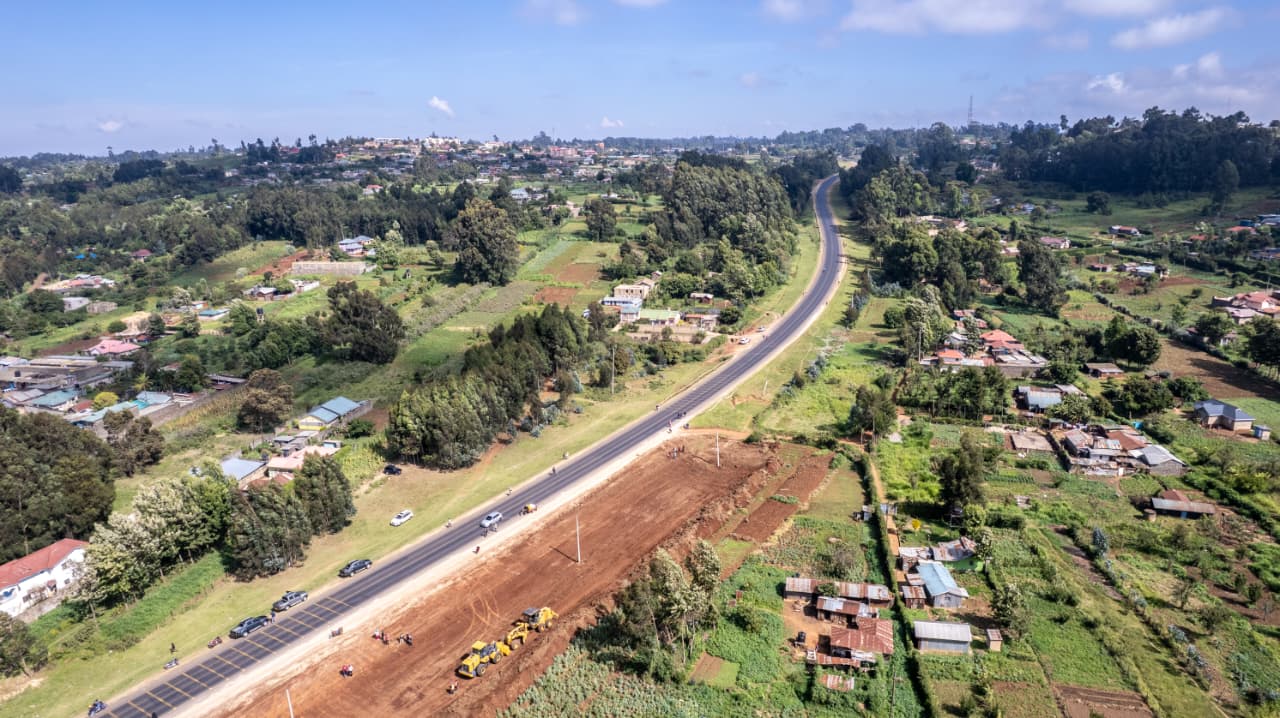 Ariel view of the Nairobi–Nakuru–Mau Summit on Friday, November 28, 2025. /PCS
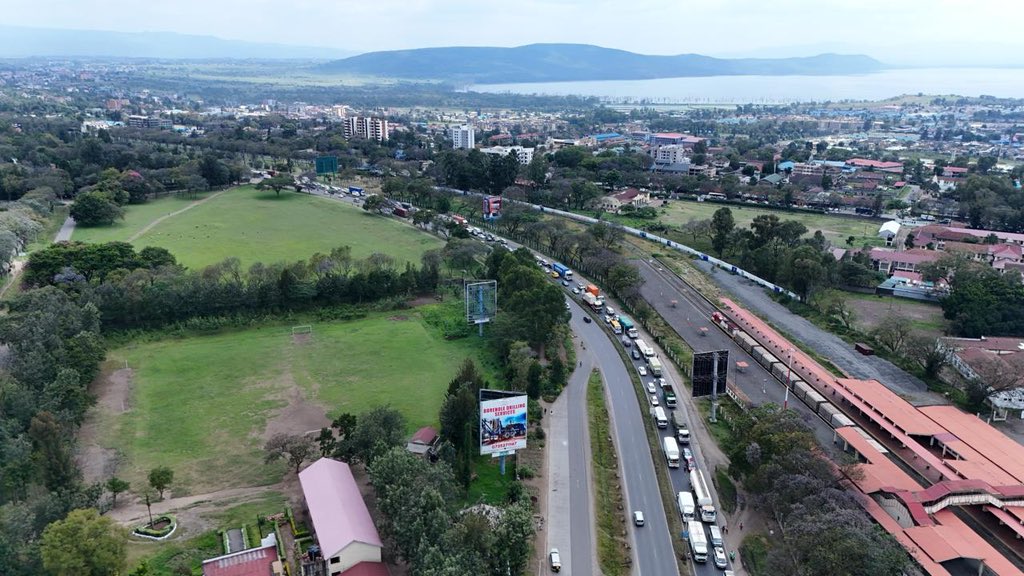 Ariel view of Nakuru City, November 28, 2025. /PCS
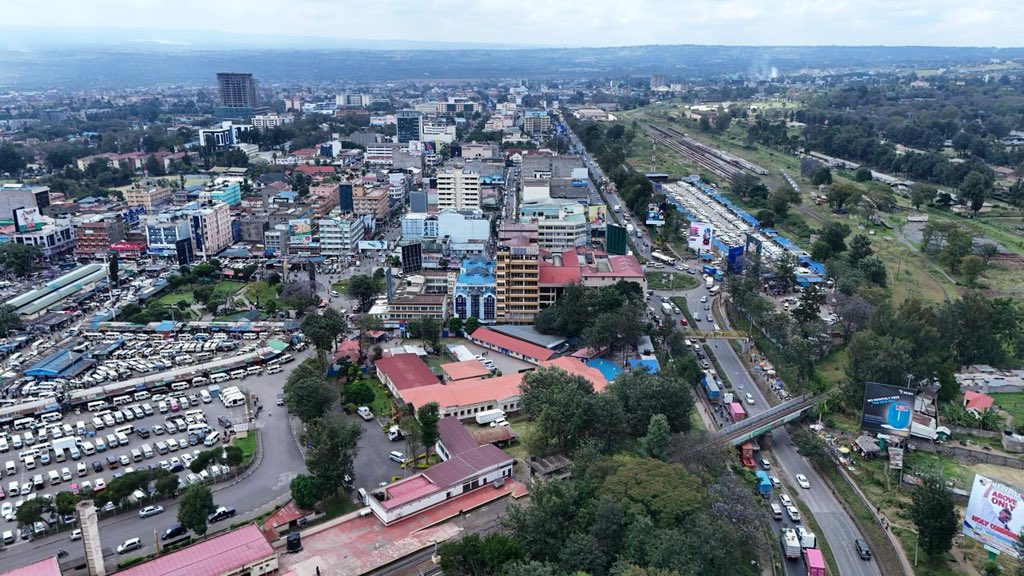 Ariel view of Nakuru City, November 28, 2025. /PCS
In parallel, civic life produced quieter but equally telling images: weddings of prominent figures framed with opulent detail, candlelight and couture.
At some point, hospital wards and lecture halls were full of patients and students, respectively, but the absence of doctors and lecturers was unmistakable.
Medics and dons shunned their daily routines and hit the streets waving placards, demanding better pay, safer working environments and functional public health facilities.
Those protest photographs told of impatience and a citizenry demanding accountability.
Activists and human rights defenders were also a constant scene on the streets as they advocated for justice or spoke truth to power.
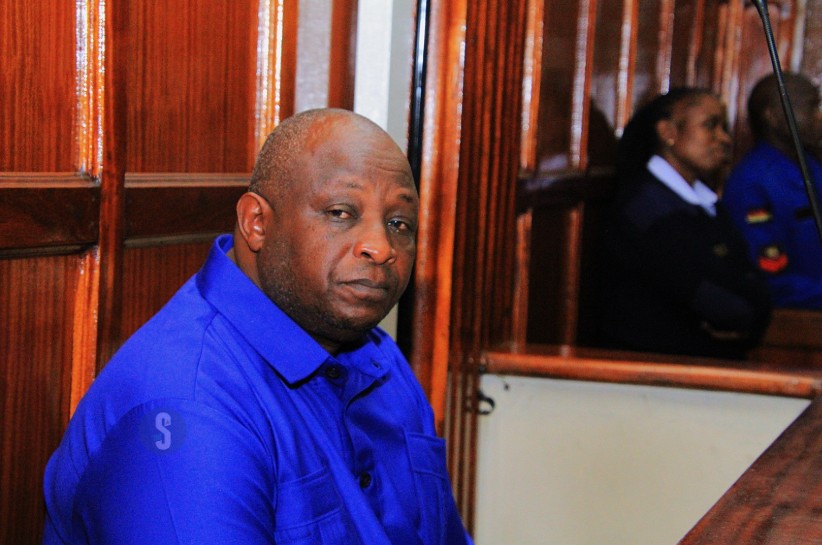 Ex-Central Police OCS Samson Talam in Milimani Court to face charges related to the death of teacher Albert Ojwang, June 16. /FILE
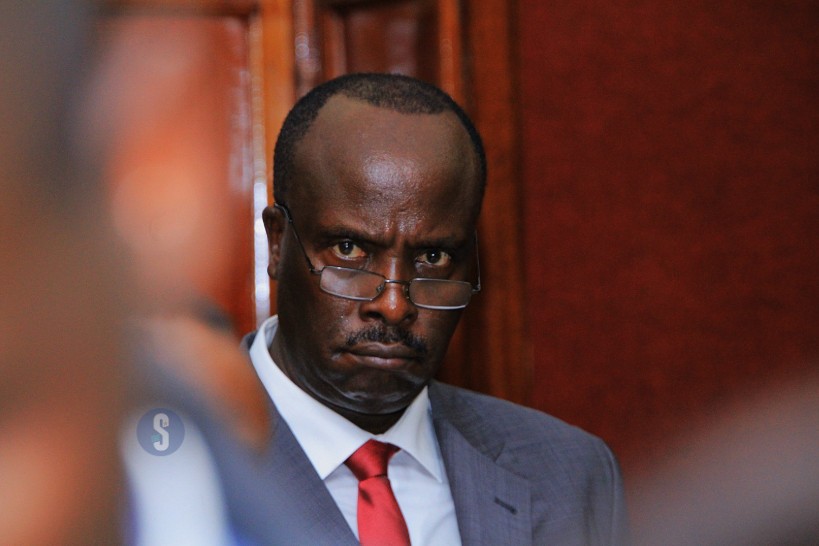 Lawyer Danstan Omari representing former Central police station OCS Samson Talam in court on June 16. /FILE
NATIONAL CELEBRATIONS
National celebrations offered counterpoints: parades with precise marching columns, schoolchildren in crisp uniforms performing traditional dances, faces alight with pride as the flag passed by.
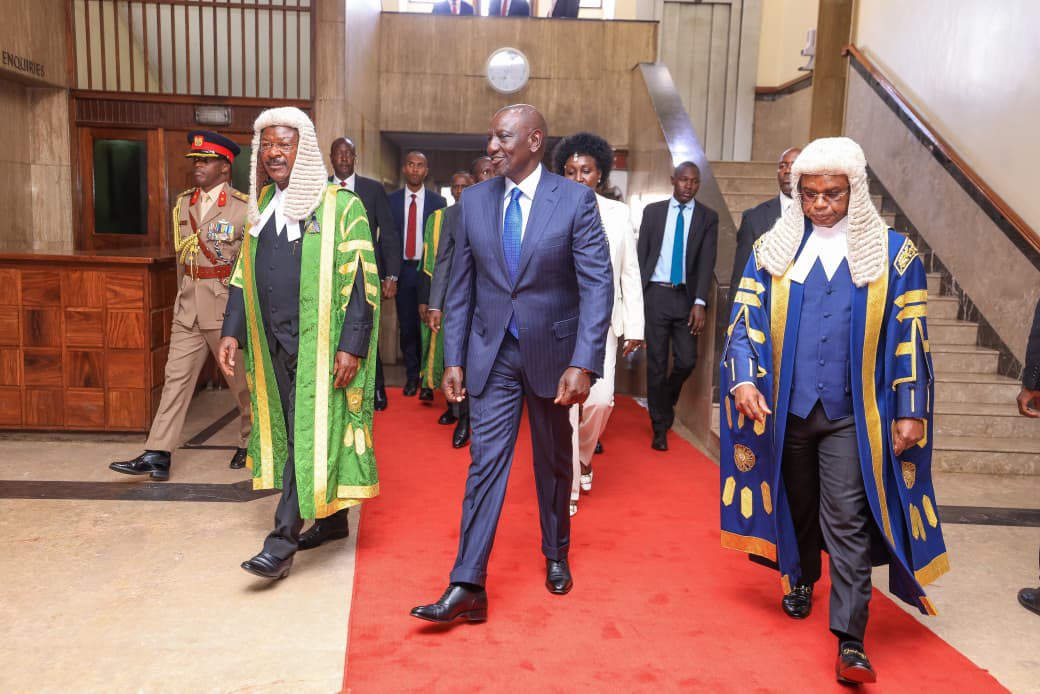 President William Ruto, accompanied by speakers of both Houses, arrives in Parliament for his State of the Nation Address, November 20. /PCS
Photojournalists found narrative in contrasts — a laughing child in the shadow of a stern general, a bride holding back tears on her special day and an activist staring straight into the lens with a placard clenched like a vow.
NATURAL DISASTERS AND ACCIDENTS
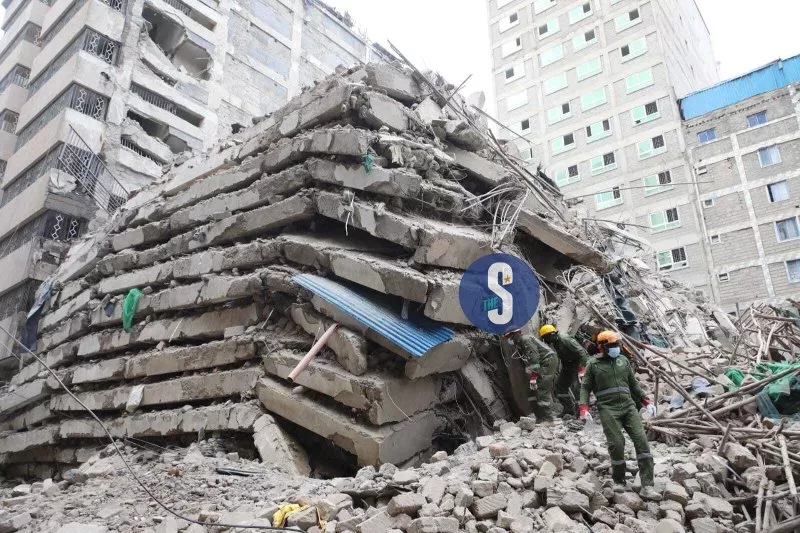
Natural disasters and accidents made the year’s most urgent photography.
Flooded streets swallowed low vehicles, families clinging to rooftops were etched against mud-brown water; fires gutted market stalls and left skeletal frames smoking into the dusk.
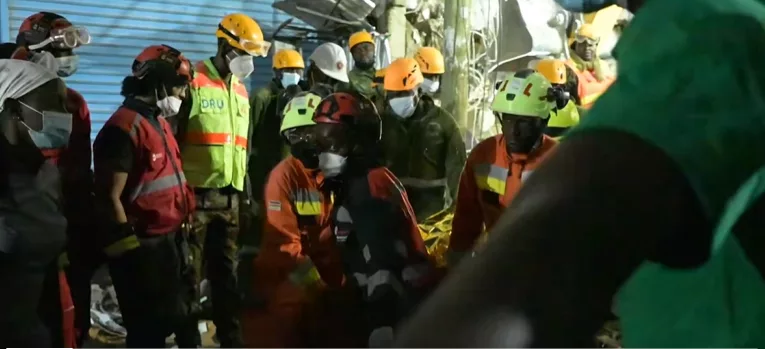
The landslide tragedy in Elgeyo-Marakwet county claimed the lives of 37 people, with 11 people still unaccounted for.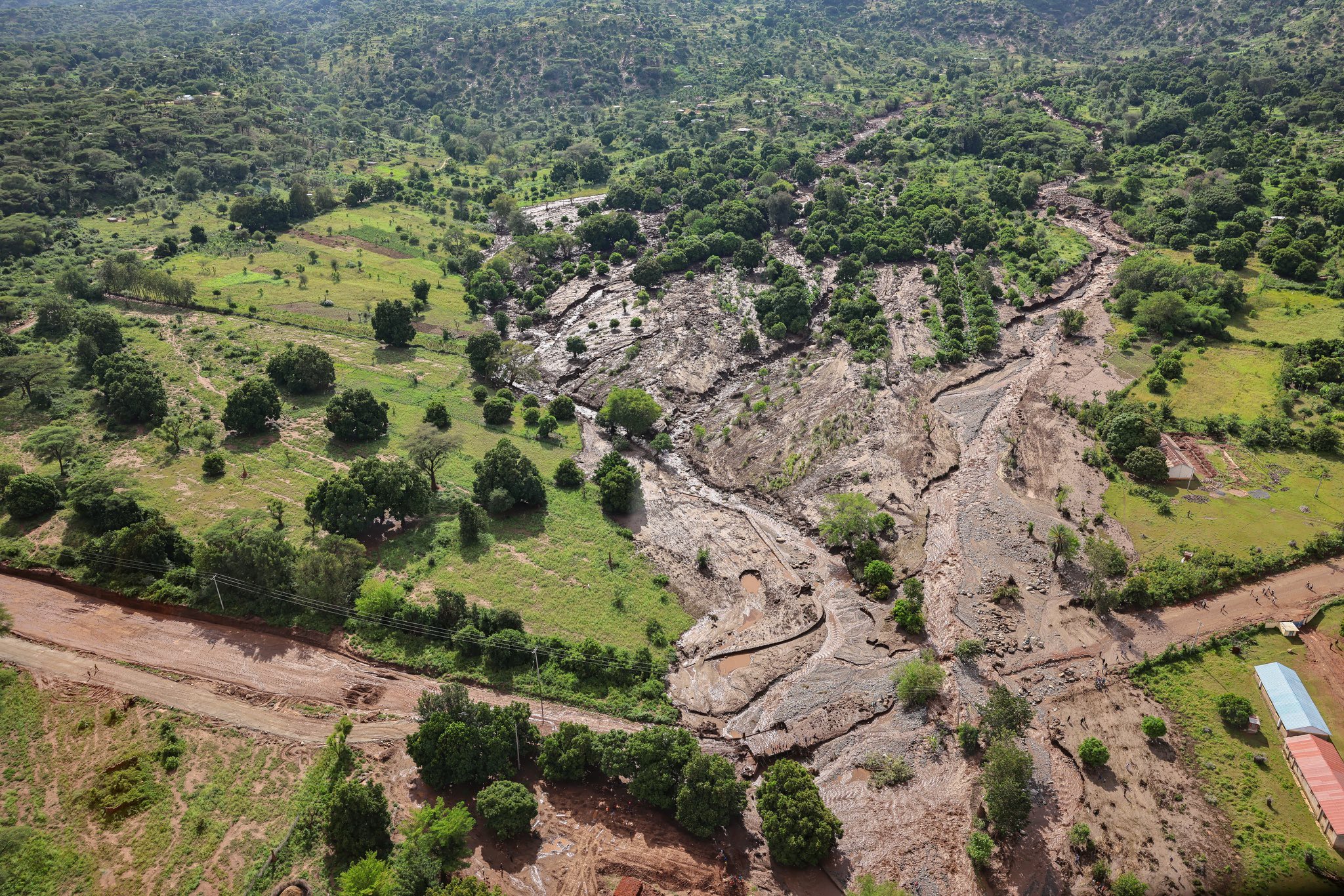 Ariel view of the landslide tragedy in Elgeyo-Marakwet, November 1.
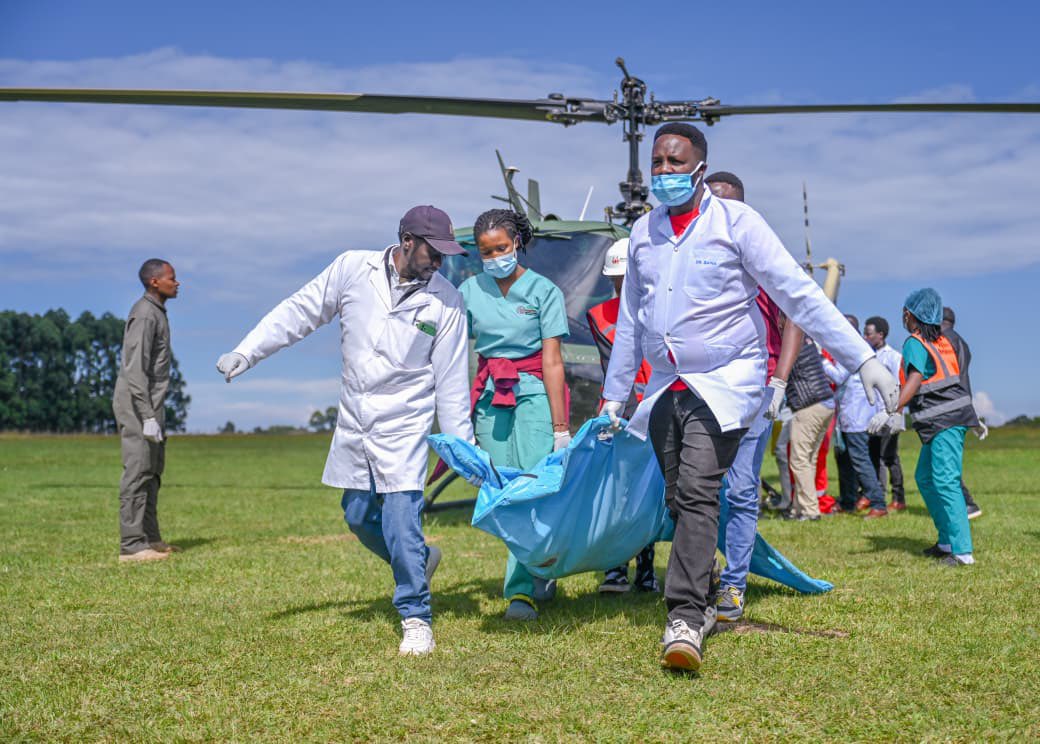 Aid workers and medics retrieve bodies of victims of the Elgeyo Marakwet landslide, Nov 2.
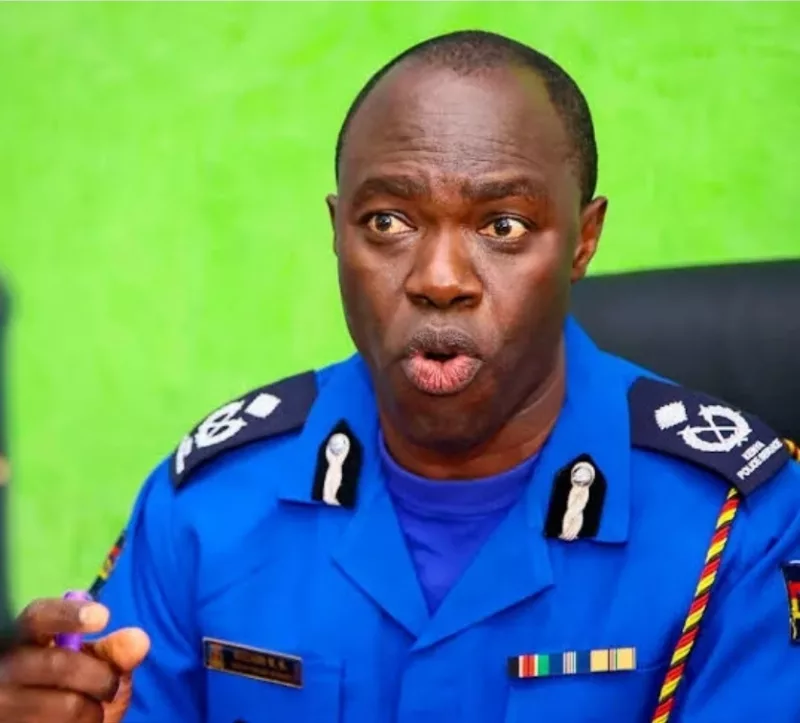
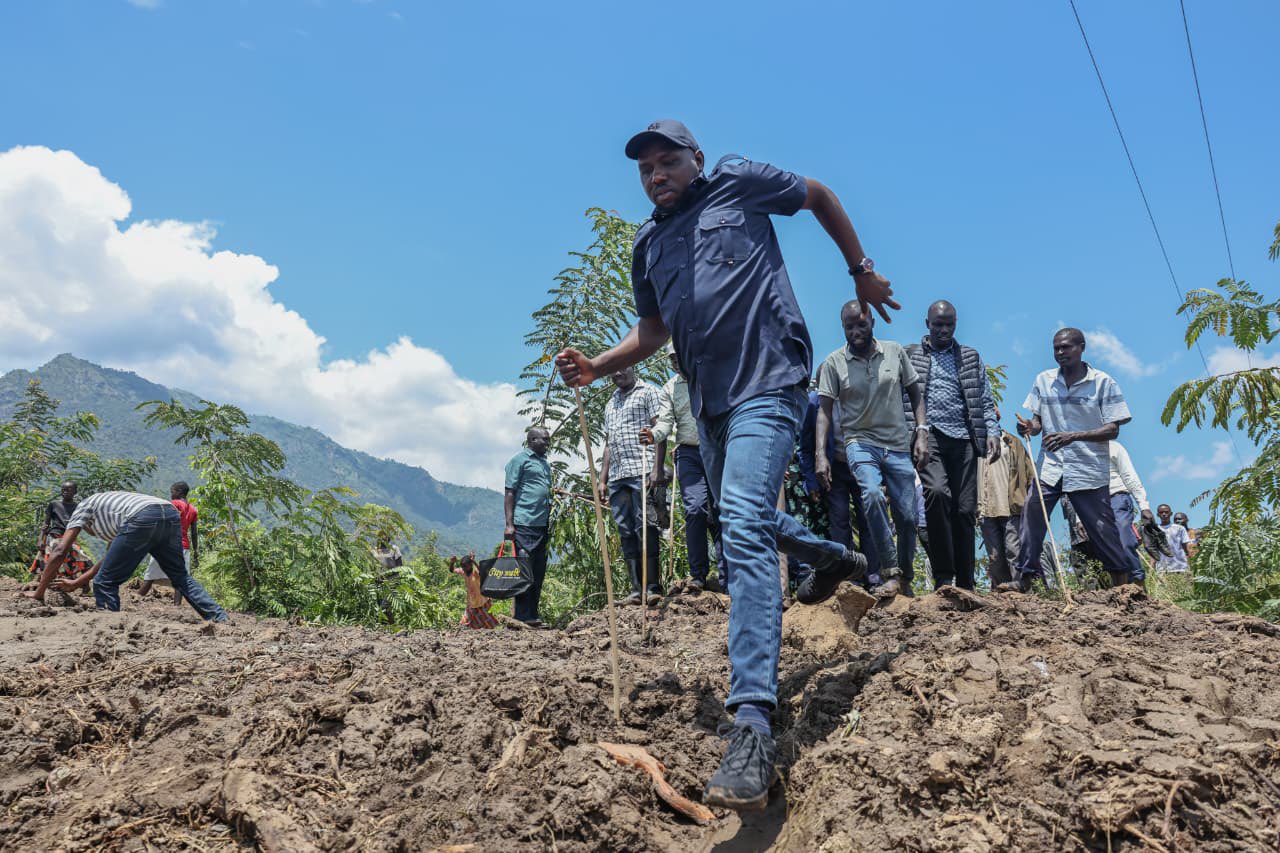 Interior CS Kipchumba Murkomen visits the disaster area, November 2.
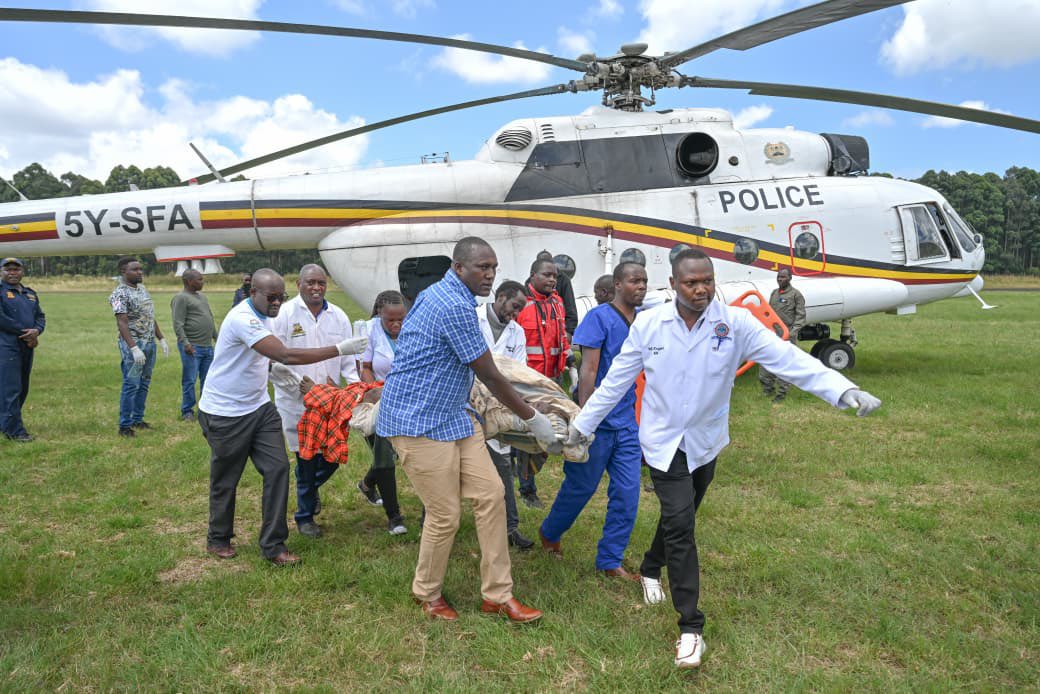 Survivors of the landslide disaster in Chesongoch, Marakwet East being evacuated, November 1.
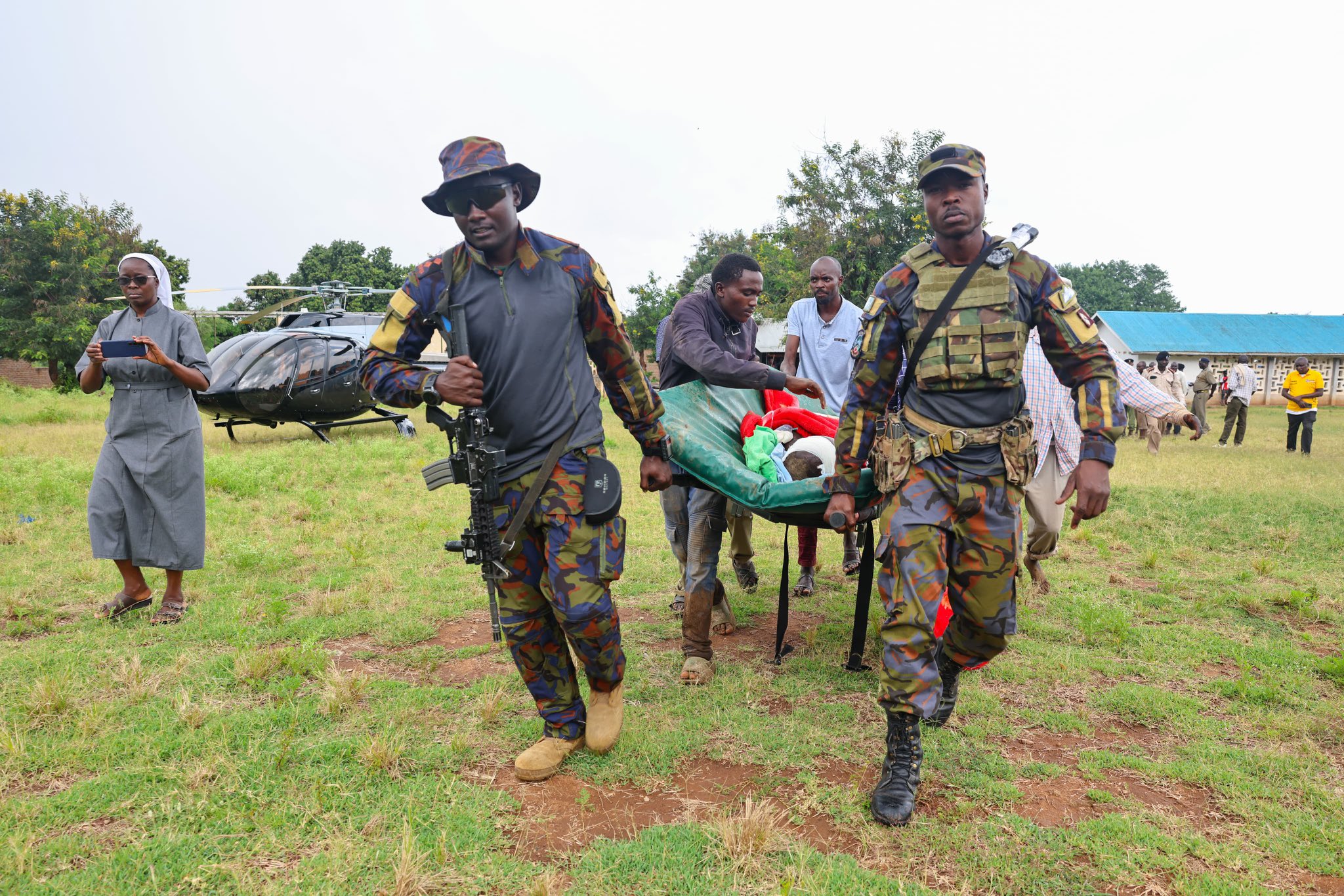 Survivors of the landslide disaster in Chesongoch, Marakwet East being evacuated, November 1.
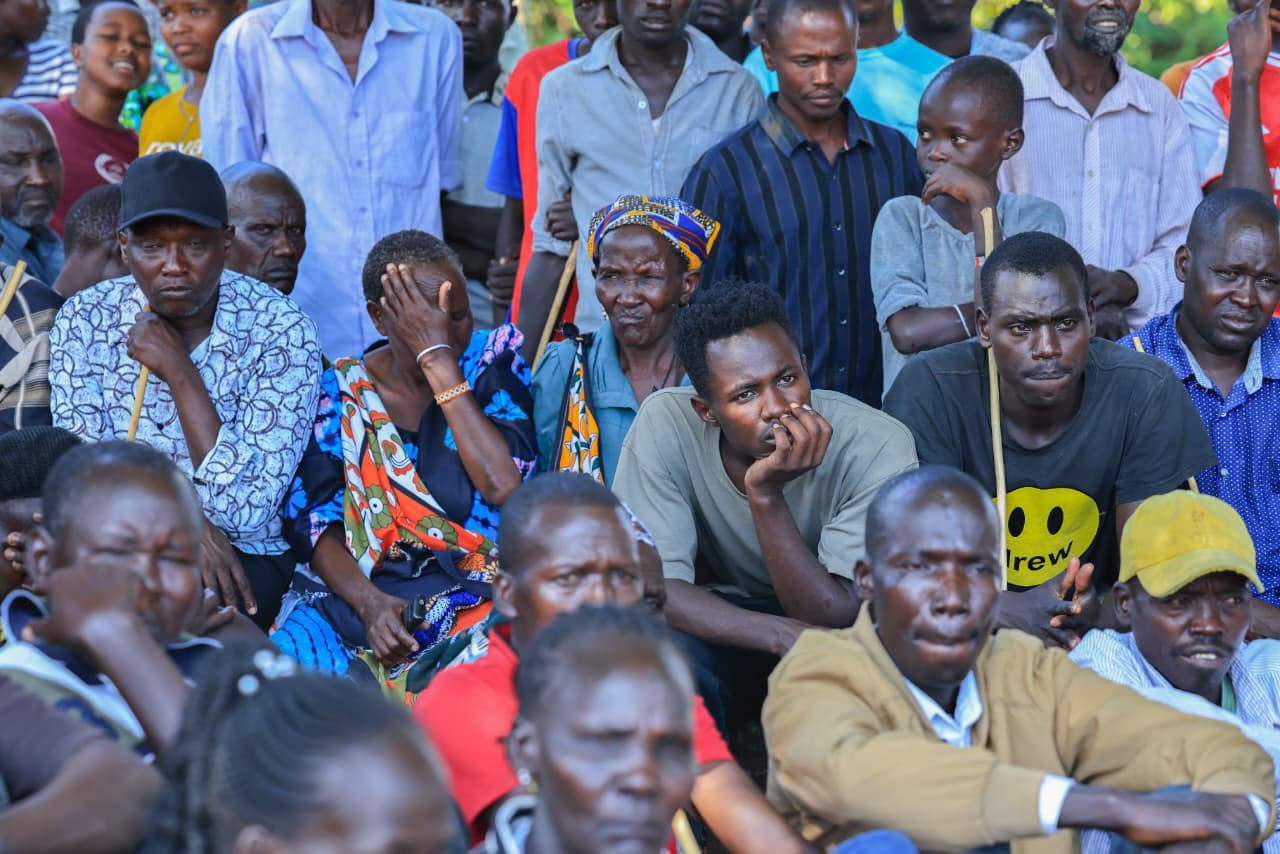 Families affected by the landslide disaster during a visit to Chesongoch, Marakwet East, November 2.
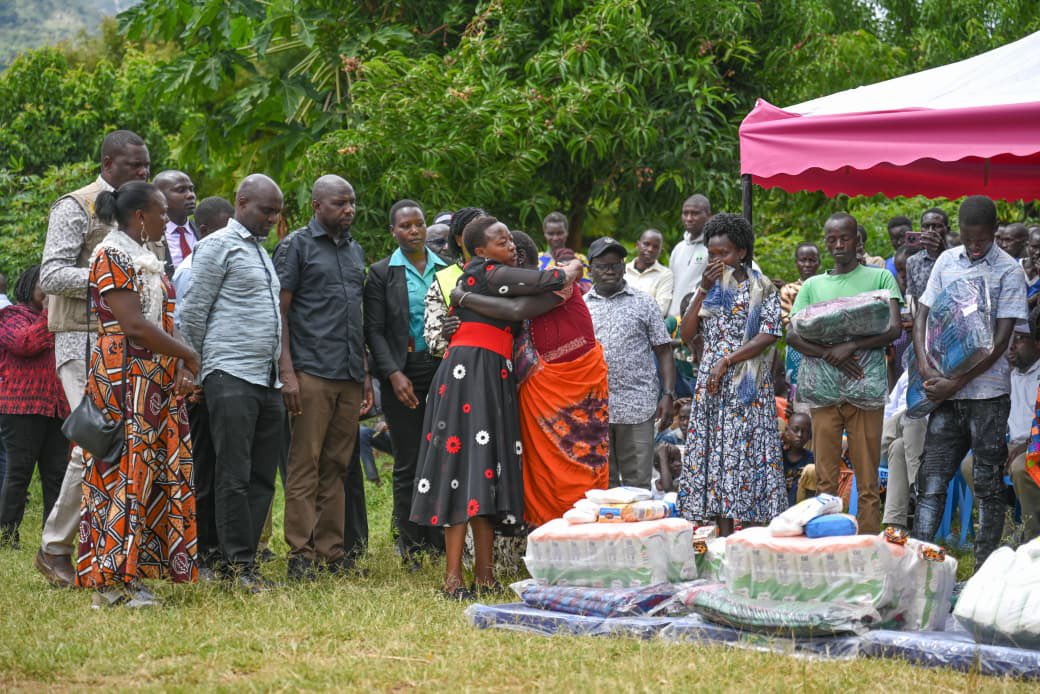 First Lady Rachel Ruto condoles with the families affected by the landslide disaster during a visit to Chesongoch, Marakwet East, on November 8.
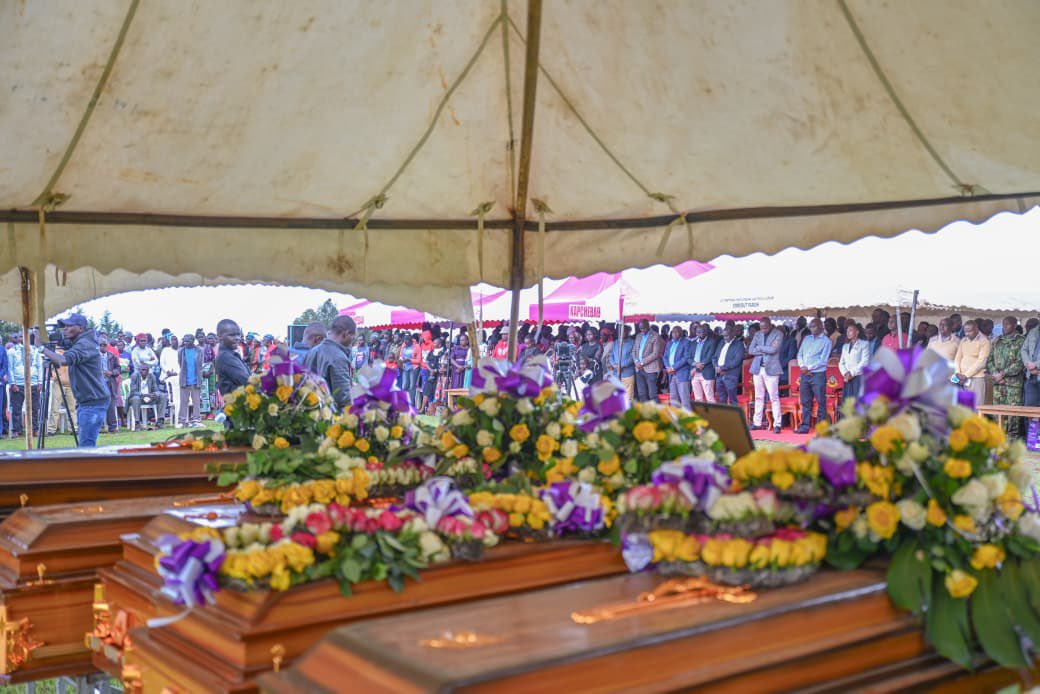 Leaders, families and friends at Kapchebau for a requiem Mass for eight Marakwet East mudslide victims from Embobut and Sambirir wards, November 19.
These photographs compelled attention not by composition alone but by their insistence: here is loss you cannot ignore.
Traffic photography, too; long snaking queues and frustrated commuters under a relentless sun captured the daily grind that ties together millions of small stories.
GRIEF
The year’s grief was sudden and public. The passing of veteran opposition leader Raila Odinga and the arrival of his remains from India produced scenes of volcanic public mourning.
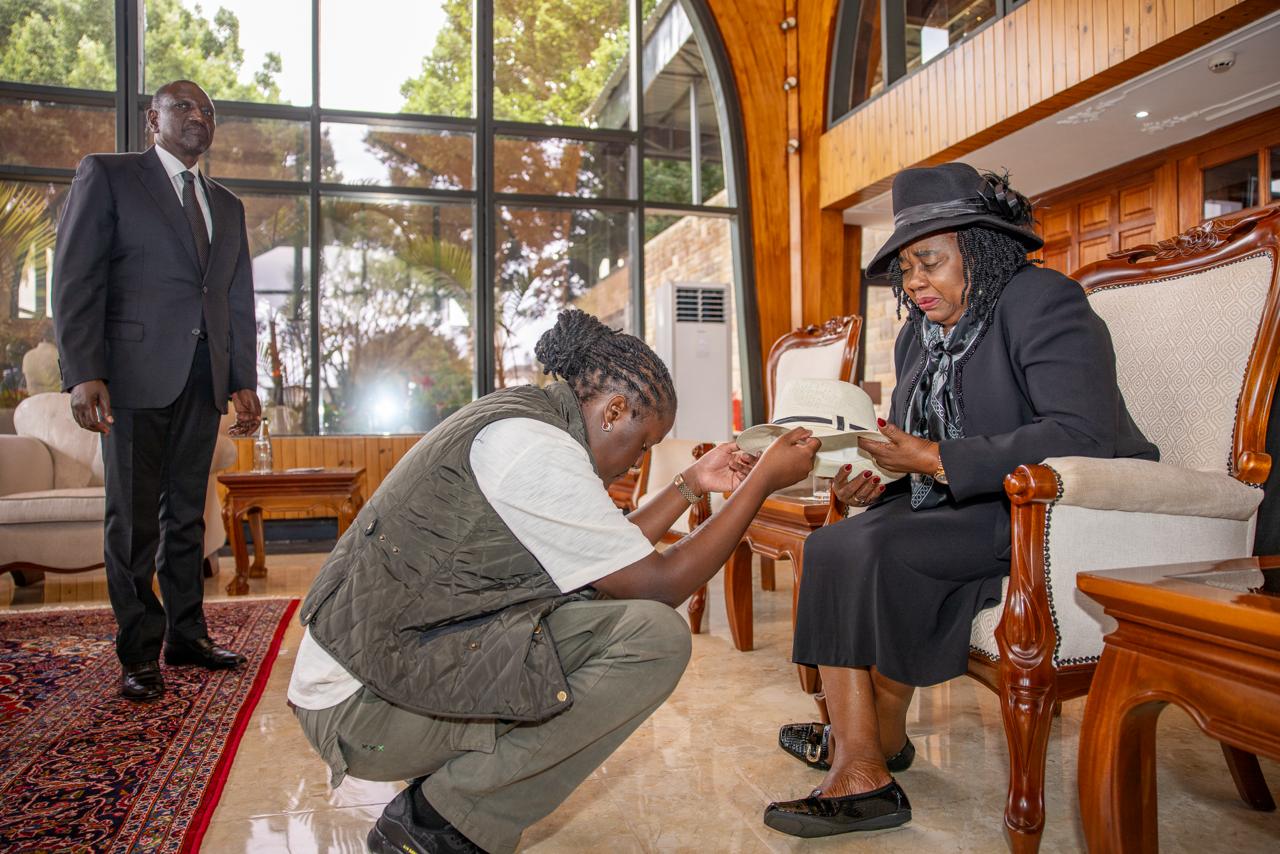 Raila Odinga's youngest daughter, Winnie, hands over her father's iconic white fedora hat to Mama Ida Odinga at JKIA on October 16, 2025. /PCS
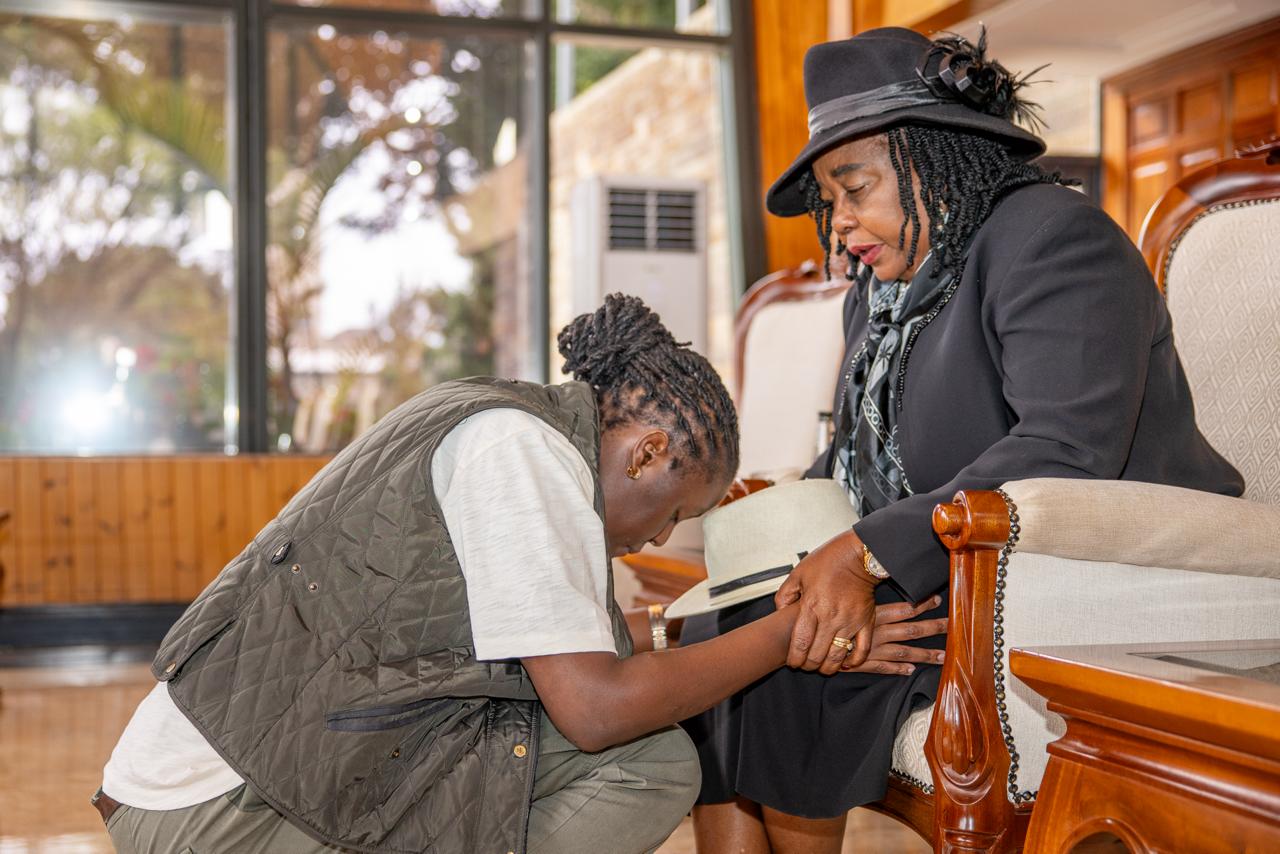 Raila Odinga's youngest daughter, Winnie, hands over her father's iconic white fedora hat to Mama Ida Odinga at JKIA on October 16, 2025. /PCS
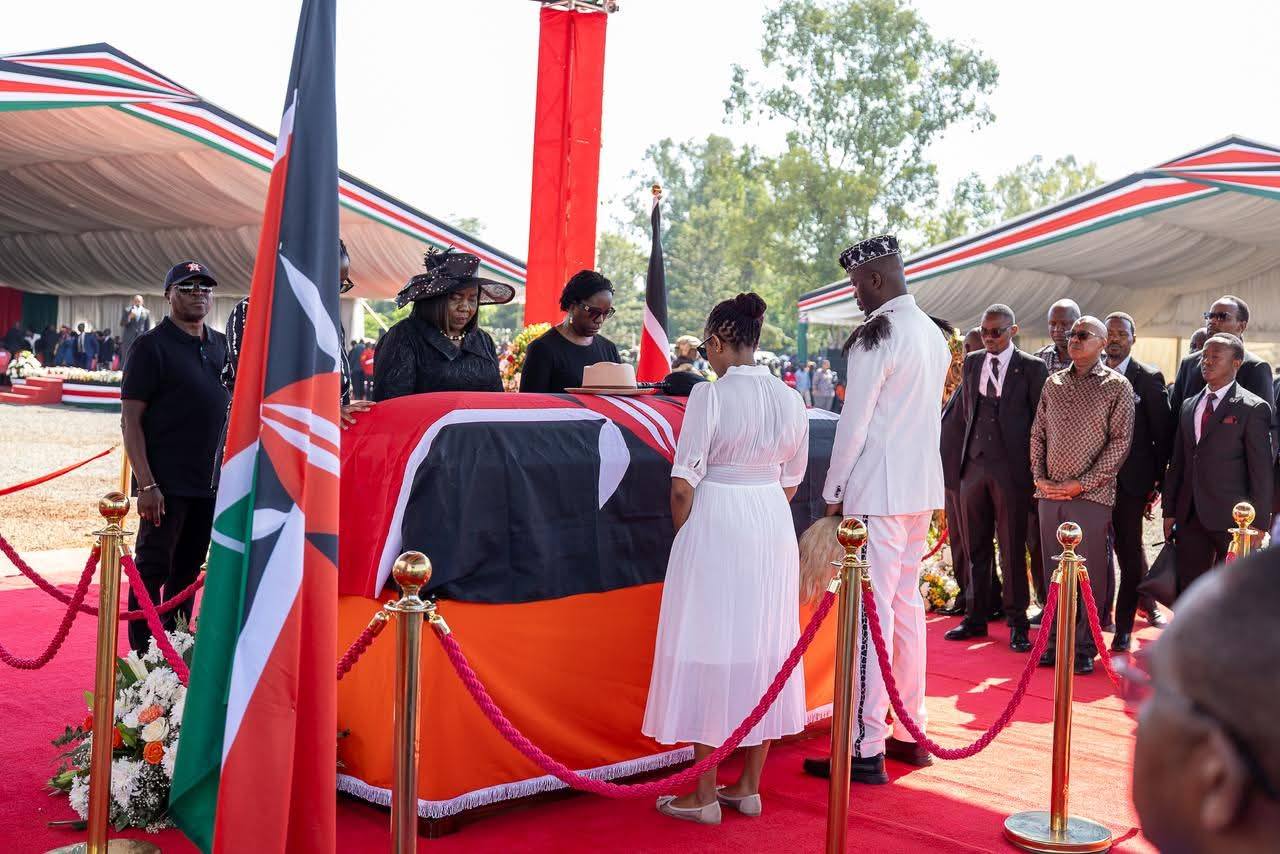 Raila Odinga's widow, Mama Ida and her children during his funeral service at Jaramogi Oginga Odinga University on October 19.
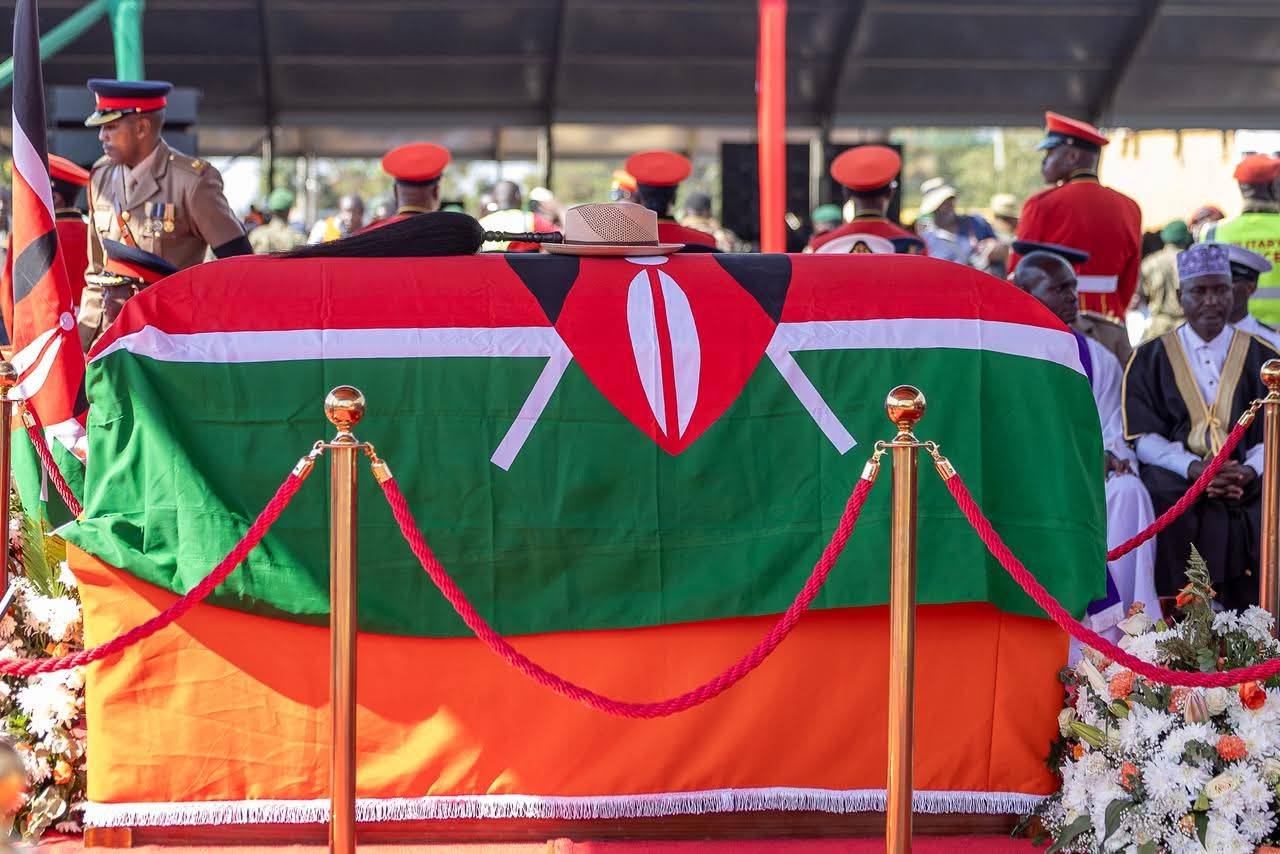 Raila's iconic white Godfather cap and flywhisk rest on his casket during his funeral service in Bondo, November 19.
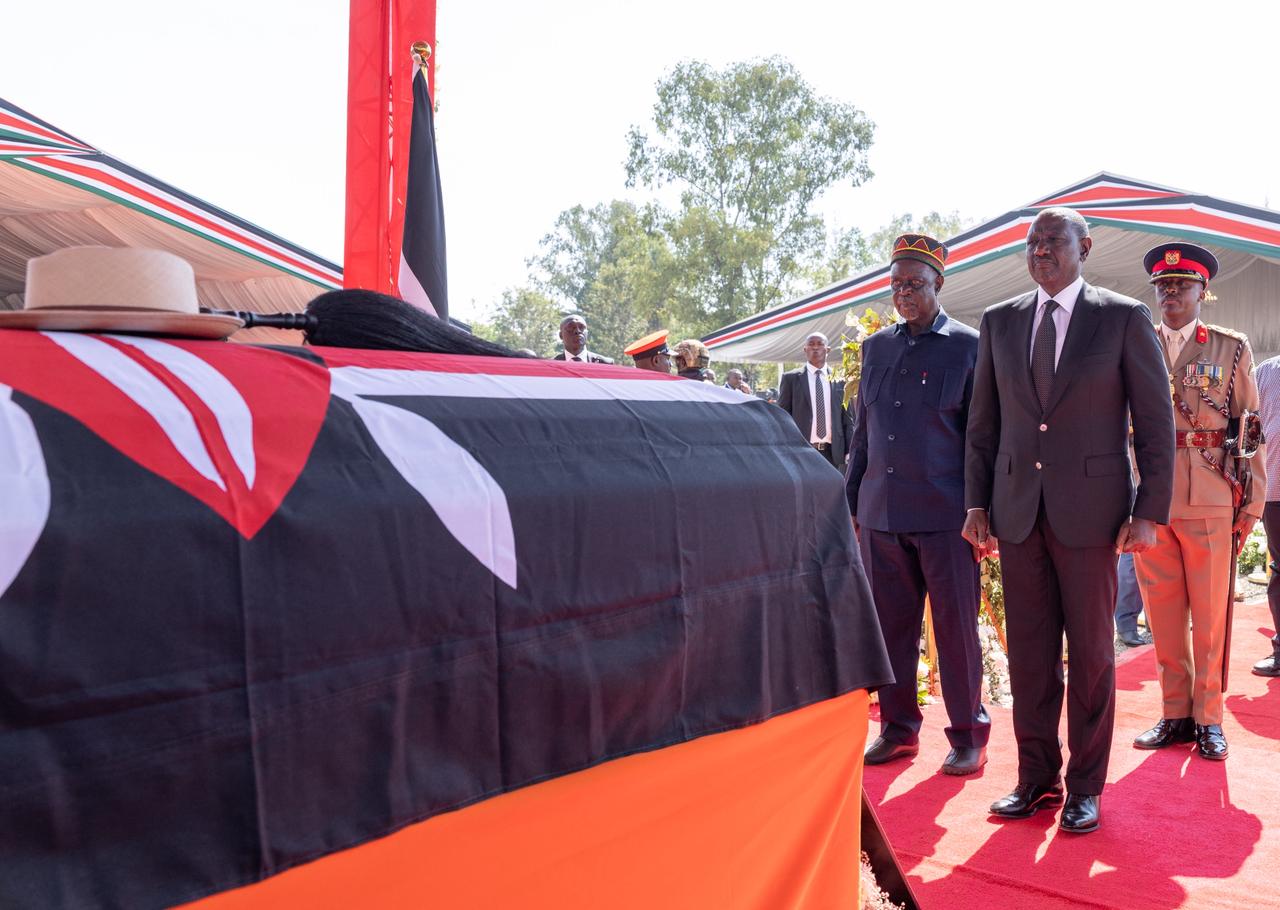 Siaya Senator Oburu Odinga and President William Ruto during the funeral service of Raila Odinga at Jaramogi Oginga Odinga University of Science and Technology in Bondo on October 19, 2025. /PCS
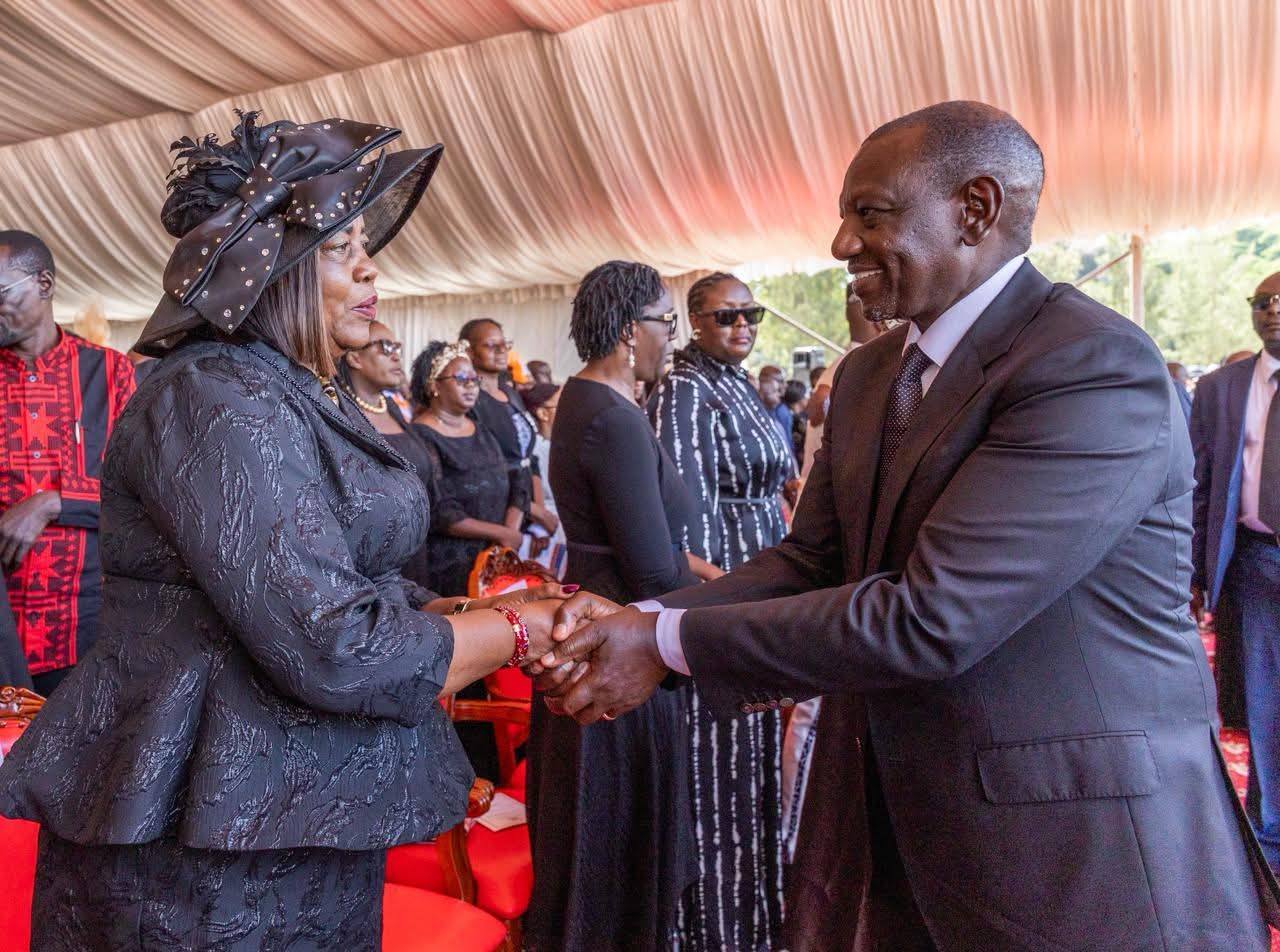 President William Ruto consoles with Mama Ida during Raila's funeral service in Bondo, November 19.
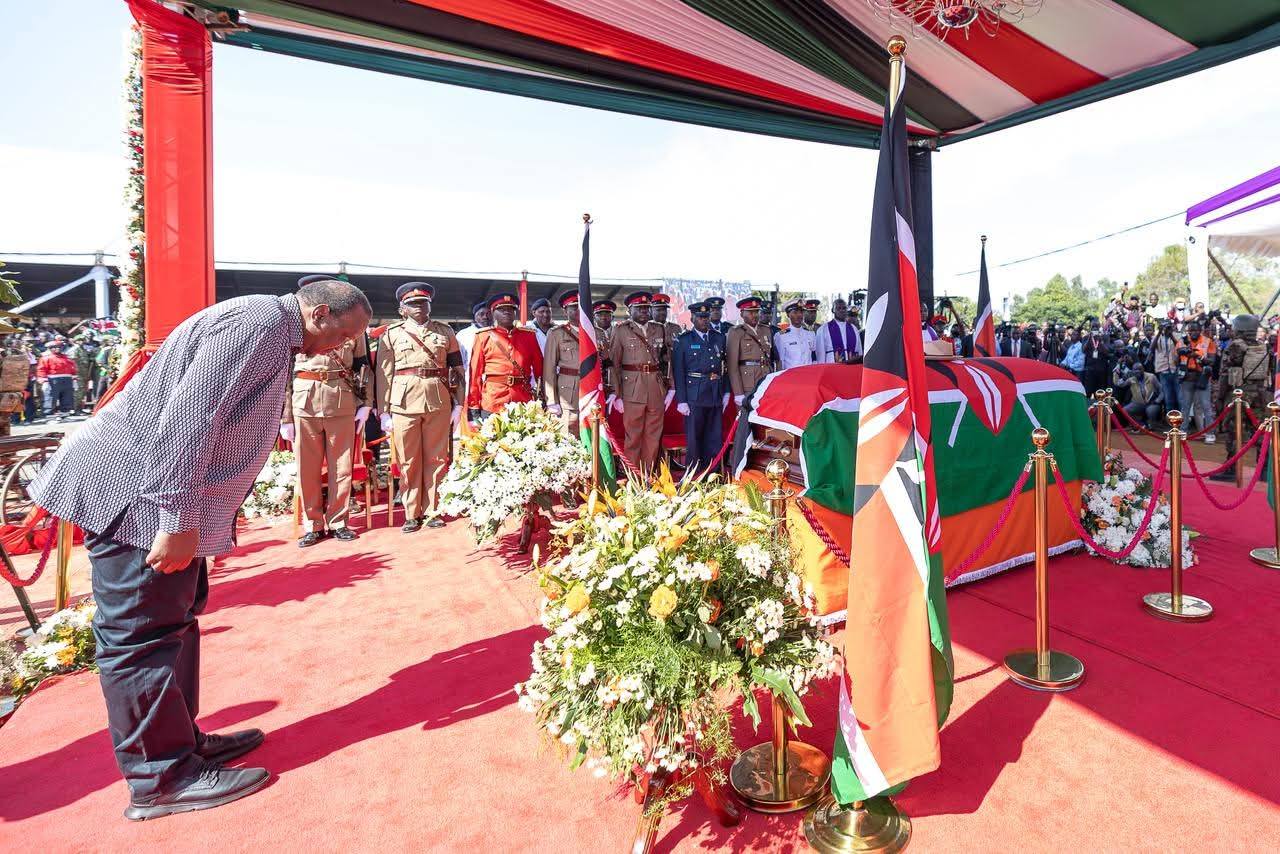 Retired President Uhuru Kenyatta bows in respect to Raila Odinga during his funeral service at Jaramogi Oginga Odinga University on October 19.
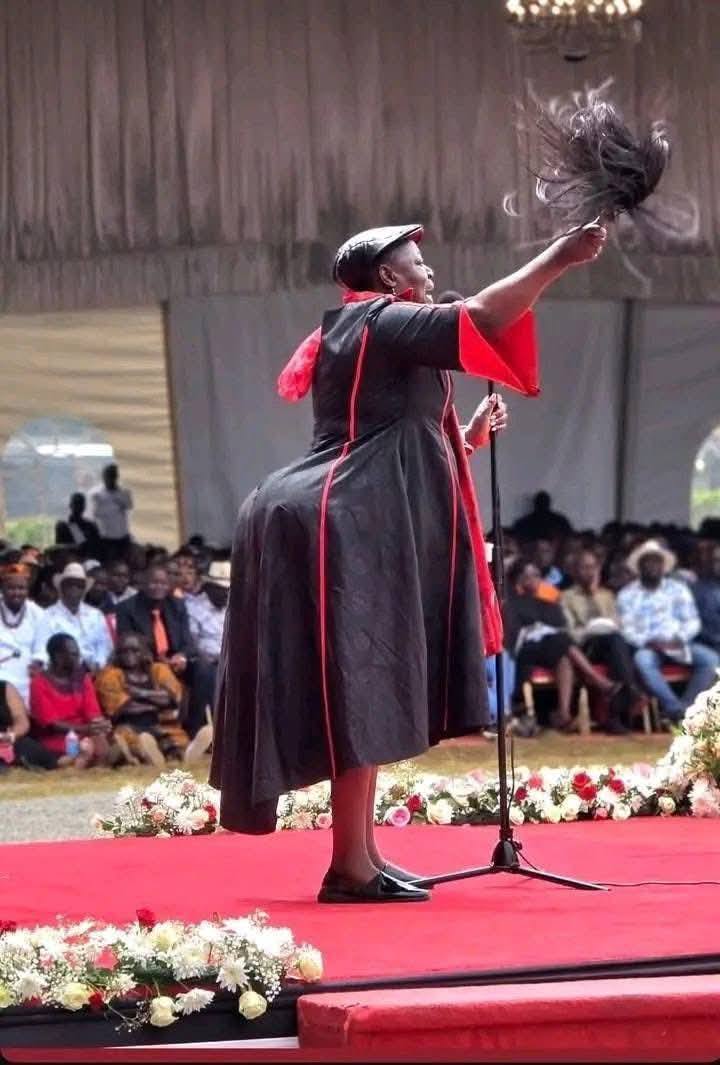 Raila Odinga's sister Ruth during his funeral service in Bondo on October 19.
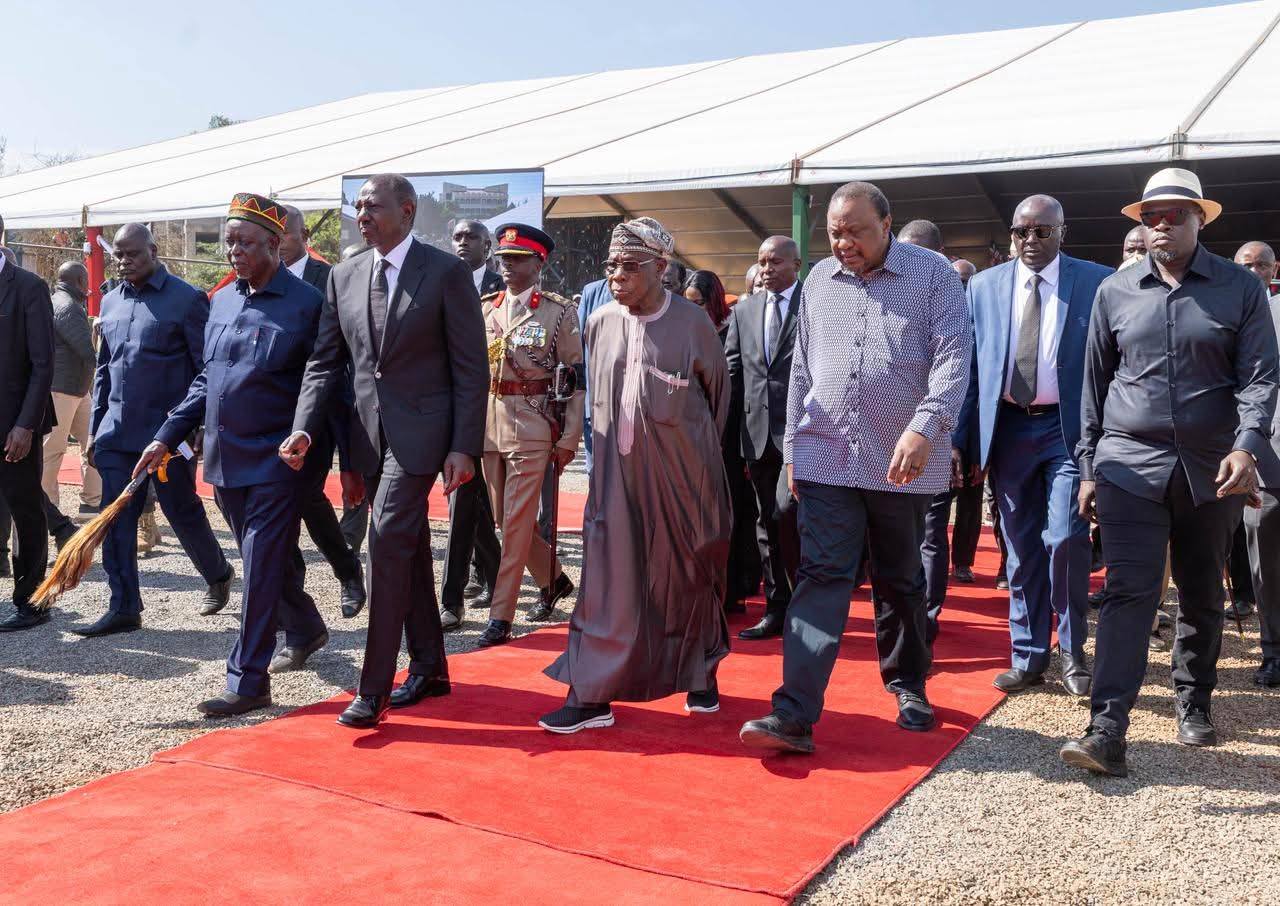 Leaders led by President William Ruto head to the burial site of Raila Odinga at Kang'o ka Jaramogi in Bondo, October 19.
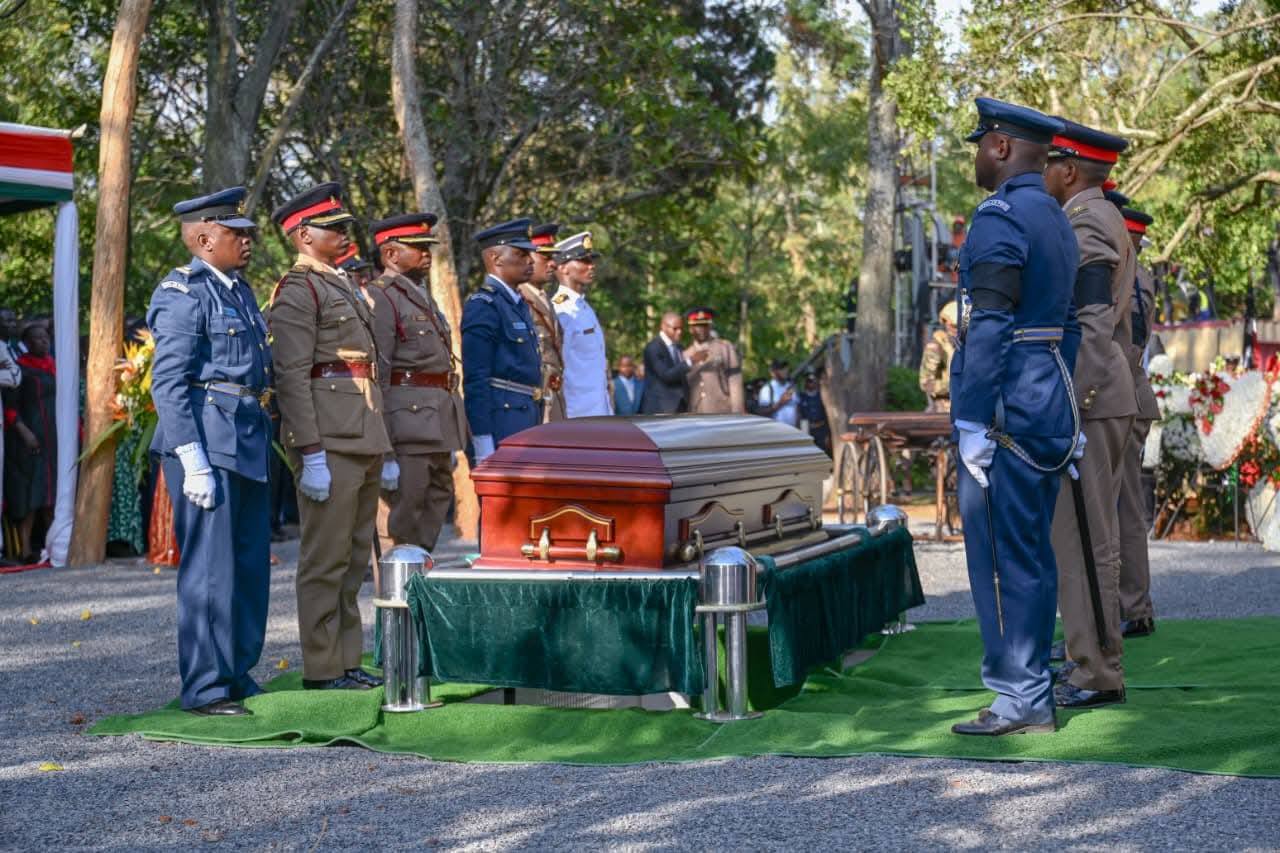 Raila Odinga is given state funeral complete with military honours at Kang'o ka Jaramogi in Bondo on October 19.
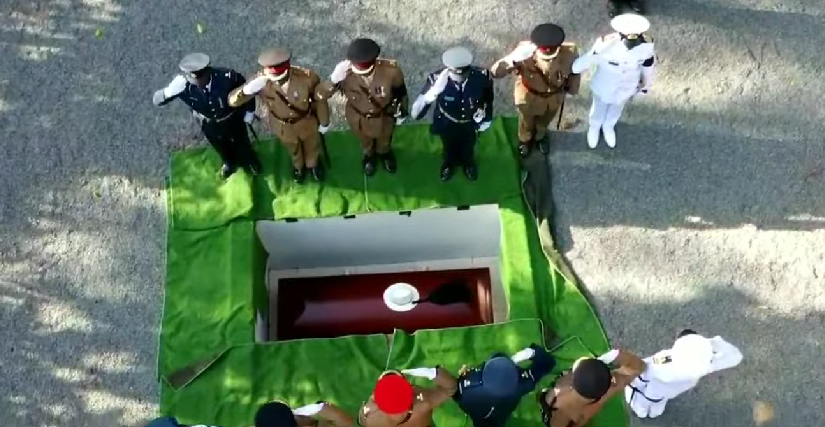 Raila's iconic white Godfather cap and flywhisk rest on his casket during his funeral service at Kang'o ka Jaramogi in Bondo, November 19.
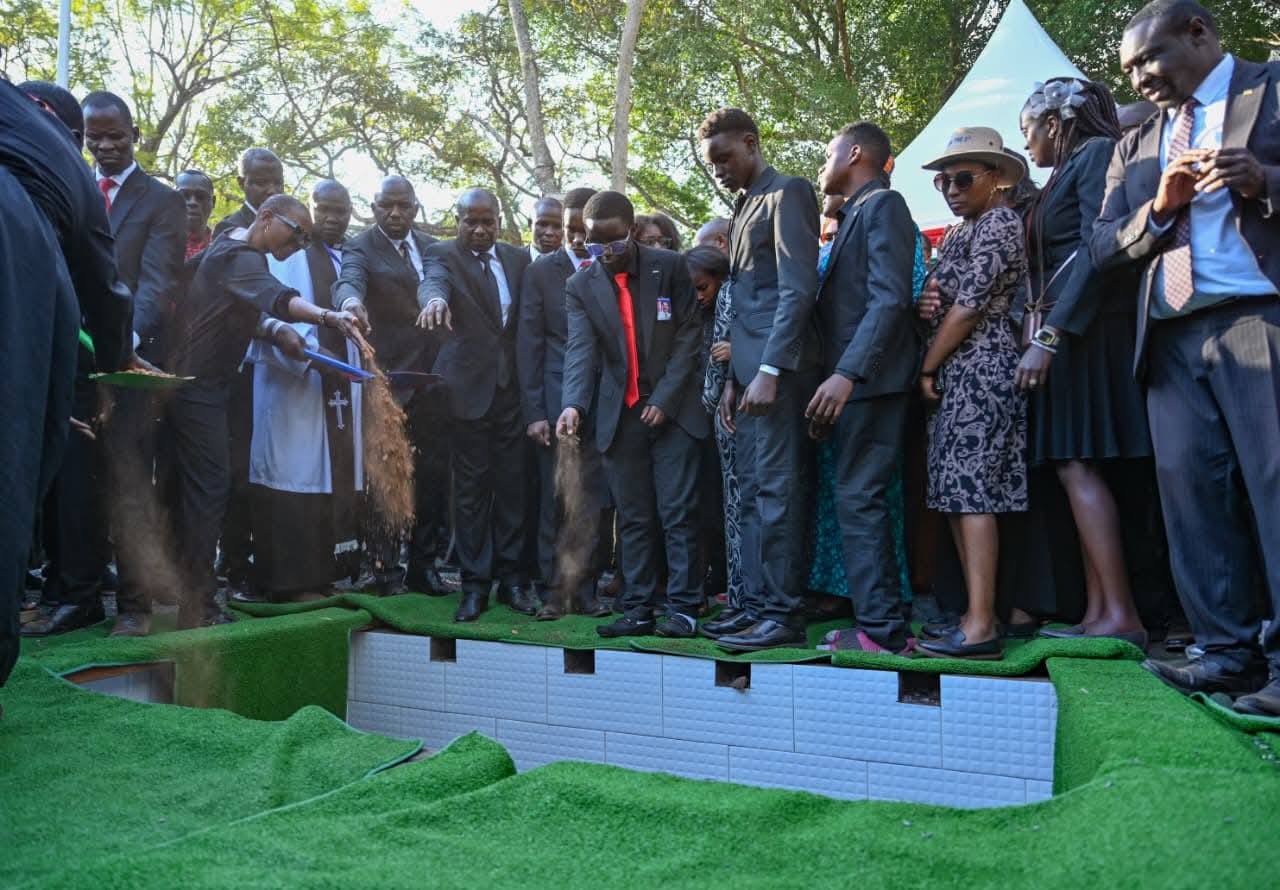 Family and friends pour soil inside Raila Odinga's grave during burial at Kang'o ka Jaramogi in Bondo, October 19.
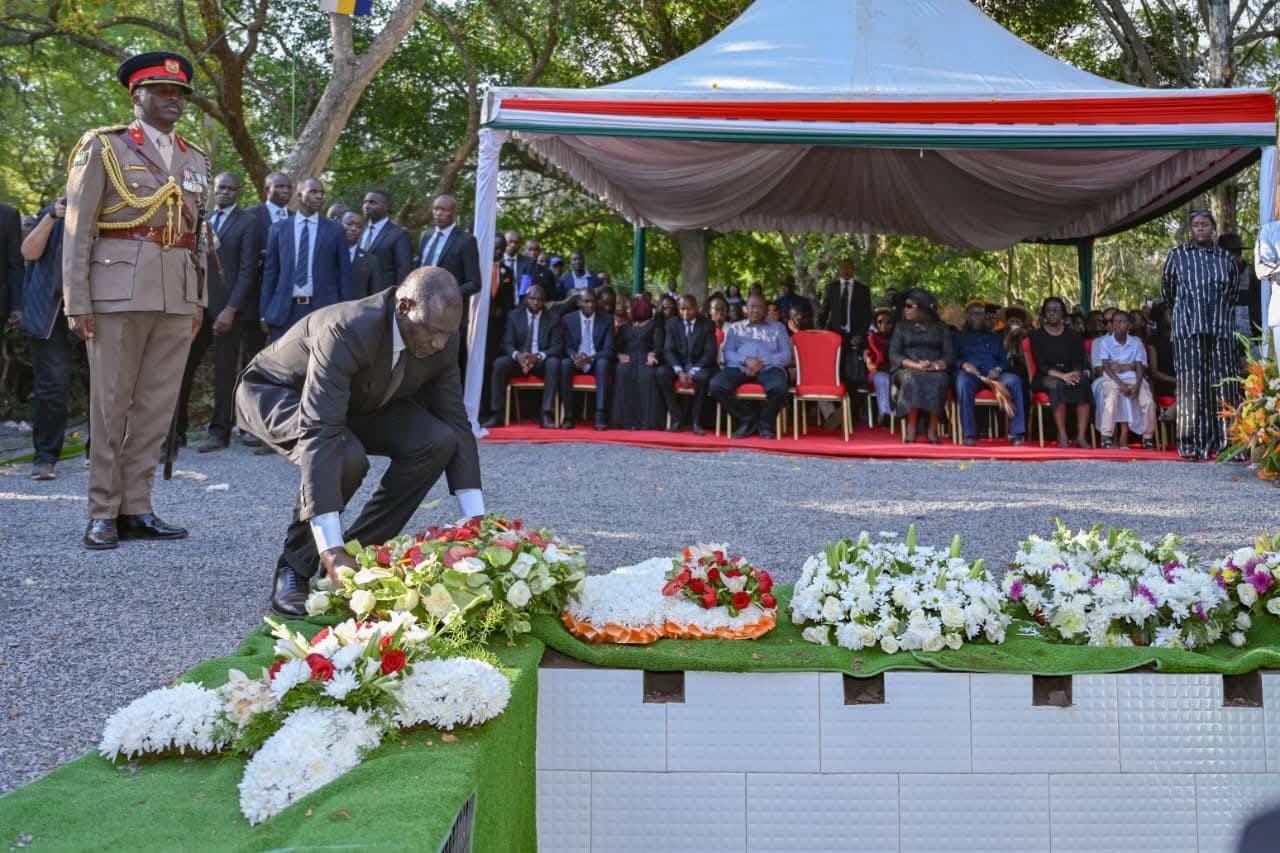 President William Ruto lays a wreath on Raila Odinga's grave during his burial at Kang'o ka Jaramogi, October 19.
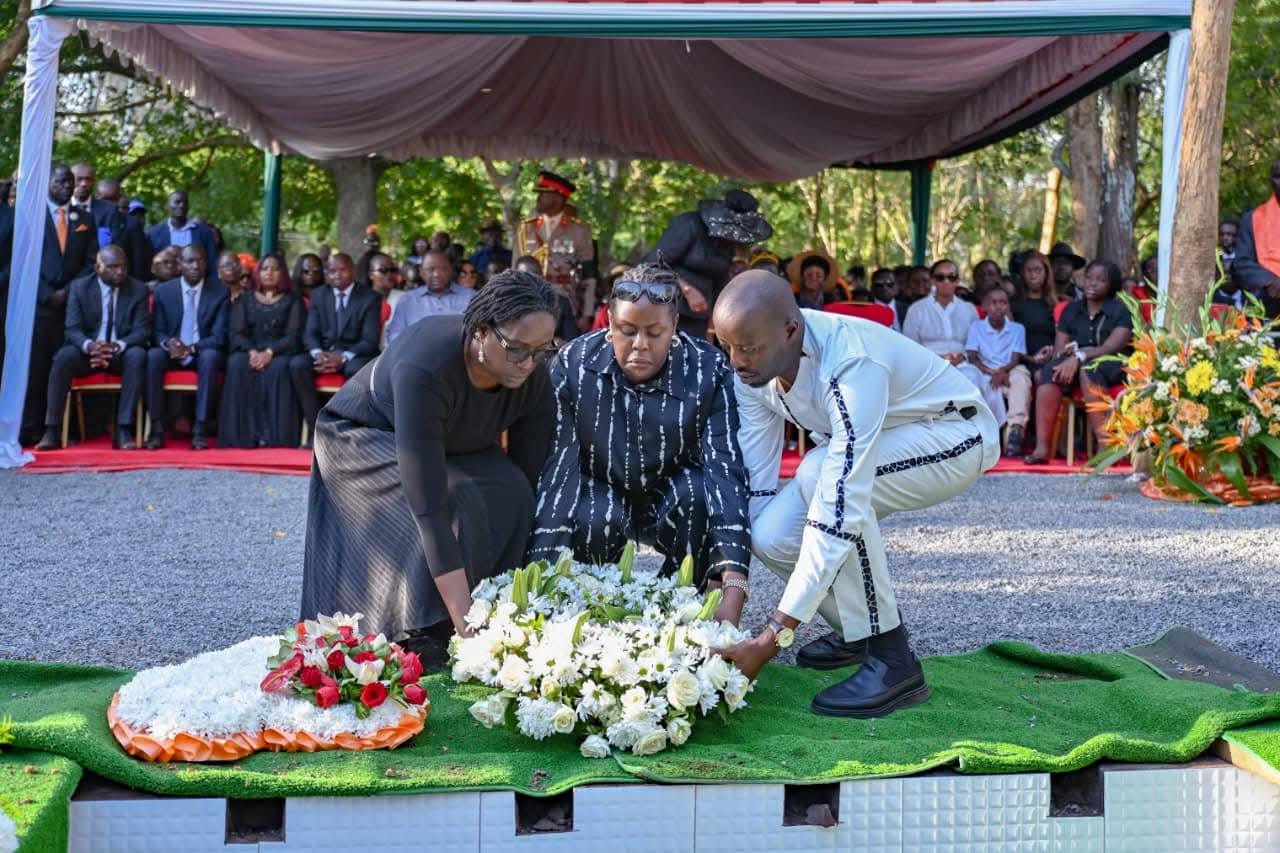 Raila Odinga's children, Rosemary, Winnie and Raila Odinga Jnr lay a wreath on his grave, October 19.
Crowds surging at the airport to soldiers trying to hold a ceremonial line to an anxious public standing on tiptoe to glimpse the coffin.
The images narrated a country’s relationship with a beloved figure who many felt was celebrated more in death than in life.
The long procession from arrival to burial was documented in raw, human frames: women wailing, old comrades in sombre suits, flowers piled like small altars.
The government declared a seven-day official mourning period and the photographs from those days were both a record and a requiem.
Across the sequence, the best images shared a moment that, on reflection, explains something larger about the year.
Some photographs were accidental miracles; others were the product of patient, knowing waiting.
Together they form a visual ledger of 2025 — a year of arrivals and departures, of ceremonies and disruptions, of small mercies and large tragedies.
Each frame invites the viewer to linger, to remember, and to argue about what will matter when this year becomes history.