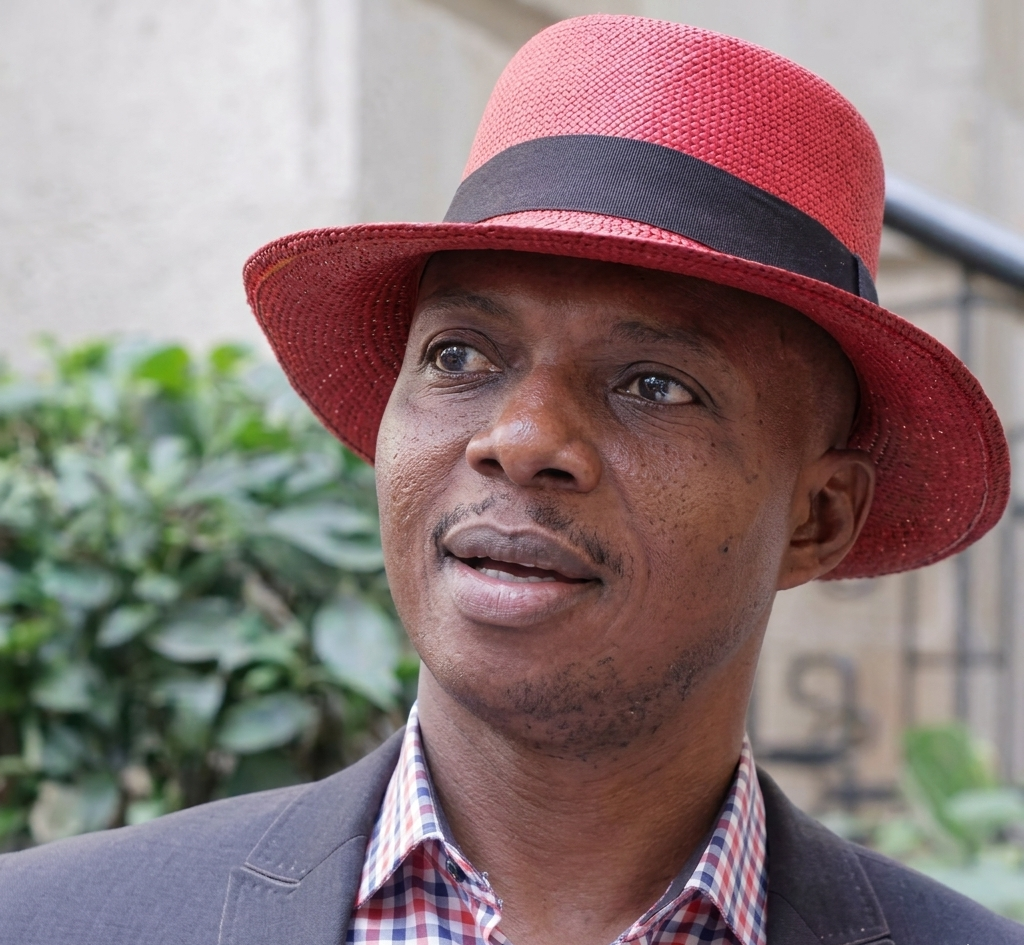
 Sofapaka president Elly Kalekwa/HANDOUT
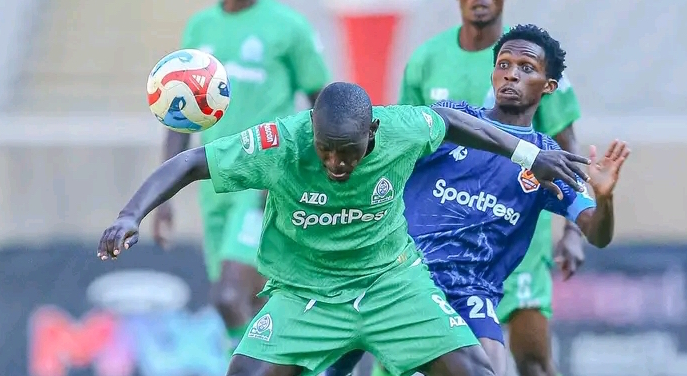
 After 17 years of defying odds, rewriting history, and carrying the badge of “Batoto ba Mungu” with pride, Sofapaka FC have been relegated from the SportPesa League, their fate mathematically confirmed following a tense 2-2 draw against Mathare United on Saturday.
For club president Elly Kalekwa, the moment cuts deeper than just football—it is the collapse of a vision he personally financed, nurtured, and defended for nearly two decades.
“What we are experiencing today is deeply heartbreaking for me and for everyone who has stood with this club through the years, but even in this disappointment, I choose to believe that our journey is far from finished and that we still have a future worth fighting for,” Kalekwa said.
The numbers tell a brutal story. Bottom of the table. Just three wins in 30 matches. A struggling attack and a leaking defence.
But behind those statistics lies a deeper, more complex narrative—one of financial strain, internal fractures and a club stretched beyond its limits.
Kalekwa has now revealed the staggering cost of keeping Sofapaka alive.
“Over the years, I have committed more than Sh 1.1 billion of my personal resources to ensure this club survives and competes, a sacrifice I made out of passion and belief in what Sofapaka represents,” he disclosed.
Sofapaka’s rise was once the stuff of folklore. Founded in 2004, they stormed into the top flight and immediately conquered it, winning the league title in their debut season in 2009—a feat that still stands unmatched in Kenyan football history.
They followed it with domestic dominance, lifting multiple cup titles and establishing themselves as pioneers of professionalism.
Yet, as the years rolled on, the financial foundation began to crack.
“For a long time, we have been operating on an annual budget of about Sh50 million, and in most cases, I have had to step in personally to bridge the gaps because we have not had the stability of long-term sponsorship,” Kalekwa admitted.
The Football Kenya Federation monthly grant, meant to cushion clubs, has done little to ease the burden.
“The Sh300,000 support we receive monthly is simply not enough, as it cannot even meet the basic costs of organising a single match day, which leaves us constantly struggling to stay afloat,” he explained.
Despite the financial struggles, Sofapaka remained a symbol of resilience—until this season.
A revolving door of players, with nearly 50 individuals featuring over the campaign, exposed a lack of stability. Reports of unpaid salaries further eroded morale, turning what was once a fortress into a fragile unit fighting for survival.
Kalekwa does not shy away from acknowledging internal issues.
“There have been individuals within the system who failed to act in the best interests of the club, and their actions, whether intentional or not, played a significant role in weakening the structure we had built over the years,” he said.
Those sentiments echo remarks made by former captain James Situma, who recently pointed to internal betrayal as a key factor in the club’s downfall.
Still, even in the wreckage of relegation, Kalekwa refuses to surrender.
“We are not disappearing because of this setback; instead, we are going to use this moment as motivation to rebuild, reorganise, and come back stronger with a renewed sense of purpose,” he declared.
The focus now shifts to the National Super League, a terrain unfamiliar to a generation of Sofapaka supporters who have only known top-flight football. It is a humbling reset, but also an opportunity for rebirth.
“Our priority now is to put in place stronger structures, restore discipline within the team, and ensure that when we return, we do so as a more stable and competitive club,” Kalekwa insisted.
For fans, the drop is more than a sporting setback—it is an emotional rupture. Sofapaka were not just a team; they were a statement. A club that dared to dream, dared to professionalise, and dared to challenge the traditional order of Kenyan football.
Kalekwa understands that pain.
“To our supporters, I want them to know that their loyalty has never gone unnoticed, and even in this difficult moment, we remain committed to fighting for them and bringing back the pride they associate with this club,” he said.
Yet, the road ahead will demand more than promises. It will require financial restructuring, technical stability, and a renewed sense of identity.
“This season has exposed our weaknesses in a very painful way, and we must take responsibility, learn from these mistakes, and ensure that we build a foundation that can sustain success in the long term,” Kalekwa admitted.
There is also the question of whether Kalekwa can continue to shoulder the club’s financial burden alone.
“I have carried this responsibility for many years, but going forward, it is important that more stakeholders come on board so that the club is not dependent on one individual but operates as a collective institution,” he noted.