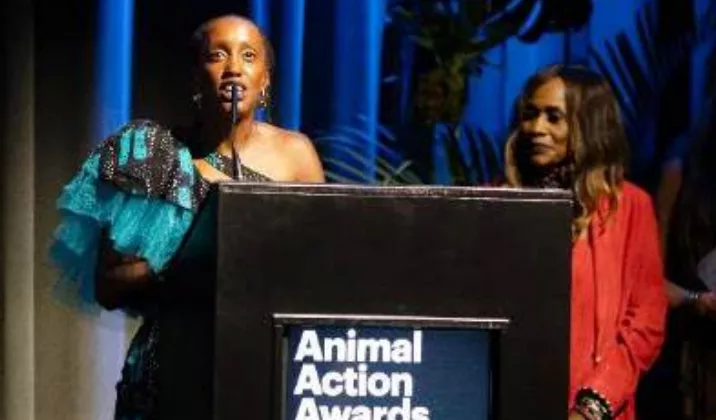
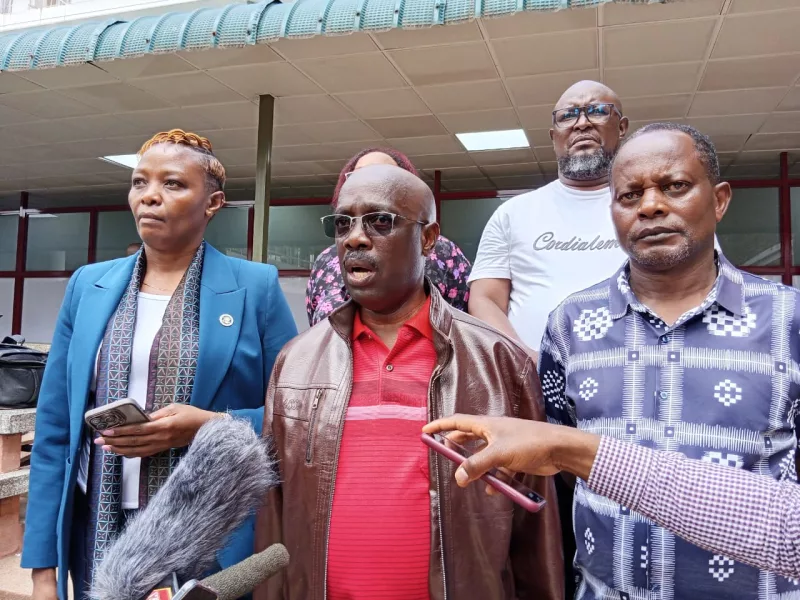
Eunice Maina-Mburu, Founder and CEO of 20X Entrepreneur, in Lodwar during the Chanuka Jipange na Business Opportunities training.
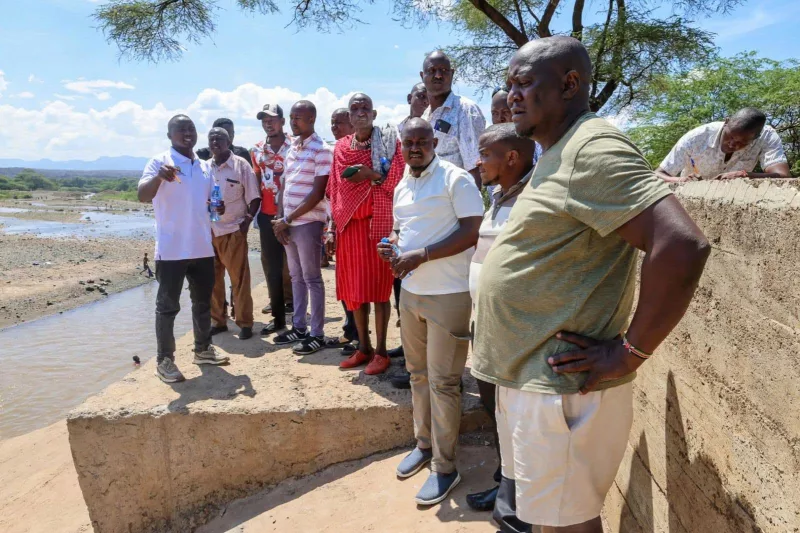
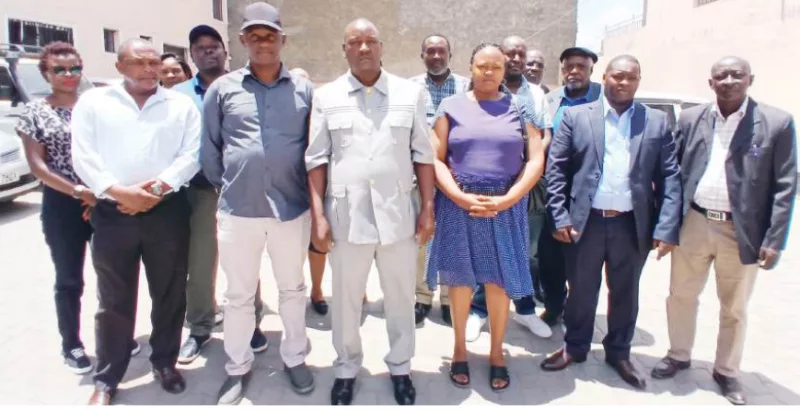
As national attention turns to major infrastructure projects and renewed oil exploration in Turkana, a different conversation unfolded this week in Lodwar, where hundreds of youth and small business owners gathered for the Chanuka Jipange na Business Opportunities training.
The session, convened by 20X Entrepreneur under the Chanuka Jipange initiative, focused not on grants or donations, but on mindset, responsibility, and how micro and small enterprises can position themselves to benefit from ongoing development.
Participants were lively and highly engaged, reflecting both optimism and deep curiosity about economic opportunities emerging in the county.
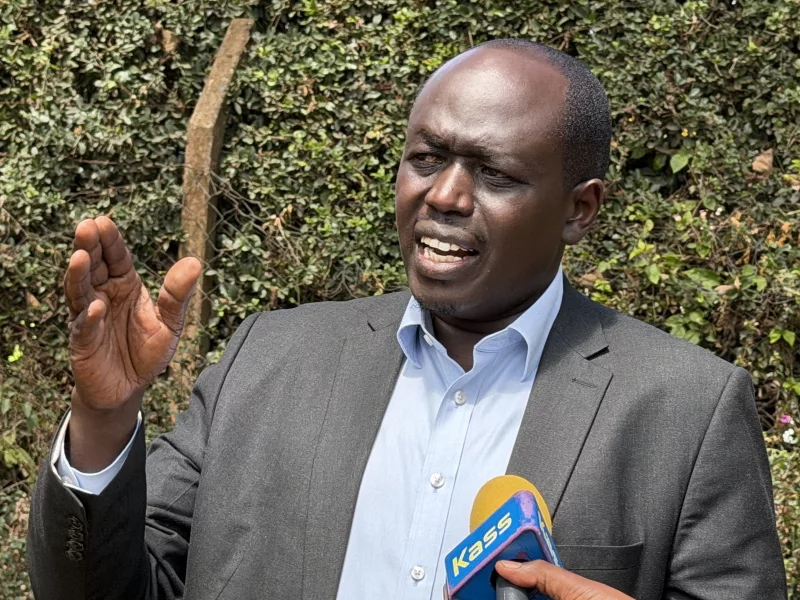
Speaking to reporters, Eunice Maina-Mburu, Founder and CEO of 20X Entrepreneur, said Turkana’s challenge is not a lack of opportunity, but a disconnect between development projects and citizen readiness.
“Turkana is often described in terms of need, but what we see here is resilience, skills, and energy,” Mburu said. “What’s missing is alignment, helping people understand how to plug into systems that are already being built.”
During an interactive discussion on access to government funds, a candid exchange highlighted the depth of the mindset challenge. When Mburu asked why repayment of the Hustler Fund remained low in some areas, participants responded that many felt no obligation to repay because, as one put it, “Baba did not tell us to pay.”
According to Mburu, the response was not political, but behavioural.
“That answer shows how strongly leadership narratives influence economic behaviour,” she explained. “But no economy can grow if responsibility is outsourced. Empowerment must go hand in hand with ownership.”
Preparing locals for development.
The training emphasised how small businesses can benefit from current and upcoming projects in Turkana, including road construction, affordable housing, renewable energy initiatives, and oil exploration activities.
Rather than focusing on formal employment, the session highlighted supply-chain opportunities for MSMEs ; from catering and transport to construction services, repairs, and trade.
“Big projects are not run by big companies alone,” Mburu noted. “They run on organised small businesses. The risk is that if locals are not prepared, outsiders will take those opportunities.”
From hustle to enterprise.
From hustle to enterprise.
Chanuka Jipange encourages MSMEs to move beyond survival-based hustling and adopt practices associated with more developed economies, such as record-keeping, time discipline, quality standards, and financial accountability.
“First-world economies are not built by megaprojects alone” Mburu said. “They are built by ordinary citizens who honour contracts, repay loans, and operate within systems.”
Participants were taken through practical frameworks for identifying opportunities, structuring small businesses, and understanding how responsibility and trust lower the cost of doing business.
Looking ahead.
Mburu said the insights from Turkana will inform preparations for the March 2026 Chanuka Jipange national event in Nairobi, which she says will focus on demonstrating how MSMEs can align with Kenya’s broader aspiration of becoming a first-world economy.
“If Kenya wants transformation, it must happen in counties like Turkana,” she said. “Development cannot remain a Nairobi conversation.”
As the session ended, participants expressed appreciation for the practical approach, with many noting that the emphasis on mindset and responsibility offered a new way of thinking about opportunity.
For Turkana, long associated with marginalisation, the message was clear: development is coming, but who benefits will depend on who is ready.