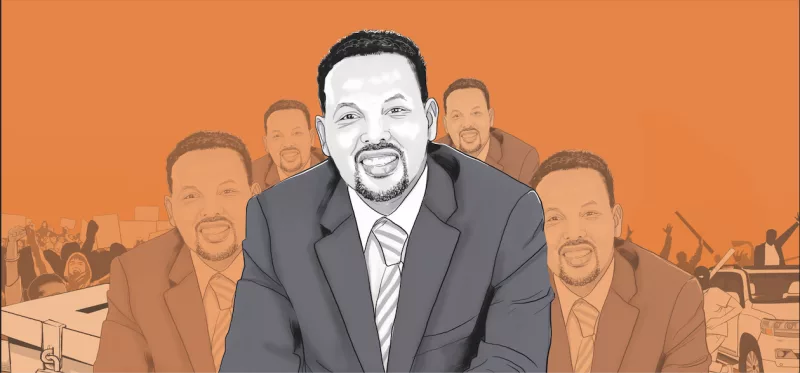
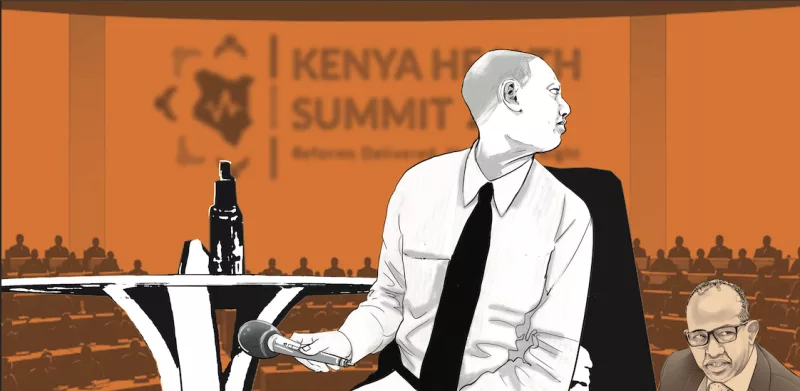
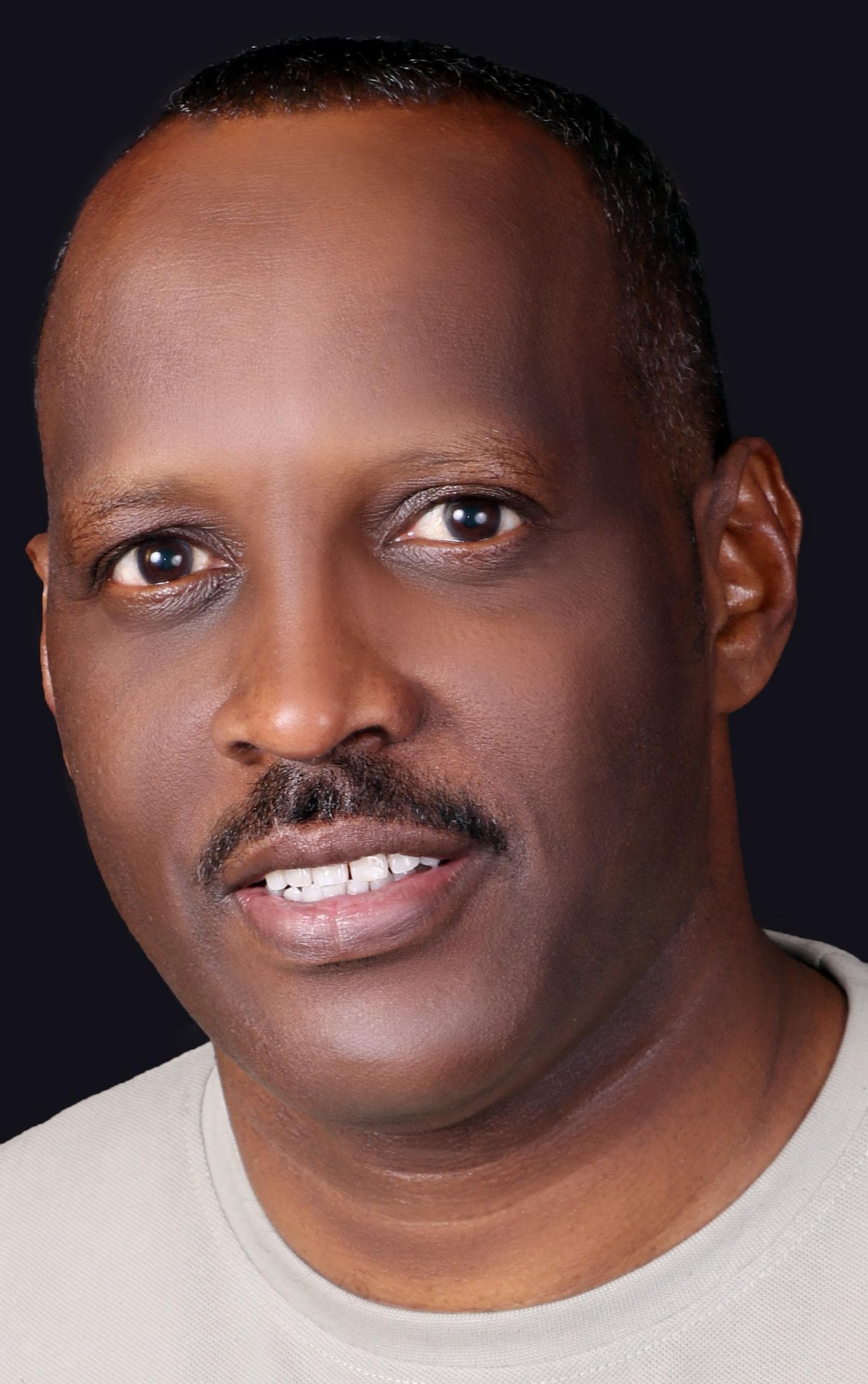
 Mr.Salah Maalim Alio- Member of Minority and Marginilised Corner Tribe community in Mandera County/HANDOUT
For the first time in over six decades of independence, Kenya has made a deliberate and explicit commitment to integrating minority and marginalised communities into the national mainstream.
President William Ruto’s Minority and Marginalised Communities Plan marks a historic departure from decades of policy neglect, political exclusion, and structural inequality that have defined the relationship between the state and its most vulnerable citizens.
This initiative is not merely a policy document; it is a recognition of Kenya’s unfinished nationhood and a bold attempt to correct historical injustices.
Kenya’s inequalities are not accidental. They are the outcome of decades of centralised power, uneven development, and the marginalisation of entire regions and communities, particularly in the Northern Frontier counties.
From Mandera to Wajir and Garissa, Tana River to Lamu communities have long lived at the periphery of state planning, often remembered only during elections or times of crisis. President Ruto’s plan signals a shift from symbolic inclusion to structured, budgeted, and institutionalised equity.
In Mandera County, the significance of this plan cannot be overstated. The Corner Tribe—comprising over ten small ethnic groups such as the Shirmoge, Hawadle, Shekaal, Warabeya, Gawaweyn, Ashraf, Shabelle, Harti, and Somali Bantu communities—has historically existed within layers of marginalisation with no represntation at both National Assembly or Senate since independence even the Nominated Slots from MCA,MPs and Senate reserved for Minority/Marginalised communities is taken by Big ethnic Groups .
Despite their deep roots in the region, these groups have often been overshadowed by dominant clans in political representation, access to resources, and public employment. Recognising minorities within minorities is a critical step toward meaningful inclusion, and the President’s plan does exactly that.
Across the Northern Frontier counties, demographic realities have long translated into political hierarchies. In Mandera, the Gareh, Degodia, and Murule clans dominate; in Wajir, Ogaden, Degodia, and Ajuran are numerically stronger; and in Garissa, the Ogaden form the majority. While numbers matter in electoral politics, nationhood demands that citizenship—not clan size—be the basis of rights, dignity, and opportunity. President Ruto’s initiative acknowledges this fundamental truth.
The proposed measures—ranging from minority scholarships, healthcare access, education infrastructure, land justice, and protection of indigenous knowledge—directly address the structural roots of inequality.
Fast-tracking community land titling and enforcing free, prior, and informed consent are especially transformative for pastoral and minority communities whose land rights have historically been violated.
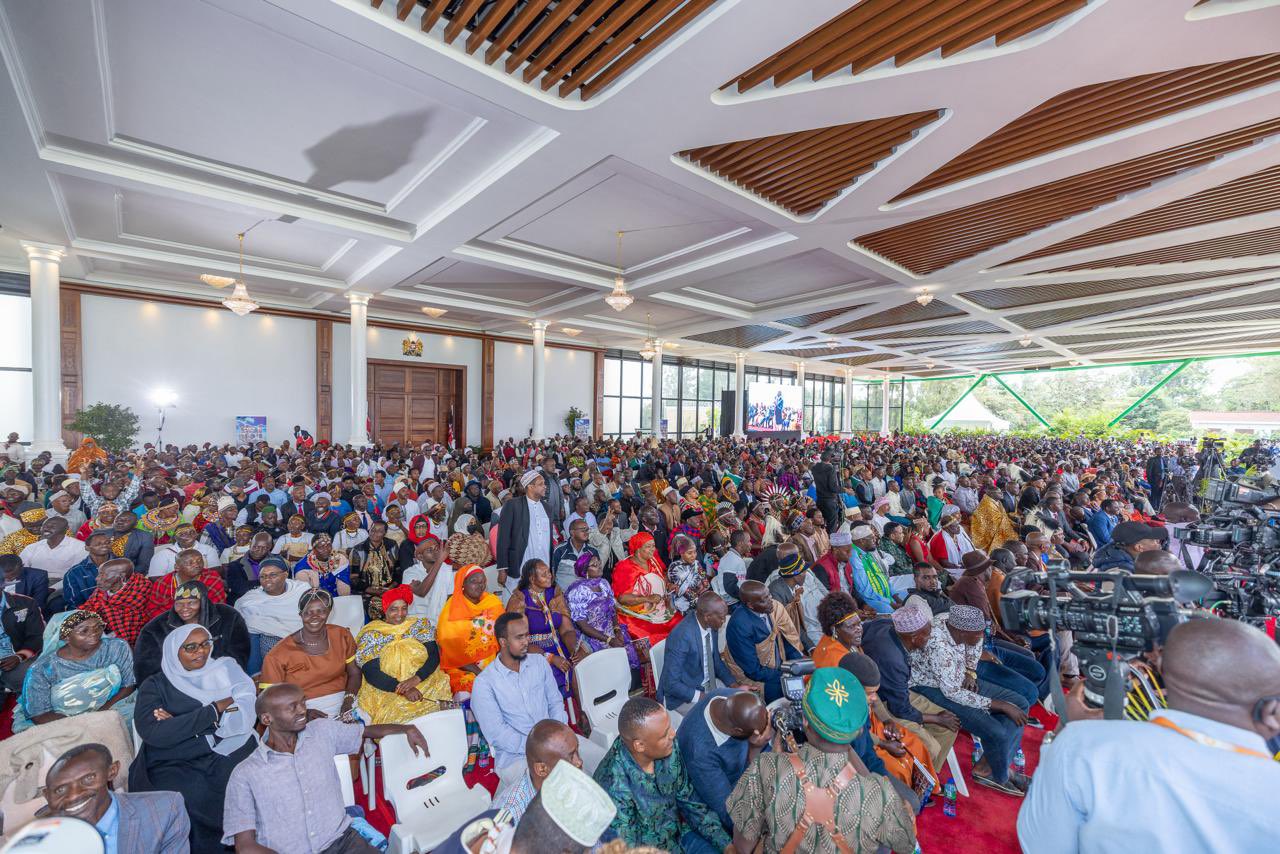 President Dr William Samoei Ruto addressing members of Minority and Marginalised in Kenya at State House Nairobi-Kenya on December 18, 2025./FILE
Similarly, embedding minority inclusion units at the county level ensures that this agenda does not remain confined to Nairobi boardrooms but reaches the grassroots where it matters most.
Crucially, the plan also reframes marginalised communities not as passive recipients of aid, but as contributors to Kenya’s social, cultural, and economic fabric.
Protecting endangered languages, integrating indigenous knowledge into the national curriculum, and promoting climate justice recognise that these communities possess wisdom and resilience essential for Kenya’s future—particularly in an era of climate change.
President Ruto’s initiative must therefore be seen as an act of nation repair. It challenges the long-standing perception that some Kenyans matter less than others.
By institutionalising inclusion, the government is laying the foundation for a more cohesive, just, and peaceful country.
While implementation will be the true test, this policy deserves recognition as a transformative milestone and qualifies HE Dr. William Samoe Ruto for Global Leadership award for recognising minority and marginalised communities right.
For communities in Mandera, Wajir, Garissa, and beyond, it offers something long denied: visibility, voice, and belonging.
If faithfully executed, President Ruto’s Minority and Marginalised Communities Plan could redefine Kenya not as a country of entrenched inequalities, but as a nation courageous enough to confront and correct