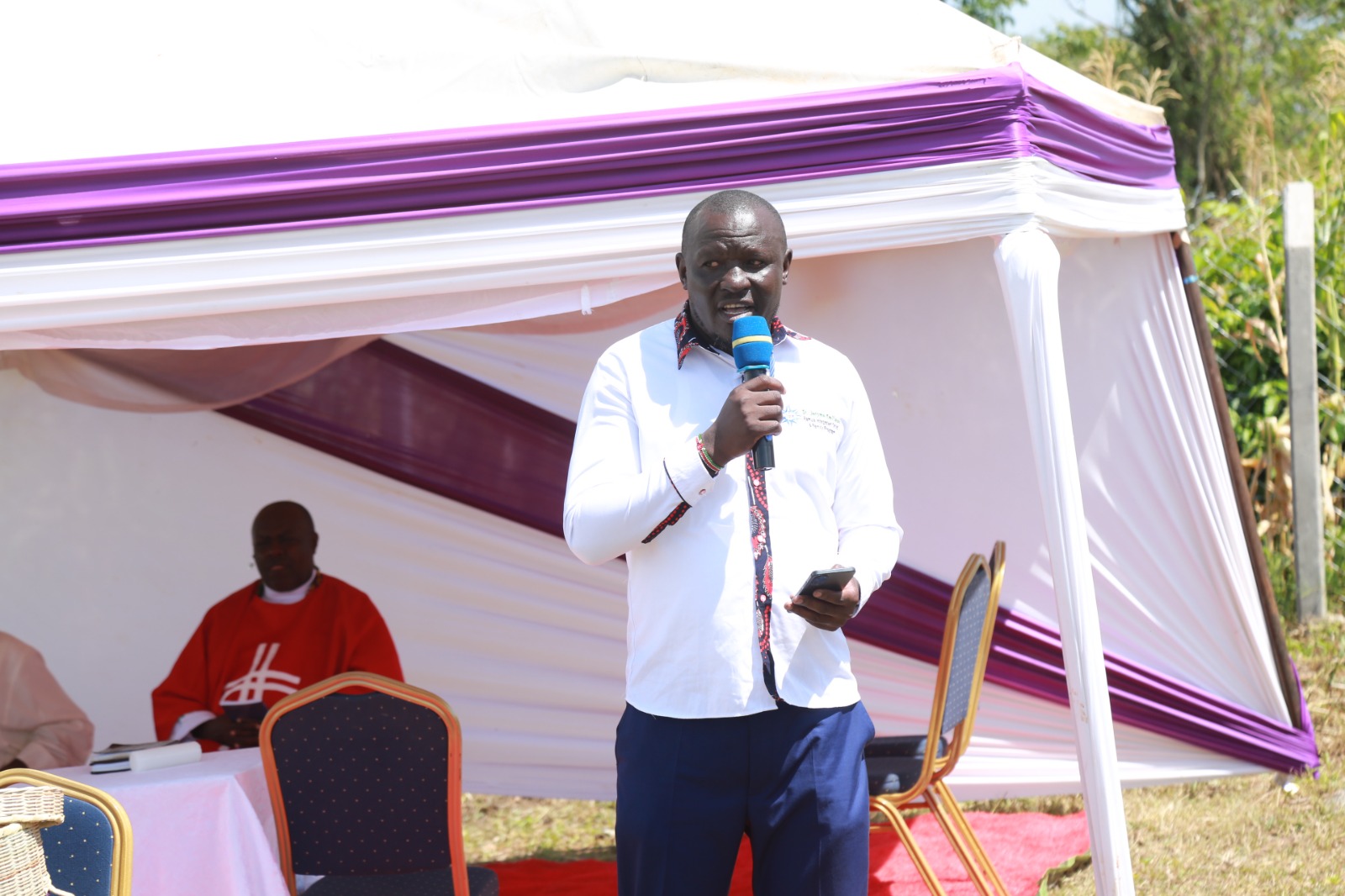
 Elly Opondo, the Director of St. Jerome Emiliano Ramula Preparatory School, Seme. Faith Matete
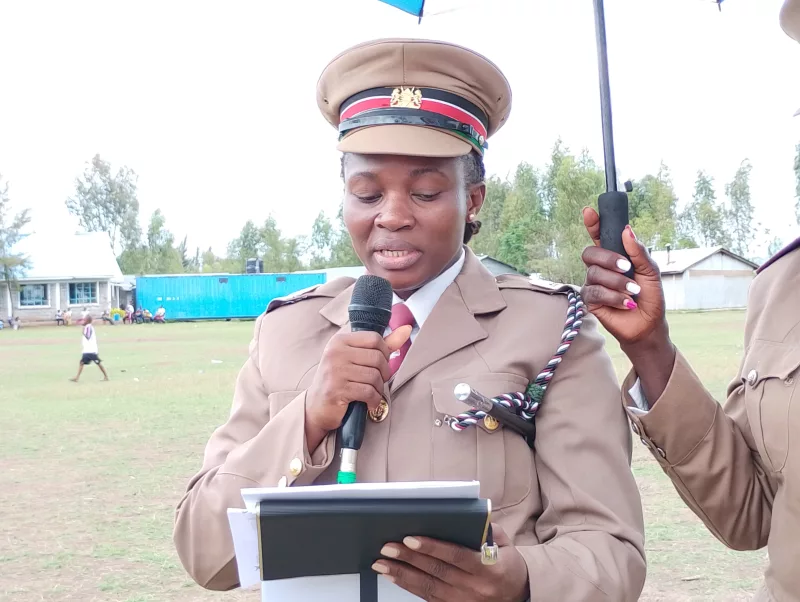
 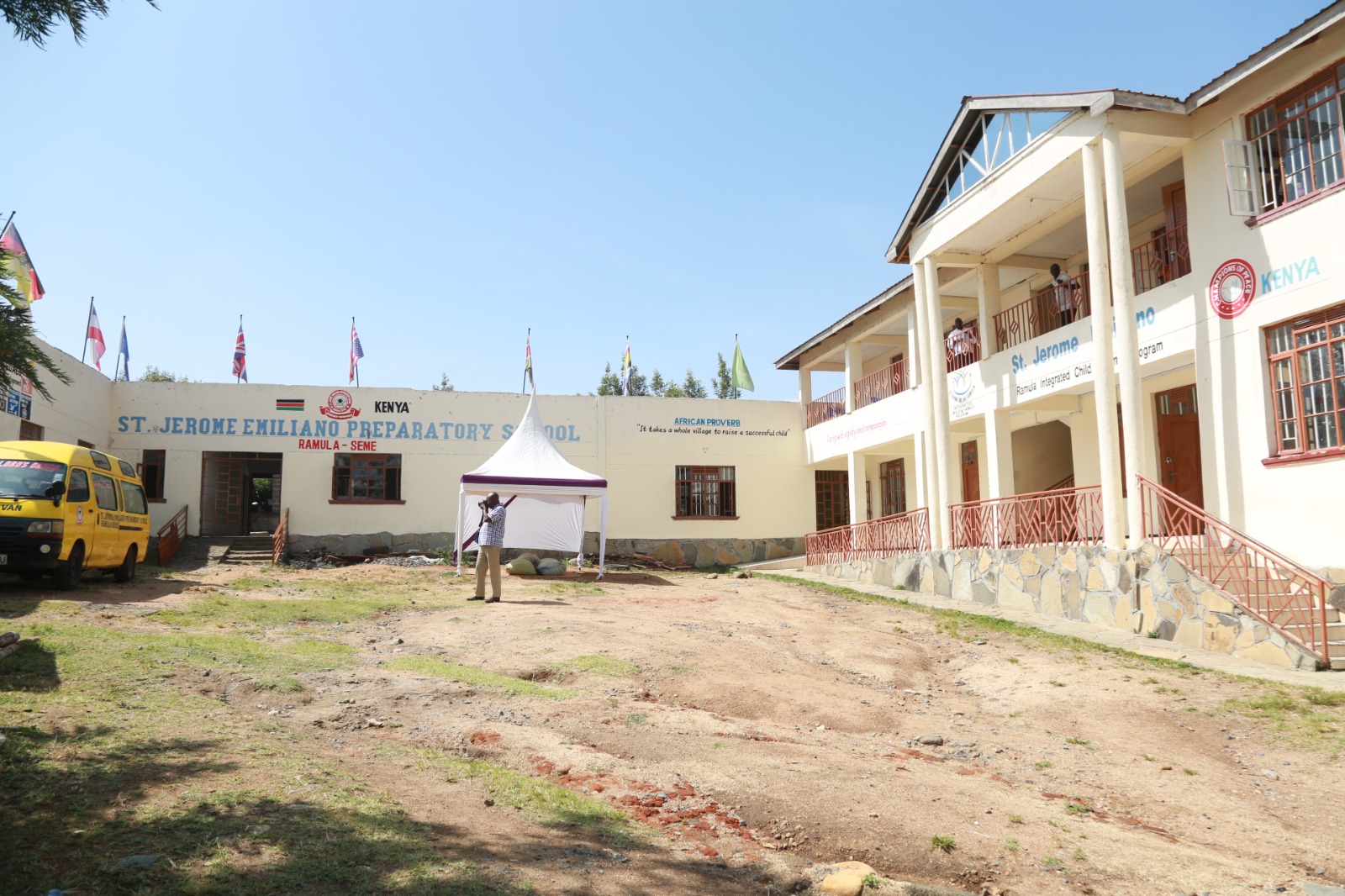 St. Jerome Emiliano Ramula Preparatory School in Seme. Faith Matete
Read Also
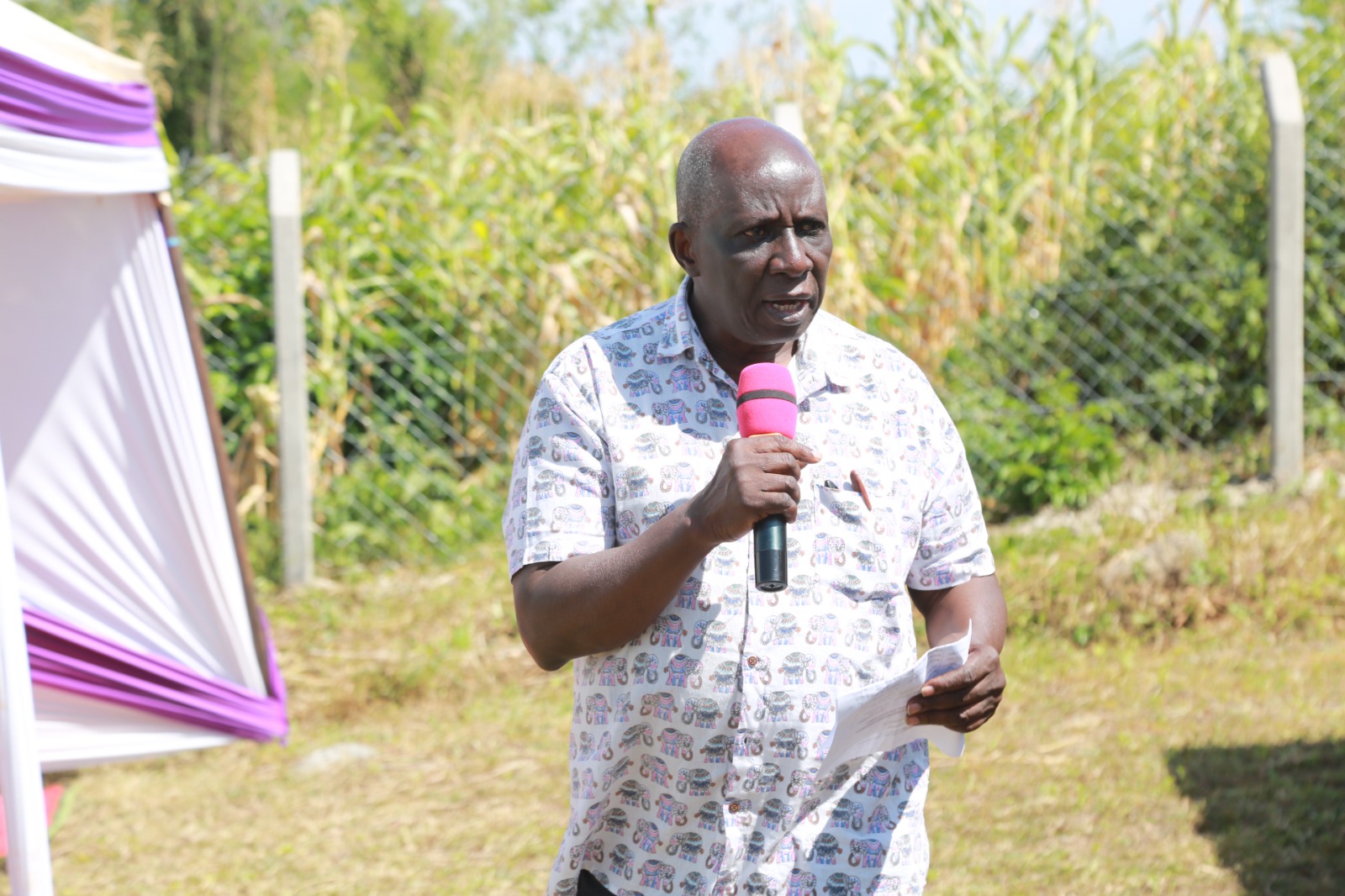 Seme MPJames Nyikal speaking at the St. Jerome Emiliano Ramula Preparatory School. Faith Matete
 What started as a simple act of kindness — feeding a few hungry children — has now grown into a lifeline for hundreds of vulnerable families in Seme subcounty, even as rising education costs threaten to reverse hard-won gains.
Five years ago, Elly Opondo, the voluntary Director of St Jerome Emiliano Ramula Preparatory School, began offering meals to children who came to school hungry.
He shared the effort on Facebook, attracting support from friends, well-wishers and strangers moved by the images.
Today, the initiative feeds about 250 children every school day, supports dozens through secondary education, empowers teenage mothers with vocational skills, and is building a Level 3 health facility expected to open early next year.
As the organisation marked its fifth anniversary, however, the mood was mixed.
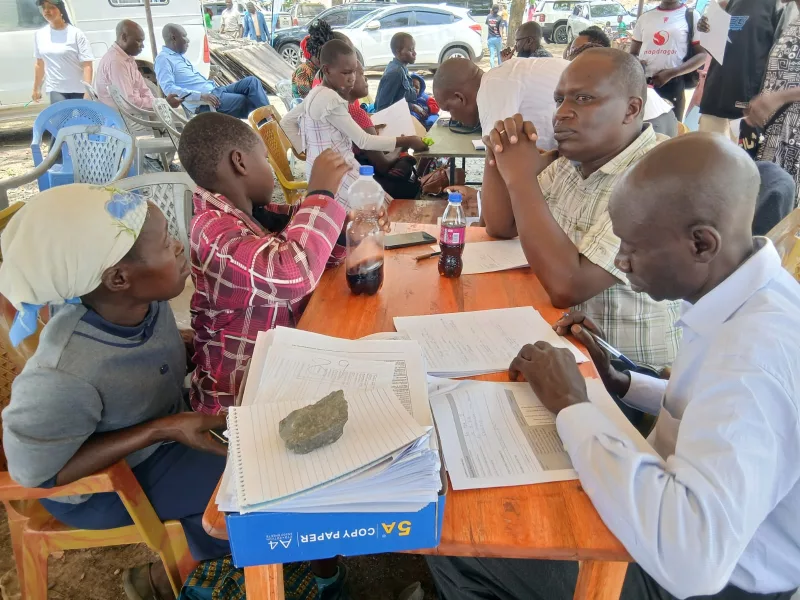
Community members and leaders raised concern over a proposed Sh3,000 lunch levy for junior secondary school learners, warning that it could push children out of classrooms.
“Most parents here have five or six children in either primary or junior secondary school,” Opondo said during the anniversary forum.
He added, “If you force them to pay Sh3,000, many children will be sent home to look for money instead of learning.”
Feeding as a foundation for learning
At the centre of the initiative is a school feeding programme built on the link between nutrition and education.
For the past five years, about 250 children from the preparatory school and two neighbouring public schools have received one hot meal a day, five days a week.
The meals are funded through donations from individuals, corporates and well-wishers in Kenya and abroad.
The programme costs about Sh40 to Sh45 per child per day, translating to roughly Sh2.3 million annually to run alongside other activities.
“We have seen attendance improve and children concentrate better in class,” Opondo said.
He added, “When a child knows they will eat at school, they come and stay.”
The programme began after members of the Asian community donated more than Sh300,000 in recognition of Opondo’s role in promoting peace after post-election unrest.
The land on which the school operates was donated by his family. But the journey has not been smooth.
Donor fatigue has forced temporary closure in the past, at one point prompting Opondo’s mother to sell livestock to keep children fed.
The experience pushed the initiative to rely more on individual donors rather than corporate sponsorships.
Bursaries and empowerment
The organisation has expanded its work to supplement government efforts in education.
Through bursaries and scholarships, it has supported at least 37 vulnerable learners through secondary school, placing them in institutions such as Ngere Boys, Rang’ala Boys, Ng’iya Girls, Kakamega Boys, Lwak Girls and Butere Girls.
About 35 students have completed their Kenya Certificate of Secondary Education examinations, with the organisation hoping to support some into university, including medical training.
The initiative also runs empowerment programmes for girls and young mothers, particularly teenage mothers, offering tailoring and vocational training to equip them with life skills and income opportunities.
“These are girls who would otherwise be forgotten. If we empower them, we support entire families.”
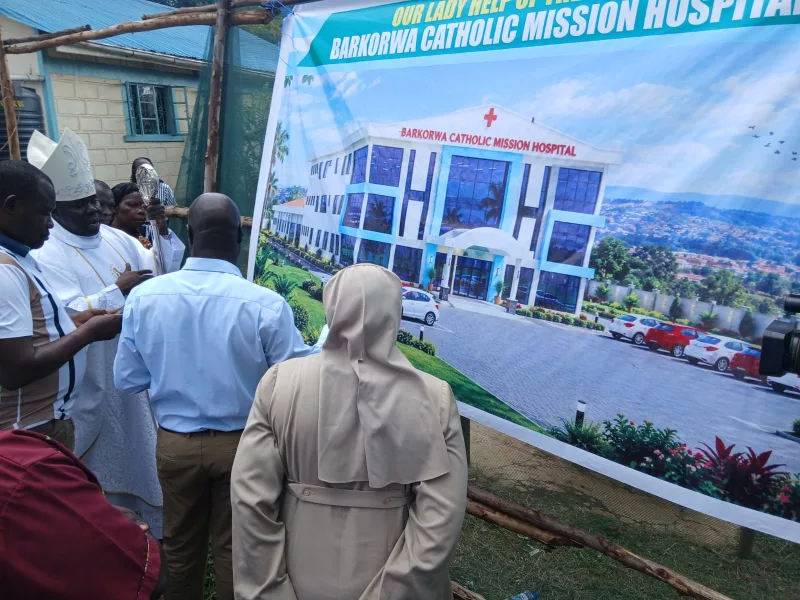
Building on its education and social programmes, the organisation is now constructing a Level 3 health facility, funded through donations and expected to become operational by February or March next year.
The facility is intended to provide affordable healthcare services to residents of the surrounding community.
West Seme MCA George Abaja has pledged to push for a water project to support the institution.
The proposed Sh3,000 lunch levy for junior secondary schools dominated discussions at the anniversary event, with speakers arguing that while school meals are important, making them mandatory at a fixed cost risks excluding children from poor households.
Seme Member of Parliament James Nyikal said he would raise the issue in Parliament, warning that the levy would place an extra burden on parents already struggling with education costs.
“These same parents have children in junior secondary, in senior secondary and in university,” Nyikal said.
He added, “University funding is not working as well as it should, secondary school capitation is also not sufficient and parents are still paying. Adding another Sh3,000 is a serious burden.”
Nyikal said the levy has not been presented to Parliament as a clear policy and questioned its timing, coming during the country’s first major transition under the new education system.
Opondo warned that community initiatives cannot go far without supportive policies.
“We are non-state actors with limited capacity. We can supplement government efforts, but if education becomes unaffordable, all this progress is at risk.”
Five years on, plates are still being filled in Seme. Whether classrooms remain full may now depend on decisions made far beyond the village.