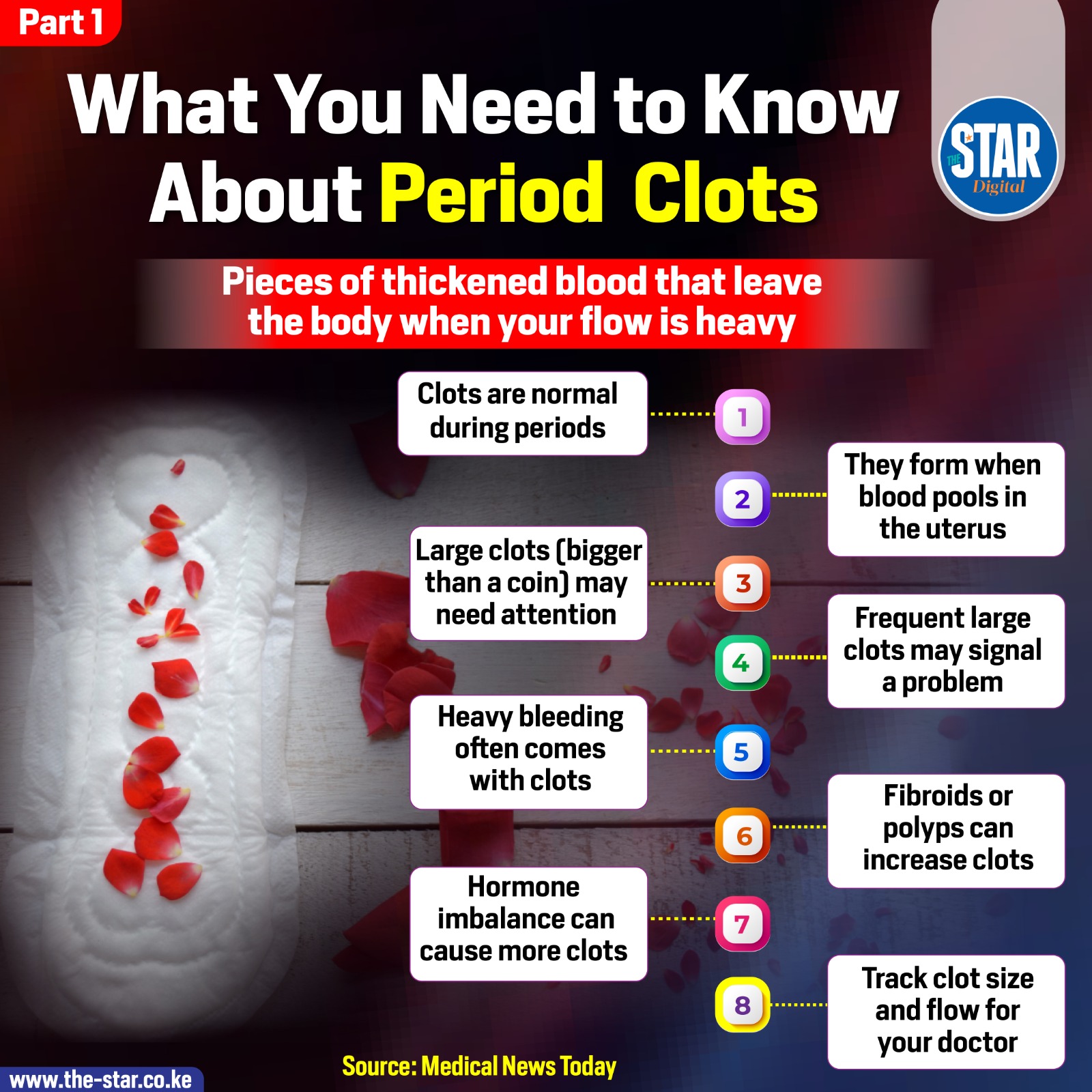
Period clots are pieces of thickened blood that leave the body when menstrual flow is heavy. They are a common part of menstruation and usually form when blood pools in the uterus before exiting.
Experiencing clots during periods is generally normal, especially when bleeding is heavier than usual. Most women notice small clots, about the size of a coin, which typically do not indicate a health problem.
Large clots, particularly those bigger than a coin, may warrant closer observation. Frequent large clots or very heavy bleeding can signal an underlying issue, such as fibroids, polyps, or hormone imbalances.
Hormonal fluctuations during the menstrual cycle can also contribute to increased clot formation. It is important to track both the size of clots and overall flow and share this information with a healthcare professional if concerns arise.
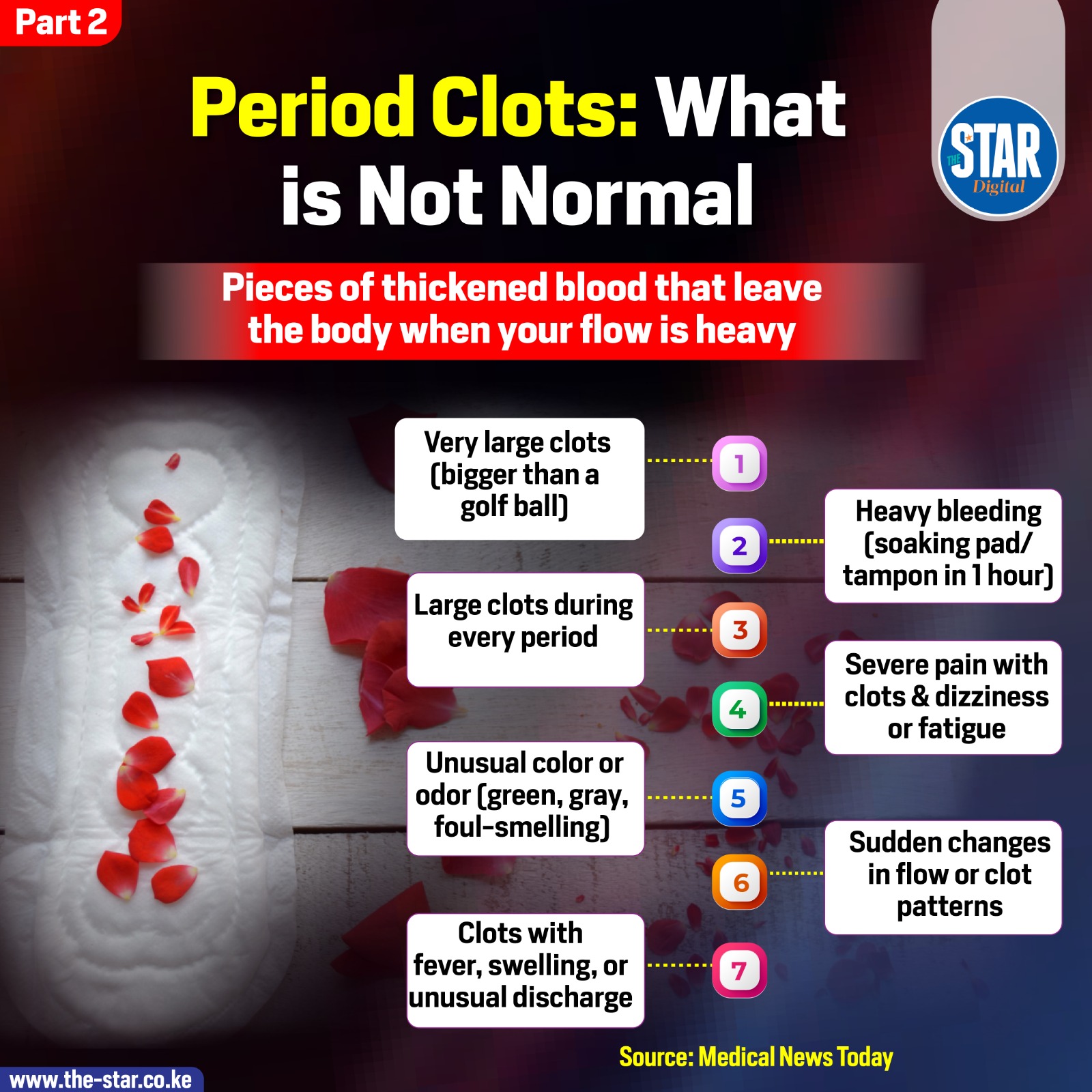
Certain signs suggest that period clots are not normal.
Very large clots, larger than a golf ball, persistent large clots every cycle, severe pain accompanied by dizziness or fatigue, or unusual color and odor (such as green, gray, or foul-smelling discharge) require medical attention.
Clots associated with fever, swelling, or unusual discharge should also be evaluated promptly.
Heavy bleeding is often accompanied by clots, but if a woman finds herself soaking through a pad or tampon within an hour, it is considered abnormal.
Monitoring symptoms over several cycles helps identify patterns and guides whether intervention is necessary.