A new study commissioned by the Catholic Medical Mission Board has revealed alarming levels of gender-based violence in Siaya county, with most cases going unreported and many survivors failing to access timely medical and legal support.
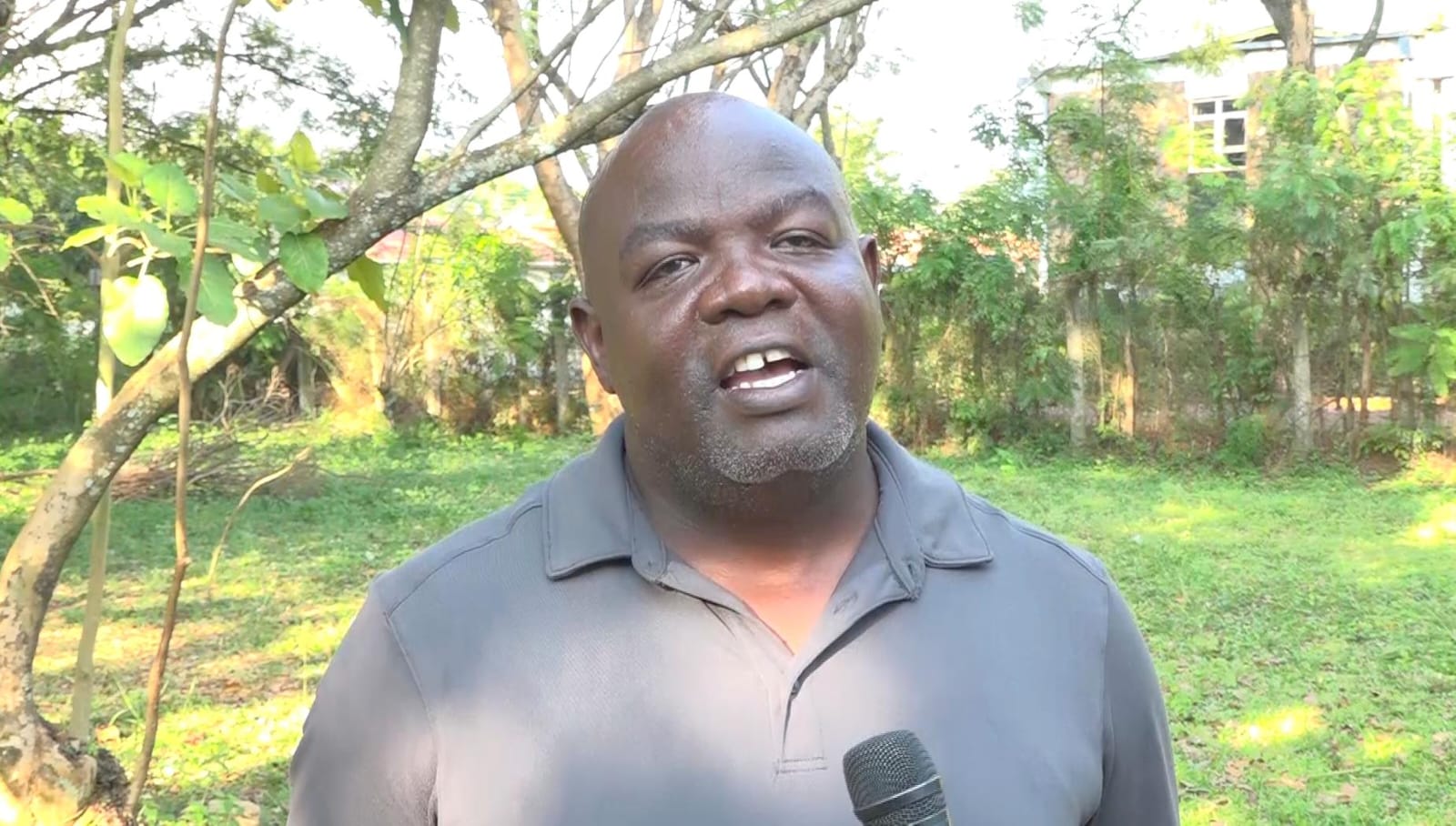
Speaking during the launch of the study, CMMB regional programmes manager Hilary Ngeso said the research was conducted to understand the contextual drivers, manifestations and prevalence of gender-based violence in Siaya, noting that national surveys often fail to capture county-specific realities.
The study was carried out across all six sub-counties in Siaya and forms part of CMMB’s “Breaking the Silence” programme, which complements the organisation’s long-term HIV programming in the county.
Ngeso said since 2012, CMMB has worked in Siaya mainly around HIV, but over time, it became clear that unresolved gender and human rights issues, particularly GBV, were undermining health outcomes.
One of the most disturbing findings from the study is that about 97 per cent of perpetrators are known to survivors.
These include intimate partners, siblings and other close relatives.
According to Ngeso, this raises serious concerns about the breakdown of social structures within the community and calls for honest, homegrown conversations on what is driving violence within households.
The study also found that intimate partner violence is the most common form of GBV in the county, accounting for 50.7 per cent of reported cases.
Cultural norms that treat domestic violence as a private family matter continue to silence survivors, especially women, allowing cycles of abuse to persist.
Underreporting emerged as a major challenge, with 66.7 per cent of survivors failing to report incidents of violence.
Ngeso said this means official figures do not reflect the true scale of the problem, making it difficult for institutions to respond effectively.
He said understanding why people do not report is critical to designing meaningful interventions.
Equally worrying is the low uptake of post-violence medical care.
The study shows 62.7 per cent of survivors do not seek medical help after experiencing violence, while 21.1 per cent of those who do seek care arrive after the critical 72-hour window.
In a county with a high HIV prevalence, Ngeso warned that delayed or missed care increases the risk of new HIV infections and unintended pregnancies, limiting the effectiveness of available prevention services.
The findings also highlight violence against men, an issue that remains largely hidden due to stigma and harmful notions of masculinity. Many male survivors do not report abuse for fear of ridicule or being perceived as weak.
Ngeso said men are often discouraged by the way cases are handled at police stations and health facilities, forcing them to suffer in silence.
“Over time, unresolved trauma can lead to severe mental health challenges, including suicide”.
Alcohol and drug abuse were identified as the leading drivers of gender-based violence in Siaya, cited by 56.4 per cent of respondents.
The study linked substance abuse to rising cases of intimate partner violence and defilement.
Other contributing factors include family dysfunction, harmful gender norms, low education levels and economic dependency, particularly among women.
High levels of GBV were reported in fishing and beach communities along Lake Victoria, where migratory lifestyles, transactional sex and multiple sexual partnerships increase vulnerability, especially for young girls.
Ngeso noted that limited awareness and weak social protection systems in these areas further compound the problem.
Siaya county director of public health, sanitation and health planning, Kennedy Orwenjo, said the findings confirm that non-reporting remains a major barrier in addressing sexual and gender-based violence.
He encouraged survivors, including men, to report cases so that they can be properly followed up.
Orwenjo said reducing GBV would also lessen the health burden on county facilities, as many survivors seek treatment for injuries and trauma linked to violence.
Moving forward, CMMB plans to use the findings to work with communities, government agencies and civil society to co-create locally relevant interventions.
Ngeso said the organisation is focusing on improving livelihoods to reduce economic dependency, strengthening male engagement in GBV prevention and enhancing survivor case management through medical, psychosocial and legal support.
He said CMMB is also supporting innovative approaches such as trained boda boda “guardian riders” who help transport survivors safely between service points, and strengthening child protection units, including plans to digitise services and support virtual court processes.
The study found that about 40 per cent of respondents had either personally experienced violence or had someone in their household affected.
Ngeso said the figure could be higher due to stigma and silence, describing GBV as a silent epidemic in the county.
“Now that we have Siaya-specific data, the most important question is what we do with this information to change the trajectory of gender-based violence in the county,” he said.