 The sampler is designed to collect aerosol samples, with a specific focus on fine particulate matter (PM₂.₅)—particles smaller than 2.5 microns in diameter.
When Nairobians step outside their homes, walk to school, wait at a bus stop or breathe in their offices, invisible particles of pollution are swirling through the city’s air.
But what exactly are they breathing? To answer that question, the Kenya Meteorological Department has launched a scientific study aimed at measuring and analysing the tiny particles that make up air pollution in the city —particularly the perilous fine particulate matter known as PM₂.₅.
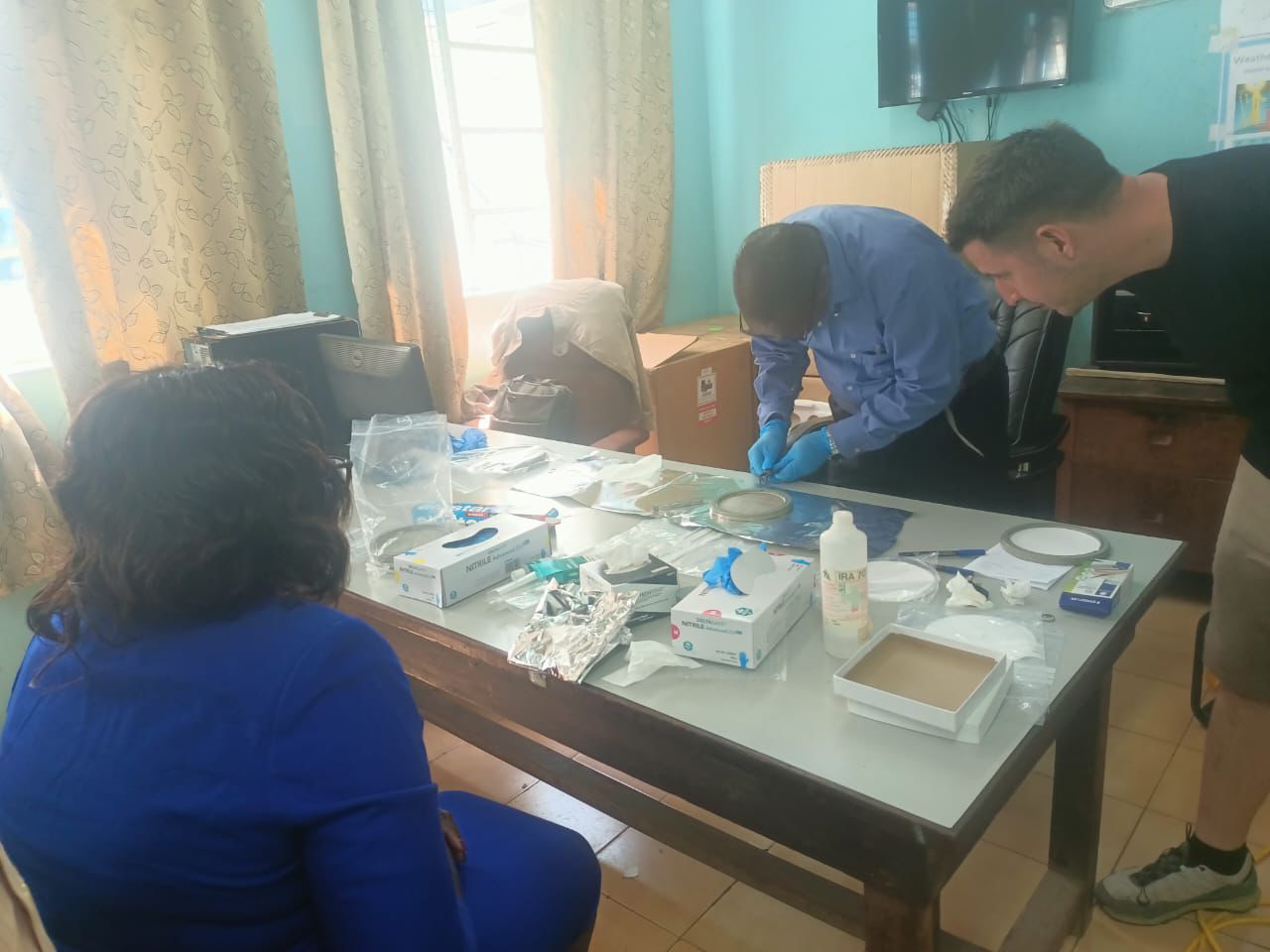
Kenya Met said on Monday that an Automatic High-Volume Aerosol Sampler has already been installed at the Global Atmosphere Watch station in Nairobi (GAW–NRB).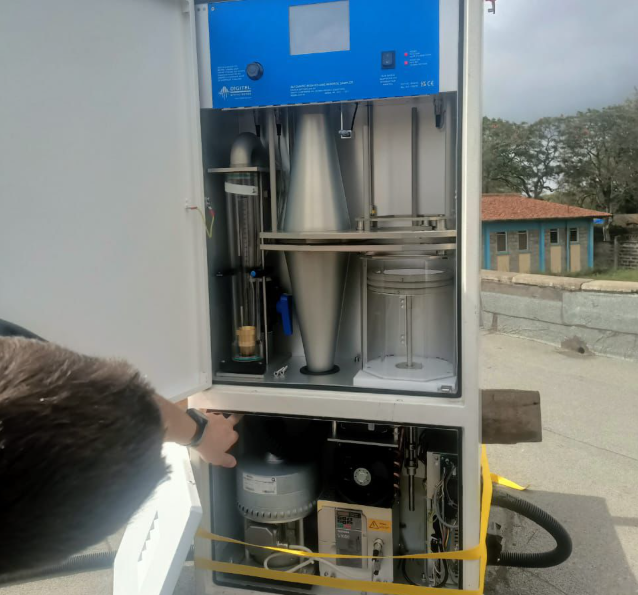 A joint team from PSI, MeteoSwiss and GAW–KMD successfully installed an Automatic High-Volume Aerosol Sampler at the GAW–NRB station. /KENYA MET
The instrument will collect air samples over time, capturing microscopic particles that settle out of the air on filters.
"Collected samples will be preserved under freezing conditions, with analysis to be conducted at a later stage," Kenya Met said.
The focus is on PM₂.₅—particles with a diameter of 2.5 microns or less, a scale so small that it is nearly invisible to the naked eye.
To put that in perspective, a human hair is roughly 30 times larger than a PM₂.₅ particle, and the particles are measured in micrometres—a micron being one-millionth of a metre.
Thousands of these particles could fit in a fullstop at the end of this sentence.
"The analysis will focus on identification of particle sources and assessment of potential impacts on human health and life expectancy. This initiative strengthens air quality monitoring and supports evidence-based research on the links between atmospheric pollution, climate, and public health," Kenya Met said.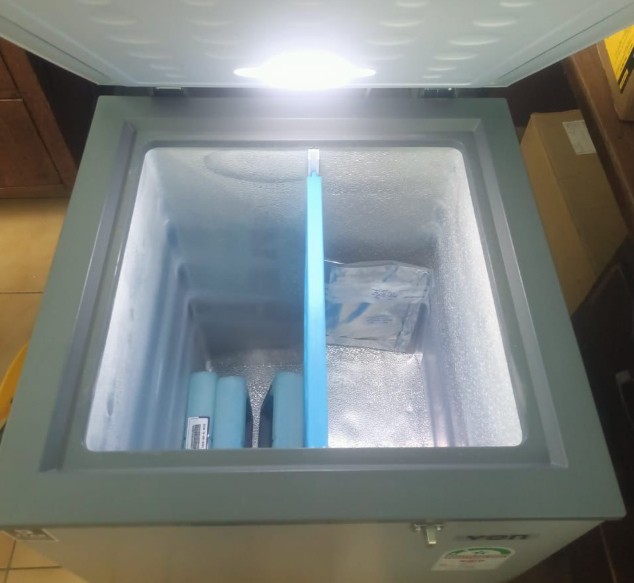 Collected samples will be preserved under freezing conditions
Fine particulate matter originates from combustion sources such as vehicle engines, diesel buses, open burning of waste, industrial processes and cooking fires.
In urban areas like Nairobi, heavy traffic congestion, emissions from older cars and trucks and smoke from the sprawling Dandora dumpsite are major contributors.
These microscopic pieces of solid or liquid matter are not just dust; they include chemicals, organic compounds and soot that can remain suspended in the air for days and travel across neighbourhoods.
The reason scientists and health authorities are alarmed about PM₂.₅ is not just its abundance, but its ability to bypass the body’s natural defences.
Larger particles are often trapped in the nose or throat, but PM₂.₅ penetrates deeply into the lungs and can even cross into the bloodstream, reaching organs throughout the body.
Research globally links long-term exposure to PM₂.₅ with increased risks of asthma, chronic bronchitis, heart disease, stroke and premature death.
In Nairobi, past studies estimated that elevated levels of fine particulate matter could be responsible for hundreds to over a thousand premature deaths annually, representing a significant public health burden.
Understanding the chemical composition of the particles, their sources and how concentrations vary across time and space is what the new study aims to achieve.
 A crowd is teargassed by police in a Nairobi street during a past demonstration, potentially polluting the air.
Once the samples are analysed, scientists will be able to identify which pollutants are most prevalent and what proportion come from traffic, industry, burning waste or other sources.
This is crucial for designing targeted air quality policies. The best-case scenario from this study is that Nairobi’s air quality is found to be relatively stable, with PM₂.₅ levels near or moderately above international health guidelines.
Such an outcome would mean that with incremental policy adjustments—such as improving vehicle emissions standards, regulating open burning of waste and expanding public transport—the city can reduce exposure and protect public health without emergency interventions.
It would also provide a more detailed baseline against which future improvements can be measured.
However, the worst-case scenario would be the confirmation that PM₂.₅ concentrations are consistently high throughout the city, significantly above the World Health Organization’s recommended annual average guideline of just 5 micrograms per cubic metre of air.
Many existing measurements in Nairobi sit well above that threshold, often in the ‘moderate’ to unhealthy range on the Air Quality Index, suggesting ongoing exposure that could fuel respiratory and cardiovascular diseases in the population.
In such a case, the data would likely prompt urgent public health responses and stricter environmental regulations to curb emissions and protect vulnerable groups such as children, older adults and people with pre-existing health conditions.
For residents, the new study could soon shed light on a persistent but poorly understood threat: the quality of the very air they breathe every day.
Reliable, local data on PM₂.₅ will not only fill critical gaps in scientific knowledge but also empower policymakers, health practitioners and communities to act on evidence, with the aim of making Nairobi’s air cleaner, healthier and safer for all.