
Christmas in Kenya is defined by the aroma of "special" meals that replace the daily staples of ugali and sukuma wiki.
As families travel upcountry or gather in urban hubs, the festive season triggers a nationwide "recipe swap," where regional delicacies take centre stage.
However, in December 2025, the tradition of feasting is being balanced against the rising cost of living. Despite market pressures, some iconic dishes remain the heartbeat of the Kenyan Christmas table.
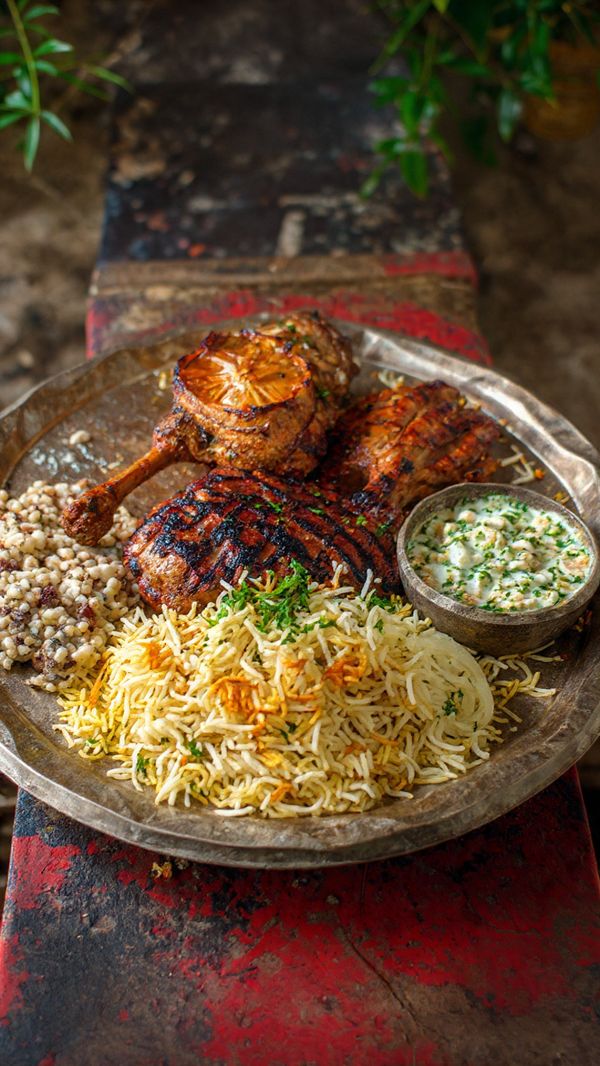
The Coastal Swap: Swahili Chicken Biryani
In many households, plain rice is swapped for the elaborate Swahili Chicken Biryani. This coastal favourite has become a national Christmas staple.
It requires a patient blend of spices, including cardamom, cloves, and cinnamon, topped with saffron-infused rice and deep-fried onions.
ALSO READ: Kenya’s Evolving Christmas Traditions: What Has Changed?
Generational secrets often involve the marination rule, where the chicken sits in thick yoghurt and ginger-garlic paste for at least six hours.
"Christmas is the only time we put away the plain rice. Biryani is a labour of love that brings the whole family to the kitchen," says one social media user from Mombasa.
The Highland Roast: Mbuzi Choma
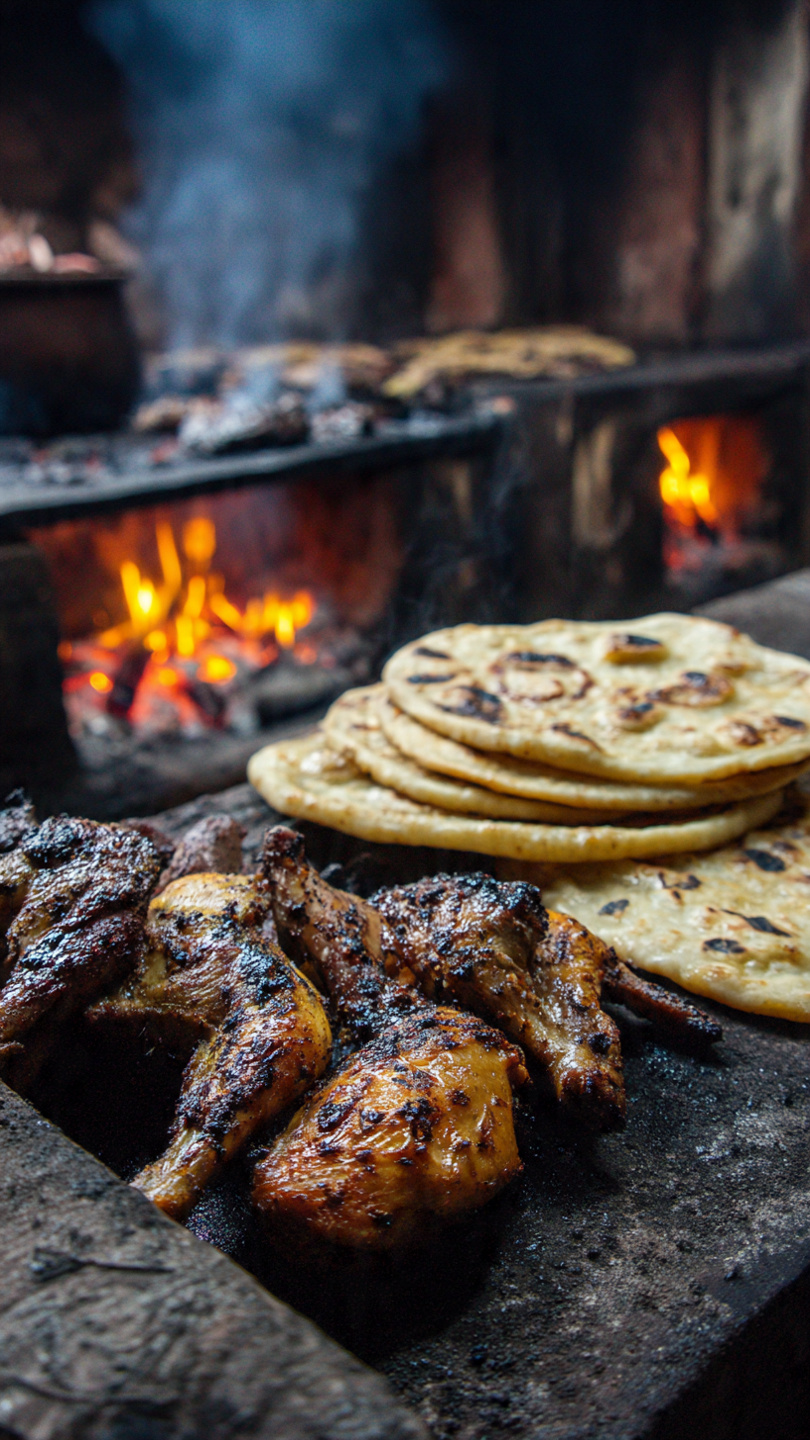
In the Central Highlands and Rift Valley, Christmas is incomplete without Mbuzi Choma (roasted goat meat). This is the ultimate swap for the daily beef stew.
Traditionally, the goat is seasoned only with salt to preserve the natural flavours, then slow-roasted over hot acacia charcoal.
The "recipe" here is often passed down through the men of the family, who oversee the grill. The meat is typically served with kachumbari (a fresh tomato and onion salad) and large portions of mukimo.
Western Kenya’s Pride: Ingokho (Chicken) Stew
For families in Western Kenya, Christmas means Ingokho. This is not just any chicken; it is usually a "kienyeji" (indigenous) rooster.
The swap involves moving away from quick-fry broiler chicken to a slow-simmered, traditional stew.
The secret to a perfect Ingokho lies in the "singeing" of the feathers over an open flame to give the skin a smoky texture before it is browned and boiled with onions and indigenous greens.
The Cost of the Festive Plate
While the spirit of the recipe swap remains strong, the 2025 festive season faces significant economic hurdles. According to recent market data, the price of key ingredients has shifted significantly.
Ingredient Average Price Increase (Dec 2025)
Cooking Oil (1L) 12%
Onions (1kg) 18%
Goat Meat (1kg) 15%
Basmati Rice (2kg) 10%
Many families are adapting by "swapping" expensive brands for wholesale alternatives or pooling resources in chamas (investment groups) to buy livestock directly from farms to bypass retail markups.
Preserving Generational Flavours
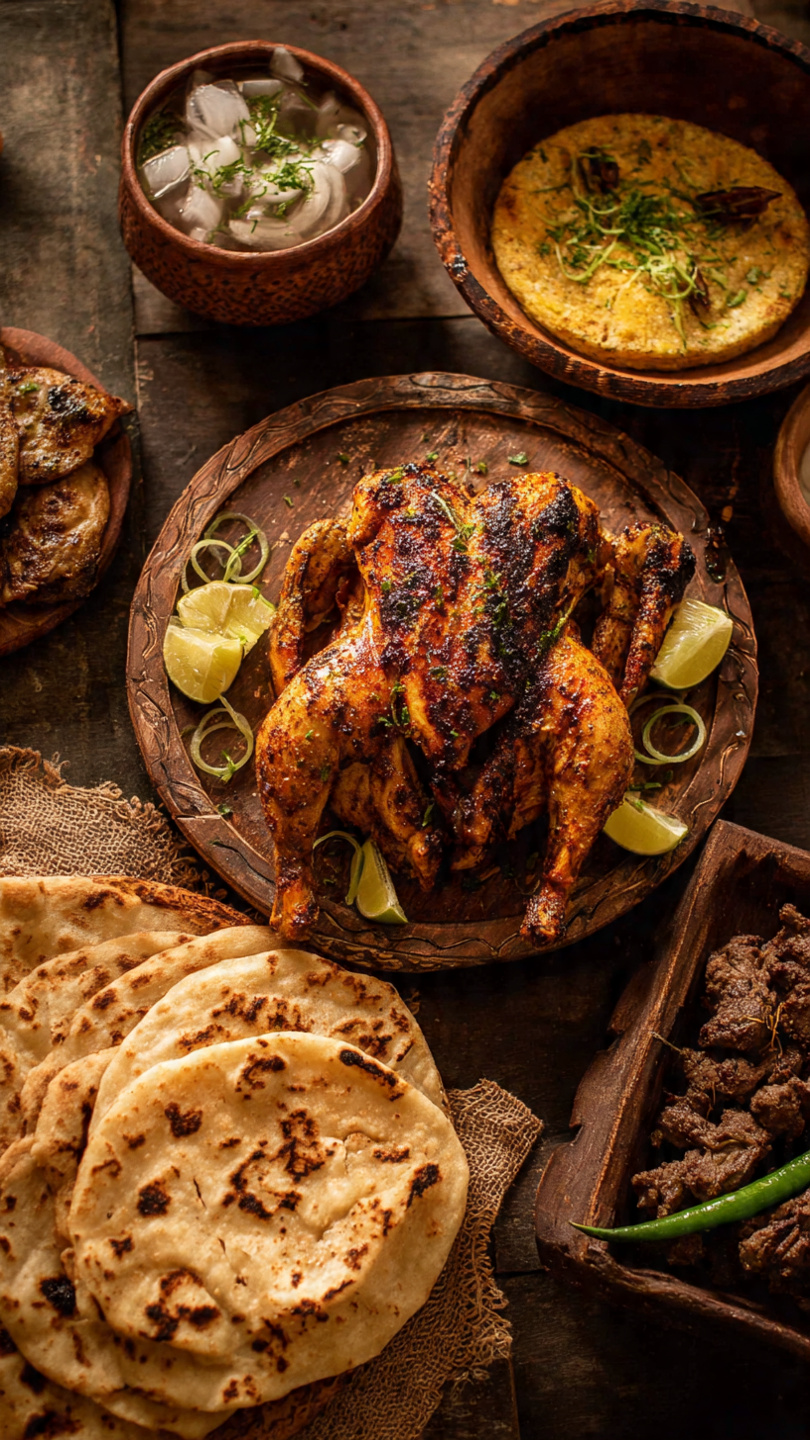
Beyond the main courses, Christmas sees the "snack swap." Daily tea and bread are replaced by Chapati and Mandazi.
The "Malenge" (pumpkin) chapati remains a popular generational variation, where boiled pumpkin is kneaded into the dough for softness and a golden hue.
Despite the high cost of wheat and oil, the ritual of "rolling chapatis" remains a communal activity that bridges the gap between the elderly and the youth, ensuring these recipes survive another generation.