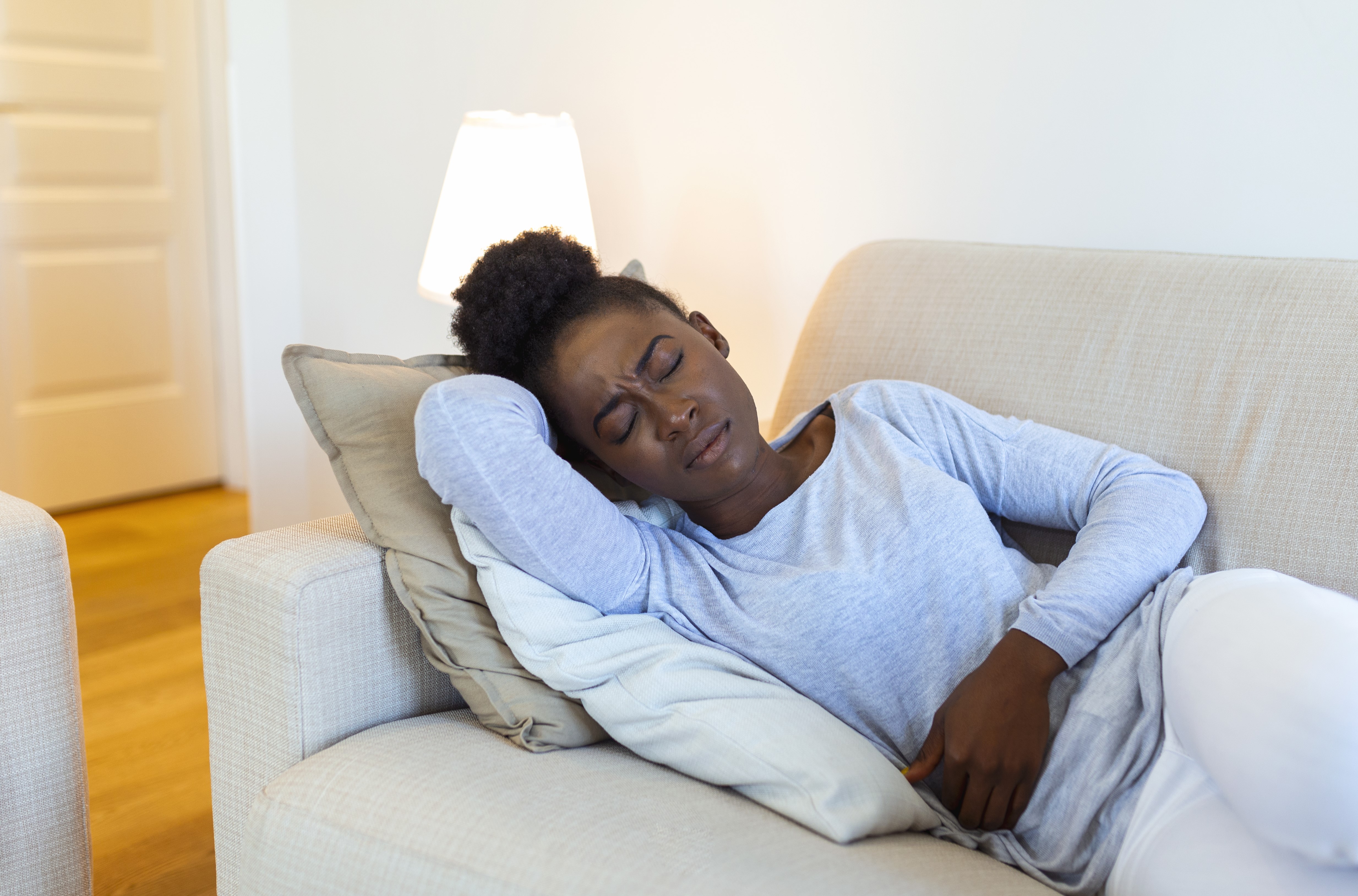
 A woman holding her lower abdomen/FREEPIK
At 8am, on a Monday, Grace held her textbook in one hand and a hot water bottle against her lower belly in the other.
The pain began as a dull ache but quickly escalated into waves of cramping that radiated toward her back and thighs.
She knew this feeling all too well.
For many people who menstruate, painful periods are more than discomfort. They can disrupt school, work and daily life.
The medical term for painful menstruation is dysmenorrhea, which refers to menstrual cramps occurring just before or during a period.
It is one of the most common reproductive health complaints worldwide. Studies show that a majority of menstruating individuals experience some degree of pain each month, with estimates ranging broadly because of differences in age, health conditions and reporting methods.
In one large review according to a research published on the Journal of Gynecological Research and Obstetrics, up to 92 percent of people reported some menstrual pain, and 5–10 percent experience pain severe enough to affect daily activities.
What causes the pain?
The root of period pain lies in the uterus, a muscular organ that contracts regularly during menstruation to shed its lining.
In the days leading up to bleeding, the body releases chemical messengers called prostaglandins, which trigger these contractions and cause blood vessels to narrow.
A study on the origin of menstrual pain, published on PubMed, stated that when prostaglandin levels are high, the contractions become stronger and the blood supply to the uterine muscle decreases, leading to pain similar to intense muscle cramps.
Higher prostaglandin levels have been consistently observed in menstrual fluid of those with painful periods, supporting the role of these chemicals in causing cramps.
How common and how severe is it?
Menstrual pain is extremely common.
In population surveys of young women, more than eight in ten report experiencing cramps at some point, with more than half needing medication, and around one in four reporting pain that interferes with daily life.
Other global research finds that 70 percent or more of adolescents and young adults report menstrual pain, and this extends across different countries and income levels.
Clinicians differentiate between primary dysmenorrhea, pain not caused by another medical condition, and secondary dysmenorrhea, pain linked to health issues such as endometriosis, uterine fibroids or pelvic inflammatory disease.
Secondary causes can sometimes intensify pain and require additional medical evaluation.
For some, period pain is a mild inconvenience. For others, it is debilitating.
The most severe cramps can feel like intense squeezing or sharp waves of discomfort, sometimes accompanied by nausea, headache, diarrhoea or fatigue.
These symptoms stem from the same prostaglandin activity that triggers muscle contractions and inflammation.
Why pain varies so much
Not everyone experiences periods the same way. Several factors affect pain intensity, including age, genetics, stress, lifestyle, and the presence of underlying reproductive health conditions.
A study by Haleon Health Partner shows that younger individuals, especially teens and those in their early 20s, often report more intense pain, potentially because prostaglandin levels are higher early in reproductive life.
In contrast, some people report less pain after childbirth, though experiences vary widely.
Lifestyle factors such as diet, exercise and body weight may also play a role.
Some studies suggest links between higher sugar intake and increased cramps, while regular physical activity has been associated with reduced symptom severity in certain populations.
When pain isn’t “just cramps”
Although painful periods are common, extremely severe pain should not be dismissed.
Persistent or worsening cramps, especially when accompanied by heavy bleeding or pain outside of menstruation, may signal conditions such as endometriosis or fibroids, which require medical evaluation. Asking a healthcare provider about testing and treatment can lead to relief and improved quality of life.
Managing menstrual pain
Because prostaglandins are central to the pain process, many effective treatments target their production.
Over-the-counter non-steroidal anti-inflammatory drugs (NSAIDs) such as ibuprofen help block the enzymes that make prostaglandins, reducing both contraction strength and pain.
Applying heat (via hot water bottles or heat pads) relaxes muscles and improves blood flow. Some people find regular exercise, hydration and stress management helpful as well.
Hormonal contraceptives can also reduce pain by thinning the uterine lining and lowering prostaglandin production.
For those with secondary causes of pain, additional treatments may be recommended by a clinician.
The human impact
For Grace, period pain is more than biology. It affects her routine, mood and productivity.
“Some months I plan my schedule around when it hits,” she says. Yet many of her friends never talk openly about it, assuming cramps are a private burden.
Recognising menstrual pain as a real and common health issue backed by scientific research helps reduce stigma. It also encourages people to seek care when the pain feels beyond normal discomfort.
Understanding why periods can hurt so much, and knowing when to seek help, empowers individuals to manage their health rather than suffer silently.
The science is clear: period pain is not imagined, and for many, it is a biological reality worth taking seriously.