In Kenya, Christmas celebrations have evolved significantly over the years. Traditionally, the festive season was marked by family reunions, special meals, church attendance, and vibrant decorations.
However, recent economic pressures and changing lifestyles have led to a noticeable shift in how Kenyans spend the holiday.In my view, several factors explain why Christmas celebrations in Kenya have changed so noticeably in recent years.
Family Visits and Ushago Reunions
In the past, many Kenyans would travel to their ancestral homes, or ushago, to spend Christmas with relatives.
This visit was not just a casual trip; it was a key part of the holiday, reinforcing family bonds across generations. Children, parents, and extended family members would gather to share stories, exchange gifts, and enjoy communal feasts.
ALSO READ: Fun Bonding Activities for Your Family This Christmas
Nowadays, fewer people make these journeys, often due to financial constraints, longer work hours, or urban migration. As a result, Christmas has become a more home-centered event.
Traditional Meals and Rare Delicacies
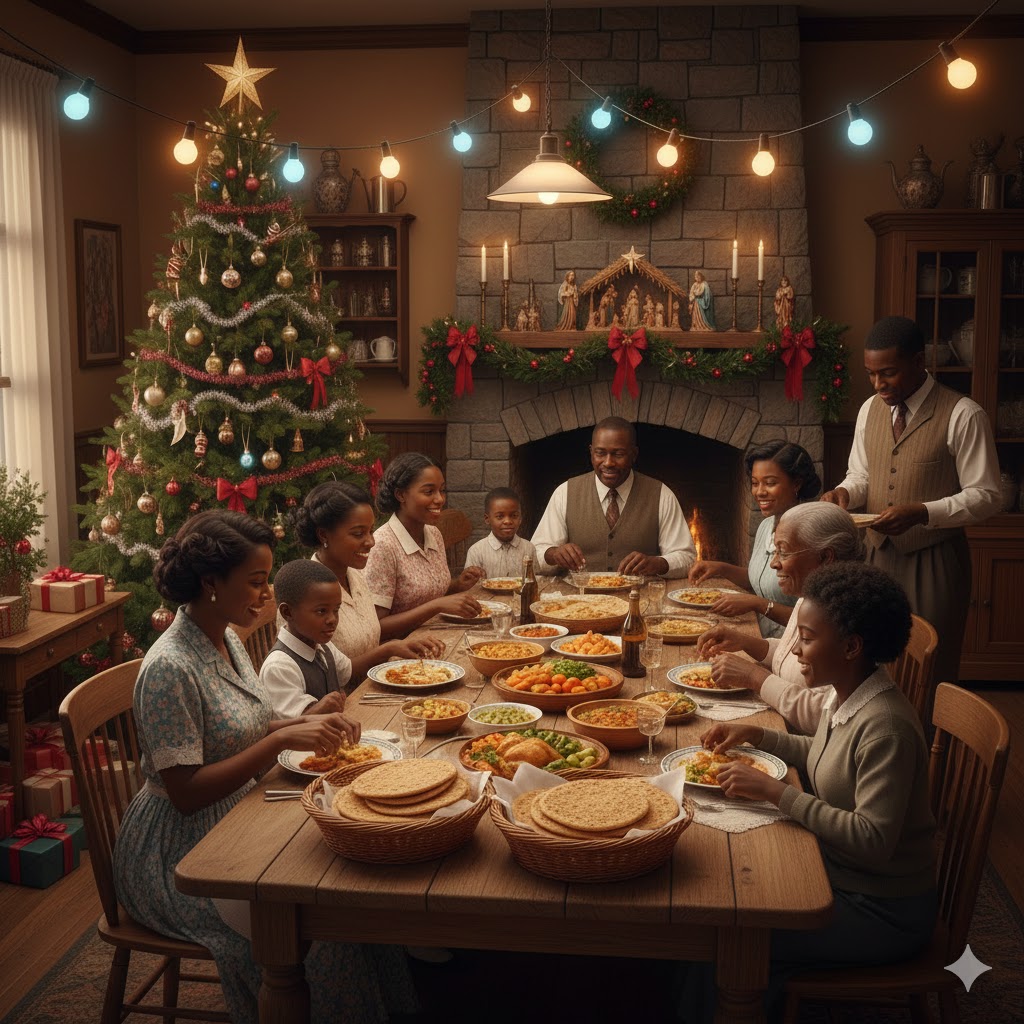
Food played a central role in past celebrations. Families would prepare githeri—a mix of maize and beans—during the year, but on Christmas, special items like chapatis, goats, and chickens were served. These meals were a symbol of abundance and celebration.
Today, many households opt for simpler and common meals due to the rising cost of food and economic challenges. The elaborate feasts of the past are increasingly rare, with many people settling for everyday dishes and modest portions.
Church Services and Religious Observance
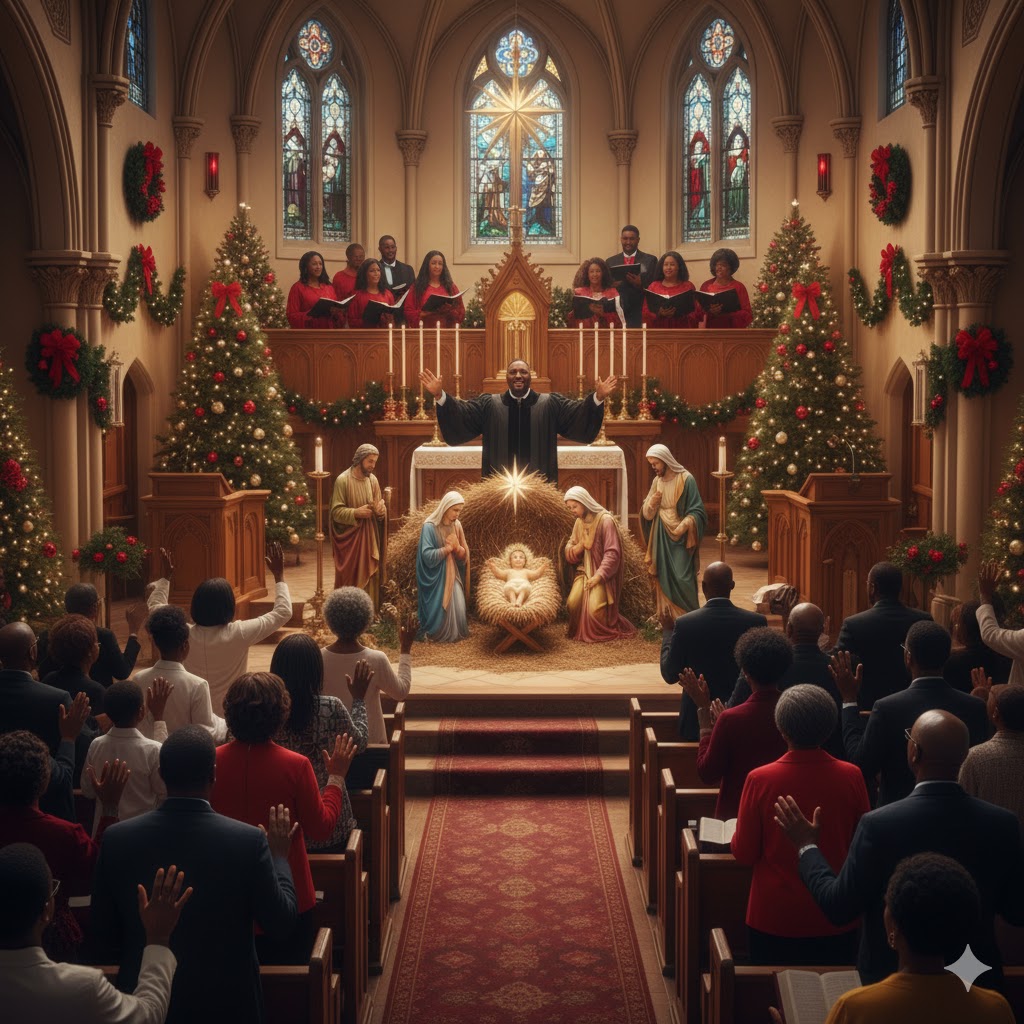
Church attendance, particularly on Christmas Eve, was another hallmark of traditional Christmas in Kenya. Communities would gather to celebrate the birth of Jesus, participate in carols, and attend midnight services.
While religious observance continues to be important, fewer people attend long church services, and celebrations have become shorter and less formal in many urban areas.
Decorations and Gift Exchange
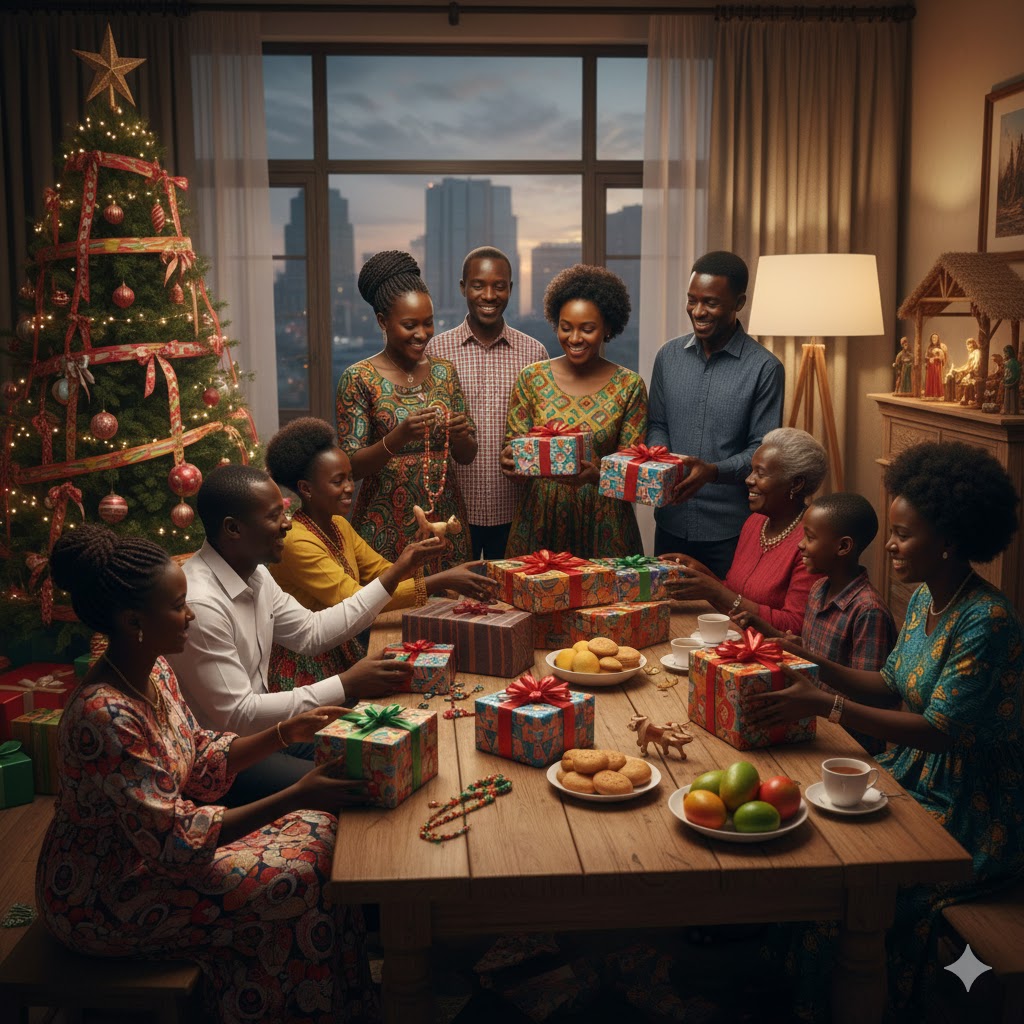
Decorating Christmas trees was once a colorful and exciting activity. Families would use ornaments in shades of green, red, blue, grey, and gold to decorate the Christmas tree.
Children eagerly participated in exchanging gifts, which added to the festive spirit. Today, decorations are often simpler, with budget-friendly items replacing the elaborate trees and ornaments of the past.
Gift exchanges have also become less extravagant, reflecting tighter household budgets.
Carols and Community Spirit
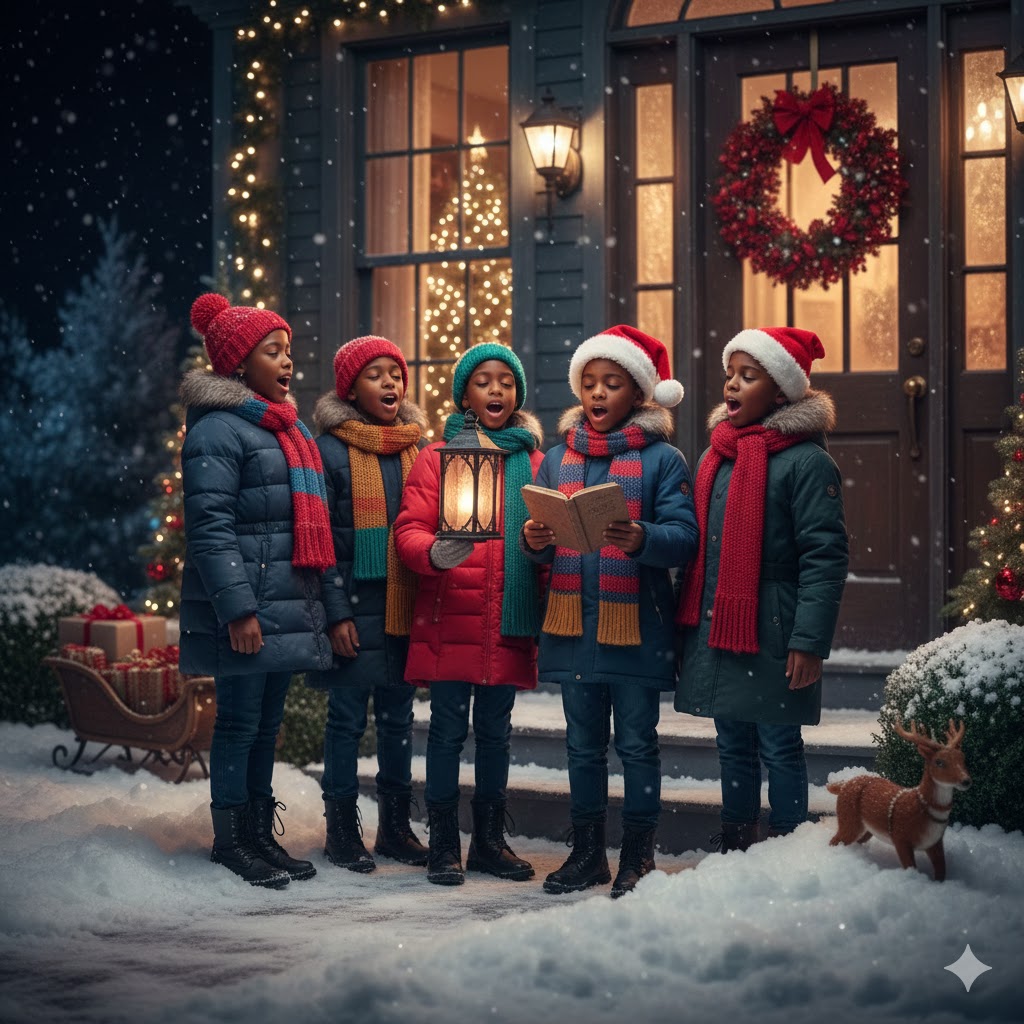
Previously, children would go door to door singing carols, lighting candles, spreading cheer throughout their neighborhoods. This communal activity strengthened social ties and created a shared sense of celebration.
In recent years, such traditions have largely diminished. Most children remain indoors, and the communal singing that once characterized Kenyan Christmas has faded.
A Call to Rediscover Joy
I can’t help but feel nostalgic for the Christmases of old. There’s something about the shared meals, visits, carols, and colorful trees that cannot be replicated by a quiet day at home.
While economic and social changes are understandable, perhaps it’s time to remember that Christmas is more than surviving the day—it’s about cherishing moments, family, and community.
Kenya’s Christmas has changed, but maybe we can change it back—at least in spirit—by making small efforts to revive the traditions that once made this season truly magical.