Nairobi County’s Chief Officer for Citizen Engagement and Customer Service, Geoffrey Mosiria, recently highlighted a highly effective yet uncomfortable business niche.
His observation about coffin shops situated near hospitals sparked a discussion on businesses that rely on ironic or high-stakes location mapping to thrive.
These establishments exist not to solve a routine problem, but to provide an immediate service at the precise geographical moment of maximum human distress, urgency, or failure.

The Nairobi Case Study
Mr Mosiria publicly shared his appeal after a personal visit to a coffin seller near a medical facility in Kikuyu. He acknowledged that the men and women in the trade perform a necessary, dignified service.
However, the placement concerned him due to the emotional toll on patients.
“My humble request, however, is this: let us keep coffin shops away from the main entrances of hospitals or directly opposite them.”
The official reasoned that critically ill patients seeing the displays may "panic or lose hope of recovering".
Despite the emotional discomfort, the location remains highly effective because it offers maximum convenience during a devastating time.
Profiting from Immediate Consequences
This concept extends far beyond funeral services. Across the country and globally, businesses map themselves directly onto the sites of loss, failure, or impulse.

A classic example is the shylock or informal lender setting up next to a busy pub or a casino. Casinos and pubs are sites of high-risk discretionary spending and impulsive cash depletion.
ALSO READ: Geoffrey Mosiria’s Special Request to Coffin Businesses Near Hospitals
The shylock is perfectly positioned to profit from the customer’s immediate, often desperate, need for cash or debt consolidation right at the point of financial loss.
Similarly, a pawn shop adjacent to a casino targets individuals who need to liquidate assets immediately to cover losses or continue gambling.
Mapping Failure onto the Justice System
The legal system also creates these niches. A bail bondsman or a service selling "last meal" type food is highly effective when placed directly outside a courthouse or a prison.
For the bondsman, their location across from the legal facility is the absolute point of need. If a person is arrested or released, the bondsman is the first resource sought. This geographical proximity streamlines a crisis.
Likewise, vendors offering comfort food or supplies outside prison visitation points cater to the emotional and practical needs of visitors and departing inmates.
Monetising Essential Inconvenience
Other highly effective location-mapped businesses target unavoidable biological or logistical needs at high-density events:
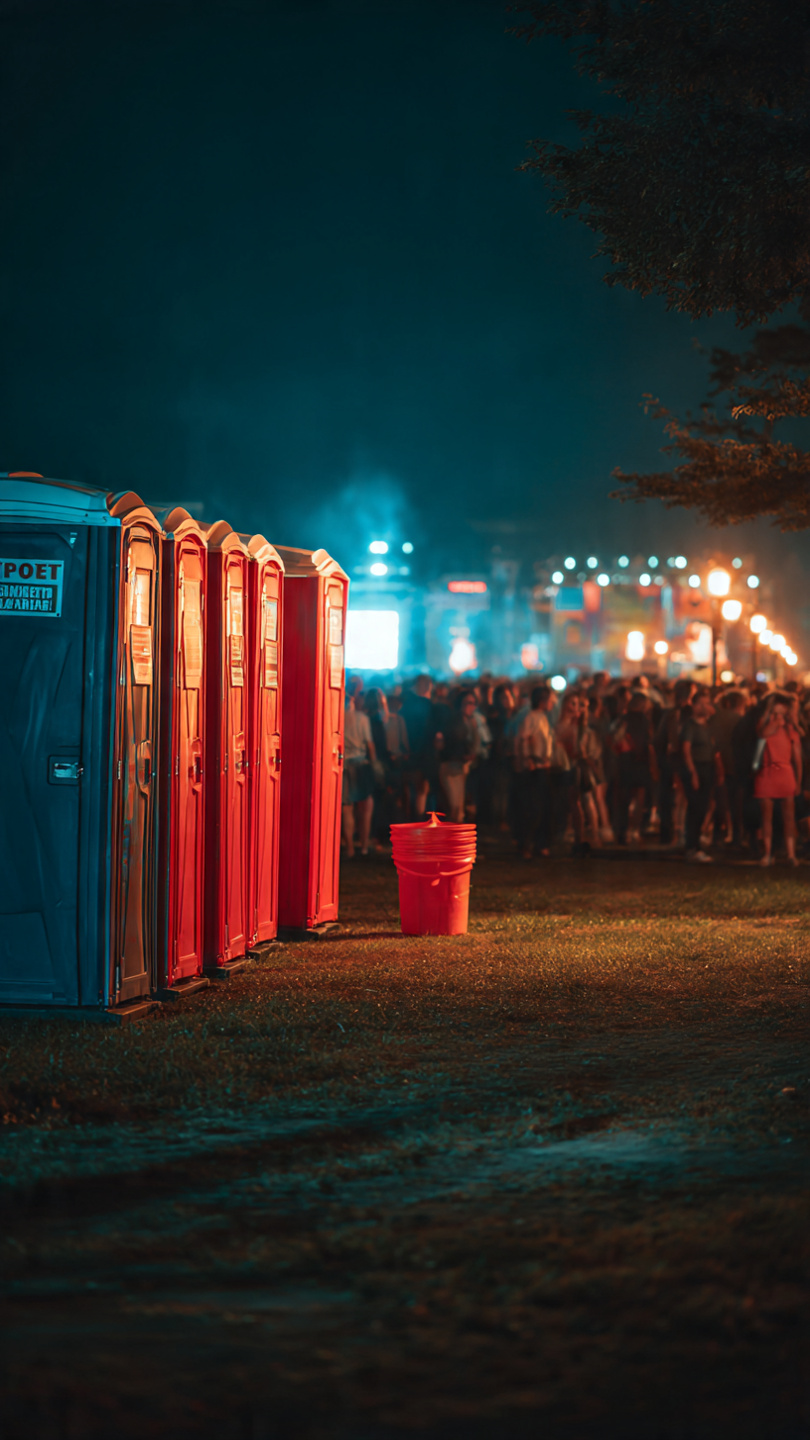
- Toilet Services: Setting up comprehensive loo services near high-density festivals or rallies monetizes the unavoidable need for sanitation caused by large crowds.
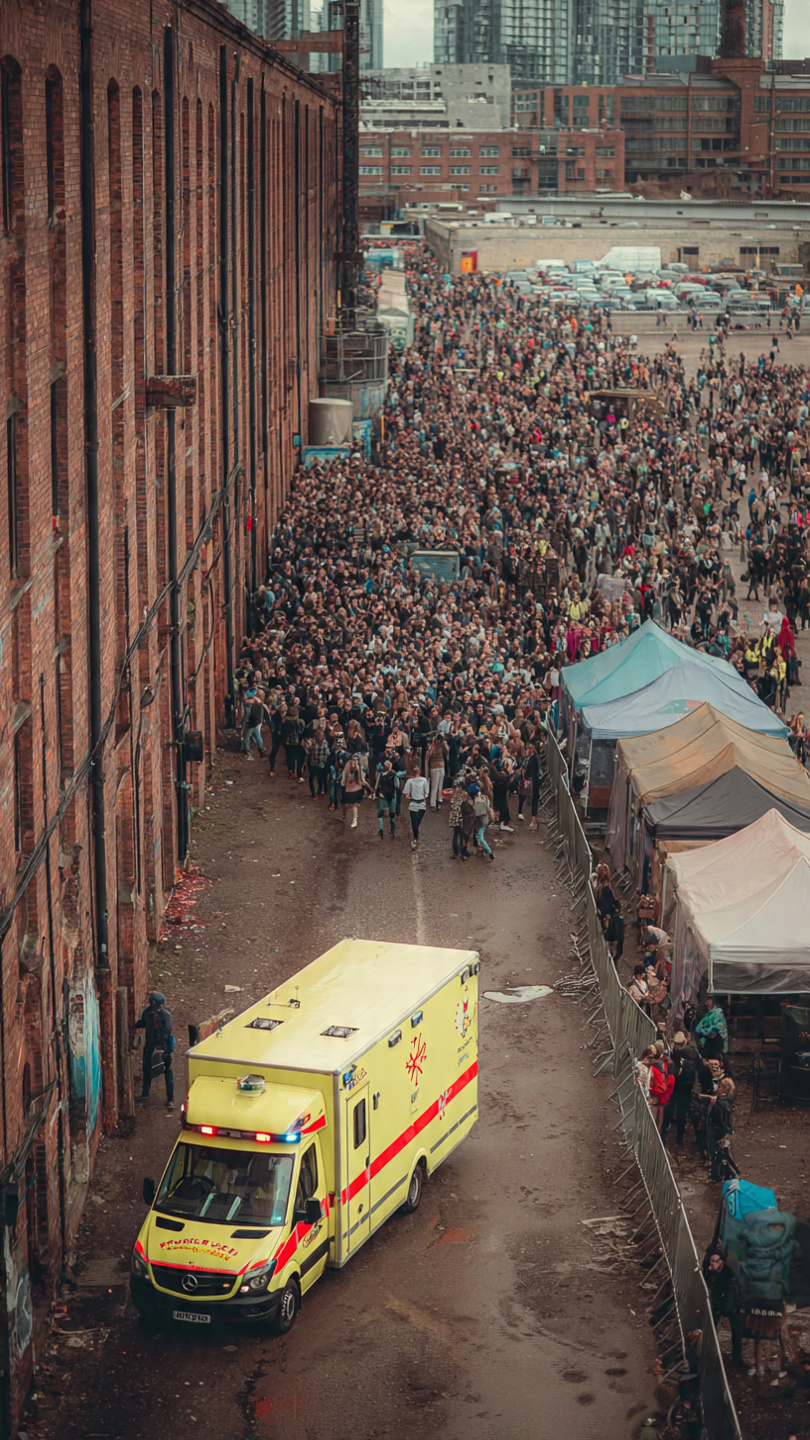
- Ambulance Services: Placing ambulance or emergency field services outside a packed field or rally directly addresses the statistical certainty of injuries, heat stroke, or medical incidents in mass gatherings.
All these businesses follow a simple economic principle: they provide a non-negotiable solution at a moment of crisis or extreme inconvenience, making the uncomfortable location mapping highly effective for profit.