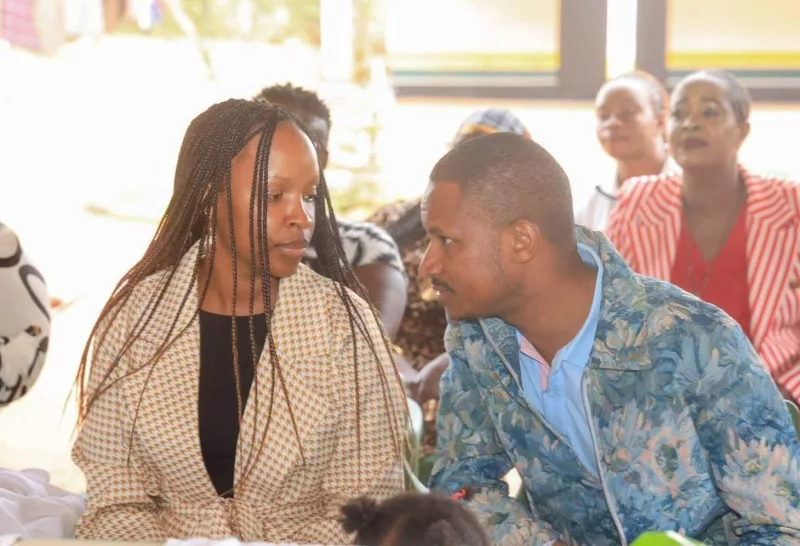
A major marriage competition in South Sudan has intensified following bids from two prominent families vying for the hand of Ms. Atong Aguto Pach.
The escalating offers highlight traditional practices where marriage arrangements often involve substantial dowries and exchanges of wealth.
Awulian Community’s Offer
The Awulian community initiated the high-value bids with an extensive package for Suito Mabior Abit Biar. Their offer included 158 cows, 25,000 USD, 161 goats, 75 sheep, a town bungalow, seven plots of land in Juba, and two vehicles.
The presentation of these assets reflects a long-standing tradition of demonstrating wealth and commitment in marital negotiations.
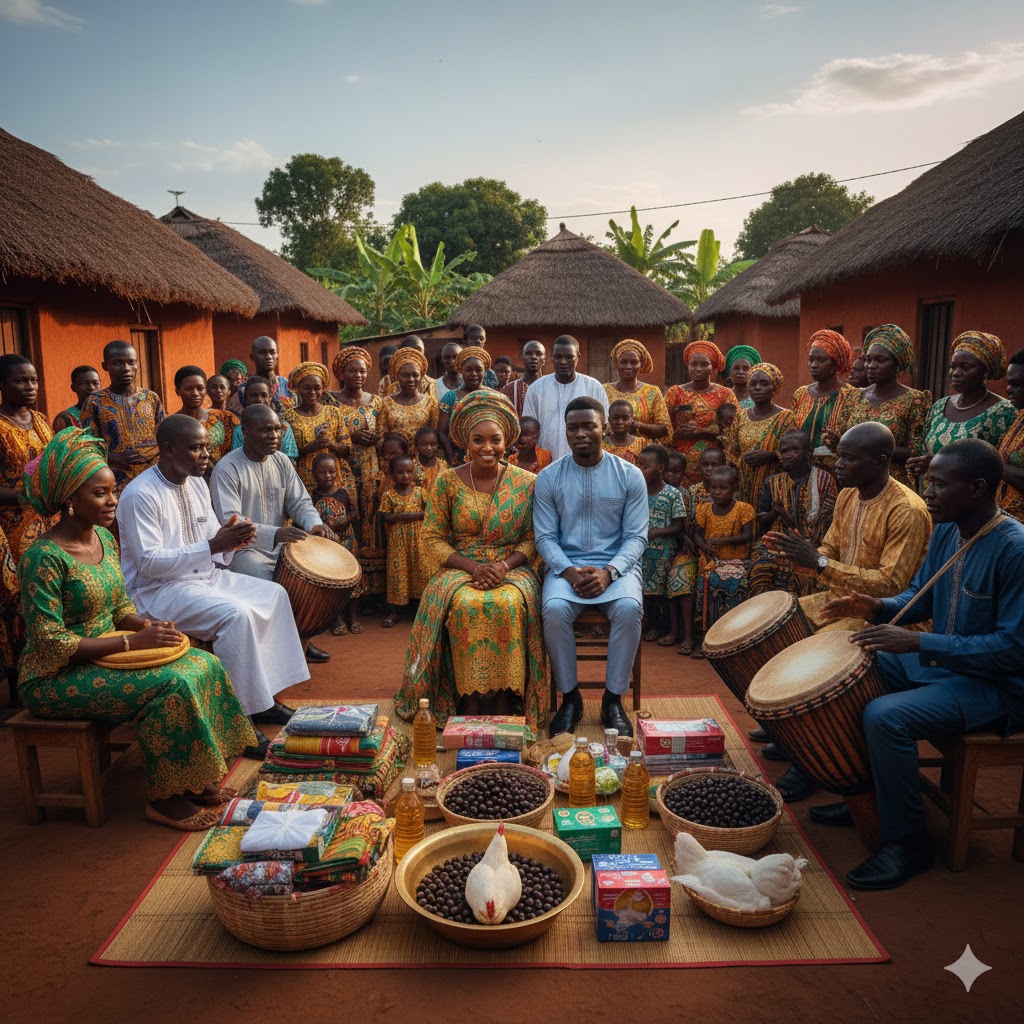
Abang Community Counters
Shortly after, the Abang community presented a larger counter-offer for Thon Chol Riak. Their initial package included 200 cows, 60,000 USD, 319 goats, seven sheep, two plots in Entebbe, two plots elsewhere, six vehicles, and educational sponsorship at an Ivy League institution for two in-laws.
This counter-bid aimed to surpass the Awulian proposal in both monetary and symbolic value.
Latest Developments
The competition continues to grow, with the Abang community updating their offer to 297 cows and 77,000 USD, representing a significant increase in livestock and cash.
The exchange underscores the competitive nature of traditional marriage practices in certain South Sudanese communities, where social standing and clan prestige are often closely tied to the scale of dowries.
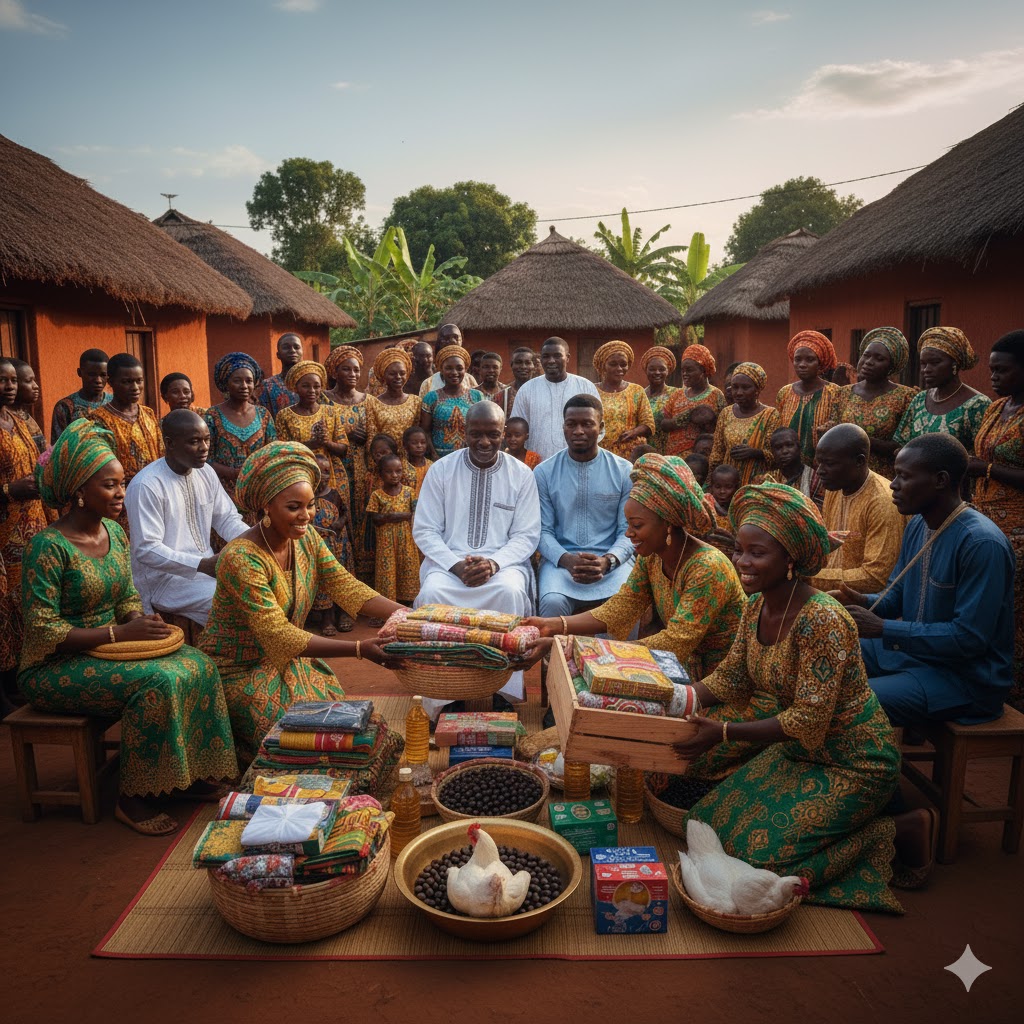
ALSO READ: Explainer: Difference between Dowry and Bride Price
While the competition draws attention for its scale, it reflects deeply rooted customs in South Sudanese society.
Marriages often involve negotiations between families, with wealth in livestock, cash, land, and other assets serving as a measure of a family’s status and capability to support the newlyweds.
Communities like Awulian and Abang view these arrangements as both familial and communal responsibilities.
Public Reactions
1. “This is how for them they measure their wealth…”
The commenter is saying that in those South Sudanese communities, wealth is traditionally measured through livestock, land, and other property—so the huge dowry offers are a cultural way of showing status and capability.
2. “Kwani huyu msichana anakuja na nyumba plus ama?”
The commenter is asking whether the woman being married is bringing a house or major property into the marriage. They are reacting to the extremely high bids and wondering what makes the dowry so large.
3. “Kuna hawa wa Kenya wenye hata tunataka tuanze kupewa free”
The commenter is comparing the situation to Kenya, joking that some Kenyans struggle so much with dowry that they would rather receive spouses “for free.” It’s humor about how expensive or complicated marriage processes can be in Kenya versus South Sudan.