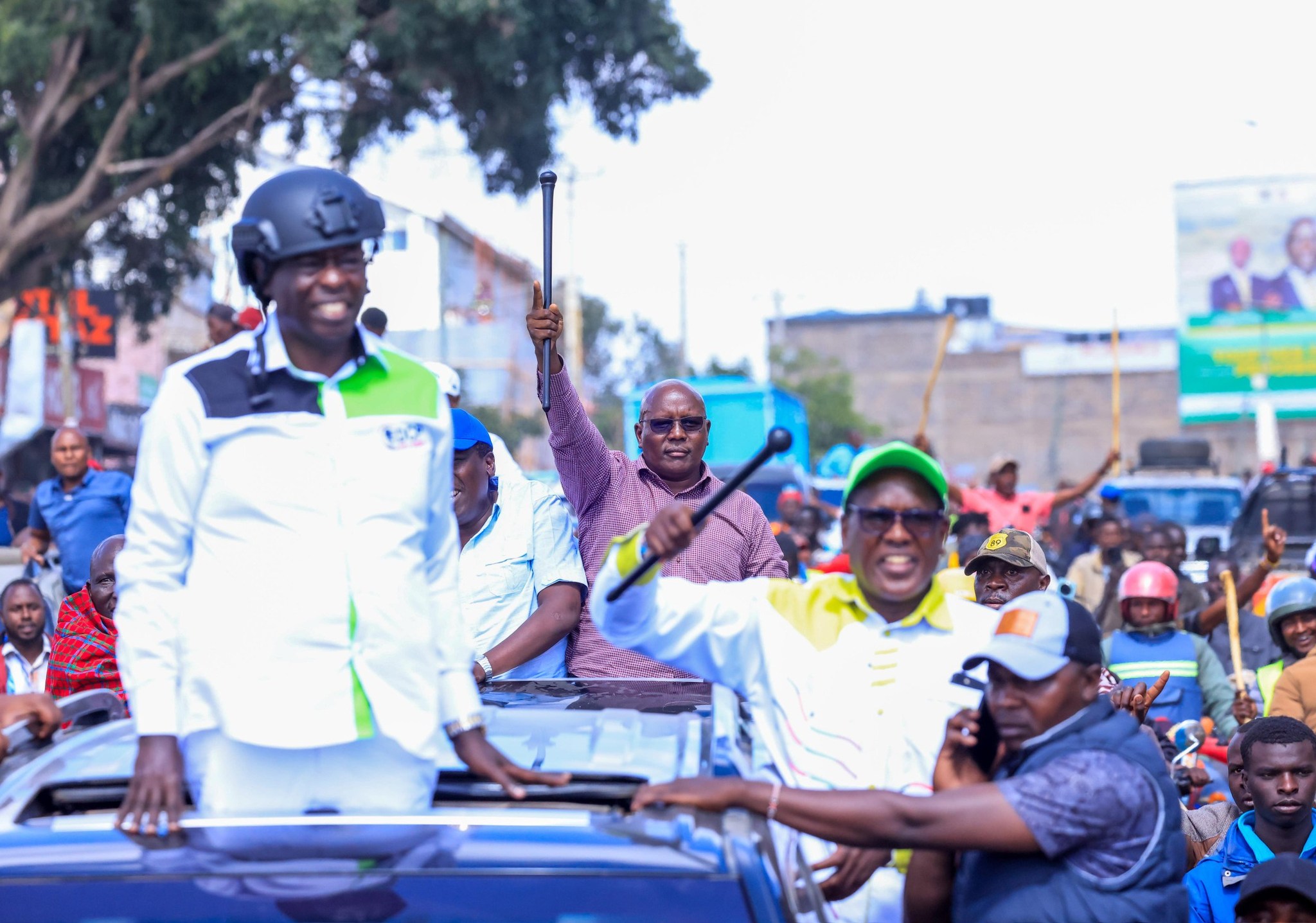
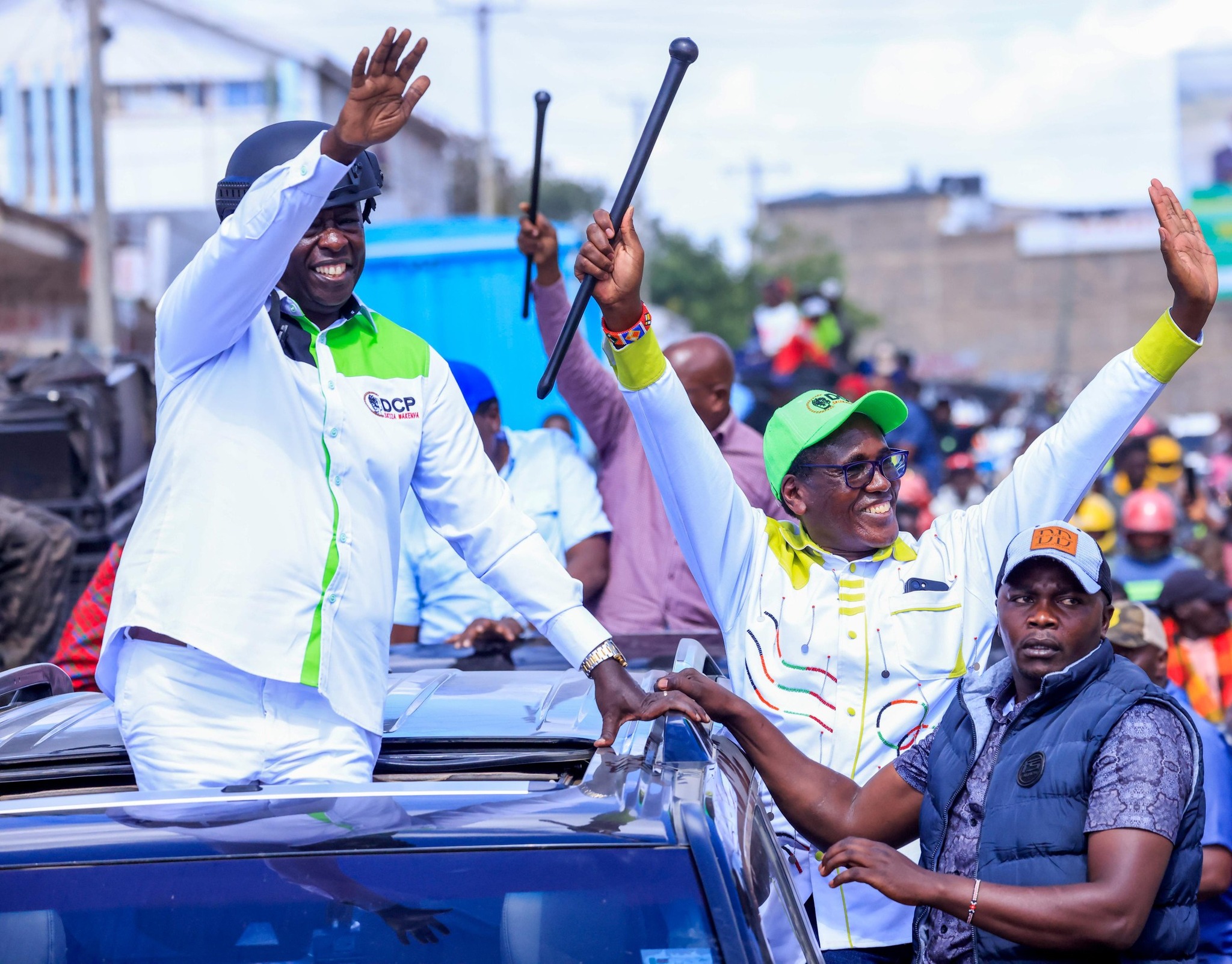
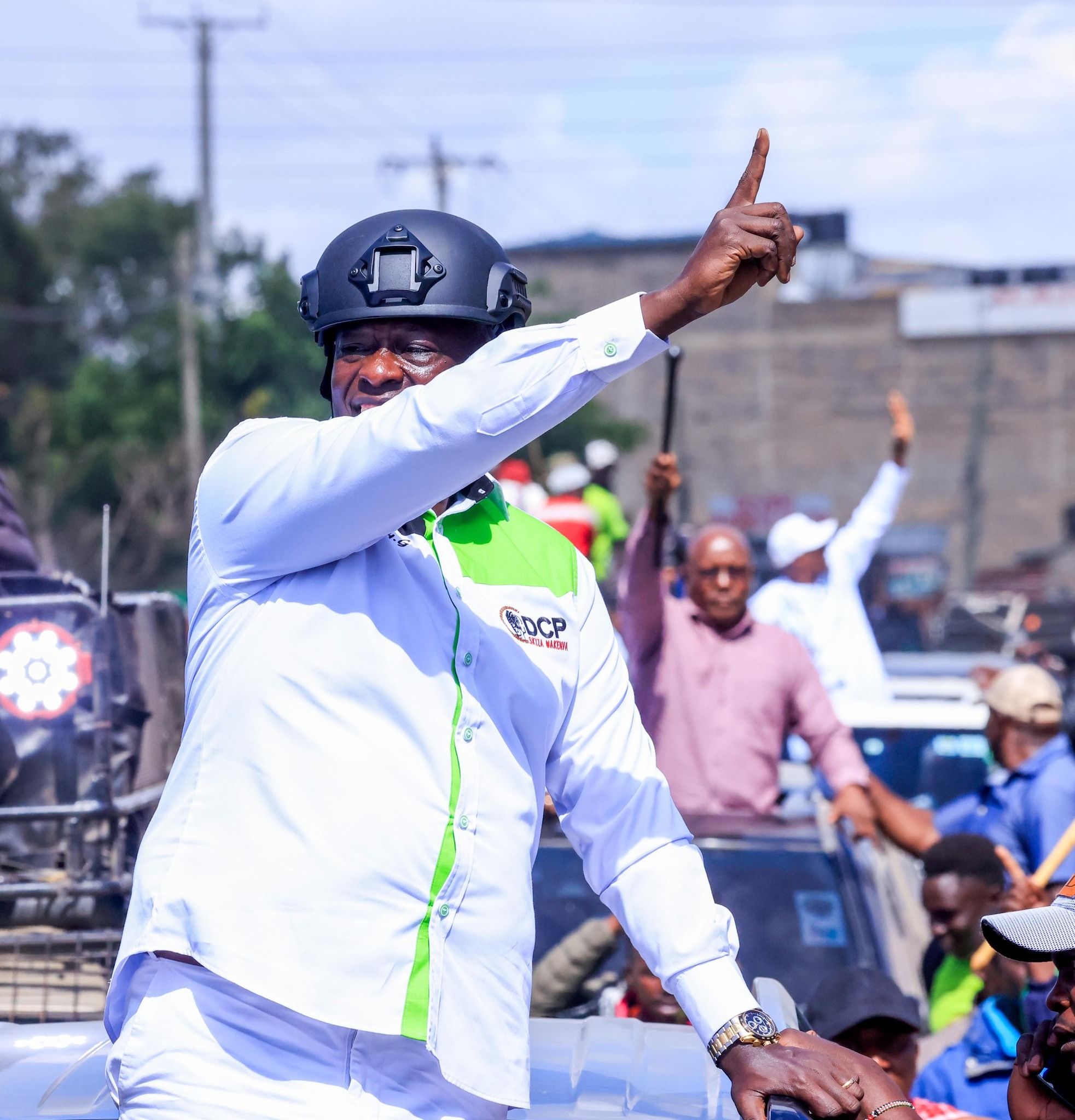
Deputy President Rigathi Gachagua attracted significant public attention during a campaign rally in Narok County on Monday after he appeared wearing a distinctive black, military-style helmet.
The unconventional headgear, typically associated with tactical and combat scenarios, quickly became a focal point of discussion across the country.
The choice of attire, which critics viewed as provocative and unnecessary, has drawn discussions online about its legality when worn by a civilian.
Details of the Ballistic Helmet
The helmet worn by the DCP Party leader closely resembles models designed for tactical and military use.
The style is known as a high-cut helmet, a design favoured by special operations units globally for increased awareness and compatibility with communication gear.
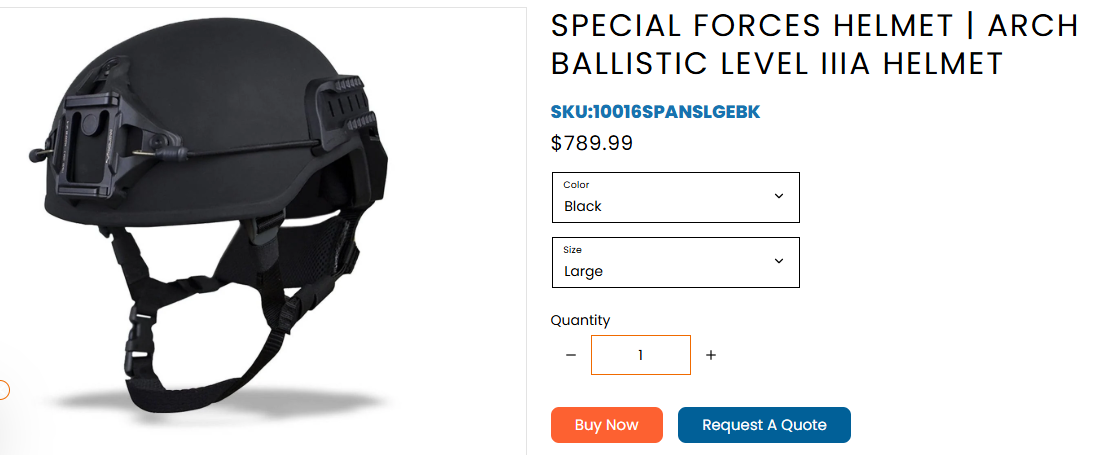
Based on models referenced by the Security Pro USA website, the headgear is consistent with a SecPro Accessory Rail Combat Helmet (ARCH) Ballistic Level IIIA Helmet.
According to the website, the SecPro Accessory Rail Combat Helmet (ARCH) is an advanced ballistic helmet that was designed to meet the modern realities of the battlefield.
It uses advanced ballistic technology to combine superb performance to weight characteristics, full special ops coverage with enhanced awareness due to the reduced profile and higher cut.
Key Details:
- Type: Accessory Rail Combat Helmet (ARCH).
- Protection Level: NIJ Level IIIA. This rating means the helmet is designed to protect against fragmentation and handgun rounds.
- Design: It features fixed side rails and a front shroud, designed for mounting tactical accessories such as night-vision goggles (NVGs) and communication systems.
ALSO READ: KSh167,000 Sunglasses!! Ruto’s Ethiopian Tour Look Stirs Outrage
- Cost: Such specialised ballistic helmets often carry a high price tag. The SecPro ARCH Ballistic Level IIIA Helmet is listed by some retailers for approximately $789.99 (Ksh 102,500).
Legal Position on Military Attire in Kenya
The wearing of uniforms that resemble those of Kenya's disciplined forces by civilians is restricted by law.
Section 184 of the Penal Code (Cap 63) prohibits any person not serving in the disciplined forces or police force from wearing their uniform, or any dress that bears the appearance or distinctive marks of such a uniform, without permission from the relevant Minister or lawful authority.
The National Police Service Act (Section 101) similarly states that a person who, without the Inspector-General's written authority, wears or assumes the uniform, name, or designation of a police officer, or a uniform resembling it, commits an offence.
READ MORE: Flamboyant politicians and some luxury items they own
However, the legal execution of this prohibition has faced challenges. Police have previously issued warnings about arresting civilians wearing military-type attire, citing concerns that criminals use them to confuse the public.
Some legal experts suggest that prosecuting civilians is complicated unless the attire has an official emblem or insignia that legally belongs to the security forces.
The Kenya Defence Forces (KDF) Act (Section 279) also provides for imprisonment for a term not exceeding one year for offenders who misuse KDF attire.
Gachagua’s choice of the combat helmet places his attire within this complex legal and public debate regarding the use of security force symbols by civilian figures.