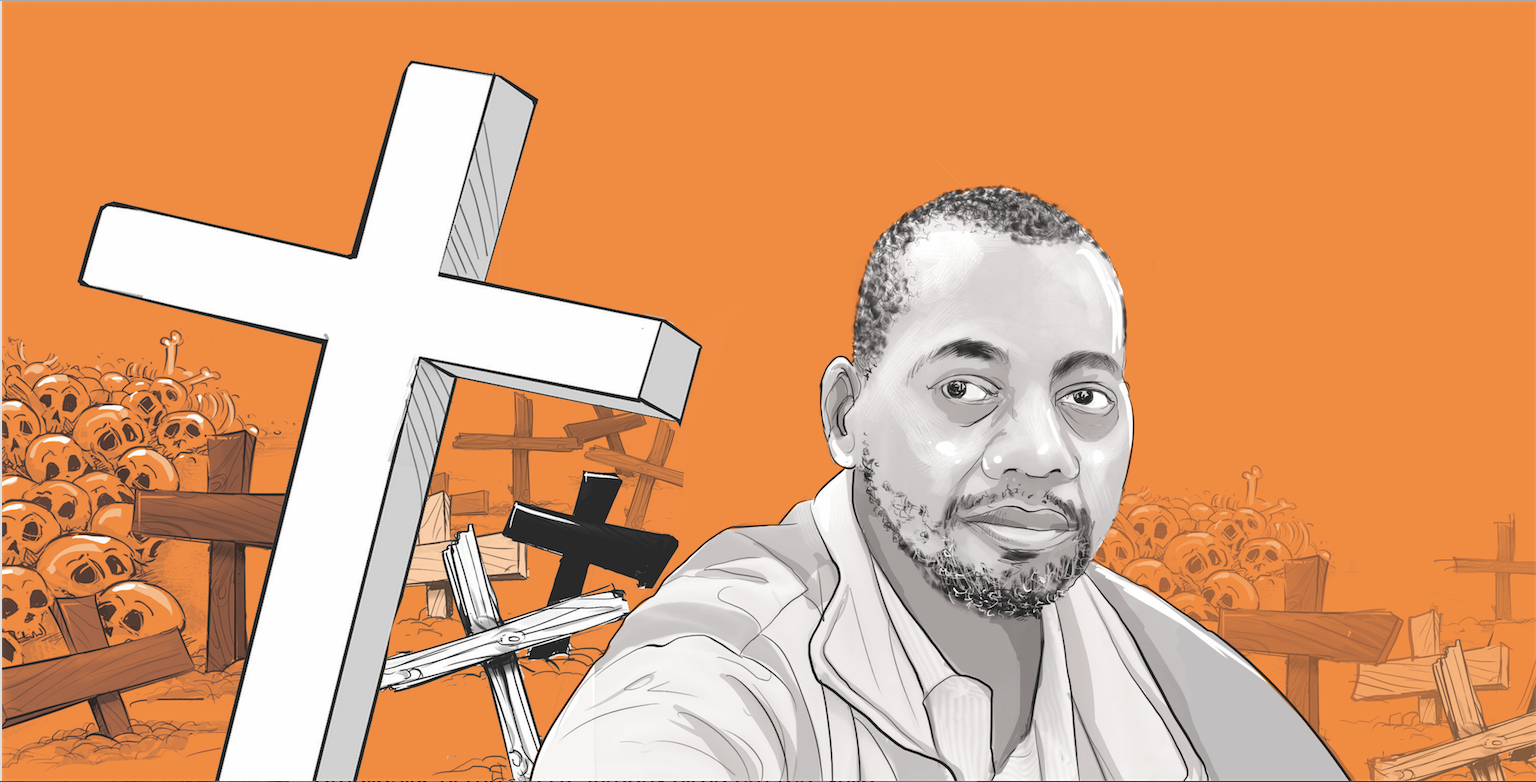
Suicide illustration-The Star
Kenya’s decision to decriminalise attempted suicide marks one of the most consequential shifts in the country’s mental-health and human-rights landscape in decades.
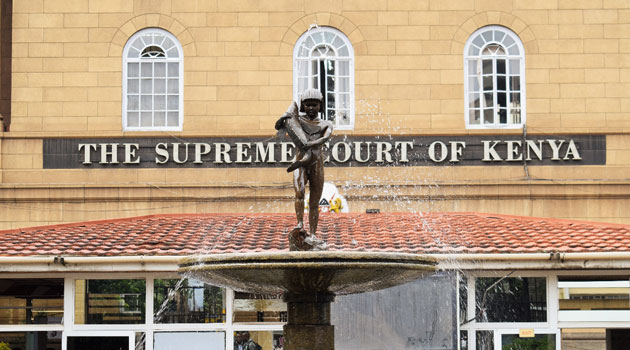
The move followed a landmark High Court judgement delivered in January 2025, in which Justice Lawrence Mugambi declared Section 226 of the Penal Code unconstitutional, holding that punishing a person who attempts suicide violates the rights to dignity, health, and fair treatment.
Justice Lawrence Mugambi, in his decision, said section 226 of the penal code shames victims of suicide ideation in the eyes of the community for actions that are beyond their mental control.
"A declaration is hereby made that section 226 of the penal code is unconstitutional for violating articles 27, 28 and 43 of the constitution," he ruled.
“To punish someone for surviving their own suffering is a constitutional absurdity this court cannot endorse."
The ruling was hailed by mental-health advocates, law-reform organisations and clinicians.
According to the Kenya Medical Research Institute (KEMRI), Kenya records an average of 4 deaths per day from suicide.
"There are 700,000 suicide deaths reported per year globally and 14 million reports of attempted suicide," KEMRI notes.
"Closer home, Kenya reports an average of 4 deaths per day from suicide and an average of 470 cases of attempted suicide reported to the police. The real numbers are likely much higher due to underreporting."
Many more survive suicide attempts and never seek help.
One of the immediate challenges since the decriminalisation judgement lies in the implementation of Section 226’s removal.
The penal provision had guided police responses for decades. Its absence now demands rapid restructuring of law-enforcement protocols.
Earlier in September, Inspector General Douglas Kanja underscored the National Police Service’s renewed commitment to strengthening mental-health systems for officers and their families.
“These efforts include establishing counselling offices, chaplaincy services, psychosocial deployment, and forming partnerships with institutions such as Africa International University and DMF-Kenya,” Kanja said, noting that the service must adapt to the changing legal and social landscape.
He further outlined three priorities for the police: breaking the silence and ending the stigma surrounding mental health; expanding access to counselling and psychosocial support; and forging partnerships across society to support vulnerable individuals more effectively.
Earlier in September, Inspector General Douglas Kanja emphasised the National Police Service’s deliberate steps to strengthen mental health systems for officers and their families.
Mental-health providers note that implementation requires a multisectoral approach.
Kenya has just over 150 psychiatrists serving a population of more than 50 million—a deficit highlighted repeatedly by international bodies, including the World Health Organization (WHO).
For the judiciary, decriminalisation removes hundreds of low-level cases from the criminal docket, potentially reducing caseloads.
High Court rulings following the decriminalisation have emphasised that mental-health considerations should take precedence over punitive measures.
As WHO notes, "Suicide can be linked to multiple, complex, and intersecting social, economic, cultural, and psychological factors and challenges, including the denial of basic human rights and access to resources as well as stressful life events such as loss of livelihood, work or academic pressures, relationship breakdowns and discrimination, among others."
As Director of Mental Health and Substance Use, WHO states, "Each death by suicide is a tragedy, and more must be done to strengthen suicide prevention. The resources launched by WHO today provide important guidance on two areas which are critical to suicide prevention efforts: decriminalisation of suicide and suicide attempts and responsible reporting of suicide by the media."
Court cases illustrate how mental-health considerations are being applied
In 2025, Ibrahim Kidero, charged with trespassing Bunge Tower, initially entered a guilty plea but later changed it.
Principal magistrate Ben Mark Ekhubi declined to enter a conviction and ordered a psychiatric evaluation.
The court subsequently involved the guardian and recommended medical attention.
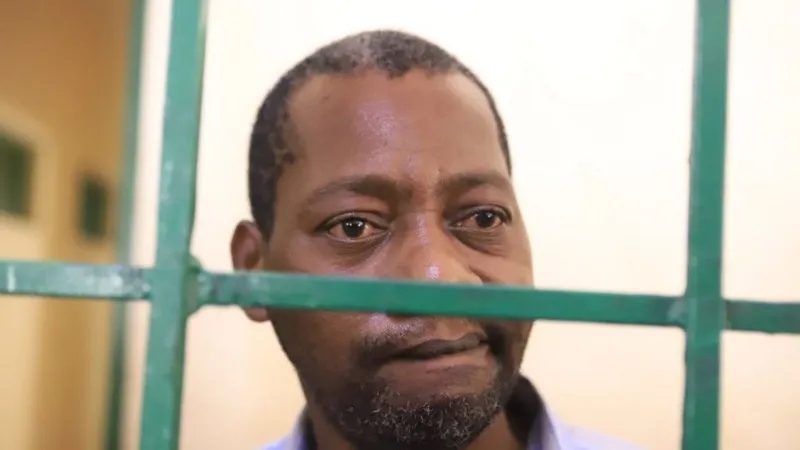
In another case, Kennedy Kalombotole, a murder suspect in the Kenyatta National Hospital case, underwent a mental assessment at Mathari Hospital.
Lawyers later requested a private psychiatric evaluation, which found him unfit to plead.
The court ordered a fresh report from Kenyatta National Hospital and indicated a panel assessment would follow if necessary.