Elgeyo Marakwet County has received heightened scrutiny from Auditor General Nancy Gathungu following the 2024 audit report that reviewed financial practices and flagged areas where public funds may not have been fully accounted for.
The report for the year ending June 2024 identified several irregular expenditures, including payments without supporting documentation, use of funds for functions assigned to the national government, and investments in projects that the audit indicated did not demonstrate clear value for money.
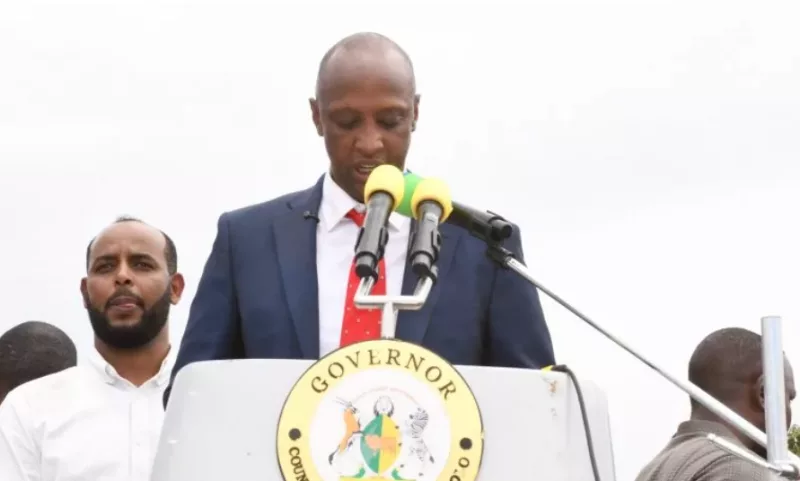
Governor Wisley Rotich told the Star that the county had responded to the audit through the Senate and referred the matters to finance executive Alphaeus Tanui.
Tanui, however, did not respond to multiple calls seeking comment.
Gathungu’s report noted an allocation to the county assembly of Sh706.8 million—15 per cent of the county’s total revenue of Sh4.5 billion—while the approved allocation stood at Sh316.5 million.
The excess of Sh390.2 million, equivalent to 8.6 per cent of revenue, was described in the report as inconsistent with public finance management regulations.
The auditor also highlighted operational bank balances of 129 health facilities totalling Sh41.3 million, citing missing bank reconciliations, certificates of balances, and board of survey reports, which made it difficult to verify the accuracy of the funds.
Pending bills totalling Sh103.6 million—a 456 per cent increase from the previous year—were similarly flagged, with Sh60 million noted as lacking adequate documentation, which does not align with Regulation 104(1) of the Public Finance Management County Governments Regulations 2015.
Expenditures of Sh2.7 million on legal services were also mentioned in the report due to the absence of executive committee approvals, itemised fee notes, case status reports, and evidence of court attendance.
Additionally, five level 4 hospitals—including Chesoi, Kaptarakwa, Kocholwo, and Tot—had not submitted financial statements for audit, which is required under the law.
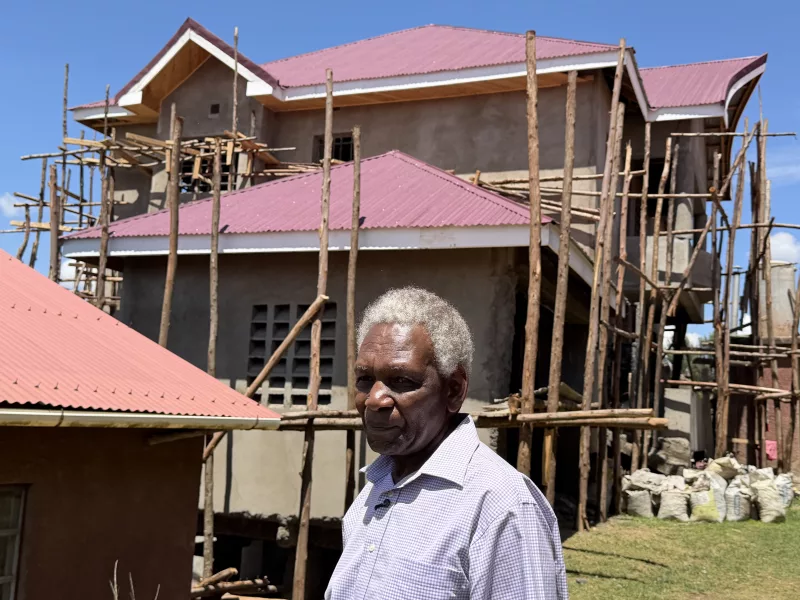
The county was further noted for spending Sh16 million on incomplete projects, Sh8.6 million on primary school field levelling and grading—which is not a devolved function—and Sh139 million on initiatives that the report indicated had limited observable benefit to residents.
Gathungu’s report also highlighted potential conflicts of interest, observing that some MCAs served on Ward Development Committees instead of performing their oversight functions.
Overall, the county spent Sh4.6 billion on development and recurrent budgets, below the approved Sh5.8 billion, indicating underutilisation of approximately Sh1.2 billion.