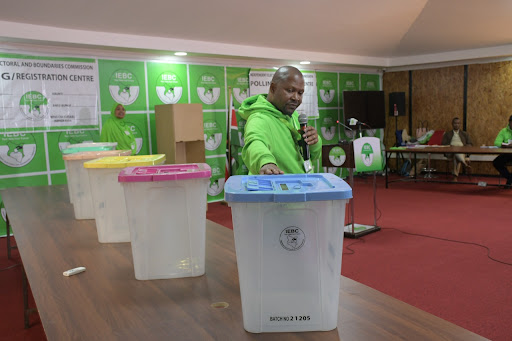
The Independent Electoral and Boundaries Commission is once again embroiled in legal and political battles that could derail its preparations for the 2027 polls.
Just as in the previous election cycles, the commission is facing a barrage of accusations, including allegations of bias and a plot to rig the election, and a surge of lawsuits that could significantly influence how it conducts the next polls.
The mounting accusations and cases threaten to derail its preparations, strain its budget, and force a rethinking of its electoral management approach.
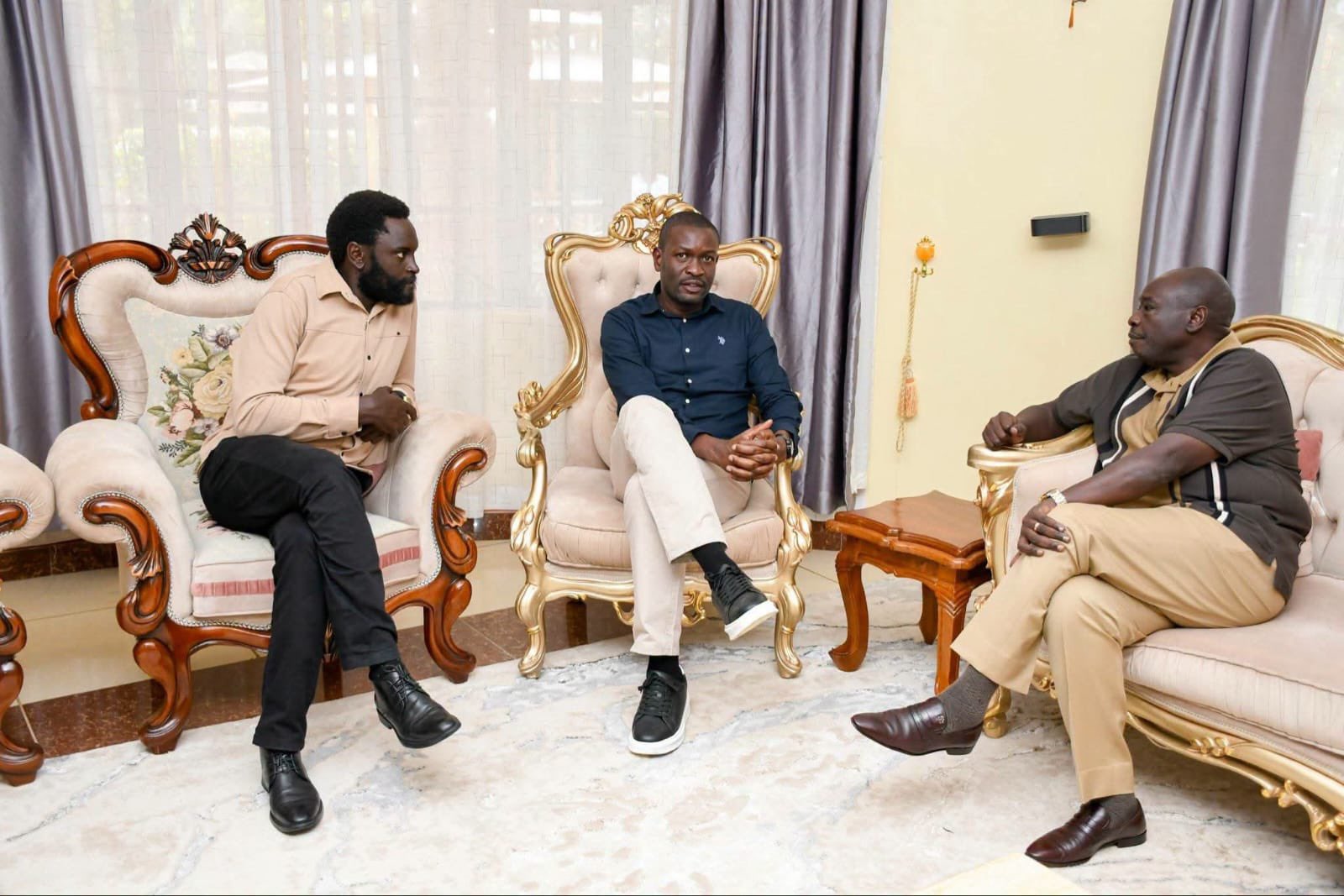
On Thursday, Wiper leader Kalonzo Musyoka demanded that IEBC CEO Hussein Marjan leave the commission before the 2027 General Election.
Marjan is allegedly working with allies of President William Ruto to rig the elections in his favour.
“I happen to know that Mr Marjan, the CEO of IEBC, who, by the way, we recommended he should not be there by 2027, is working with Ruto’s political advisor, who was also a commissioner and is based in State House managing IEBC,” Kalonzo said.
The Wiper boss claimed that the commission is ‘remotely’ controlled by the regime, eroding the credibility and image of the electoral agency.
“We had hoped the new commissioners would take office with a single-minded determination to restore IEBC’s credibility. But, so far, the signs are not as reassuring as Kenyans deserve,” he said.
IEBC chairman Erustus Ethekon did not respond to our phone calls to respond to the accusations by the opposition and the mounting challenges facing the agency, by the time of publication.
However, CEO Marjan, speaking while receiving the file batch of election materials at the Jomo Kenyatta International Airport on Thursday evening, downplayed the allegations.
“IEBC is run by very competent commissioners and a very competent secretariat. We have confidence that the elections will be free and fair. Please have faith in your commission."
The accusations come as more cases are filed in court against the commission in an attempt to shape how the general election will be conducted.
The latest legal battle is a petition seeking to abolish the national tallying centre in Nairobi.
Filed by veteran litigant and Busia Senator Okiya Omtatah, the case argues that the centre is an unconstitutional creation.
IEBC has been operating a national tallying centre in Nairobi, where presidential votes are verified and tallied before the final results are announced by the returning officer, the chairman.
“This constitutional petition seeks, among other things, to abolish the National Tallying Centre for presidential elections and stop the IEBC from ‘verifying,’ ‘re-tallying’ or changing the results announced at the constituency level,” Omtatah says in his court papers.
He challenges the constitutionality of the national tallying centre under Section 39 of the Elections Act, and Regulation 83(2) of the Elections (General) Regulations, arguing they contradict the constitution’s framework on tallying and declaring presidential results.
According to the petition, presidential results declared at the constituency level are final, and no other IEBC official—including the commission chairperson—has the authority to alter, re-tally or re-verify them.
“The chairperson has no authority to verify or change the results already declared in the constituencies. His role is merely clerical—adding up numbers submitted by returning officers,” Omtatah argues.
He further wants final results at the constituency level published immediately on public noticeboards and made accessible to the media, saying reliance on the IEBC online portal alone is inadequate.
The petitioner also claims that county returning officers are redundant in presidential elections since their verification role duplicates what is already completed at the constituency.
Omtatah’s case comes amid another petition filed by the United Opposition coalition led by DCP chief Rigathi Gachagua and Wiper leader Kalonzo Musyoka.
In their case, filed through Gitobu Imanyara and Company Advocates, the coalition accuses the IEBC of centralising collation, verification, and declaration of presidential results at the national tallying centre for years without constitutional backing.
They argue that subjecting constituency results to additional scrutiny at the national level has fuelled mistrust, disputes, and political tension since 2013.
Their petition asserts that the constitution clearly outlines that presidential votes should be tallied and verified at polling stations and constituency tallying centres, with the national centre only mandated to aggregate the figures.
They argue that by creating what they term a "parallel and superior verification stage", the IEBC allegedly opens the door to manipulation, delays, and confusion over which results are final.
The leaders argue that Articles 81, 86, and 138 of the constitution establish a decentralised results management structure where accuracy, transparency, accountability, and prompt declaration are mandatory.
“IEBC's national tallying centre has no authority to alter, re-tally or invalidate those results, and the administrative practice of centralised verification is unconstitutional and ballot reconciliation must be mandatory before any results are transmitted,” the court papers read.
The coalition also wants the court to order mandatory ballot reconciliation before electronic transmission, gazettement of all polling stations at least six months before the polls, and publication of the full voter register three months ahead of the election.
They claime that the IEBC has a habit of publishing polling station lists and voters' registers too close to election day, denying the public sufficient time to verify the accuracy of the information.
Citing Kenya's history of "ghost workers" and "ghost schools", the petition warns that the delayed gazettement of polling stations creates opportunities for similar electoral malpractice.
They warn that failure to enact these reforms could put the 2027 General Election at serious risk.
IEBC, its chairperson Erastus Ethekon, and Attorney General Dorcas Oduor are listed as respondents. They have until December 5 to enter an appearance and file their responses. The court will issue further directions on December 16.
Past petitions—particularly those filed by the opposition led by former ODM boss Raila Odinga—have reshaped electoral procedures.
One such landmark ruling established that IEBC cannot alter presidential results announced by constituency returning officers, a precedent that guided the 2022 polls.
INSTANT ANALYSIS
In nearly, if not all, election cycles, the IEBC faces a myriad of court cases that shape how it conducts the elections. Some of the petitions have been landmark, with the courts making decisions that significantly affect how the elections are conducted. A similar scenario is already re-emerging, with the opposition and the human rights defenders rushing to court to give guidelines for the election.