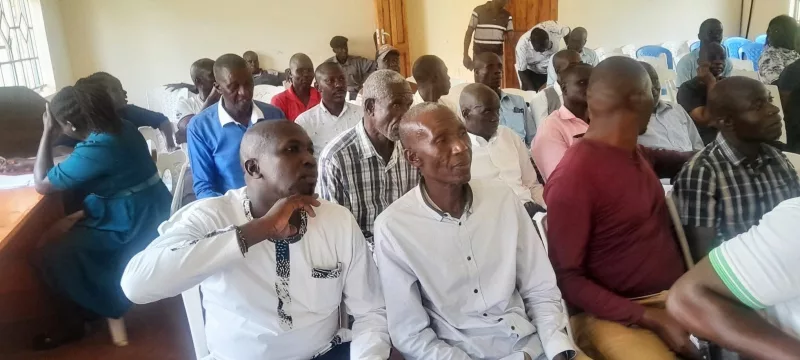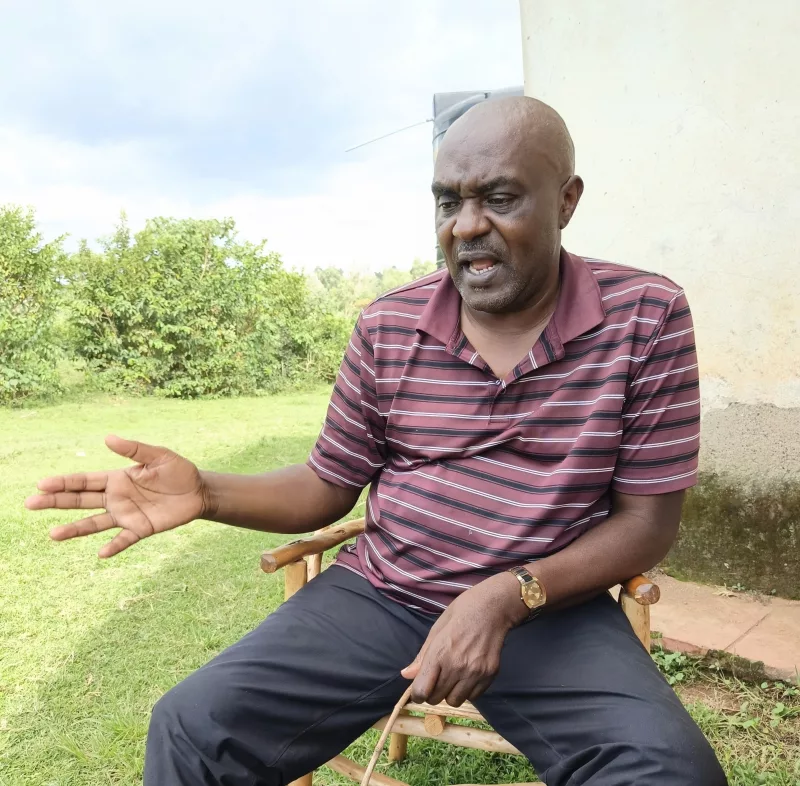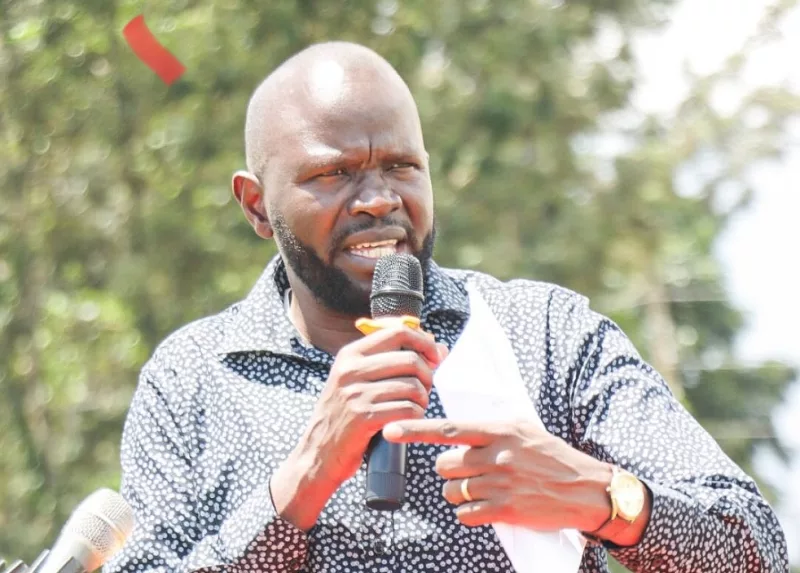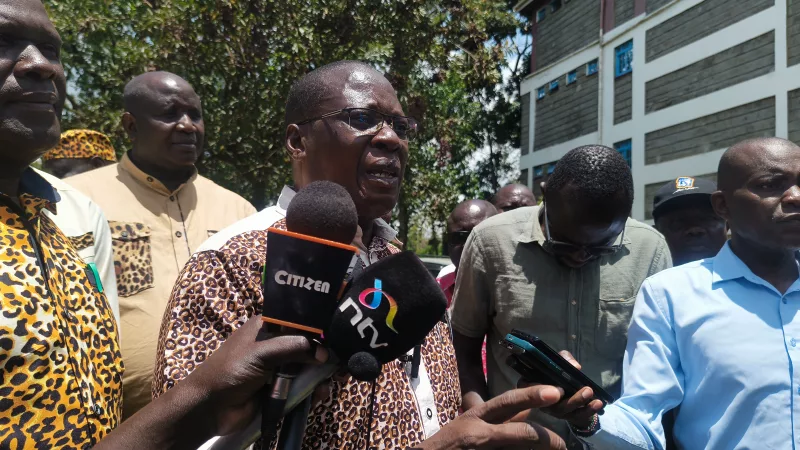
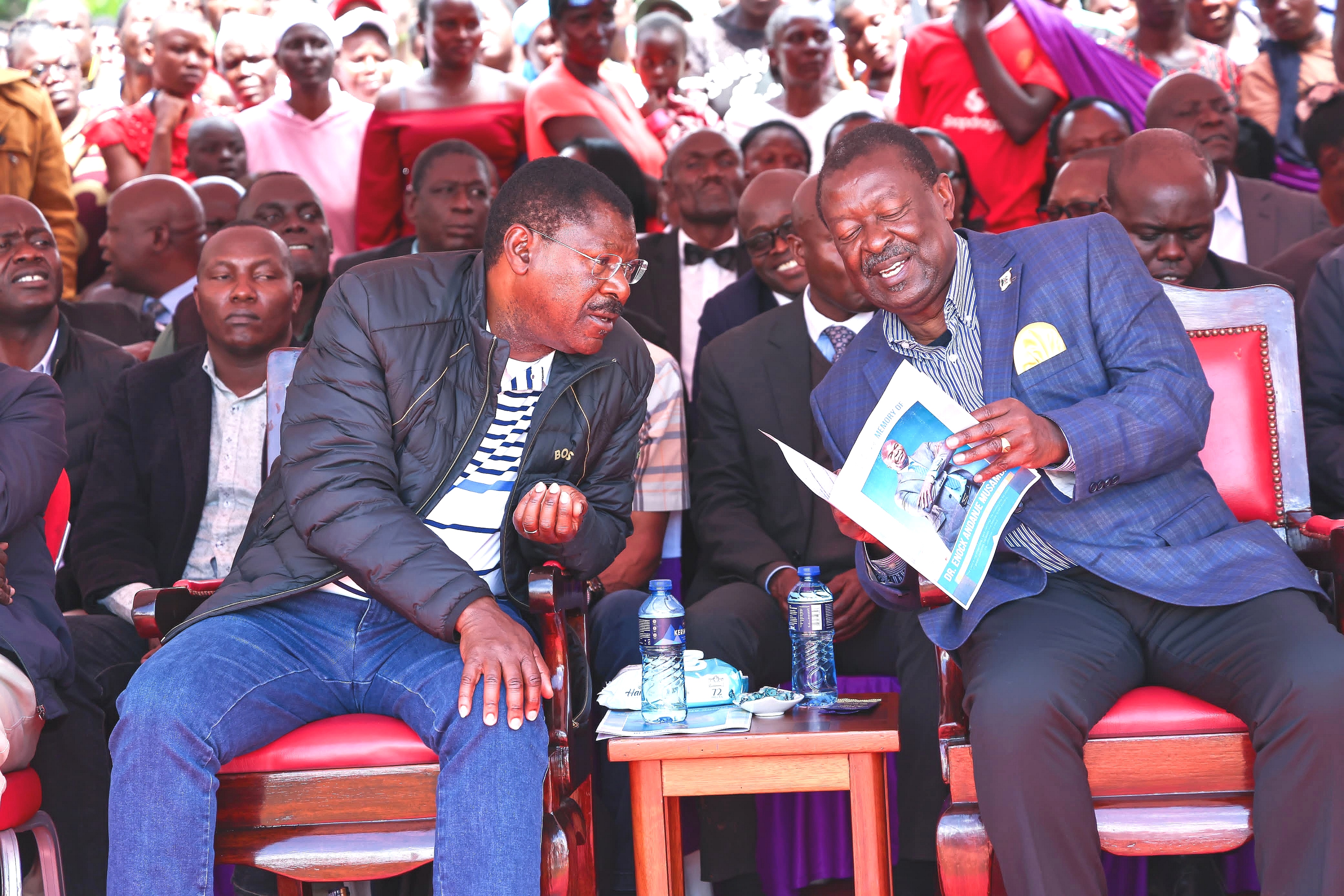
 National Assembly Speaker Moses Wetang’ula and Prime Cabinet Secretary Musalia Mudavadi during a funeral in Malava constituency /HILTON OTENYO
Calls for Luhya unity by community leaders have again taken centre stage in Western Kenya, a familiar political rhythm that resurfaces with every general election.
But beneath the renewed chorus lies a deeper contest—one driven largely by battles for regional kingpinship and positioning for national influence, rather than by clear benefits for the electorate.
Two competing power centres have emerged, each advancing its own version of “unity”.
One camp is led by Prime Cabinet Secretary Musalia Mudavadi, National Assembly Speaker Moses Wetang’ula and Cooperatives CS Wycliffe Oparanya, who are pushing for unity within the government.
Their message is that supporting President William Ruto’s re-election will strategically position the region to produce a successor in 2032.
Opposing them is a rival bloc made up of DAP-K leader Eugene Wamalwa, his deputy and Trans Nzoia Governor George Natembeya, Kakamega Senator Boni Khalwale, Busia Senator Okiya Omtatah and DCP deputy party leader Cleophas Malala.
They argue that true Luhya unity lies in the opposition—aligning with regions dissatisfied with the Kenya Kwanza administration.
The upcoming by-elections in Malava constituency, Kisa Kisa ward in Khwisero and Chwele ward in Kabuchai have now become the first battleground for the two camps.
Both sides are aggressively campaigning while, ironically, each claiming to be advancing Luhya unity.
The results will likely be interpreted as validation or rejection of one political wing over the other.
The quest for unity is further complicated by the mushrooming of new political parties in Western, each scrambling for space and influence in the Mulembe nation.
These include Omtatah’s National Reconstruction Alliance, Godfrey Kanoti’s Democratic National Alliance and Khalwale United Patriotic Movement.
They join established outfits such as Wetang’ula’s Ford-Kenya, Cyrus Jirongo’s United Democratic Party, DAP-K, the Roots Party and Maendeleo Democratic Party in fragmenting the region’s political landscape.
For the last two decades, Raila Odinga’s ODM dominated politics in Western, a position critics say sometimes hindered the emergence of a unified Luhya political voice.
With Raila’s death, the big question is whether ODM can hold its traditional grip or whether UDA—where Mudavadi now sits—or any of the region-based parties will inherit Western’s political loyalty.
Vihiga Senator and ODM deputy party leader Godfrey Osotsi, representing another political axis, insists the region’s unity should be anchored in the party.
“The only party we know in Western is ODM. I am not part of plans to have a regional party. We have benefited as a region courtesy of ODM. I want to tell those leaders who are beneficiaries of ODM and are causing a crisis to leave in peace,” Osotsi said.
Political analysts argue that the long-elusive Luhya unity will remain out of reach as long as regional leaders continue pursuing divergent ambitions.
Political risk analyst Dismas Mokua believes the Luhya vote will be decisive in determining the outcome of the 2027 presidential race.
“This is the reason why leading politicians and national political parties are pitching tents in Western Kenya,” he said.
Political scientist Prof Amukowa Anangwe notes that Raila’s exit removed the “de facto political anchor for Western” and has created a vacuum that local leaders must urgently fill.
Otherwise, he warns, Ruto and the UDA party will take advantage.
Anangwe argues that ODM’s fortunes in the region may gradually wane, creating openings for other political forces, especially UDA.
“It requires much more than half-hearted and haphazard efforts, petty politicking and noise-making to build a solid political constituency and grassroots mobilisation,” he said.
Political commentator Martin Andati adds that Mudavadi and Wetang’ula’s influence in the region was weakened when they failed to secure the Deputy President position after Rigathi Gachagua’s impeachment.
“Mudavadi was duped into folding his ANC party with a view of being appointed DP, but the post went to Kithure Kindiki. Right now, the two cannot marshal the community to secure a Deputy President position,” Andati said.