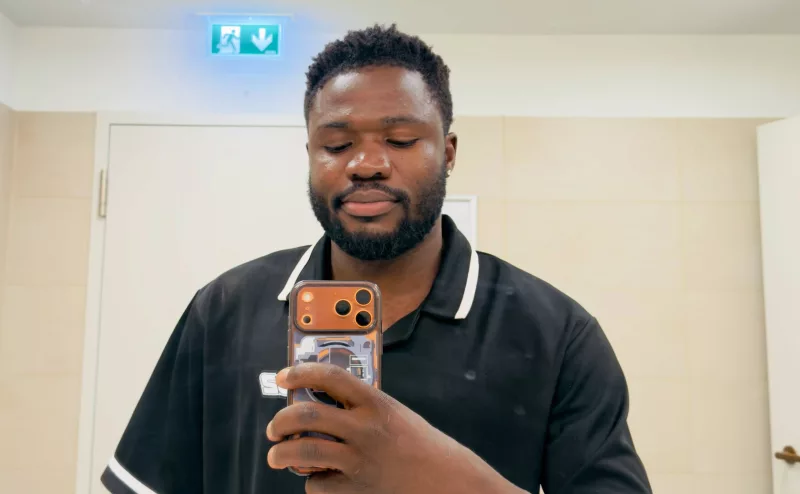
Lifestyle influencer Maureen Waititu recently addressed online harassment directed at her through Instagram, shedding light on the emotional toll of cyberbullying while reinforcing her commitment to personal growth.
Waititu shared screenshots of messages and comments from a pseudo account allegedly created by a user identified as @nancy_555202.
The messages included alarming claims referencing Waititu’s mental health and past personal struggles.
One note, reportedly relayed from a podcast, mentioned alleged threats of self-harm, multiple suicide attempts, and prescribed medication.
Another message included comments on her children, describing them as “ugly ducklings.” The messages also contained personal attacks tied to her past relationships.

A Graceful and Firm Response
Rather than responding with hostility, Waititu posted a public statement that combined clarity, grace, and accountability. She opened her post by identifying the user and outlining their actions, describing them as an attempt to target both her mental well-being and her family.
Addressing the attacks on her children, she firmly rejected the insult: “My babies are blessed and highly favored.
ALSO READ: The Global Impact of Charlie Kirk's Death: Maureen Waititu Speaks Out
I cancel every single demonic utterance upon them in the name of Jesus.” She then extended a message of compassion to the sender, urging them to find purpose and joy instead of creating pseudo accounts to spread negativity.
Her post emphasized her own transformation journey and personal growth, reminding audiences that attacks based on past events are irrelevant to her current life:
“Attacking things you heard of years ago is like trying to criticize an old house that I no longer live in. My mental and physical health are at their best right now.”
Raising Awareness About Online Harassment
Waititu’s post also serves a broader purpose beyond her personal experience. She highlighted the importance of acknowledging online harassment as an issue many face in silence, noting that public discussions can provide support and reassurance to others:
“I know some other people are going through such situations privately and it’s important for them to know that they are not alone.”

By sharing her experience, she demonstrates how influencers and public figures can respond to harassment with dignity, turning personal attacks into opportunities to educate and inspire their audience.
Advocating Mental Health and Online Resilience
Maureen Waititu’s handling of the situation underscores the importance of mental resilience in the digital age.
Her message balances assertiveness and compassion, modeling how individuals can protect their mental health while addressing harmful online behavior.
Her closing message to the user was both firm and empathetic:
“Nancy, please rest and heal.”
In doing so, Waititu reinforces that responding thoughtfully to online harassment not only preserves personal peace but also encourages healthier online communities.
Understanding Cyberbullying and Online Harassment
Cyberbullying refers to the use of digital platforms—such as social media, messaging apps, or online forums—to deliberately harass, intimidate, or harm someone.
It can include threats, spreading false information, personal insults, or targeting someone’s mental health, appearance, or family.
Online harassment is a broader term that encompasses repeated, unwanted, or aggressive online behavior aimed at a person, often creating fear, distress, or reputational harm.
This can range from offensive comments and direct messages to the creation of fake accounts targeting an individual.

On social media, cyberbullying and harassment are evident in various ways. Users may receive abusive messages, derogatory comments, or personal attacks, sometimes linked to past events or personal characteristics.
Fake or “pseudo” accounts are also commonly used to evade detection while spreading negativity. Influencers and public figures are particularly susceptible, as their visibility and influence often make them targets for malicious online behavior.
These behaviors not only affect mental health but also create a hostile online environment, highlighting the importance of digital resilience, reporting tools, and supportive community responses.