CNN journalist Larry Madowo has spoken candidly about why he will not be covering the upcoming elections in Tanzania, citing strict government restrictions on independent reporting.
In a video shared on his Instagram, the Kenyan-born international correspondent explained that Tanzania’s regulatory environment makes it almost impossible for foreign journalists to operate freely, describing the situation as “hostile to independent, critical reporting.”
“The simple reason is that Tanzania does not like independent, critical reporting. To operate in the country as a foreigner, I need media accreditation — essentially permission from the government,” he wrote.
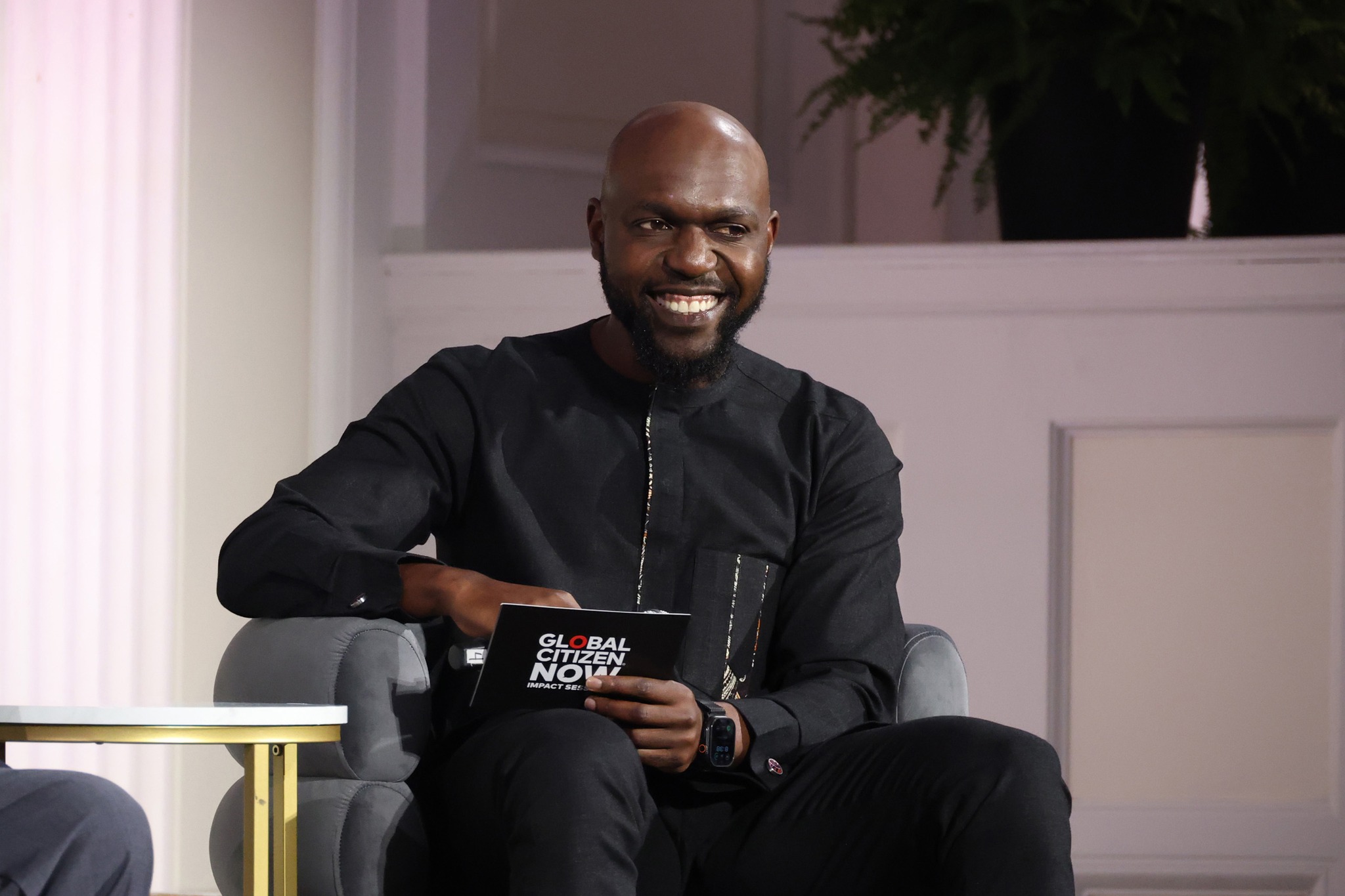
“It Hasn’t Gotten Better Under President Samia Suluhu”
Madowo went on to highlight that the issue of press freedom in Tanzania is not new, recalling that the same challenges existed under the late President John Pombe Magufuli, and have persisted under the current administration of President Samia Suluhu Hassan.
“Historically, Tanzania does not issue these permits. It used to be a problem under President Magufuli, and it has not gotten better under Samia Suluhu,” he stated.
ALSO READ: Larry Madowo: They Paid Goons Sh100K to Attack Me and Break My Cameras
The journalist said that while he could technically enter Tanzania as a tourist, he would not be legally allowed to report on any political event, as doing so would constitute a violation of Tanzanian law.
“I could go as a tourist but I’m not allowed to report because it would be a violation of the law. I could be deported, arrested, or worse,” he cautioned.
“Even Tanzanian Journalists Struggle”
Madowo also expressed concern over the shrinking space for media freedom within Tanzania itself, noting that even local journalists face significant challenges when reporting on political matters or government activities.
“Even Tanzanian journalists find it hard to report,” he added, underscoring the restrictive environment facing the country’s media professionals.
His remarks shed light on the broader regional issue of press freedom and the difficulties faced by both local and foreign journalists seeking to provide objective, independent coverage in parts of East Africa.
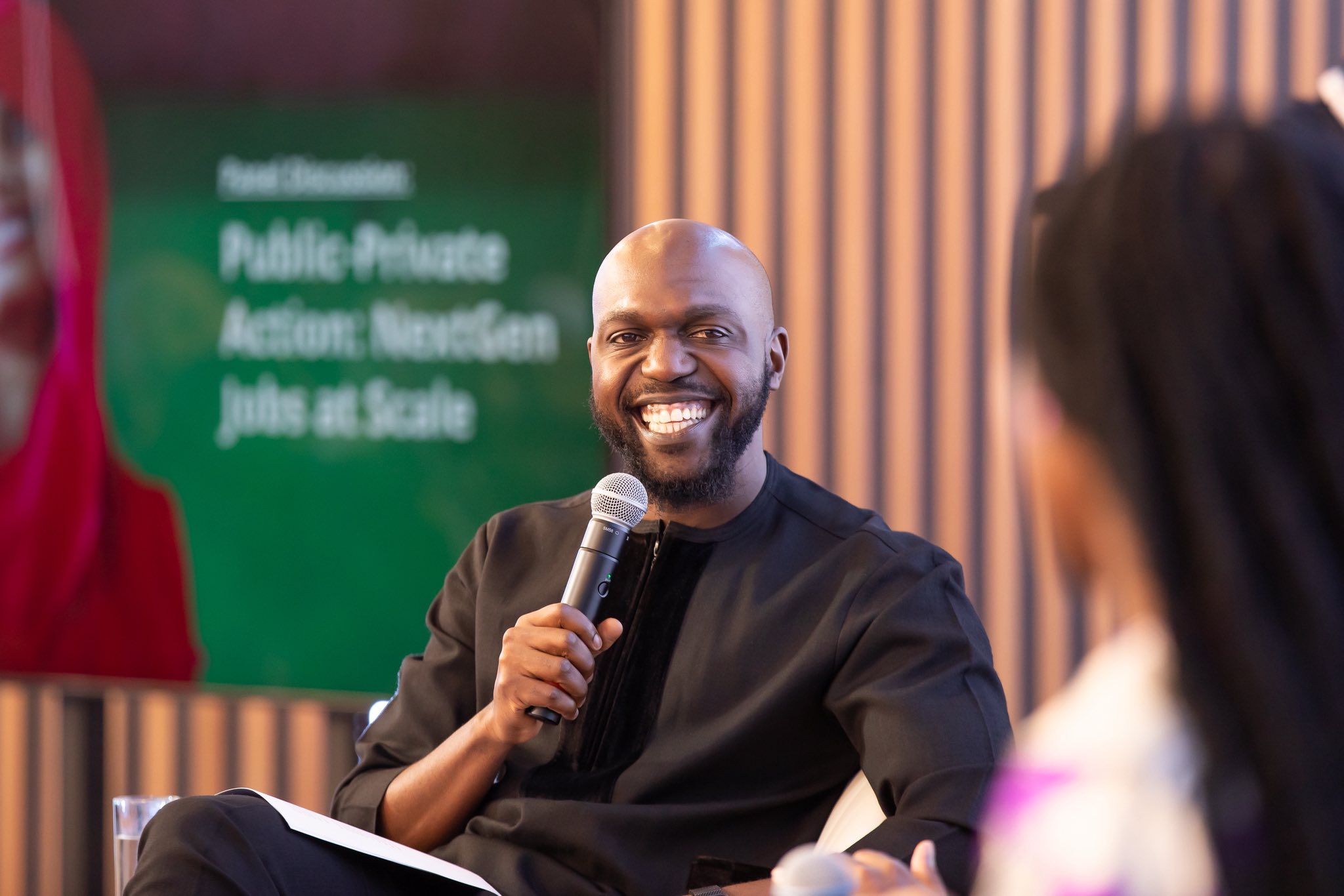
Election Marked by Tension and Chaos
The Tanzanian general elections, held on October 29, 2025, have been marred by unrest, accusations of rigging, and widespread restrictions on freedom of expression.
President Samia Suluhu Hassan, running under the long-dominant Chama Cha Mapinduzi (CCM) party, is widely expected to retain power.
However, the elections have been overshadowed by controversy after several major opposition figures were barred from contesting, a move that drew sharp criticism from rights groups and international observers.
The run-up to the vote saw multiple arrests of opposition activists, enforced disappearances, and tight controls on political gatherings. On election day, violent protests erupted across major cities, particularly in Dar es Salaam, Arusha, and Mwanza, as citizens accused the authorities of manipulating results.
Security forces responded with tear gas, water cannons, and live ammunition, according to local reports. Curfews were imposed in several regions, and a nationwide internet blackout left many citizens unable to access information or communicate freely.
Witnesses described chaotic scenes in polling stations, where low voter turnout and police presence created an atmosphere of fear. Civil society groups have since condemned the government’s handling of the polls, describing it as “a step backward for democracy.”
Below is Larry 's full video :