 Gatundu South MP and KTDA board member Gabriel Kagombe leads a team of over 100 tea factories directors from the East of Rift region in a press briefing at Kenol, Murang'a county, on October 28, 2025./HANDOUT
Directors from tea factories in Mt Kenya have defended annual bonus payments, saying the lower earnings were driven by weaker foreign exchange rates and falling global tea prices.
They said the 2024-25 bonuses reflected market realities, with prices at the Mombasa auction dependent on quality and demand.
The directors said the average price of processed tea fell from Sh389 per kilogramme last year to Sh309 this year — about Sh80 less — while production declined by 12 per cent, from 1.4 billion kilogrammes to 1.2 billion.
“The East of Rift region continues to fetch better prices at the international market largely because our factories don’t compromise on quality,” KTDA board member Gabriel Kagombe said.
“This has helped minimise losses, reduce redundancy and maintain confidence of international buyers.”
Despite the challenges, KTDA-managed factories sold 318.37 million kilogrammes of tea this year compared to 290.57 million kilogrammes last year, when more than 100 million kilogrammess remained unsold.
The directors said Mt Kenya factories have invested heavily in modern processing technologies and quality assurance systems, making their teas among the most sought after globally.
They blamed the proliferation of tea hawking, especially in the West of Rift region, on poor-quality harvests and depressed prices.
“One of the reasons there’s such a huge difference in prices between the two regions is rampant tea hawking that robs KTDA-managed factories of their produce,” Kagombe said.
Farmers and leaders from the Rift Valley and Nyanza recently accused KTDA of favouring Mt Kenya factories, citing disparities in bonuses and access to hydropower funds.
But the directors dismissed these claims, saying quality, not favoritism, determines auction prices.
Factories in Mt. Kenya have established low-cost hydropower plants — including Metumi, Gura, Nyamindi and Chania — financed through individual factory contributions.
Kagombe urged West of Rift factories to take advantage of the government’s Sh3.7 billion concessional loans from the Kenya Development Corporation to modernise their plants and improve product quality.
He welcomed Agriculture PS Kiprono
Rono’s directive to audit KTDA loans but called for a parallel audit on licensing
of private tea processors, saying they contribute to poor-quality tea through
uncontrolled buying.
Kagombe also warned that the government’s decision to stop direct tea sales had hurt the market, locking out about 27 per cent of international buyers who preferred specific factory blends.
“Direct sales earned factories up to 15 per cent more. Their suspension led to oversupply at the auction, reducing prices and creating a glut,” he said.
KTDA Zone Two board member Githinji Mwangi called for the de-politicisation of the tea sector, saying more than 680,000 smallholder farmers depend on the crop.
He urged legislators to review the 42 levies imposed on tea, which eat into farmers’ earnings.
“Let’s do an environmental and legislative audit to establish the conditions under which this crop is produced,” Mwangi said.
Tea remains one of Kenya’s top foreign exchange earners and the directors insisted that maintaining quality and efficiency is key to sustaining competitiveness in global markets.
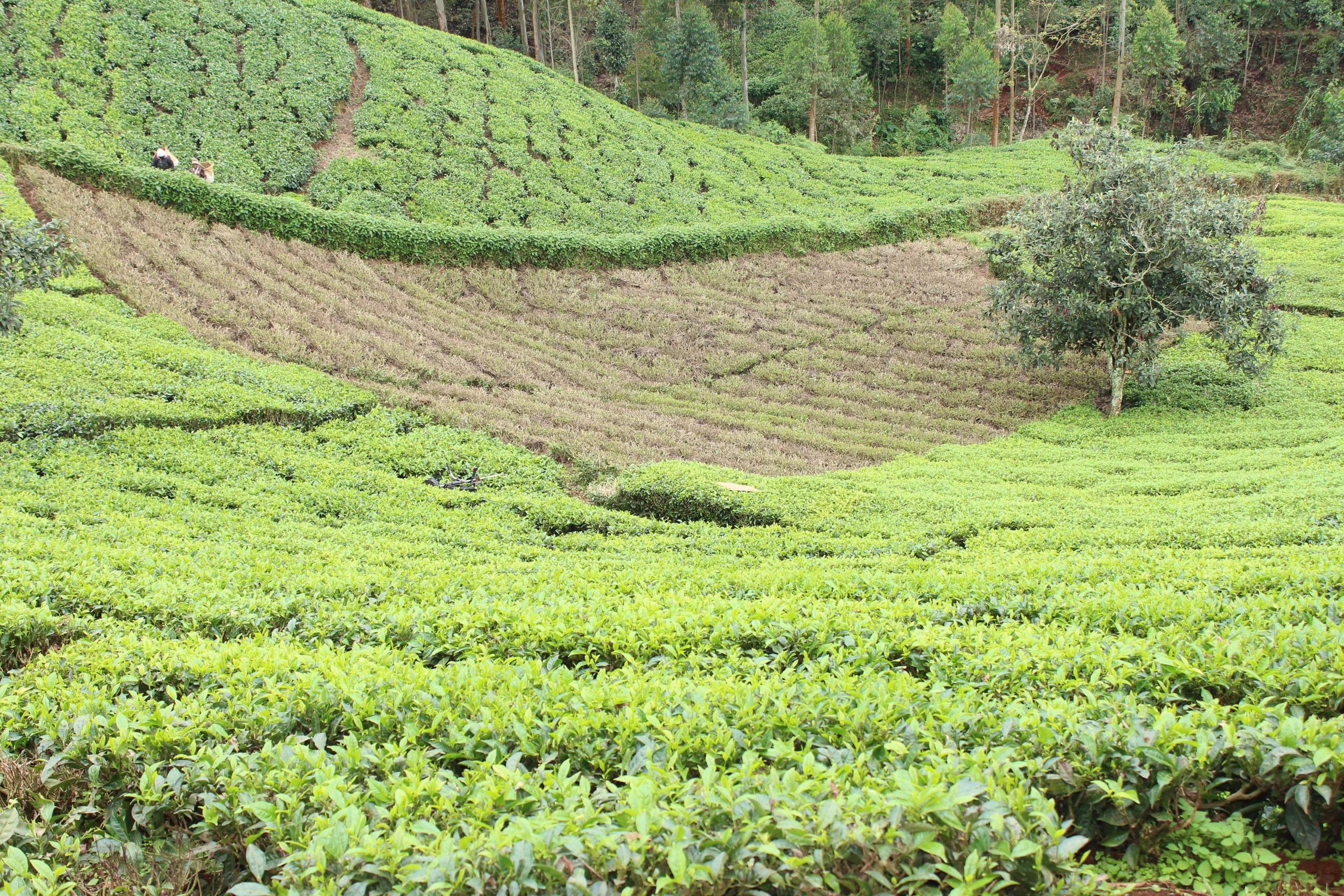 A tea farm in Kangari, Kigumo sub-county, Murang'a county